







How Does Wet Hulling Shape a Deep Roast Classic Coffee?
Mandheling is the single origin Front Street roasts to the darkest level, and its rich, solid body, low acidity and muted herbal and aged wood aromas come from Indonesia's wet-hulling process. Wet hulling, called Giling Basah locally, removes parchment while the beans are still soft and moist, a semi-washed route developed to shorten the processing cycle in a climate too wet for slow full drying.
Indonesia's humidity runs between 70 and 90 percent, with annual rainfall above 2,000 millimeters and frequent typhoons, so fully drying parchment to the required moisture content is difficult and slow. Wet hulling concentrates in northern Sumatra and Sulawesi, where it replaced unstable natural processing. Pour-over parameters and techniques for Golden Mandheling help drinkers appreciate the deep roast result.
Mandheling coffee is loved for its rich, solid mouthfeel and unique herbal and aged wood aromas, and behind this lies Indonesia's distinctive wet-hulling process. This article will start with the origins of wet hulling, its processing flow, and its relationship with semi-washed drying, to analyze in detail how this unique technique shapes Mandheling's low acidity, thick body, and muted aroma. At the same time, Front Street Coffee will share the pour-over extraction parameters and techniques for Golden Mandheling, helping coffee enthusiasts better appreciate this classic coffee. Whether you are a beginner just starting out or a seasoned veteran, you can find an option that suits you.
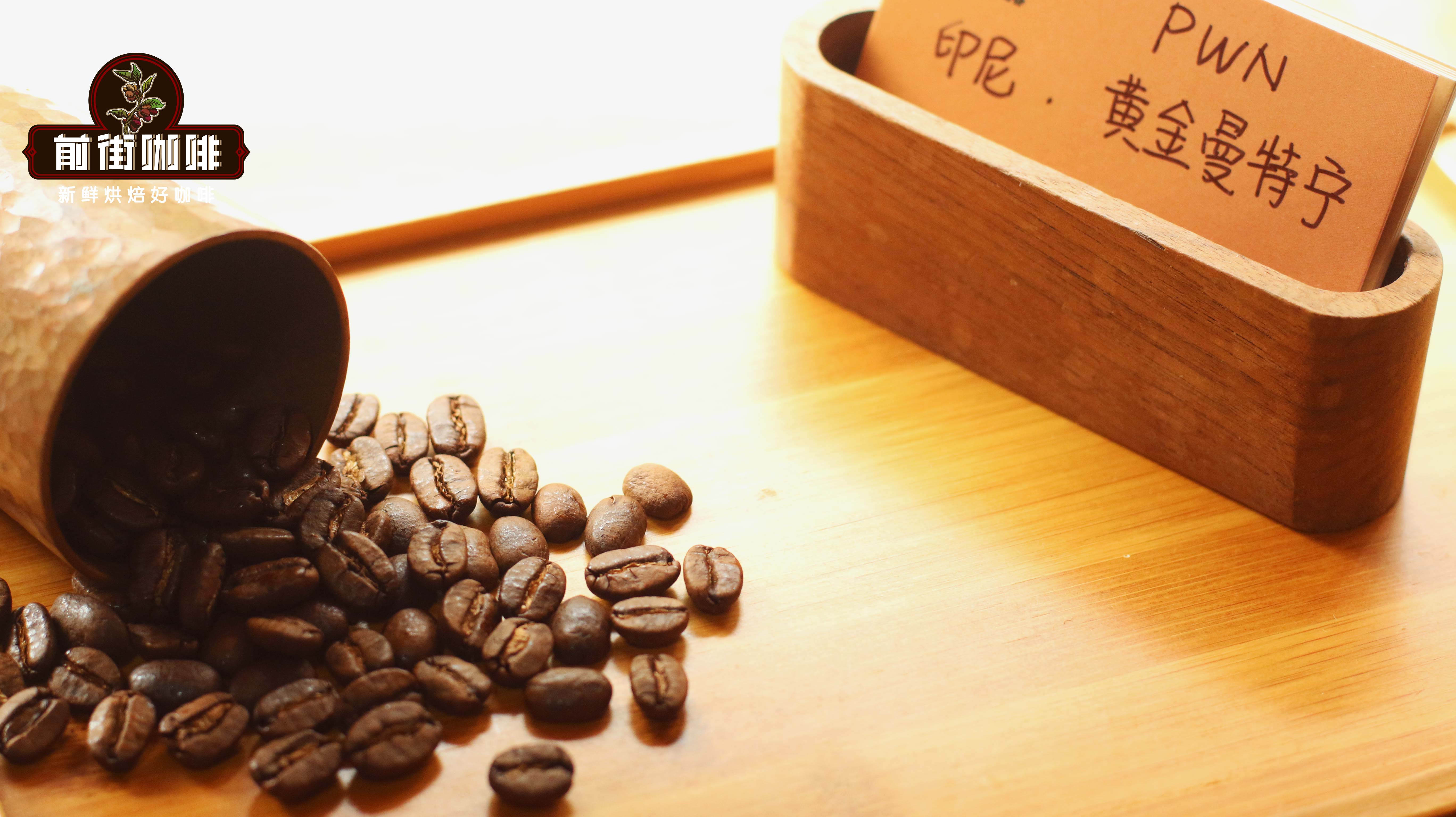
On Front Street's bean list, Mandheling is the single origin roasted to the darkest level. It gives off an intense roasted aroma, with a rich and full entry and low acidity. After deep roasting, you can feel both a lasting bitterness and an elegant sweetness, while the sense of smell and taste simultaneously capture that unique muted aroma, leaving an endless aftertaste.
At this point, some may wonder: since they are all medium-dark roasted coffee beans, why is it only Mandheling that carries this distinctive flavor?
As is well known, Mandheling comes from Sumatra in Indonesia. Compared with many coffee-producing regions, Indonesia's climate conditions are very special — the weather is changeable, humid and rainy, with year-round humidity maintained between 70% and 90%. Sometimes it is sunny in the morning, and in the afternoon torrential rain pours down, while typhoons visit even more frequently, with annual rainfall exceeding 2,000 millimeters. In such a harsh environment, fully drying parchment beans to the required moisture content is both difficult and time-consuming. Indonesia is also a major coffee country aiming for mass production; in order to shorten the processing cycle and turn coffee beans into cash for sale as quickly as possible, locals developed a unique semi-washed method: wet hulling.
Wet Hulled, called "Giling Basah" in Indonesian, has been used in coffee production for many years, just like washed, natural, and honey processing. At present, wet-hulled coffee is still mainly produced in Indonesia, with the most concentrated areas being northern Sumatra and Sulawesi.
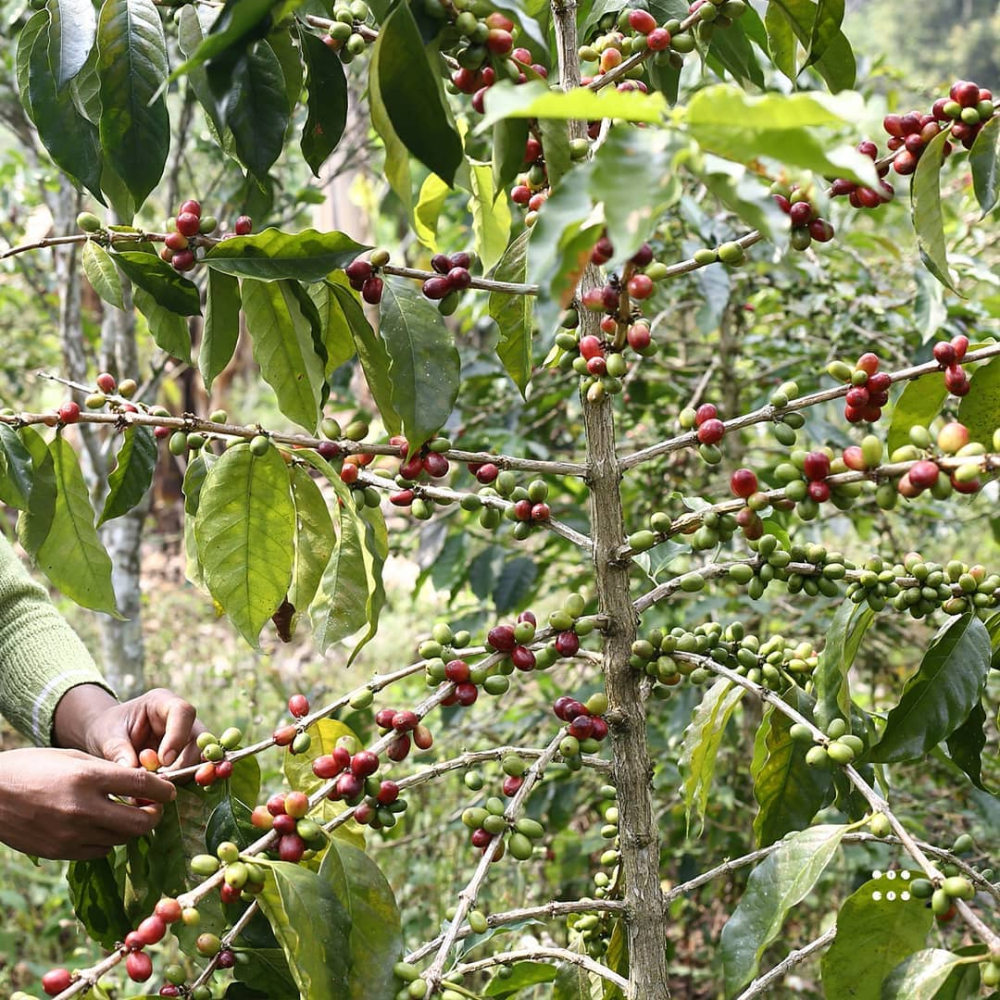
Initially, this area also mainly used natural processing, but the quality was unstable, so it was later changed to a semi-natural method similar to Brazil's. However, Indonesia is not as dry as Brazil and cannot leave the sticky parchment beans outdoors to dry for several days after removing the fruit skin — in hot and rainy Indonesia, doing so would only make the beans mold directly. Therefore, they can only be dried outdoors for one to two days first.
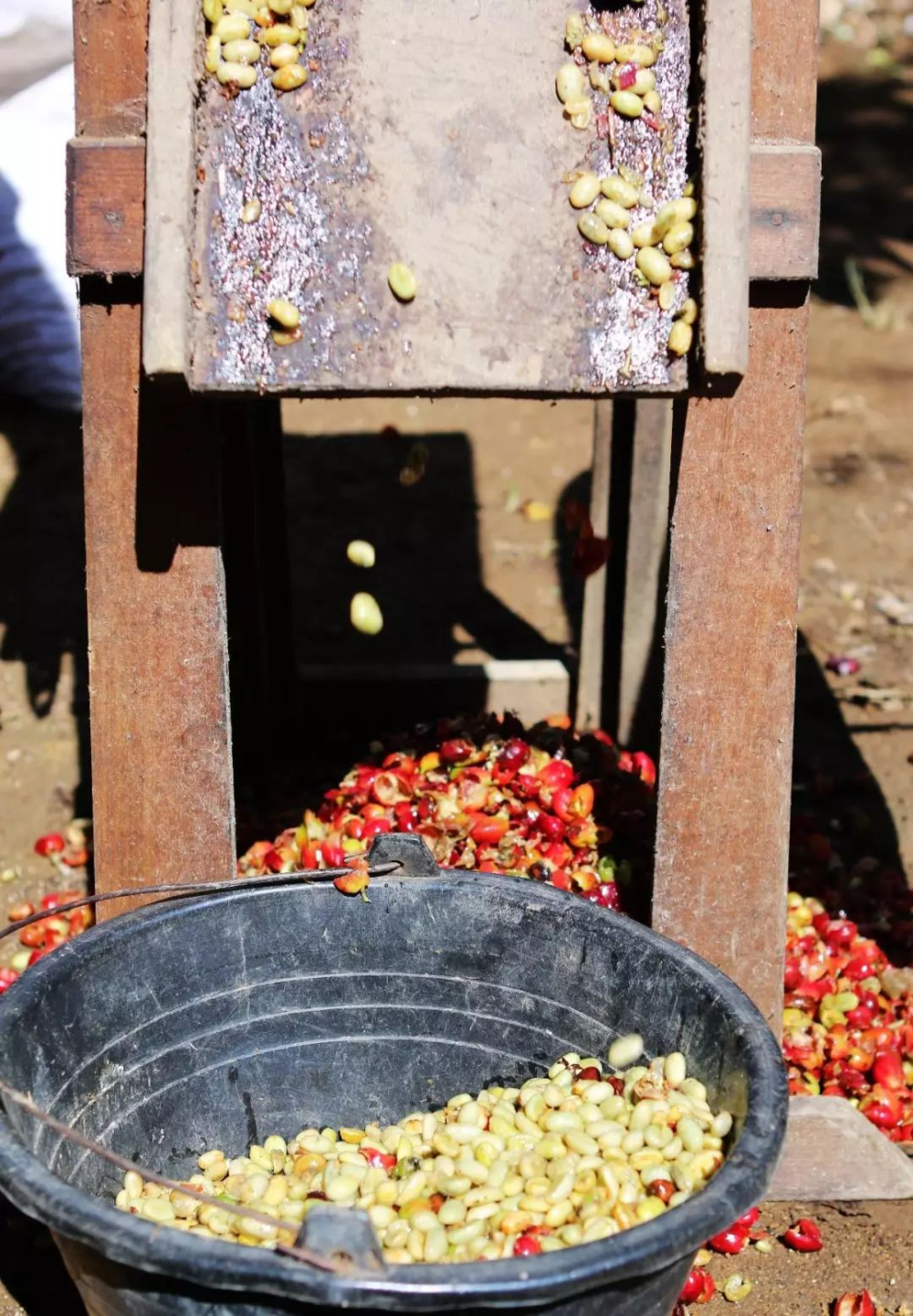
When the moisture content of the parchment beans drops to 30% to 50%, they are bought by middlemen. At this point the mucilage layer has not yet solidified, and the beans are still in a semi-hard, semi-soft state, but they must be sent back to the processing station in time and have the parchment removed with specialized machinery to avoid excessive fermentation producing a sour, foul smell.
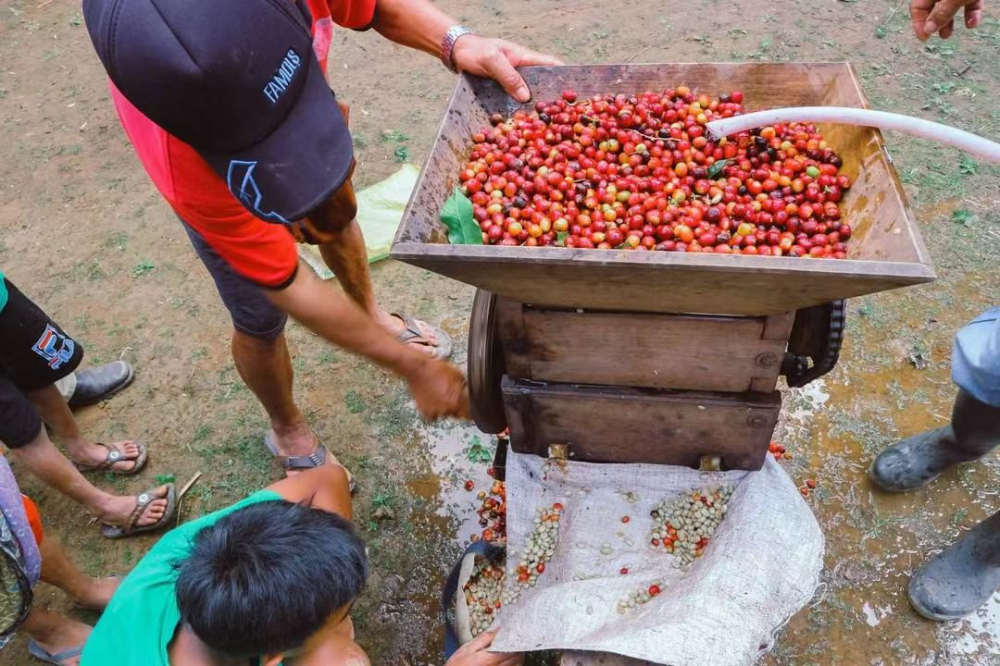
Because hulling under the wet-hulled method is more difficult, the machine needs to apply greater friction to tear open the parchment layer clinging tightly to the green beans. At this stage, white or green viscous liquid usually flows out. Through long soaking in this mucilage and the combined effect of the humid environment, the green beans ultimately become soft, pale and swollen, and take on a grayish-green color. Under the stirring of friction, the green beans are also more likely to be crushed or bruised, especially at both ends, forming small gaps shaped like goat hooves — this is why the proportion of Sumatra goat-foot beans is relatively high.
You should know that coffee beans originally have four protective layers: fruit skin, mucilage, parchment, and silver skin, yet the wet-hulled method removes the third and fourth protective layers midway. In other words, the coffee beans are directly exposing their "inner bean" to sunbathing.
After the parchment beans have their husks removed by machine, they still need to continue drying until the moisture content reaches about 12% to 15%, at which point they can be bagged. Finally, these coffee beans are sent for machine sorting to remove various impurities, and then classified by bean size.
The "naked beans" that have lost their parchment layer dry very quickly, and at the same time are directly exposed to sunlight and moisture, allowing various microorganisms to breed, giving Indonesian coffee its unique woody, spicy, and herbal notes. This is what we often call the "taste of place."
It can thus be seen that Mandheling's unique herbal aroma and aged wood flavor both stem from the fact that, under the local high-humidity environment, the entire post-processing procedure is forced to dry the mucilage layer in three stages. This is also an extremely rare processing method in the world, which inadvertently created Mandheling's special low acidity, thick body, and muted aroma.
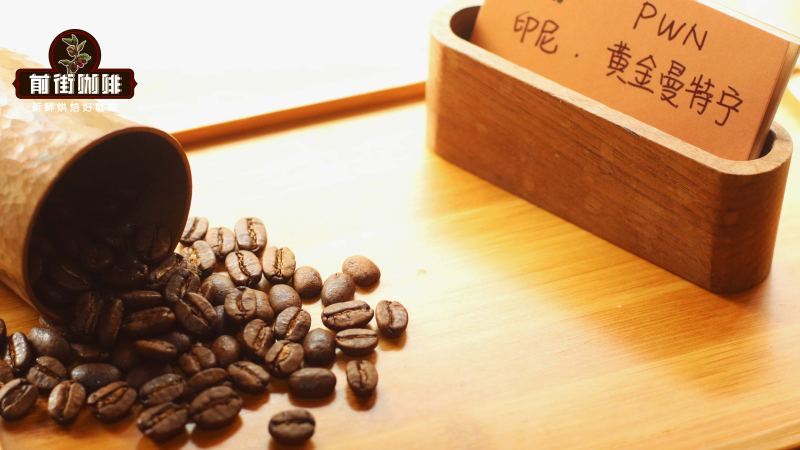
Some customers ask Front Street: which Mandheling is better to choose? If you are a coffee beginner just starting out and want to first understand the flavors of different producing regions, Front Street suggests starting with the cost-effective Lintong Mandheling everyday drinking beans, so you can understand the flavor characteristics of several major producing regions and then choose the type you prefer. But if you are already a coffee veteran, Front Street believes Front Street PWN Golden Mandheling coffee would be a good choice.
Mandheling presents a full roasted coffee aroma and a solid mouthfeel, suitable for brewing and extraction by various methods, such as pour-over, siphon, French press, AeroPress, moka pot... Front Street's favorite way is to taste the rich mouthfeel of Golden Mandheling coffee as pour-over black coffee.
When brewing coffee beans that express thickness, Front Street likes to use the KONO dripper for extraction. The KONO dripper has short ribs only in the lower middle part, while the upper part is a smooth curved surface, so when we wet the dripper, the filter paper fits tightly against it, the coffee's degassing during extraction is restricted, the hot water's residence time in the dripper increases, the extraction yield rises, the concentration also increases, and the coffee taste becomes richer and thicker. The KONO dripper is also suitable for beans with thick flavor types such as Brazil Queen's Estate coffee.
Generally, Front Street uses 15g of coffee grounds for its output; the choice of dose is usually based on the size specifications of the dripper design, and Front Street's dripper is suitable for a serving of 1-2 people, so it can be between 15-20g of grounds; too much dose easily affects extraction. As for the choice of coffee-to-water ratio, 1:15 is the most commonly used, and a ratio range of 1:13 to 1:17 is acceptable. Front Street believes everyone's taste is different; 1:13 may be too strong for some people, and 1:17 too weak, so it takes the middle value of 1:15.
Brewing parameters: KONO dripper, 87°C water temperature, 1:15 coffee-to-water ratio, grinding degree of 70% passing a Chinese No. 20 standard sieve, 15g coffee grounds, three-stage extraction.
First wet the dripper so the filter paper fits tightly against it, then pour in the ground coffee and try to level the coffee bed. Inject 30g of 87°C hot water from the center to begin blooming for 30s; at this point you can see the dark-roasted Mandheling coffee form a tall dome. Then begin evenly pouring the second stage until the liquid weight is 125g, and when the coffee liquid drops to the halfway point, begin pouring the final stage of 100g. Note to pour steadily with a small stream throughout to avoid uneven extraction. After all the coffee liquid has finished dripping, you can remove the dripper, swirl the coffee liquid in the sharing pitcher to mix, and begin tasting.
The brewing parameters mentioned by Front Street are all based on fresh coffee beans, so freshly roasted coffee is the primary condition here. The coffee beans shipped by Front Street are all freshly roasted within 5 days, so when you receive the coffee from the logistics provider, it is just within the best-tasting period. This is in the hope that every customer can drink the best coffee with the most complete flavor.
The freshly brewed Front Street PWN Golden Mandheling coffee clearly has a solid mouthfeel, with richer notes of cedar, spices, dark chocolate, and roasted hazelnut, a clean finish, and a flavor raised to an even higher level, where you can feel the sweetness and aftertaste of caramel.
The above content is compiled by CoffeeHunters, a coffee news website.


