







How Does Wet-Hulled Coffee Processing Shape Mandheling?
Sumatra's wet-hulled method, called Giling Basah in Indonesian, is a semi-washed technique used in Indonesia for many years alongside washed, natural, and honey processing. It is the reason Mandheling coffee shows low acidity, thick body, and a distinctive musty aroma, and it remains concentrated in North Sumatra and Sulawesi.
Indonesia's humid, rainy climate, with year-round humidity between 70 and 90 percent and annual rainfall above 2,000 mm, makes fully drying parchment beans slow and difficult. To shorten the cycle and sell for cash quickly, producers developed wet hulling, which is why coffee production there differs from conventional wet processing. Mandheling is the darkest-roasted single-origin on the Front Street list.
The wet-hulled method of Sumatra, Indonesia, is a highly unique coffee processing technique that stands out in coffee production. This article will compare in detail how wet hulling differs from conventional wet processing, and explain the origins of Mandheling coffee's low acidity, thick body, and distinctive musty aroma from multiple angles, including climatic conditions, processing flow, and green bean appearance. At the same time, the article will share Front Street Coffee's recommendations for Mandheling beans and pour-over extraction techniques to help coffee enthusiasts better understand and appreciate this one-of-a-kind coffee.
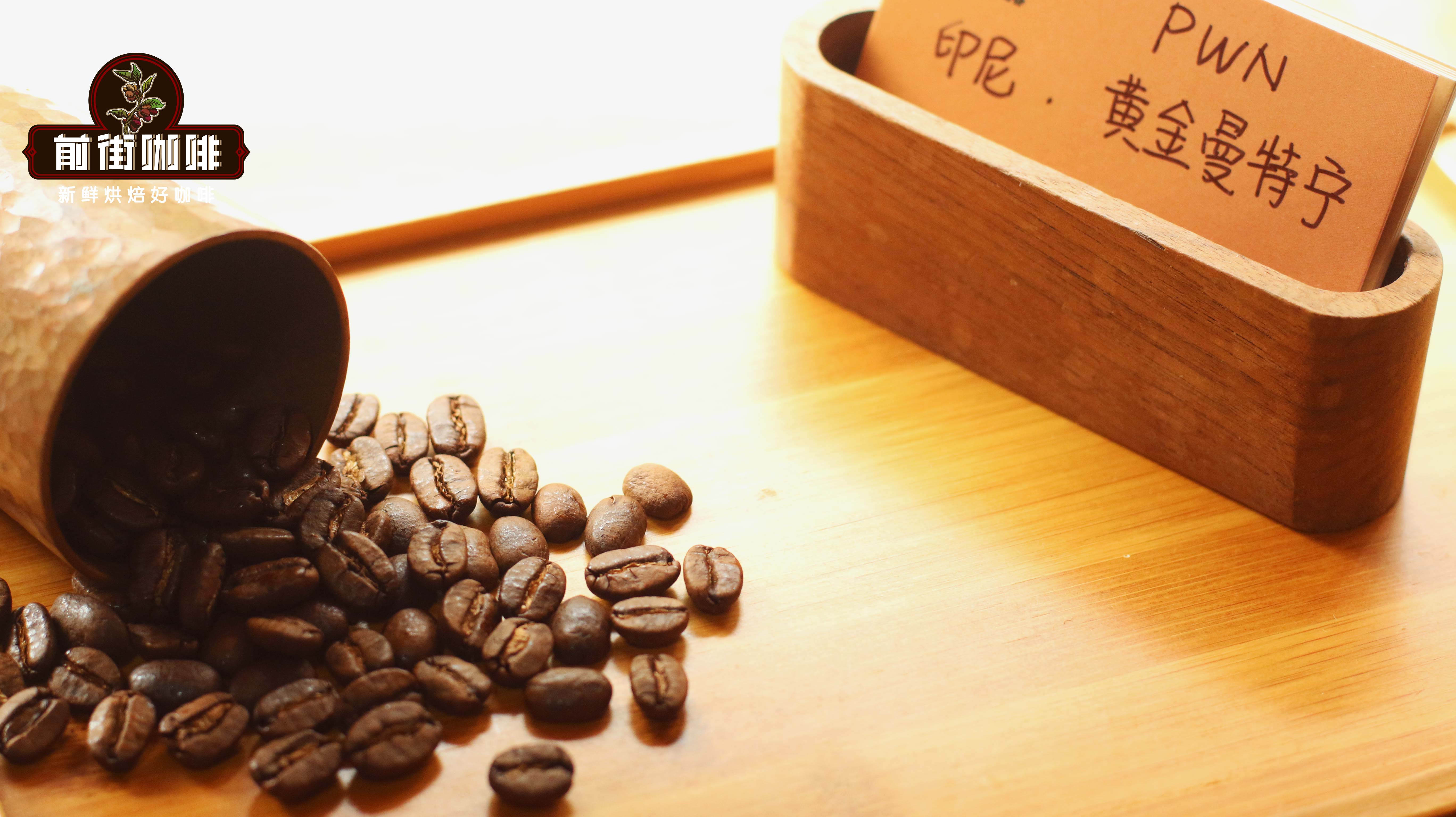
In Front Street Coffee's bean list, Mandheling is the darkest-roasted single-origin coffee. It gives off a rich roasted aroma, with a thick and full mouthfeel and relatively low acidity; after deep roasting, you can experience both a lasting bitterness and an elegant sweet aftertaste. That unique musty aroma strikes through the nasal cavity and on the tip of the tongue at the same time, leaving an endless aftertaste.
At this point, some friends may wonder: since they are all medium-dark roasted beans, why is it only Mandheling that carries this distinctive flavor?
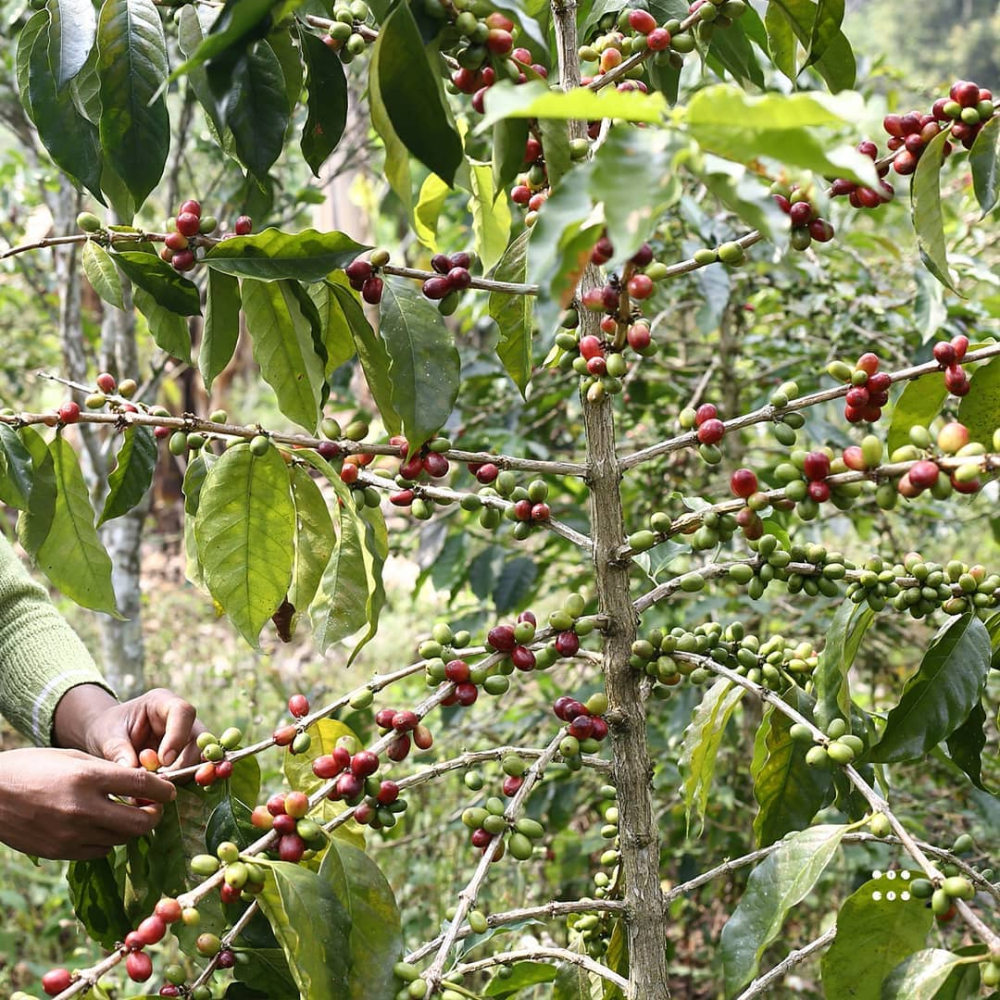
As is well known, Mandheling comes from Sumatra, Indonesia. Compared with many coffee-producing regions, Indonesia's biggest difference lies in the local weather's unpredictability—humid and rainy, with year-round humidity maintained between 70% and 90%. Sometimes the morning is clear and sunny, and by the afternoon it is pouring rain; typhoons can arrive without warning, and annual rainfall even exceeds 2000mm. Under such harsh climatic conditions, getting parchment beans to dry completely to the specified moisture content is both difficult and time-consuming. Indonesia is also a major coffee-producing country focused on volume, so in order to shorten the processing cycle and sell for cash as quickly as possible, locals developed a unique semi-washed method: wet hulling.
Wet Hulled, called "Giling Basah" in Indonesian, has been used in coffee production for many years, just like washed, natural, and honey processing. At present, wet-hulled coffee is still mainly produced in Indonesia, with North Sumatra and Sulawesi as the primary producing regions.
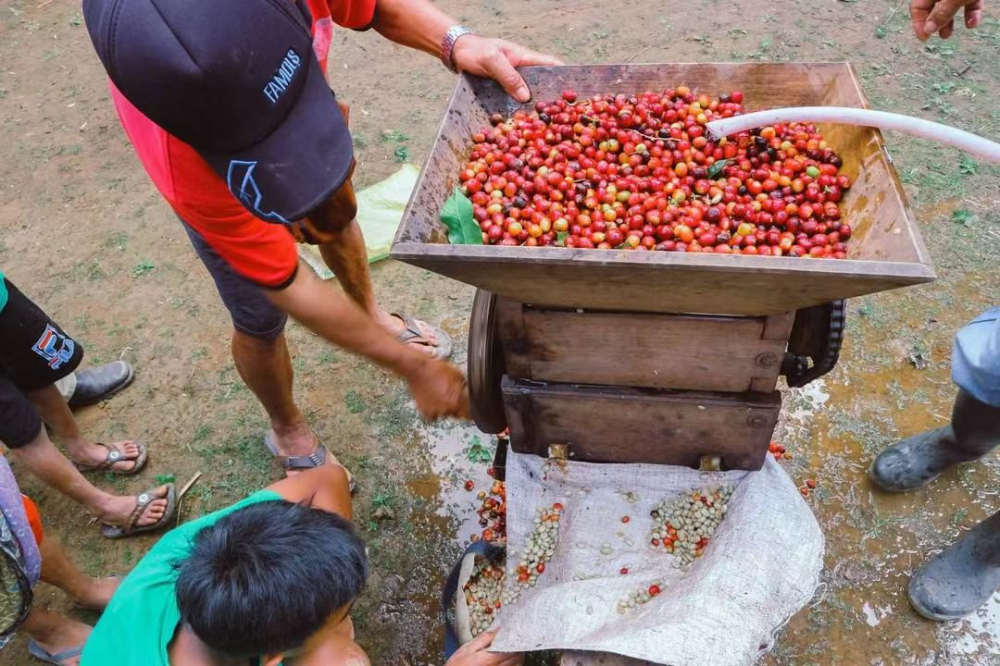
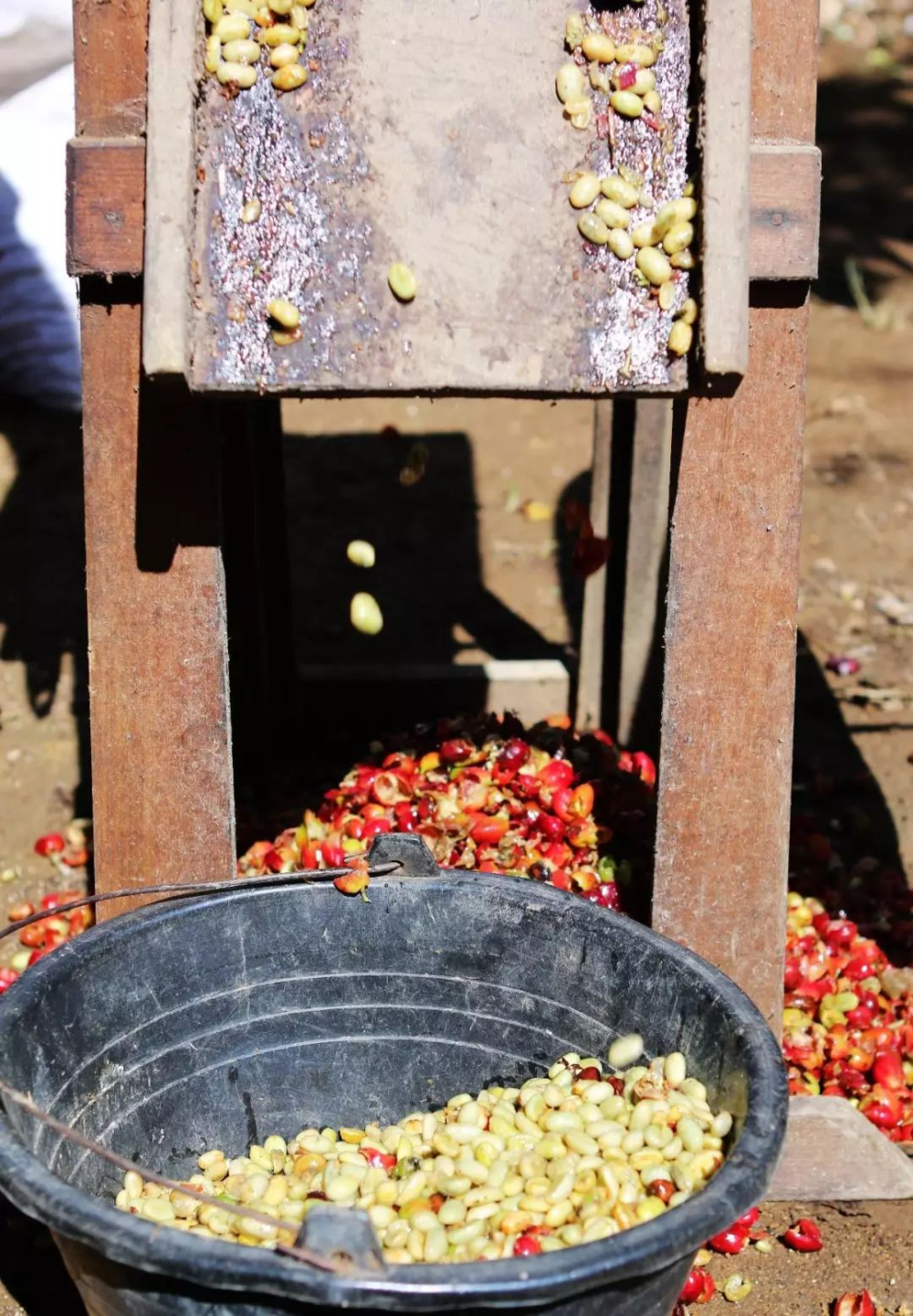
Initially, natural processing also dominated here, but the quality was unstable, so it was later changed to a semi-natural method similar to Brazil's. However, this place is not as dry as Brazil. After removing the coffee fruit skin and taking out the sticky parchment beans, they cannot be dried outdoors for several days, because in hot and rainy Indonesia doing so would only make the beans mold directly, so they can only be dried outdoors for one to two days.
When the moisture content of the parchment beans drops to 30–50%, they are bought by middlemen. At this point the mucilage layer has not yet solidified, and the bean body is still half-hard and half-soft, but they need to be taken back to the processing plant in time and have the parchment shell ground off with special machinery to avoid excessive fermentation and sour spoilage.
Because hulling under the wet-hulled method is more difficult, the machine needs to use greater friction to tear open the parchment layer clinging tightly to the green beans. At this stage, white or green viscous liquid usually flows out. Due to long soaking in the mucilage and the humid environment, the green beans ultimately become soft, white and swollen, forming a grayish-green color. Stirred by friction, the green beans are also more likely to be crushed or bruised, especially at both ends, forming small notches like goat hooves—this is why Sumatra has a higher proportion of goat-hoof beans.
You should know that coffee beans have four layers of protection: fruit skin, mucilage, parchment shell, and silver skin, yet the wet-hulled method hulls away the third and fourth layers of protection midway. In other words, the coffee beans directly expose their "inner bean" to sunbathing.
After the parchment beans have their shells ground off by machine, they continue to be dried until the moisture content reaches about 12%–15%, at which point they can be bagged. Finally, these coffee beans are sent for machine sorting to remove various impurities, and then classified by bean size.
The "naked beans" that have lost their parchment layer dry very quickly, and at the same time are directly exposed to sunlight and moisture, affected by the growth of various bacteria, giving Indonesian coffee its unique woody, spicy, and herbal notes. This is what we call the "taste of the region."
From this, it can be seen that Mandheling's unique herbal aroma and driftwood notes are caused by the high local humidity forcing the entire post-processing into three stages of drying the mucilage layer. This is also a rare processing method in the world, which accidentally created Mandheling's special low acidity, thick body, and musty aroma.
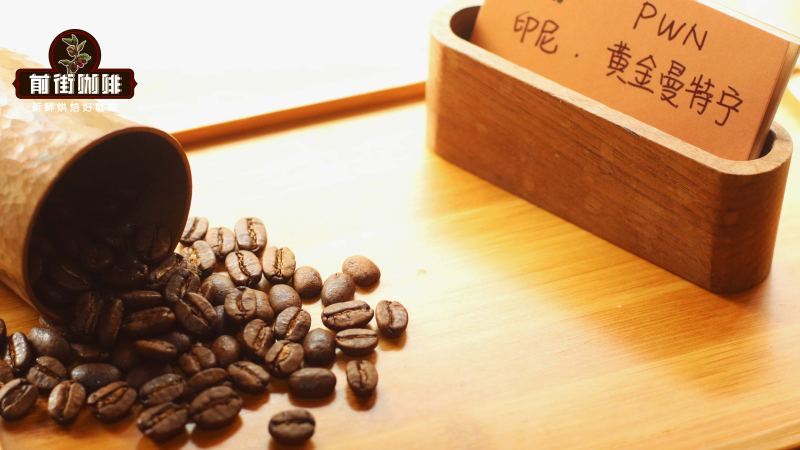
Some customers ask Front Street: which Mandheling is better to choose? If you are a coffee beginner who wants to first understand the flavors of different producing regions, Front Street suggests starting with our cost-effective Lintong Mandheling everyday drinking beans, so you can understand the flavor characteristics of several major producing regions and then choose the type you prefer. But if you are already a coffee veteran, Front Street believes that Front Street PWN Golden Mandheling coffee is a good choice.
Mandheling presents a full roasted coffee aroma and a solid mouthfeel, suitable for various brewing and extraction methods, such as pour-over, siphon, French press, AeroPress, moka pot... Front Street's favorite way is to taste the rich mouthfeel of Golden Mandheling coffee as a pour-over black coffee.
When brewing coffee beans that express body and richness, Front Street likes to use the KONO dripper for extraction. The KONO dripper only has short ribs in the lower middle part, and the upper half of the dripper is a smooth curved surface, so when we wet the dripper, it can fit tightly with the filter paper. The coffee's degassing during extraction is restricted, so the hot water stays in the dripper longer, the coffee extraction yield increases, and the concentration rises accordingly, making the coffee taste richer and fuller. The KONO dripper is also suitable for beans with rich, full-bodied flavor types such as Brazil Queen's Estate coffee.
Generally, Front Street uses 15g of coffee grounds for output. The choice of dose is usually based on the size specification of the dripper design, and Front Street's dripper is suitable for 1–2 people, so it can be between 15–20g of grounds; too much dose easily affects extraction. As for the choice of coffee-to-water ratio, 1:15 is the most commonly used, and any ratio within the range of 1:13 to 1:17 is acceptable. Front Street believes that everyone's taste is different; 1:13 may be too strong for some people, and 1:17 too weak, so the middle value of 1:15 is chosen.
Brewing parameters: Brewing parameters: KONO dripper, 87°C water temperature, 1:15 coffee-to-water ratio, China No. 20 standard sieve with 70% sifted grind size, 15g coffee grounds, three-stage extraction.
First wet the dripper, fit the filter paper tightly against the dripper, then pour in the ground coffee and try to level the coffee bed. Inject 30g of 87°C hot water from the center to start blooming for 30s; at this point you can see the dark-roasted Mandheling coffee form a tall dome. Then begin evenly pouring the second stage until the liquid weight is 125g, and when the coffee liquid drops to the halfway point, start pouring the final 100g. Note to pour steadily with a small stream throughout to avoid uneven extraction. After all the coffee liquid has dripped through, remove the dripper, swirl the coffee liquid in the sharing pitcher, and begin tasting.
The brewing parameters mentioned by Front Street are all based on fresh coffee beans, so freshly roasted coffee is the primary condition here. The coffee beans shipped by Front Street are all freshly roasted within 5 days. When you receive the coffee from the logistics provider, it is just within the best tasting period. This is in the hope that every customer can drink the best coffee with the most complete flavor.
The freshly brewed Front Street PWN Golden Mandheling coffee clearly has a solid mouthfeel, with richer notes of cedar, spices, dark chocolate, and roasted hazelnut, a clean finish, and a flavor that goes up another level, allowing you to feel the sweetness of caramel and its lingering aftertaste.
Professional coffee knowledge sharing. For more coffee bean information, please follow the WeChat public account: Front Street Coffee (FrontStreet Coffee)
The above content is compiled by CoffeeHunters, a coffee news website.


