







Search Results for: dripper brewing
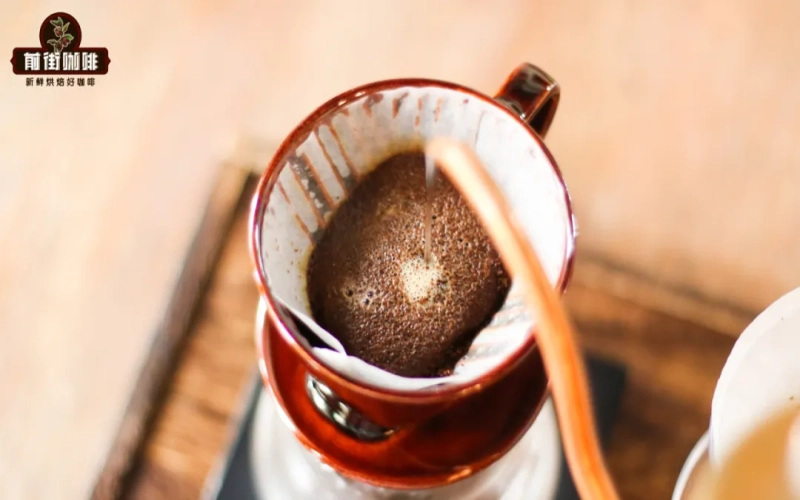
Why Are Trapezoid Drippers Fading from View? A Comparative Analysis of the Brewing Advantages of Wedge Drippers and the V60 Cone Dripper
In the world of pour-over coffee gear, cone-shaped drippers occupy an absolute mainstream, while the once-popular trapezoid dripper appears less and less on the bar. This does not mean it is not useful—on the contrary, thanks to its unique structure, the trapezoid dripper can deliver a more balanced cup performance and a solid mouthfeel. From the perspective of Front Street, this article reviews the historical trajectory of the trapezoid dripper from its birth to its improvements, breaks down the impact of its shape, ribs, and bottom hole on extraction, and, through comparative brewing with the V60, intuitively presents the flavor differences between the two drippers. It also explains why the trapezoid dripper has gradually retreated behind the scenes under the light-roast trend, as well as its beginner-friendly stable extraction characteristics. [more…]
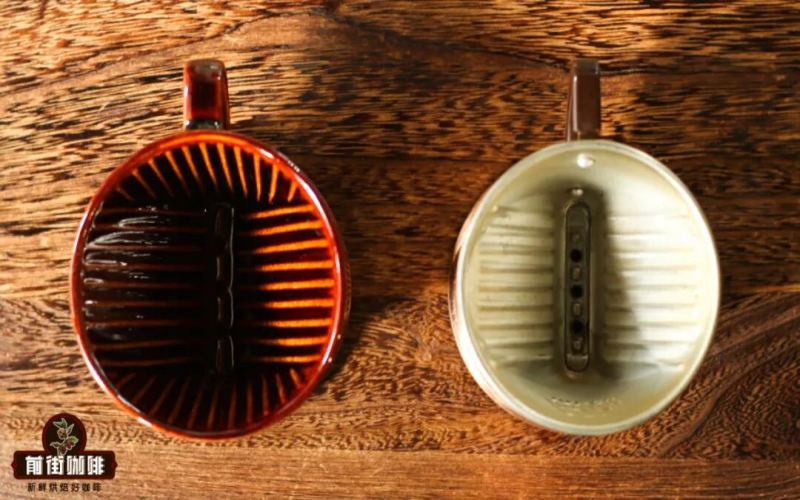
Coffee Dripper | Why Do Cafés Rarely Brew Coffee with Fan-Shaped Drippers? What Extraction Advantages Do Trapezoid Drippers Have, and Which Coffee Beans Are They Suitable For?
Have you ever noticed that, aside from some large chain brands, we hardly ever see trapezoid drip cups in coffee shops? Compared to trapezoid drip cups, cone-shaped and flat-bottom/cake drip cups appear much, much more frequently. So quite a few friends are curious: why do drip cups that use trapezoid [more…]
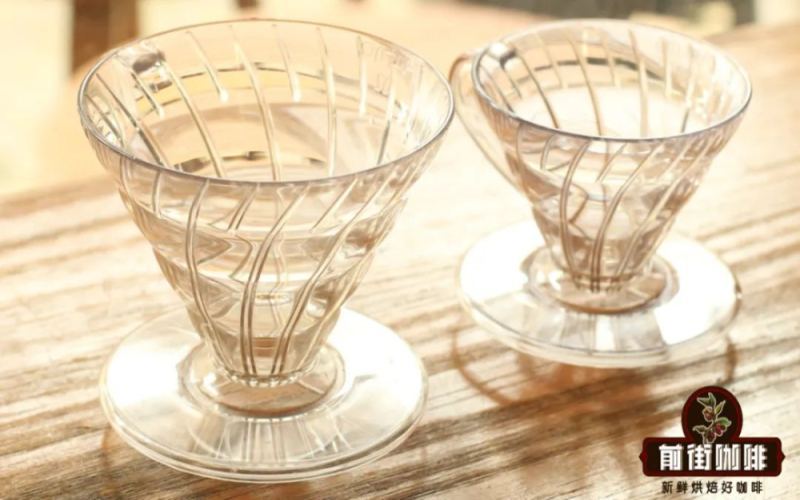
Analysis of the Differences Between Size 01 and 02 Drippers: Why It's Hard for a Large Dripper to Replicate the Deliciousness of a Small One
Many coffee enthusiasts share this confusion: they can consistently brew delicious coffee with a size 01 small dripper, but when they switch to a size 02 large dripper, the results are always disappointing. This is not a regression in skill, but rather an essential difference in structure and usage logic between large and small drippers. The 01 dripper corresponds to 1–2 servings, while the 02 dripper corresponds to 3–4 servings. The difference is not just capacity—the drainage hole, bed depth, and flow rate all change with size. Front Street Coffee's brewing tutorials use the 01 dripper as the standard, but if the same technique is applied directly to the 02 dripper, over-extraction easily occurs due to excessively long extraction time. This article will analyze the core differences between the two drippers in depth and provide adjustment plans for the larger dripper, helping you brew satisfying coffee even with the 02 dripper. [more…]
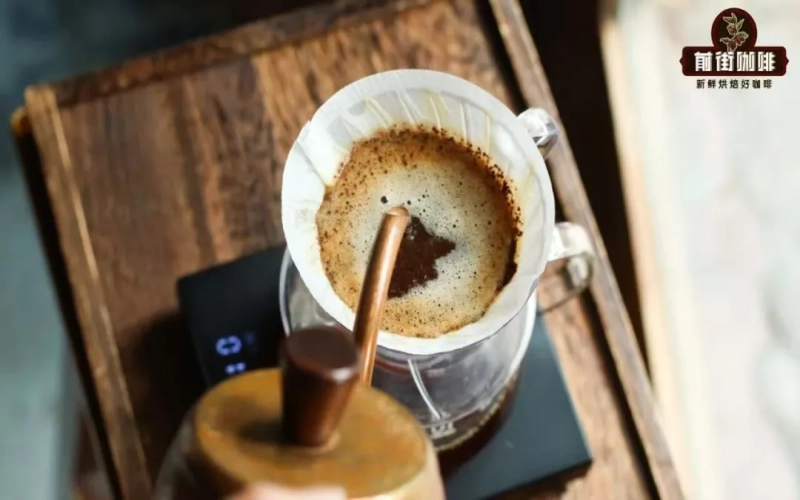
Pour-Over Coffee Dripper Buying Guide: A Full Breakdown of Bed Structure, Flow Rate, and Material, Plus Front Street Recommendations
Faced with a dazzling array of pour-over drippers, many coffee lovers often don't know where to start. In fact, the differences between drippers mainly come down to three aspects: the bed structure, the flow rate, and the material choice. The bed structure determines the evenness of extraction and the layering of flavors—cone-shaped, flat-bottomed, and wedge-shaped each have their own characteristics; the flow rate is affected by the rib design and the size of the outlet, with fast and slow rates leading to completely different flavor profiles; the material affects heat retention and price. Once you understand these differences, you can make a choice based on your personal taste preferences. Front Street Coffee will provide specific buying recommendations at the end of this article—just follow them and you can easily get started. [more…]
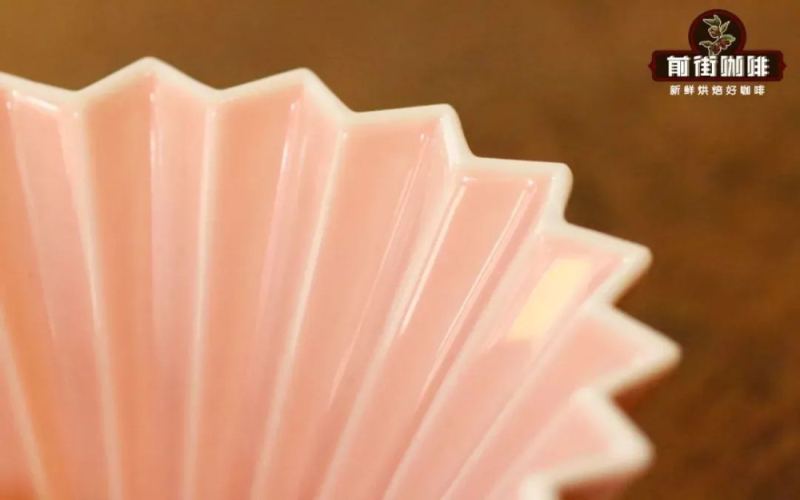
Origami Dripper Bean Suitability Analysis: Design Highlights, Brewing Recipes, and Practical Pros and Cons
The Origami dripper, with its angular shape and Nordic minimalist style, has become a familiar sight in cafés and equipment stores. Designed by Yasuo Suzuki, it can be used with either conical filters or cake filters, offering two completely different brewing experiences. Its fame grew even further when Du Jianing, the 2019 WBrC champion, used it. However, this dripper also has shortcomings, such as the lack of a base and limited coffee capacity. Front Street Coffee once conducted a comparative brew using blueberry beans from Costa Rica's Giant Stone Estate. This article will comprehensively analyze what coffee beans this dripper is suitable for, covering its appearance, star appeal, versatile brewing methods, and drawbacks. [more…]

The History of the V60 Pour-Over Coffee Dripper | What Is the Coffee Extraction Principle Behind the V60 Dripper? Why Do Coffee Shops Love Using the V60 Dripper for Single-Origin Coffee?
For professional coffee knowledge exchange and more coffee bean information, please follow Front Street Coffee (FrontStreet Coffee). Among all types of pour-over coffee drippers, the most popular is the V60 dripper. Many pour-over coffee shops have a V60 dripper, and the V60 dripper is also many cof [more…]

The origins and design features of the Hario V60 dripper, along with a detailed explanation of pour-over steps and brewing parameters
Among pour-over coffee gear, the V60 dripper is undoubtedly the most popular, and the top choice for many coffee enthusiasts just getting started. Designed by the Japanese company Hario, its clever features—a 60-degree conical shape, large drainage hole, and spiral ribs—make extraction flow rate and flavor control flexible and variable. Front Street Coffee often uses the V60 to brew light roasts, and uses the KONO dripper as a contrast for the immersion-style extraction of dark roasts. This article will sort out the V60's history and working principle, its differences from the KONO, and explain in detail the complete process from rinsing the filter paper to three-stage pouring, while also offering practical suggestions on water temperature, grind size, coffee-to-water ratio, and extraction time to help you brew a cup of coffee with rich layers more consistently. [more…]
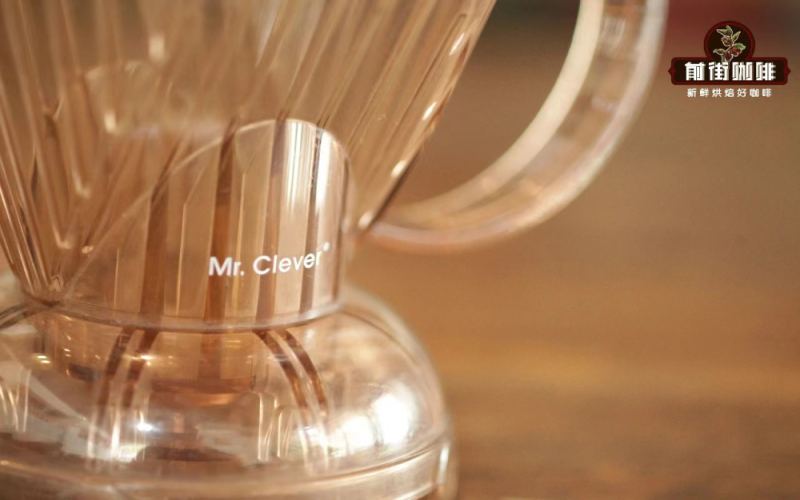
Smart Cup Brand Recommendations and Comparison with V60 Pour-Over: Detailed Explanation of the Origin of the Smart Cup Name and Brewing Differences
The Clever Coffee Dripper is a coffee dripper originating from Taiwan with a controllable valve at the bottom. Because its name contains the meaning of "clever," it was given this distinctive Chinese name. It combines both percolation and full-immersion extraction principles, aiming to reduce the influence of human factors on coffee flavor so that even beginners can produce consistent results. This article will introduce the brand options and structural features of the Clever Coffee Dripper, and through a comparative experiment with Front Street Coffee's use of the V60 dripper, explain in detail the differences between the two in grind size, water temperature, pouring technique, and final flavor performance, helping coffee enthusiasts more clearly understand the suitable scenarios for these two common pour-over devices. [more…]
Bingtong Dripper vs. V60 Dripper Brewing Comparison: How the Rib Design of a Conical Dripper Affects Coffee Flavor Performance
With the same coffee beans, switching to a different dripper can result in a completely different flavor in the cup. The shape of the dripper determines the distribution of the coffee bed, while the design of the ribs affects the flow rate and the contact time between water and coffee grounds. Even among conical drippers, design differences can lead to entirely different extraction outcomes. This article takes the Ice Eye dripper and the V60 dripper as subjects, breaking down everything from rib layout and airflow paths to actual brewing performance, and uses the same washed Yirgacheffe Worka for a side-by-side test to see how these two conical drippers, often discussed at Front Street Coffee, compare in terms of mouthfeel, aroma, and complexity. [more…]
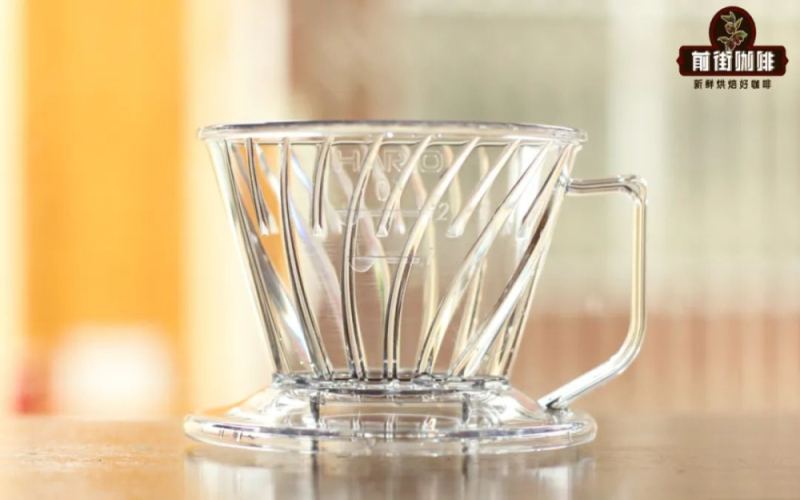
An In-Depth Analysis of the Hario Pegasus Dripper: Boat-Shaped Design, Trapezoidal Structural Differences, and Real-World Brewing Performance
In addition to the V60, Hario has also released a uniquely shaped Pegasus dripper. It resembles a trapezoidal dripper in appearance, yet has undergone significant improvements in its flow guides, base structure, and cup holder design. The spiral flow guides deliver a drainage speed close to that of the V60, while the flat-bottom dual-hole design makes extraction more even. Viewed from above, the oval base looks just like a little boat, which is how it came to be called the boat-shaped dripper. Front Street Coffee conducted a comparative brew using this dripper and the V60 with the same Finca El Diviso Sidra coffee beans; the flavor profiles were similar, but the Pegasus dripper produced a softer acidity. This article provides a complete breakdown of its structural features, filter paper compatibility, the purpose of the measurement lines, and the conveniences and drawbacks encountered in actual brewing. [more…]
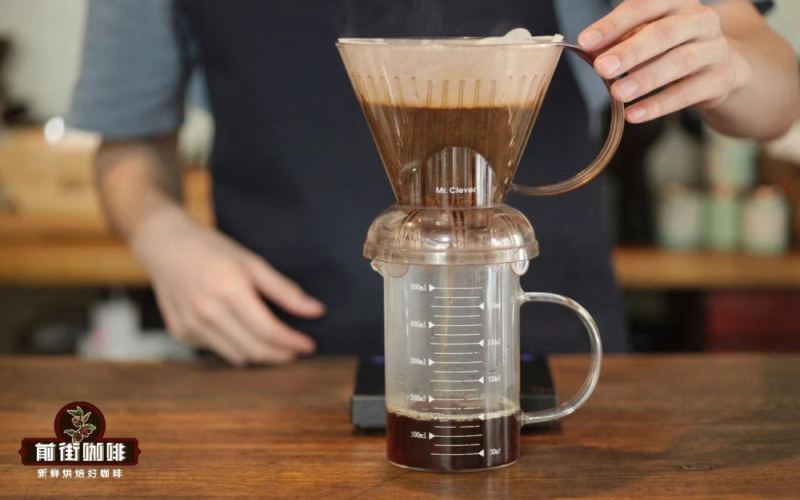
Smart Cup vs. Pour-Over Dripper: How Beginners Can Master Steeping Time and Grind Parameters
As a coffee dripper that combines the features of both pour-over and full-immersion extraction, the Clever Cup effectively lowers the difficulty of brewing for beginners thanks to its piston valve design, delivering consistent results with a high margin for error. This article starts from the working principle of the Clever Cup, compares its flavor differences with the V60 dripper using the same beans and the same parameters, and offers specific grinding and water temperature recommendations for medium-light and medium-dark roasted coffee beans. At the same time, the article breaks down in detail the brewing steps and immersion time control of the Clever Cup, helping coffee enthusiasts understand when to choose the Clever Cup and when to choose the V60, so they can make more suitable brewing decisions based on their personal taste preferences. [more…]
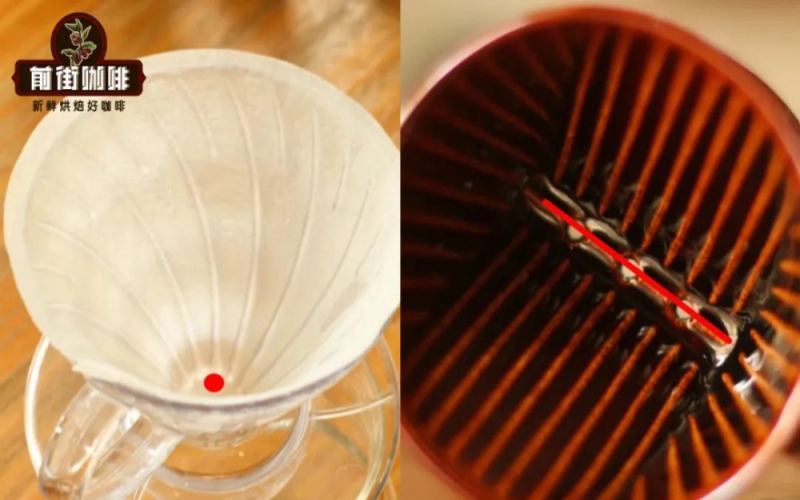
Flavor Characteristics and Key Operational Points of Flat-Bottom Dripper Coffee Brewing: From Structural Principles to Front Street Coffee's Practices with the Sidra Variety
Flat-bottom drippers have gradually drawn attention in the pour-over field in recent years. The extraction performance brought by their flat bottom and special flow-guiding structure differs noticeably from common conical drippers. This article starts with the background of the birth of the Kalita Wave, sorting out the design origins of flat-bottom drippers, the distribution characteristics of their flow-guiding ribs, and their influence on water flow paths, then compares them with the extraction logic of conical drippers such as the V60. After that, using Front Street Coffee's Colombia·Frontera Chiroso as an example, it shares a three-pour brewing recipe suited to flat-bottom drippers, recording the actual brewing time and tasting impressions to help coffee enthusiasts understand the unique aspects of flat-bottom drippers in flavor presentation. [more…]
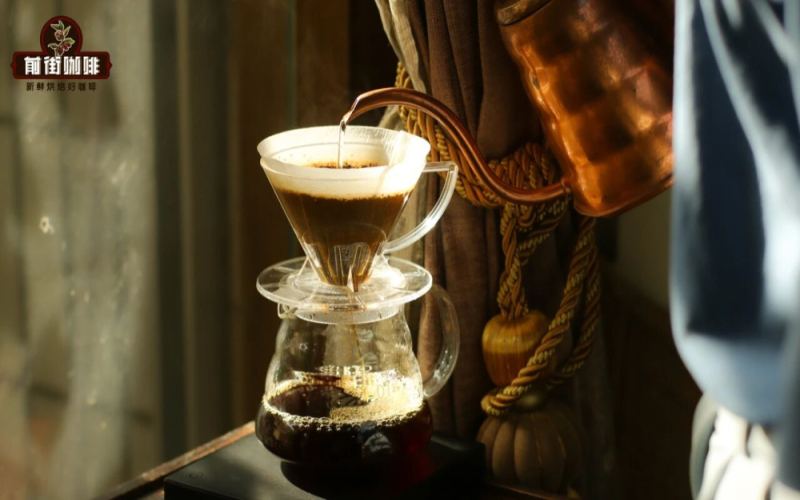
A Complete Analysis of the Flavor Differences and Structural Principles Between Brewing with the Kalita Trapezoid Dripper and the Hario V60 Cone Dripper
In the world of pour-over coffee, the shape of the dripper has a far more critical impact on flavor than one might imagine. The once-popular trapezoid dripper is now rarely seen in specialty coffee shops, having been replaced by cone-shaped drippers such as the Hario V60. This article starts from the actual brewing of two beans—Front Street washed Yirgacheffe and Jamaican Blue Mountain—to compare the flavor performance of the Kalita 101 trapezoid dripper and the V60 cone dripper, and takes a deep dive into how the structural differences between the two lead to different extraction methods. At the same time, the article also explores the reasons why the trapezoid dripper has gradually faded out, as well as its stability advantage that keeps it favored by chain brands, providing coffee enthusiasts with comprehensive reference for purchasing and brewing. [more…]
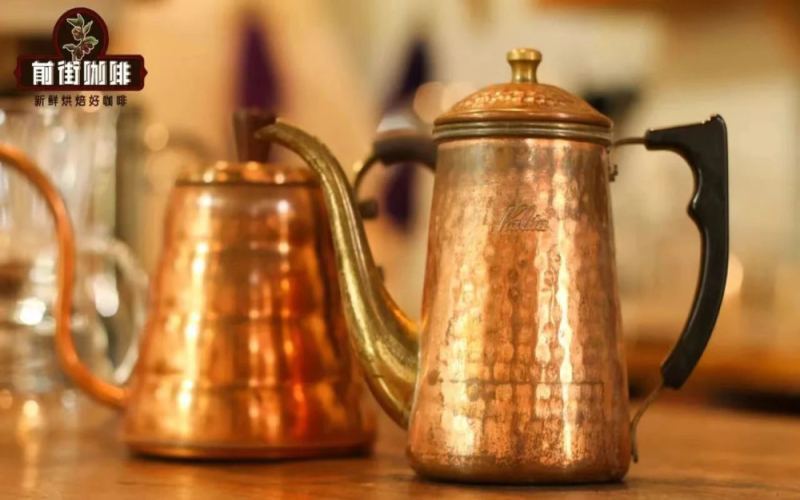
Hario V60 01 vs 02 Dripper Comparison: Size, Coffee Dose, and Brewing in Practice
The Hario V60 is practically standard equipment for every pour-over enthusiast, but what exactly is the difference between the 01 and 02? From the perspective of Front Street Coffee, this article first reviews the design origins and three core features of the V60 dripper, then takes a deeper look at how the 01 and 02 differ in recommended coffee dose and actual capacity, and explains why the 02 dripper requires a coarser grind. After that, using the Yirgacheffe Natural Red Cherry as an example, it presents the three-pour brewing parameters and techniques for both drippers, helping you make a more suitable choice in your daily brewing. [more…]
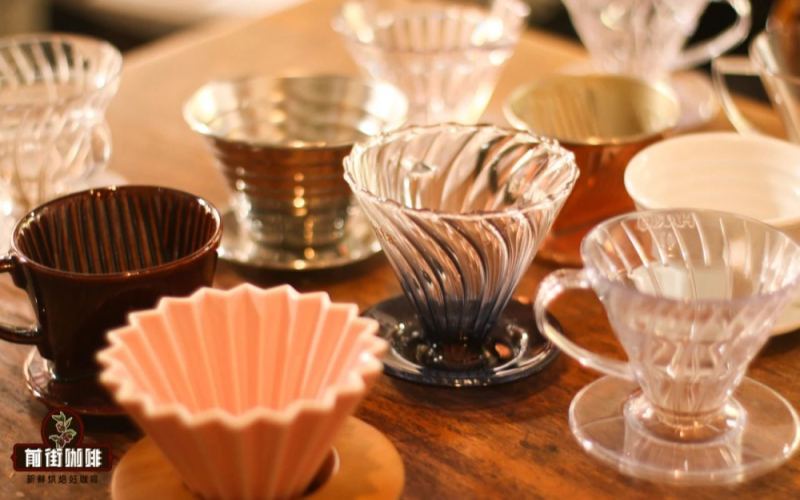
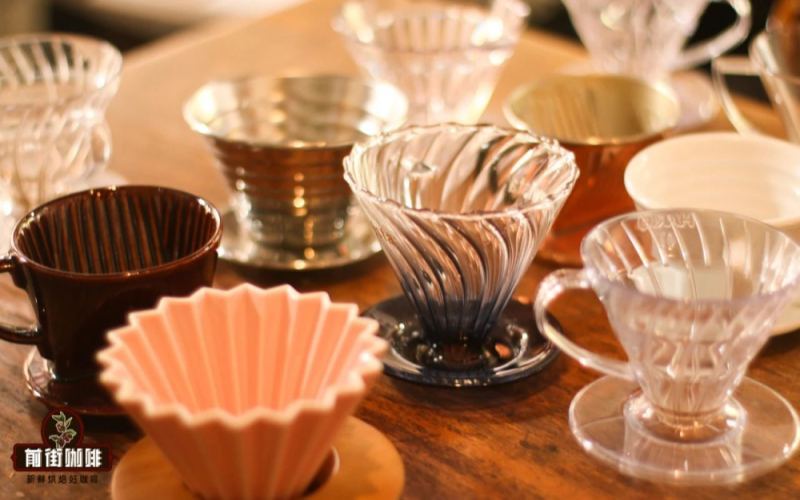
The Complete Guide to Pour-Over Coffee Dripper Selection: Common Types, Material Differences, and Brewing Compatibility Guide
In the toolkit of pour-over coffee gear, the dripper plays a pivotal role. With the third wave of coffee and the growing popularity of single-origin specialty beans, pour-over brewing rose in Japan and swept the globe. Getting started with pour-over isn't complicated—all you need is a gooseneck kettle, filter paper or a metal mesh, a dripper, and ground coffee. Yet the sheer variety of drippers often leaves beginners at a loss. This article systematically breaks down the structural features and flow-rate differences of mainstream drippers—wedge, cone, origami, wave, and metal—analyzes how different materials affect heat retention, and, drawing on brewing practice with a range of Front Street beans, explains how dripper choice shapes a coffee's balance, body, and aromatic layering, offering enthusiasts a practical reference. [more…]
Filter Cup Buying Guide: How Material, Flow Rate, Shape, and Functional Design Affect Pour-Over Coffee Flavor
The popularity of pour-over coffee is inseparable from the dripper, a key piece of equipment. From Mrs. Melitta's accidental experiment with blotting paper and a copper bowl to today's dazzling array of drippers, choosing a suitable one has become a source of confusion for many coffee lovers. Front Street Coffee starts from four dimensions—material, flow rate, appearance design, and functional design—and, combining hands-on testing data with in-store experience, analyzes the specific effects of different drippers on extraction temperature, water flow speed, and coffee flavor layers. Whether you seek stability and beginner-friendliness or wish to finely control the direction of flavor, this article will provide you with practical purchasing ideas and references. [more…]
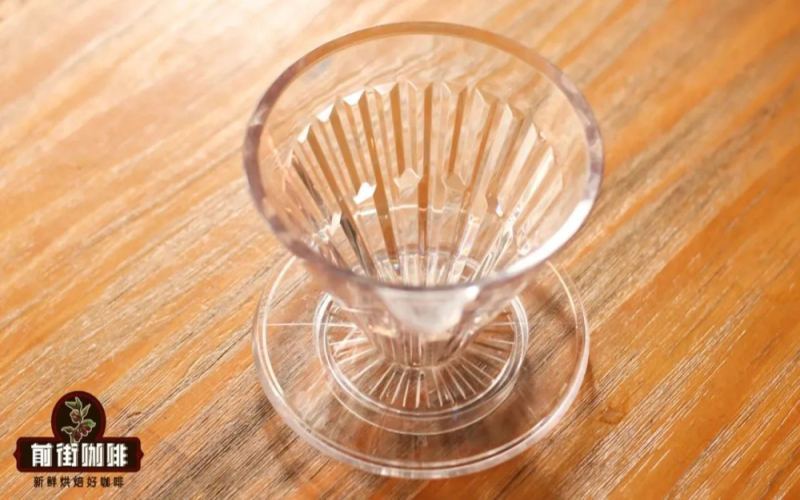
Detailed Explanation of Flavor Differences and Pour-Over Techniques Between Ice Eye Dripper and V60 When Brewing Costa Rican Coffee
Would you like to understand the flavor differences between brewing Costa Rican coffee with the Ice Eye dripper and the V60 dripper? This article starts with the structural characteristics of the drippers, compares in detail the extraction principles of the Ice Eye dripper and the V60 dripper, and presents the different flavor performances brought by the two drippers through actual brewing tests with Front Street Strawberry Candy coffee beans. We will also share our experience using the Ice Eye dripper and offer brewing suggestions for different coffee beans. Whether you are a coffee beginner or a seasoned enthusiast, you can find practical methods here to improve your pour-over skills. [more…]
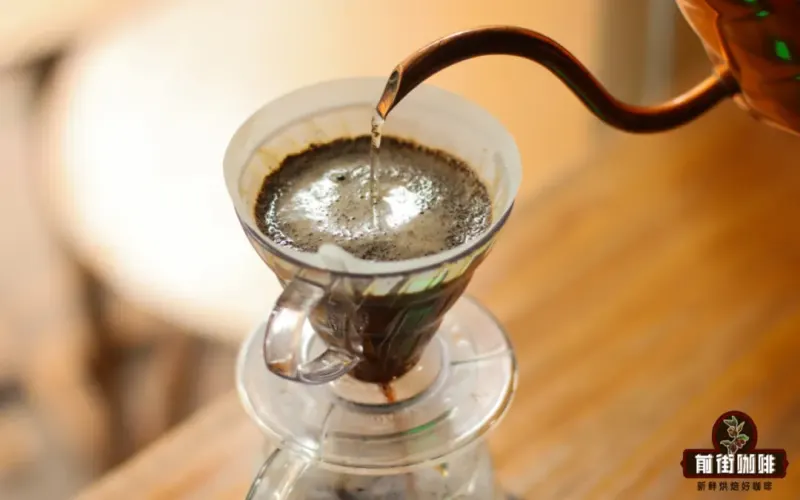
How Does Coffee Dose Affect Flavor in Pour-Over? Differences Between 01 and 02 Drippers and Brewing Techniques for Small Drippers with Large Doses
Many coffee enthusiasts have found during brewing that simply adding a little more coffee grounds causes a noticeable decline in the resulting flavor. The reason behind this often lies in the amount of grounds exceeding the reasonable capacity of the current dripper, while the brewing technique has not been adjusted accordingly. This article will focus on the suitable grounds amounts for the two common dripper models, 01 and 02, analyzing the specific effects of too much or too little coffee on extraction uniformity, flow rate, and the final flavor. At the same time, for scenarios where you only have a small dripper on hand but need to brew a large amount of coffee, it provides a complete solution including coarsening the grind size, slightly adjusting the water temperature, and pouring techniques, and offers practical reference suggestions based on Front Street Coffee's standard parameters. [more…]
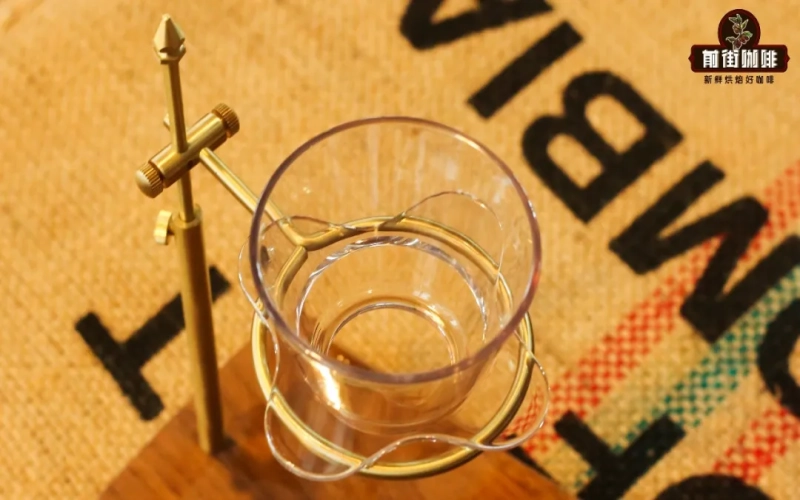
How to Choose Between a Flat-Bottom and a V60 Conical Dripper? Hand-Brew Parameters and Practical Analysis of the Large-Hole Cake Dripper
In the world of pour-over coffee, the shape of the dripper often determines the structure of the coffee bed and the direction of extraction. Flat-bottom drippers and V60 conical drippers each have their own followers, while the large-hole flat-bottom drippers that have emerged in recent years have attracted considerable attention for their combination of immersion and percolation characteristics. This article will compare the differences between the two types of drippers from the perspectives of coffee bed distribution, flow rate, and extraction balance, and, using Front Street Yirgacheffe Gutingding as an example, share in detail the adjustment approach for brewing parameters and practical techniques for the large-hole flat-bottom dripper, helping you find a brewing solution that suits you better. [more…]
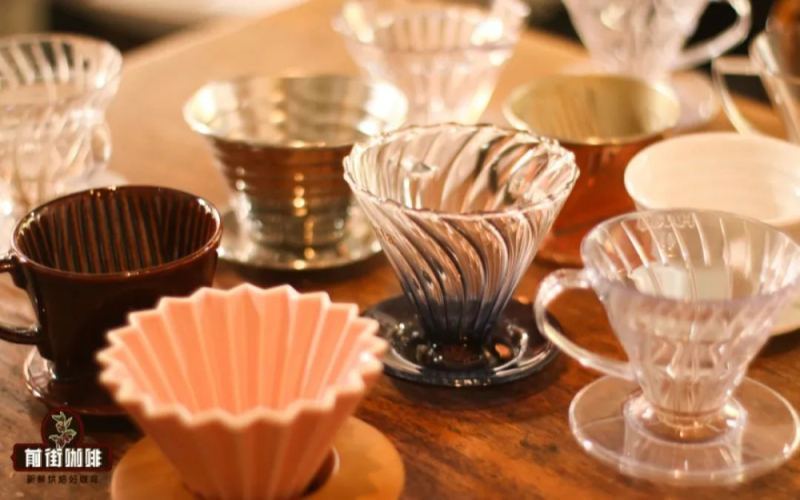
Should pour-over parameters be adjusted according to differences in dripper shape and flow rate?
In the practice of pour-over coffee, many enthusiasts directly apply common brewing frameworks, such as controlling the total extraction time to around two minutes. But in actual brewing, the same parameters may show significant time deviations due to different drippers. What exactly is going wrong behind this? The shape of the dripper, the size of the holes, and the distribution of the flow-guiding ribs all change the drainage speed, which in turn affects the final flavor. This article compares the measured performance of the V60 and the cake dripper to explore a core question: when facing drippers with different flow rates, must we re-plan the brewing framework? And how should we view the parameter of extraction time? [more…]