







How Do Dripper Coffee Specifications Change the Cup?
Dripper numbers describe capacity: 01 suits one to two servings with a recommended dose of 13 to 20 grams, ideally 15 to 17 grams, while 02 covers three to four servings. Exceeding the dose the dripper can hold throws off extraction uniformity and flow rate, so the cup tastes noticeably worse even when only a few extra grams are added.
Too little coffee means fewer coffee particles build the grounds bed, so water can bypass the coffee and fall straight into the server. Too much compresses the bed and slows flow. When only a small dripper is on hand for a large dose, grinding coarser, easing the water temperature and adjusting the pour keep the brew workable.
Many coffee enthusiasts have found during brewing that merely adding a little more coffee grounds causes the flavor of the final cup to take a noticeable dive. The reason behind this often lies in the dose exceeding the reasonable capacity of the current dripper, while the brewing technique has not been adjusted accordingly. This article will focus on the suitable dose ranges for two common dripper models, 01 and 02, analyzing the specific effects of too much or too little coffee on extraction uniformity, flow rate, and final flavor. At the same time, for scenarios where you only have a small dripper on hand but need to brew a large dose, it provides a complete solution including coarsening the grind, slightly adjusting the water temperature, and pouring technique, along with practical reference suggestions based on Front Street Coffee's standard parameters.
The flavor deviation is often more than just a little off, so many friends wonder: it's just a few extra grams of coffee, how did the brew end up tasting worse?
The reasoning is actually not complicated—once the dose exceeds what the current dripper can properly hold, and the brewing technique hasn't been adjusted accordingly, the final cup naturally struggles to deliver an ideal flavor.
What are the differences in capacity among different drippers? The numbers 01 and 02 represent the volume specifications of the dripper. 01 corresponds to a small dripper for 1 to 2 servings, while 02 is a large dripper for 3 to 4 servings. Most enthusiasts have the 01 model on hand, since daily brewing is mostly for a single cup.
Each dripper model has its own suitable dose range. For example, the recommended dose for the 01 dripper is 13 to 20 grams, with 15 to 17 grams considered the optimal range.

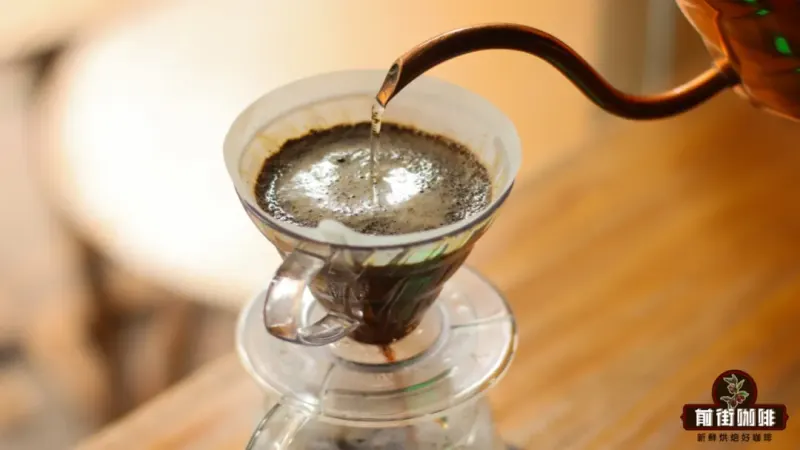
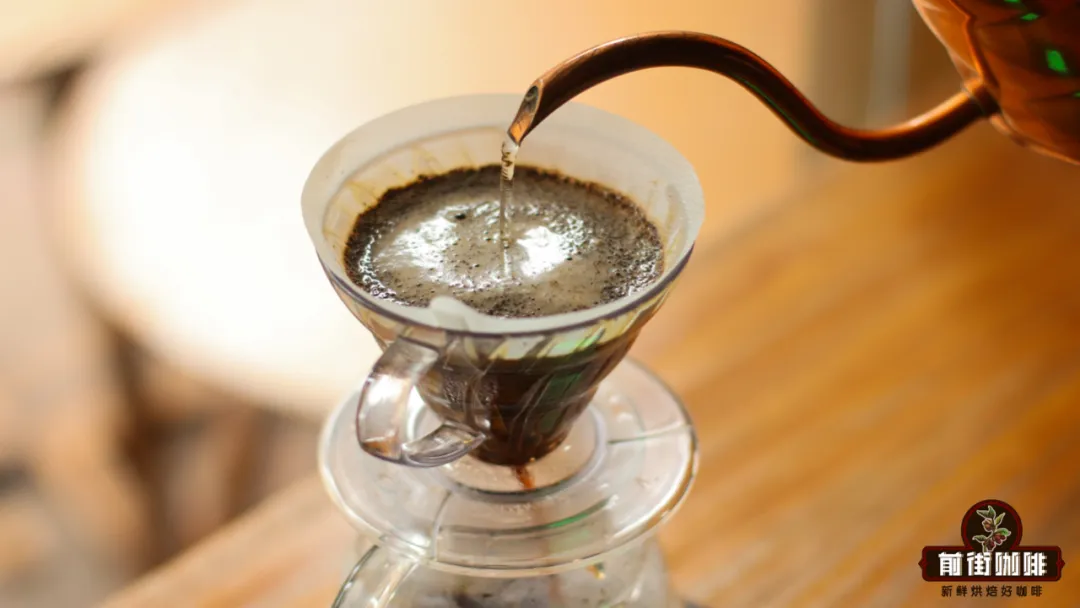
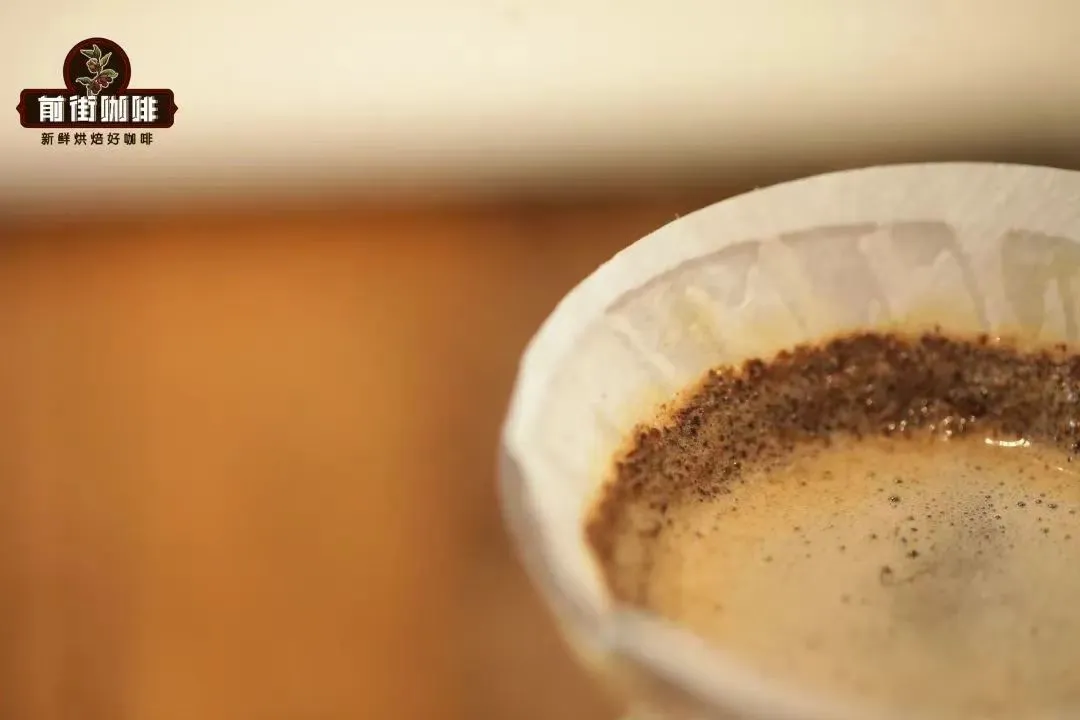
During pouring, most of the coffee grounds on the surface rise with the water level, then gradually retreat as hot water seeps outward, eventually piling up along the walls of the dripper to form a "coffee wall." This "position shift" reduces the thickness of the central coffee bed, making extraction more even.
But if too little coffee is used, there won't be enough grounds to build a coffee wall during brewing, and some hot water may fall directly into the server without contacting the coffee, creating bypass water and dragging down the flavor of the entire cup. Conversely, if too much coffee is dosed, even though most grounds can successfully cling to the inner walls of the dripper, the coffee bed in the center will still be very thick.
The thicker the coffee bed, the more coffee the hot water needs to pass through—in other words, it takes longer for the water to seep out. If you still brew the same way as before, the coffee will most likely over-extract. This is both because the flow rate slows down and because the dripper's capacity limits the amount of water you can pour, forcing you to pour in multiple stages, further prolonging the extraction time and making over-extraction more likely.
Some friends might ask: "So does that mean if I want to brew a large dose well, I have to switch to a bigger dripper?"
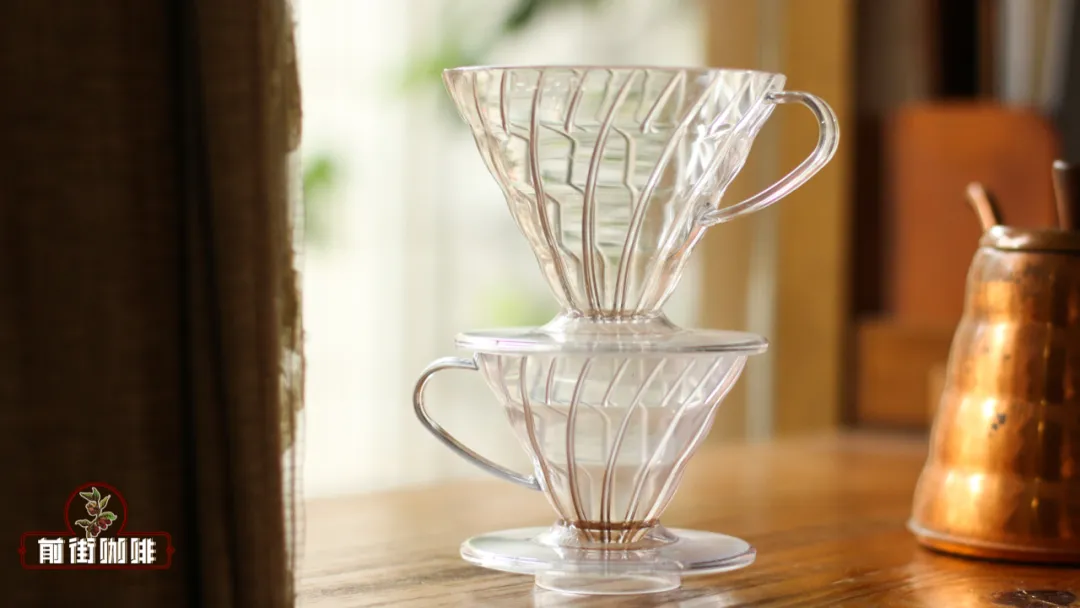
If the dose is kept around 20 grams, the 01 dripper is perfectly adequate, because the suitable dose for the 01 model is exactly 13 to 20 grams. But if it exceeds 20 grams, switching to a larger dripper is naturally best when conditions allow. If you don't have a larger dripper on hand, there's no need to force it—just adjust your brewing method and extraction parameters.
So how do you brew a large dose with a small dripper? The method is simple: adopt a coarse grind and fast brewing strategy. Since an excessive dose slows down water seepage, just coarsen the grind to widen the gaps between coffee particles, and the flow rate will return to normal.
The coarsening adjustment doesn't need to be large—just go 0.5 notch coarser than your original setting. Take a medium-light roasted coffee bean as an example: Front Street Coffee's regular brewing uses an ek43 setting of 10, with an 80% passing rate through a No. 20 sieve, and a coarseness close to fine granulated sugar. If you want to brew 25 grams of coffee, coarsen to an ek43 setting of 10.5, at which point the passing rate through the Chinese No. 20 standard sieve is 75%, and the particle size falls between fine and coarse granulated sugar.
As the particle size increases, extraction efficiency will drop somewhat. We can pay attention to the flow rate and flavor performance. If the flow rate is close to normal and the flavor isn't bad, then this formula can be used directly. If the flow rate is noticeably too fast, you'll need to raise the water temperature to compensate for extraction efficiency and avoid under-extraction.
Just raise the water temperature by 1 to 2 degrees Celsius above the original setting; the specific amount depends on the grind size and extraction time. At the same time, use a strong stream of water to evenly push a large amount of coffee grounds onto the walls of the dripper, making extraction more uniform. After making this series of adjustments, even a small dripper with a large dose can brew delicious coffee.
The above content is compiled by CoffeeHunters, a coffee news website.


