







Does the Hario Pegasus change how a coffee bean name tastes?
Hario's Pegasus dripper looks like a trapezoidal dripper but swaps vertical ribs for twelve spiral ribs, giving flow close to a V60, and adds a flat oval bottom with two holes for more even extraction. Brewed beside a V60 with the same Finca El Diviso Sidra beans, it produced softer acidity.
The oval floor is why it is called the boat-shaped dripper, and it takes standard trapezoidal paper with a slightly looser fit. Scale lines on the wall help with dosing. Grind still counts: matching particle size of a coffee bean, roughly the size of a coffee bean ground fine or coarse, changes results on any dripper.
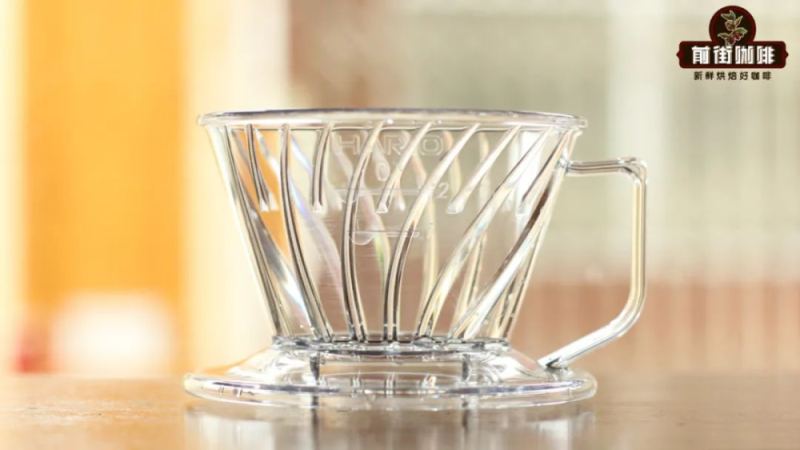
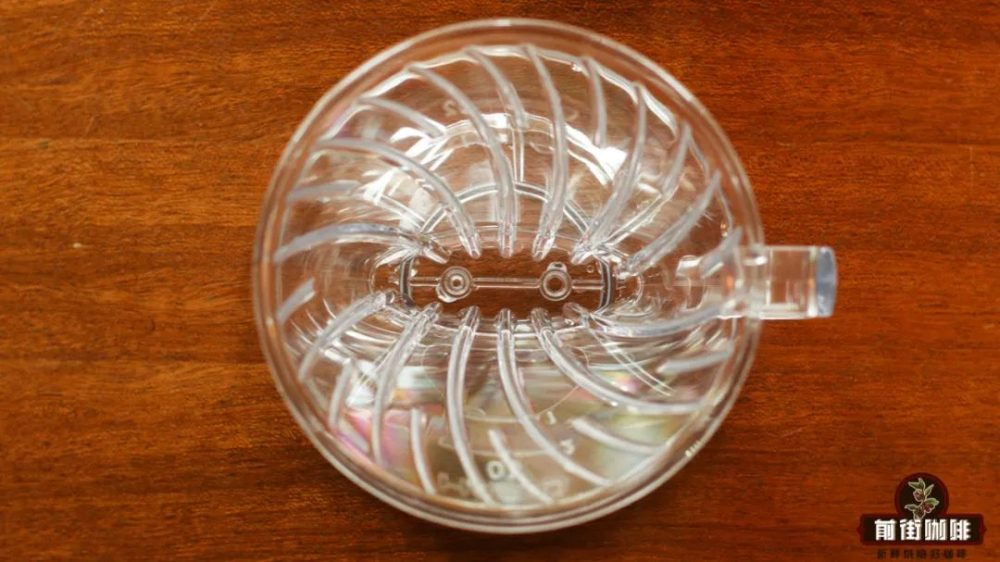
In addition to the V60, Hario also released a uniquely shaped Pegasus dripper. It looks similar to a trapezoidal dripper, yet it has undergone significant improvements in the diversion ribs, bottom structure, and dripper holder design. The spiral diversion ribs bring a flow rate close to that of the V60, while the flat-bottom dual-hole design makes extraction more even. From above, the oval bottom looks very much like a small boat, which is why it came to be called the boat-shaped dripper. Front Street Coffee used this dripper for a comparative brew with the V60. Using the same Finca El Diviso Sidra coffee beans, the flavor direction was similar, but the Pegasus dripper produced a softer acidity. This article fully breaks down its structural features, filter paper compatibility, the purpose of the scale lines, and the convenience and shortcomings in actual brewing.
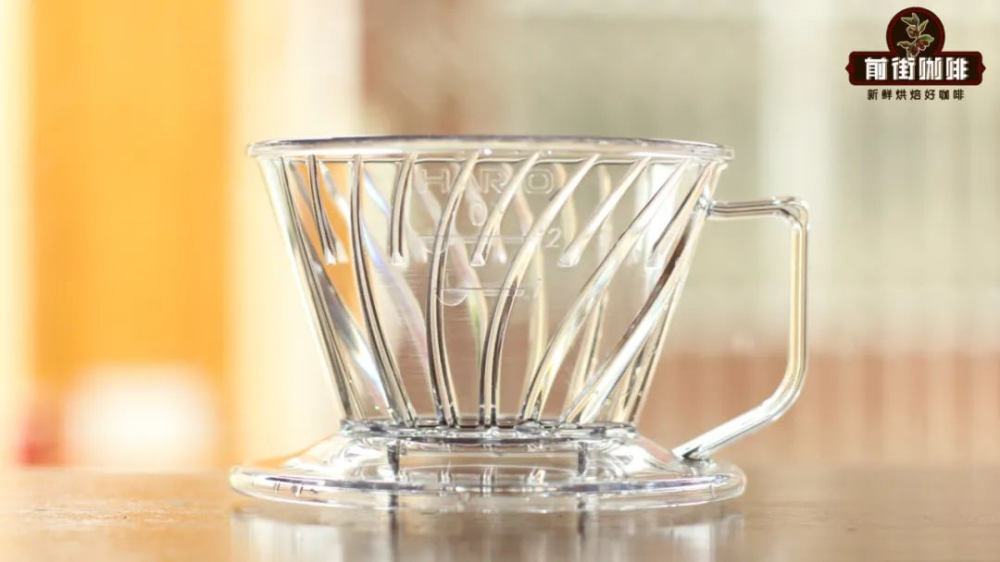
Pegasus Dripper This dripper also comes from Hario, the inventor of the V60, and belongs to the Pegasus series, made of resin. Judging by appearance alone, its inverted trapezoidal structure—wide at the top and narrow at the bottom—makes it immediately fall into the trapezoidal dripper camp at first glance. However, upon closer inspection, almost every part of its construction declares that it is different from conventional trapezoidal drippers.
Diversion ribs: The first thing to draw attention is the wall of the dripper. Traditional trapezoidal drippers usually use vertically downward diversion ribs, but the Pegasus dripper adopts a spiral curve design similar to the V60, also with 12 ribs. This structure gives it more ample space for air release and a faster flow rate. Actual testing also confirmed this—the flow rate of the Pegasus dripper is almost on par with the V60.
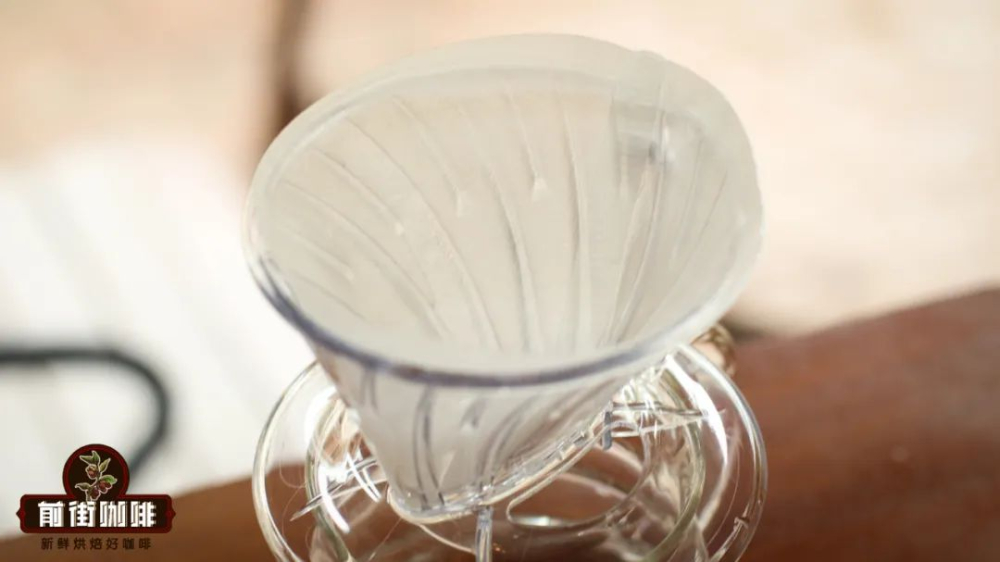
Although the diversion ribs have been modified, it is ultimately still a trapezoidal dripper, so trapezoidal filter paper can be used directly, though the fit will be slightly compromised.
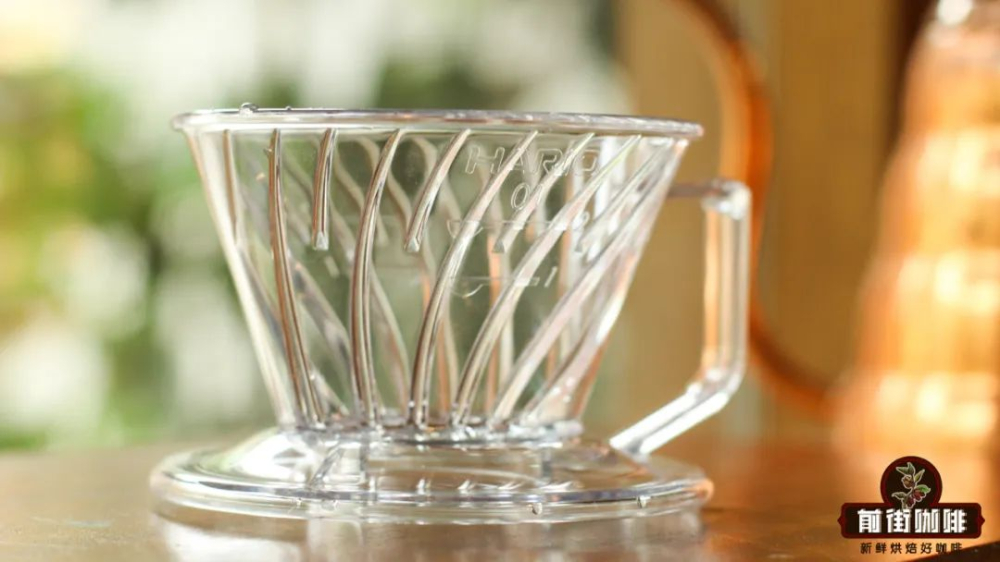
Bottom: The second difference lies in the bottom of the dripper. The Pegasus dripper uses a flat bottom with a dual-hole design. The flat bottom helps reduce large accumulations of coffee grounds in one spot, making extraction more even; the dual holes ensure the seepage rate of the coffee liquid. Because the bottom is oval, it looks very much like a boat when viewed from above. Front Street speculates that the name "boat-shaped dripper" likely comes from this.
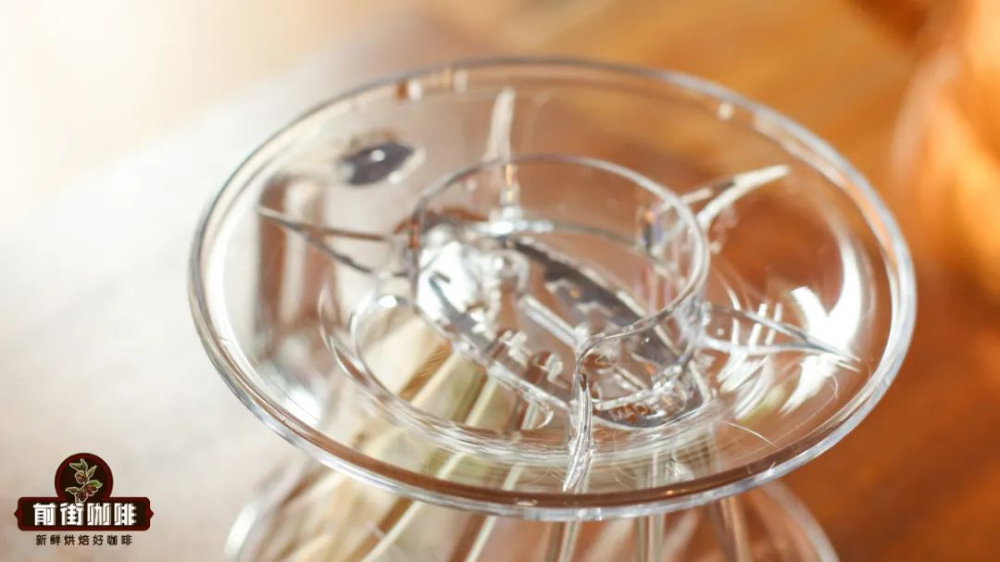
Dripper holder: The holder design is quite unique. The holder of this dripper, together with the support below it, has a relatively large opening cut into it. The purpose of this opening is to allow the brewer to observe the flow more directly so they can adjust the brewing strategy in time.
Easter egg on the body: The front body of the Pegasus dripper has two scale lines. Front Street purchased the 01 model, and the two scale lines correspond to the coffee dose positions for 1 serving and 2 servings respectively. Without a digital scale, these two lines can help estimate the weight of coffee grounds, making it easier to find a suitable brewing plan. (The 1-serving line is 15g, and the 2-serving line is 20g)
Next, let's put it into actual use and see what characteristics coffee brewed with the Pegasus dripper will present. Pegasus Dripper Brewing Experiment For this brew, Sidra coffee beans from Finca El Diviso were selected, with a dose of 15g, a coffee-to-water ratio of 1:15, a grind size of 85% passing a No. 20 sieve, ek43 setting 9.5, water temperature 92°C, using a three-pour brewing method. Similarly, first use twice the coffee dose in water (30ml) for a 30-second bloom, then pour the second stage of hot water, 110ml, in a small stream in a large circular pattern (oval circle). When the water level is about to reach the bottom, pour the final stage of hot water, 85ml, in a larger stream in a small circular pattern.
This Sidra took 1 minute 57 seconds to brew with the V60, with flavor notes of grape, passion fruit, and apricot. The overall acidity was bright and elevated, and the fermentation aroma was relatively intense. When switched to the Pegasus dripper, the brew took 1 minute 53 seconds, and the flavor presentation was almost identical. The difference was that the Sidra brewed with the Pegasus dripper had less prominent acidity and was overall softer. During the brewing process, Front Street also discovered one inconvenience: if you want to take advantage of the observation effect brought by the holder opening, you cannot brew from the front.
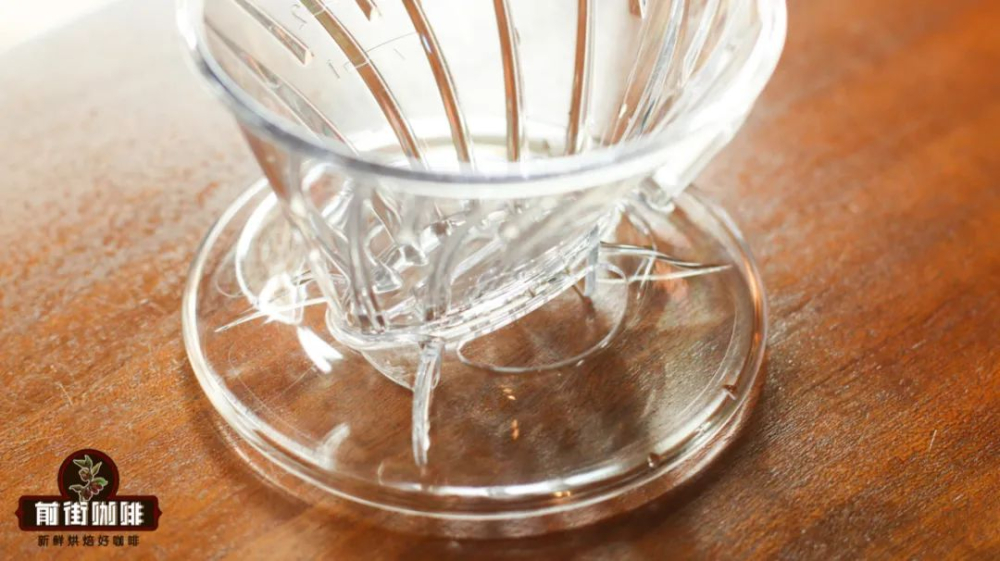
The reason is that if the dripper is placed upright for brewing, although you can directly observe the state of the liquid stream through the opening, when pouring water at a lower water level, the neck of the kettle will hit the handle of the dripper, interfering with brewing. Therefore, you either have to give up observing the liquid stream and pour from a different direction (the opening is only on one side), or slightly turn the dripper body sideways, so that you can both observe the flow and avoid knocking against the handle and affecting operation. However, this requires changing your circling habit, which is somewhat awkward.
Overall, this dripper performs quite well. The price is affordable, and the coffee it brews also presents good flavor. Friends who want to get one and try it out can buy it with confidence. (Finally: this is still not an advertisement.)
The above content is compiled by CoffeeHunters, a coffee news website.


