







Search Results for: direct heating
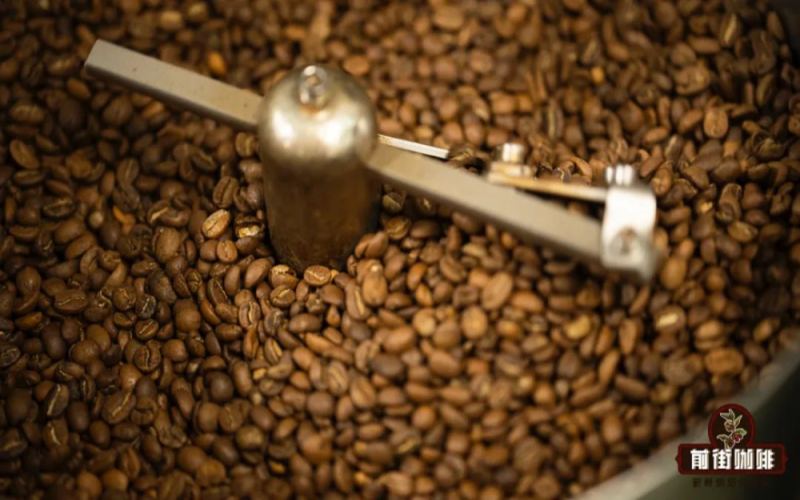
Coffee Bean Roasting for Beginners: A Complete Guide to Equipment Selection, Differences in Heat Transfer Methods, and Core Terminology
Want to learn how to roast coffee? Start by getting to know the tools and the terminology. Roasting coffee beans looks as simple as stir-frying vegetables, but doing it well requires a solid foundation of knowledge. In this article, Front Street Coffee will walk you through several common coffee roasting devices—direct-fire, semi-direct-fire, and hot-air roasters—covering their respective heat transfer principles, advantages, and drawbacks. At the same time, we'll systematically sort out the professional terms that come up during roasting, including charge point, turning point, yellowing point, first crack and second crack, as well as stage concepts like the drying phase, browning phase (Maillard), and development phase. Mastering this foundational knowledge is an important prerequisite for actually roasting beans, judging the roasting pace, and controlling the direction of flavor—and it can help you avoid detours and roast a good batch of beans faster. [more…]
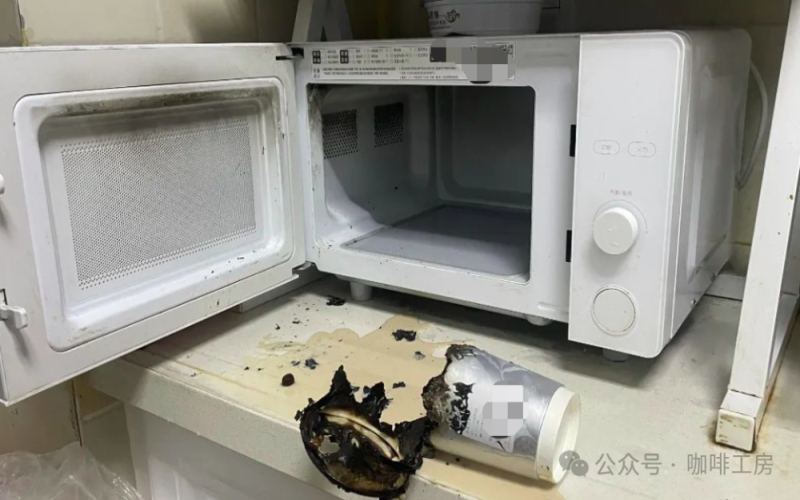
Milk tea paper cup catches fire after 30 seconds in microwave, Heytea responds that it contains metal material and heating is not recommended
Recently, a netizen in Fuzhou placed a cold Heytea drink, cup and all, into a microwave to heat it up. Just 30 seconds later, flames erupted inside the microwave, and the upper half of the cup was burned. The person involved described that halfway through heating, the microwave suddenly began crackling, and the moment it was opened, flames burst out. The fire only went out after the cup was knocked over with a spatula. Heytea customer service responded that the drink uses a paper cup containing metal materials, which is not suitable for microwave heating. In fact, many milk tea lovers on social media have a habit of directly heating milk tea, and similar dangerous incidents are not isolated cases. Whether brands should label packaging with microwave use warnings has also sparked discussions among consumers and legal professionals. [more…]

Choosing beans for a Bialetti moka pot by roast level: pairing flavor with heat like this
Coffee brewed with a Bialetti moka pot is strong and aromatic, and the roast level of the beans directly affects how it tastes. Light roasts tend to show bright acidity and fruity notes, medium roasts more easily produce sweetness and balance, and dark roasts offer cocoa, nutty notes, and a heavy body. To get the hang of using a moka pot, you can start with the roast level [more…]
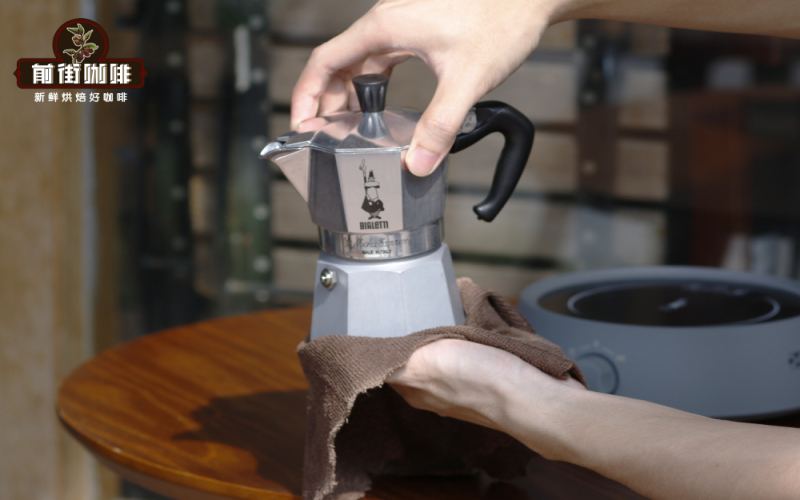
Moka Pot Safety Analysis and Correct Usage: A Complete Guide to Open-Flame Heating, Grind Size, Coffee-to-Water Ratio, and When to Turn Off the Heat
The moka pot is a staple piece of equipment in many coffee lovers' homes, but there are also plenty of questions surrounding it: Are there safety hazards? Can it be heated directly over an open flame? And how should it be operated correctly to brew a rich cup of coffee? Starting from the actual confusion of Front Street fans, this article systematically sorts out the moka pot's structural principles, the differences between single-valve and double-valve models, and capacity selection, and explains in detail the key points of coffee bean selection, grind size control, coffee-to-water ratio, heating method, and timing for turning off the heat. The article also recommends three coffees suitable for the moka pot—Front Street Coffee's specialty blend, Queen's Estate Yellow Bourbon, and Indonesian PWN Golden Mandheling—for readers to consider when purchasing. [more…]
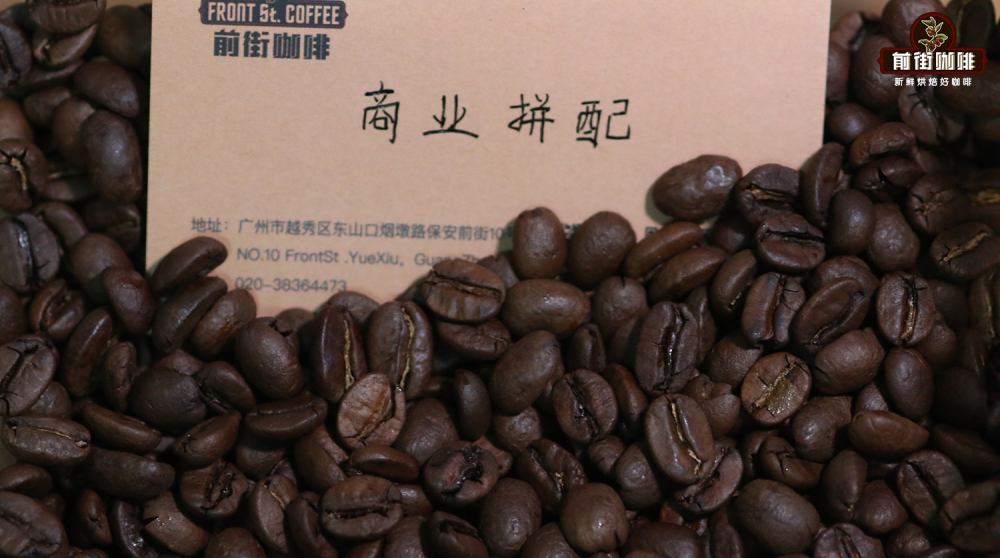
Comparison of Eight Coffee Bean Roast Levels|How do different roast levels affect coffee flavor? What is the specific process for roasting coffee beans?
Anyone who drinks coffee regularly knows that coffee beans come in different roast levels, and the flavor and mouthfeel they present are all different. As a café that roasts its own beans, Front Street has dozens of batches of coffee beans to roast every day. We know the flavors of light-roasted Yirgacheffe, medium-roasted Brazilian coffee, and the like like the back of our hand, and we also need to [more…]
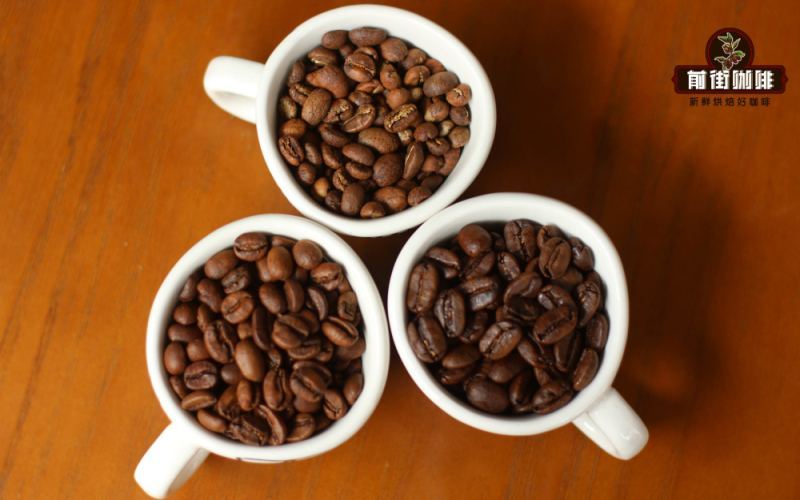
From Light to Dark: A Comprehensive Analysis of Eight Coffee Roast Levels and a Practical Operational Guide
Coffee roasting is the core step that determines the flavor direction of a cup of coffee. From green beans to the drink in your cup, the degree of roast directly governs the balance of acidity, sweetness, and bitterness. This article systematically sorts out eight common roast levels, the working principles of three types of coffee roasters, and the mechanisms by which caramelization and the Maillard reaction shape flavor. It also records in detail Front Street Coffee's operational procedures and curve management experience in actual roasting, helping coffee enthusiasts build a complete cognitive framework from theory to practice. [more…]

How to Choose Coffee Beans for a Moka Pot? A Complete Guide to Grind Size and Bialetti Extraction Flavor
The moka pot, with its ability to be heated directly and its low barrier to operation, has become a popular pressure-extraction device for camping and home use. However, to achieve ideal flavor expression, the roast level of the coffee beans, the grind size, and the quality of the pot are all crucial. This article will start from the structural principles of the moka pot, explain why medium-dark to dark roasted beans are more suitable, and provide specific single-origin and blend recommendations from the Front Street brand. It also includes the complete operating steps from pouring water and filling coffee grounds to finishing heating, helping coffee enthusiasts stably extract a full and rounded espresso outdoors or at home. [more…]
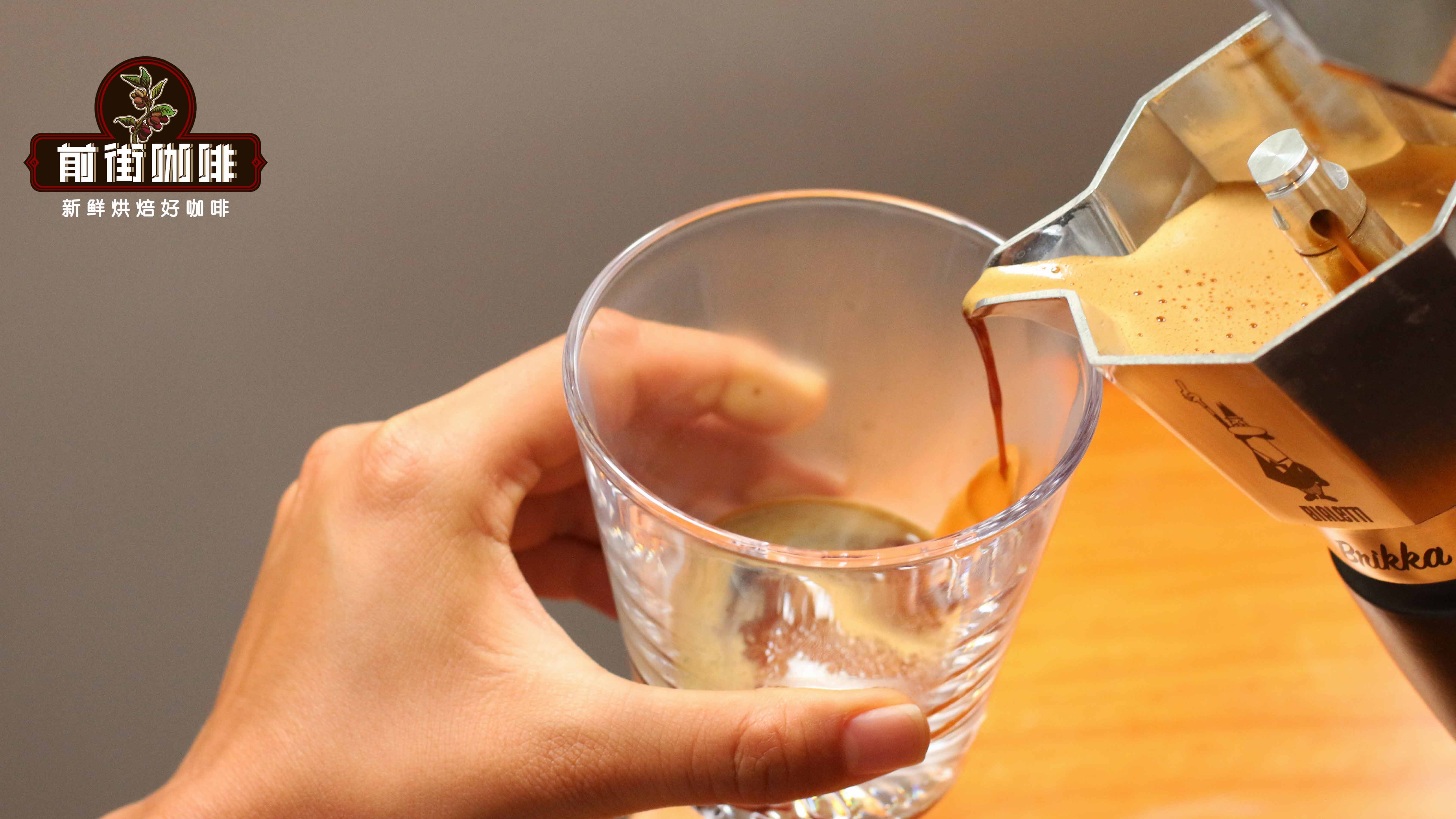
How much water should you add when brewing coffee with a moka pot? Can it be placed directly on the stove to heat? A complete operating guide
The moka pot is a popular choice among home coffee enthusiasts, favored for being compact and portable, easy to operate, and capable of producing rich coffee close to espresso. But many people have questions when using it: exactly how much water should be added? Can it be placed directly on the stove to brew? This article will provide a detailed breakdown of the correct moka pot operating process, from coffee bean selection, grind size, and filling method to heating and extraction. At the same time, we will also introduce two beans suitable for the moka pot, Front Street Coffee's Classic Blend and Brazil Queen's Estate, to help you easily make a cup of rich, full-bodied moka pot coffee. [more…]

Moka Pot Coffee Extraction Flavor and Mouthfeel | What Coffee Beans Should You Use to Make Moka Pot Espresso-Style Black Coffee? What Grind Size Should Be Used for Bialetti Moka Pot Coffee Powder?
As camping gains popularity among the younger generation, many people bring coffee gear that can be heated directly on a portable gas stove to enhance the outdoor atmosphere, making the moka pot one of the must-have coffee devices for many camping enthusiasts. One reason the moka pot is so popular is that it can be placed directly on [more…]

Moka Pot Recommendations | What Coffee Beans Are Suitable for a Bialetti Moka Pot? What Are the Requirements for Coffee Ground Size in a Moka Pot? How Does Moka Pot Coffee Taste When Extracted?
As camping becomes increasingly popular among the younger generation, many people bring coffee gear that can be heated directly on a portable gas stove to enhance the atmosphere of outdoor activities. As a result, the moka pot has become one of the must-have coffee tools for many camping enthusiasts. One reason the moka pot is so popular is that it can be [more…]
Camping Coffee Gear Guide: A Full Breakdown of Moka Pot Coffee Bean Roast Levels and Grind Size
The moka pot, with its advantage of being directly heated and having a low barrier to operation, has become a popular pressure-based coffee device for camping and home use. However, during extraction, the water temperature is close to boiling and pressure is involved, which places specific requirements on the roast level and grind size of the coffee beans. This article will start from the structural principles of the moka pot, explain why medium-dark to dark roasted beans are more suitable, and provide specific single-origin and blend recommendations from Front Street Coffee, along with complete usage steps and safety reminders, to help you consistently make a rich, full-bodied espresso even outdoors. [more…]
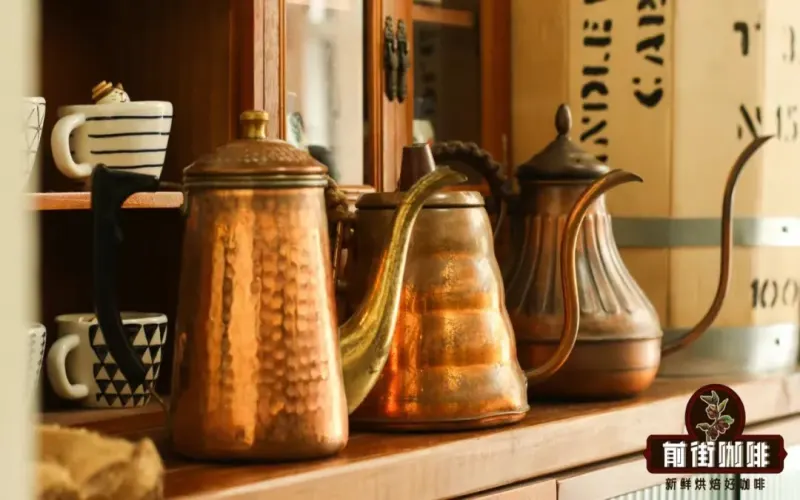
Pour-Over Coffee Kettle Buying Guide: Brand Comparison, Direct-Fire Heating Feasibility, and Pouring Techniques Explained
Faced with a dazzling array of pour-over kettles, choosing a handy piece of equipment has become a puzzle for many coffee lovers. Starting from real-world usage scenarios, this article systematically sorts out the key points for buying a pour-over kettle, answers the common question of whether it can be heated directly, and shares pouring techniques and usage tips. At the same time, combined with the product characteristics of Front Street Coffee, it helps readers find a choice that balances function and value for money among diverse styles, enhancing the daily pour-over experience. [more…]
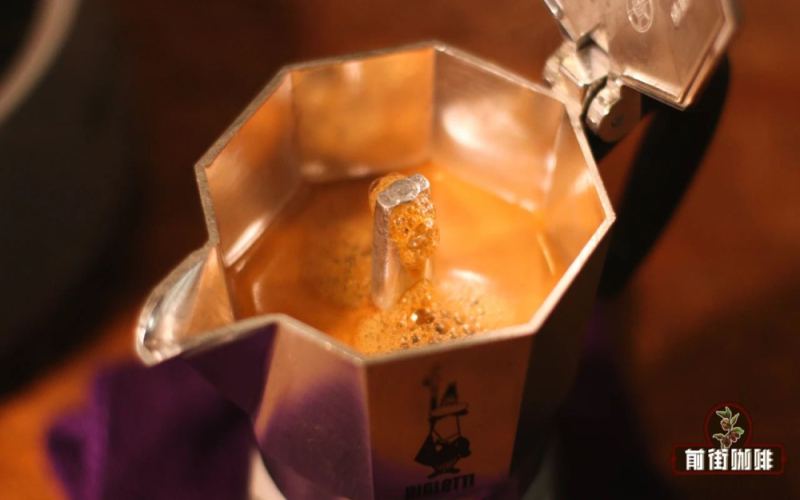
The Complete Moka Pot Brewing Guide: Extraction Principles, Step-by-Step Operation, and When to Turn Off the Heat—Why You Can't Drink the First Three Brews from a New Pot
The moka pot is a classic symbol of Italian coffee culture, and it can be found in nearly every Italian kitchen. In recent years, with the rise of camping and home brewing trends, this simple device that only needs a heat source has regained attention among coffee enthusiasts. This article starts with the history and extraction principles of the moka pot, explains how it uses steam pressure to extract a rich flavor close to espresso, and systematically sorts out the key operating points from grinding, filling water, and loading coffee to heating and turning off the heat. It also answers a common question: why the first three brews from a new moka pot are not recommended for drinking. The article also combines Front Street Coffee's bean recommendations to give directions for blends and single-origin choices suitable for the moka pot. [more…]
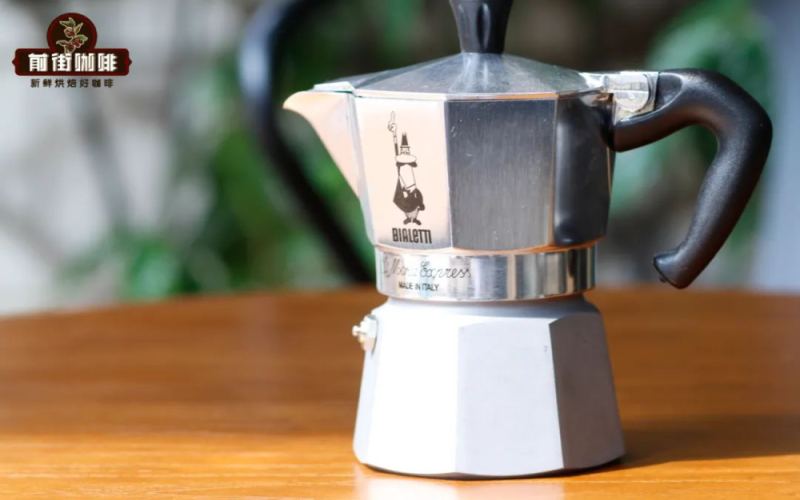
How to Fix Bitter and Astringent Coffee from a Moka Pot? A Complete Guide from Bean Selection to Operation
Since its invention by Italian Alfonso Bialetti in 1933, the moka pot has remained a classic device for brewing rich coffee in European households. However, many people encounter the problem of bitter and astringent coffee when using it, which is often closely related to the operating method, coffee bean selection, and grind size. This article will systematically explain the moka pot's structural principles, bean selection recommendations, detailed operating steps, and solutions to common problems, helping you easily extract moka pot coffee with abundant oils and a mellow taste. Whether you are a beginner just starting out or an enthusiast looking to improve extraction quality, you will find practical guidance here. [more…]
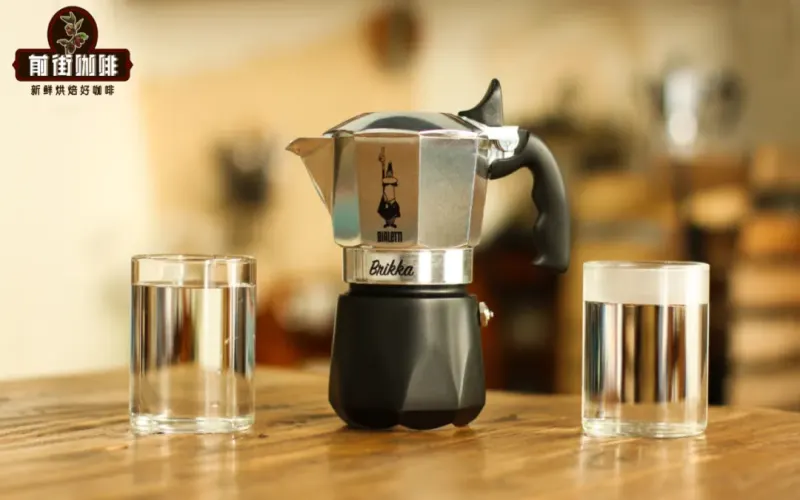
Moka pot: cold water or hot water? A hands-on comparison of heating time, sputtering, and bitterness differences
The Moka pot, with its compact size, simplicity, and affordability, has become the go-to home brewing device for many coffee enthusiasts. But in actual use, one repeatedly raised question has always puzzled people: when making Moka pot coffee, should you use cold water or hot water? The choice of water temperature not only affects the length of heating time, but also directly influences the final coffee flavor. Front Street conducted a controlled experiment, using cold water and hot water respectively to brew Moka pot coffee, recording the two's outflow time, extraction state, and taste presentation. This article will present the complete experimental process and results, analyze the causes of the sputtering phenomenon, and explain why Moka pot coffee made with cold water is more prone to bitterness, finally offering targeted operating recommendations. [more…]
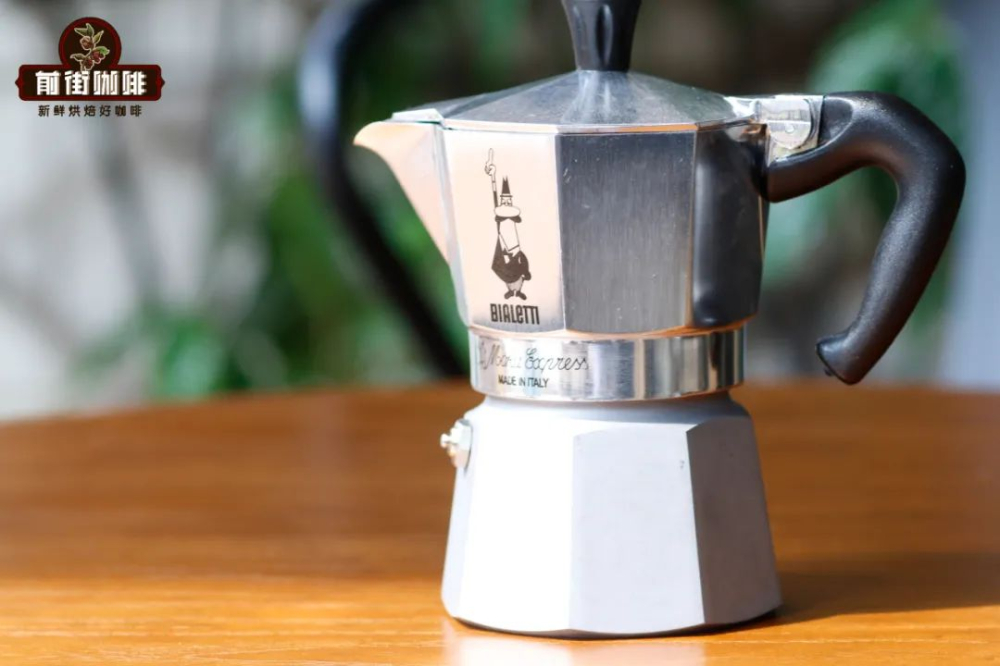
Moka Pot Tutorial with Diagrams | How to Brew Espresso-Style Black Coffee at Home with a Moka Pot? Recommendations for High-Quality, Low-Acidity, Sweet-Finish Coffee Beans for Bialetti Moka Pots
The moka pot is a device that extracts rich coffee through heating and pressurization. It was invented in 1933 by the Italian Alfonso Bialetti, and is mainly popular in European countries, especially in its country of origin, Italy, where the vast majority of households have a moka pot at home. [more…]
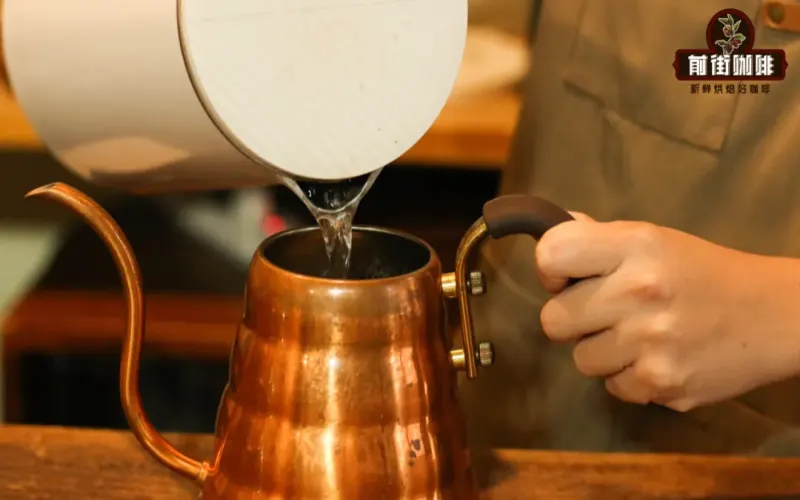
How to Choose a Pour-Over Coffee Pot? What Capacity Should You Pick? Can It Be Heated Directly? Everything Explained in One Article
Many friends who are just getting into pour-over coffee wonder: it's just brewing a cup of coffee, why do you have to use a specialized pour-over kettle? Can't an ordinary kettle pour water too? Is there really a hard-and-fast rule that you must use a pour-over kettle? What capacity should you buy? Can it be heated directly on the stove? This article addresses these frequently asked questions, first explaining that pour-over coffee actually has no mandatory requirement for a pouring tool, then comparing the differences between specialized pour-over kettles and tools like ordinary kettles, to help you understand what makes a pour-over kettle good, how to choose one, and what details to pay attention to when buying. [more…]
Bialetti Moka Pot Low-Acid Coffee Bean Selection and Grinding & Extraction Full Process Illustrated Guide
Since the moka pot was invented in 1933 by the Italian Alfonso Bialetti, it has been a common appliance in European households, especially in Italian kitchens. It works by heating the lower chamber to produce steam pressure, which pushes hot water through the layer of coffee grounds to extract a rich, full-bodied brew. To make a cup of coffee with a rich crema and a smooth mouthfeel using a moka pot, the freshness of the coffee beans, the choice of roast level, and the coarseness of the grind are all crucial. This article will focus on Front Street Coffee's freshly roasted specialty low-acid coffee bean recommendations for the Bialetti moka pot, the criteria for judging grind size, and the complete brewing process, providing coffee lovers with a practical guide to using the moka pot. [more…]

Fancy ways to make a latte with a moka pot: Should the milk go in the upper chamber or the lower chamber? Testing two unconventional extraction methods
The Moka pot, thanks to its pressurized extraction, can produce a fairly strong black coffee, and when combined with milk it becomes a simple version of a latte. The conventional method is to brew the coffee first and then add milk, but some people have proposed two unconventional approaches: one is to pour milk into the upper chamber and let the coffee liquid flow directly into the milk; the other is to use milk instead of water in the lower chamber and directly brew the coffee grounds with milk. Can these two methods actually produce a good-tasting Moka pot latte? Front Street decided to test them personally. This article first discusses how to choose coffee beans suitable for pairing with milk, then separately records the parameters, steps, and resulting flavors of the two "unorthodox" methods, for the reference of coffee enthusiasts. [more…]

How to Reheat Cold Coffee Without Ruining Its Flavor? A Taste-Test Comparison of Pour-Over Coffee Heated on an Electric Stove vs. an Alcohol Lamp
A cup of pour-over coffee, from steaming hot to completely cold, undergoes irreversible changes in both aroma and taste. When the coffee drops to room temperature, most of those pleasant aromatic compounds present at high temperatures have long since dissipated, so it naturally tastes much flatter. Since the flavor cannot truly be "revived," our next-best goal is to lock in as much of the remaining aroma as possible, so that the rewarmed coffee is at least not unpleasant to drink. Front Street tested two heating methods—an electric hot plate and an alcohol lamp—raising two pots of coffee, Butterfly and Typica, from room temperature to 50°C, recording the tasting impressions one by one, in an attempt to find a heating approach that balances drinkability and flavor retention. The following presents the complete comparison process and conclusions, along with other rewarming ideas worth trying. [more…]