







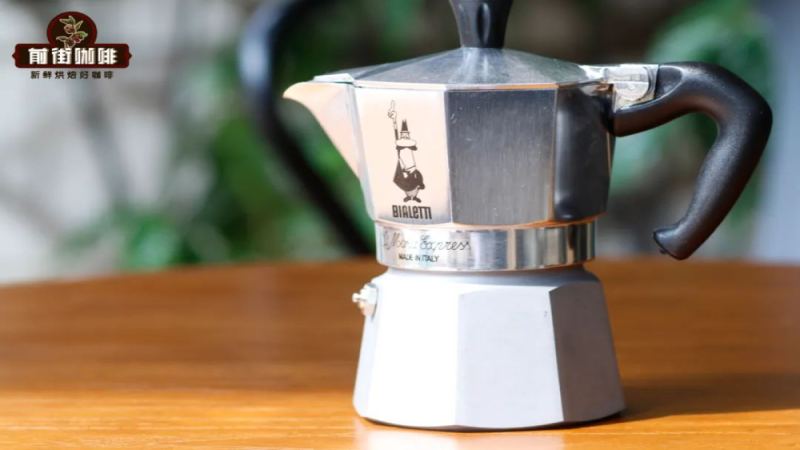
Why does moka pot coffee taste bitter or astringent?
Bitter, astringent moka pot coffee usually comes from the brewing method rather than the device itself. Common causes are a grind that is too fine, water that is too hot, packing the grounds, and leaving the pot on the heat after the upper chamber fills, all of which over-extract the coffee and pull out harsh, dry-tasting compounds.
The moka pot was created by Alfonso Bialetti in 1933 and uses steam pressure to push hot water up through the grounds. Keeping the heat low, filling the basket level without tamping, and removing the pot as soon as it gurgles keeps the cup rich and full-bodied rather than bitter.
Since its invention by Italian Alfonso Bialetti in 1933, the moka pot has remained a classic device for making strong coffee in European households. However, many people encounter the problem of bitter and astringent coffee when using it, which is often closely related to the operating method, coffee bean selection, and grind size. This article will systematically explain the structural principles of the moka pot, bean selection recommendations, detailed operating steps, and solutions to common problems, helping you easily extract rich, full-bodied moka pot coffee with abundant crema. Whether you are a beginner just starting out or an enthusiast looking to improve extraction quality, you will find practical guidance here.
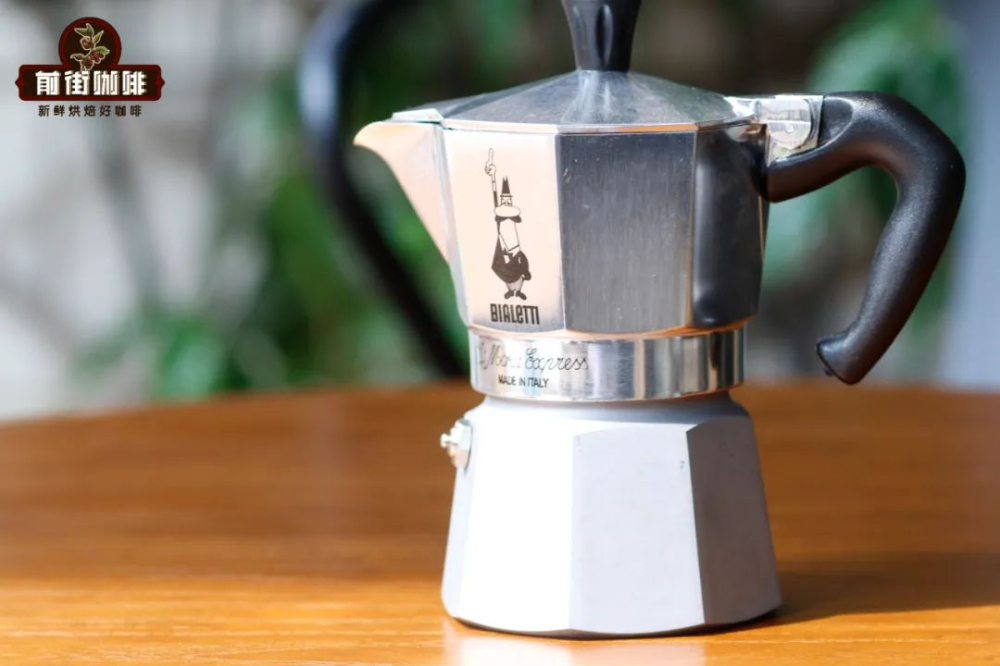
The moka pot is a household device that uses heat and pressure to extract espresso, created by Italian Alfonso Bialetti in 1933, and it first became popular in Europe, especially in Italy. It can be said that in its birthplace of Italy, almost every family kitchen has a moka pot.
Early moka pots were mostly made of aluminum alloy and could only be heated over an open flame. Today, stainless steel models are the mainstream on the market, and they can be placed directly on an induction cooktop for extraction. When purchasing, you can also choose different capacities based on the number of people, with the most common being a small size suitable for two to three people.
Structurally, the moka pot is divided into upper and lower parts, with three core components: the upper chamber that holds the coffee liquid, the filter basket that holds the coffee grounds, and the lower chamber that holds water. During extraction, the heat source first heats the water in the lower chamber, generating steam pressure. When the pressure accumulates to a certain level, the hot water is pushed upward along the tube, passing through the coffee grounds layer, carrying out the soluble aromatic substances, and finally rising into the upper chamber to form a cup of intensely flavored coffee.
Before formal extraction, you need to prepare a bag of specialty coffee beans at their optimal tasting period, a gas stove or induction cooktop for heating, a grinder for grinding, and clean water.
The flavor direction of moka pot coffee fundamentally depends on the coffee beans themselves. Compared with medium-light roasts, medium-dark roasted espresso blends are more likely to extract coffee crema, highlighting the rich body of espresso, while also making the aroma layers of moka pot Americano or moka pot latte more complex.
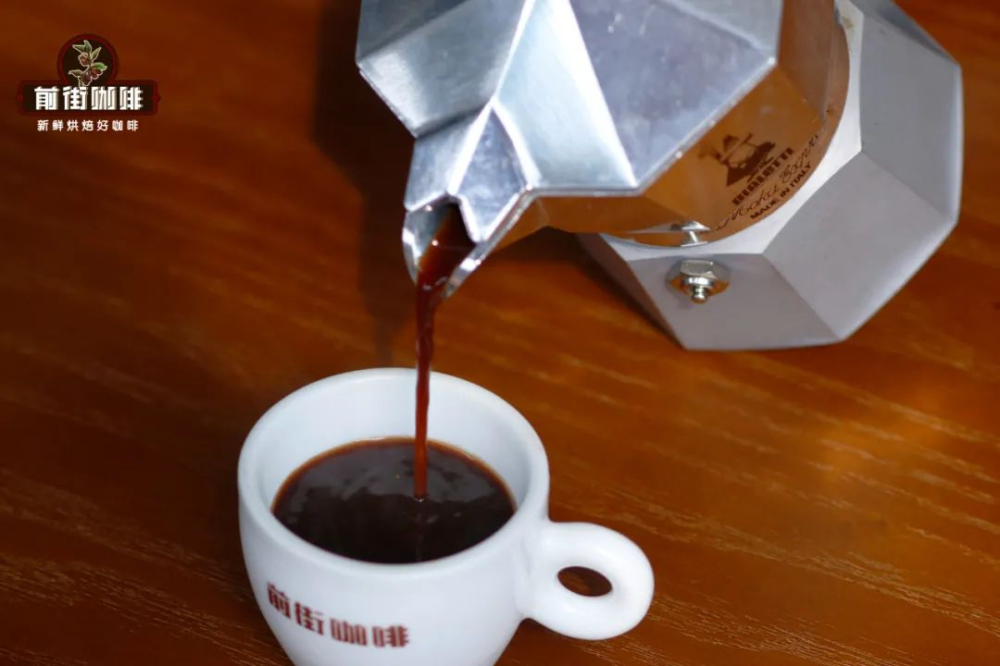
If you are just starting to try moka pot coffee, you might want to get the Front Street Classic Blend specially designed for beginners. This bean is composed of three coffees: Brazilian semi-washed, Indonesian Mandheling, and Vietnamese washed, with a medium-dark roast, combining the bold character of Asian origins with the rich flavor of American beans. In addition to its obvious roasted aroma, its crema performance is especially full, so even those new to moka pots can handle it with ease.
If you want to make moka pot espresso with fruity notes, you can choose a medium-roast espresso bean, such as Front Street Strawberry Candy espresso coffee beans, which can be ordered directly from Taobao or Tmall stores. This bean is based on Front Street Costa Rica Tarrazu, famous for its honey processing, and Ethiopia, the birthplace of coffee, then blended with Colombian coffee beans. The resulting espresso is not harsh on the palate, and under espresso machine extraction it shows good crema and a velvety texture, while carrying a sweet-and-sour sensation similar to strawberry gummy candy.
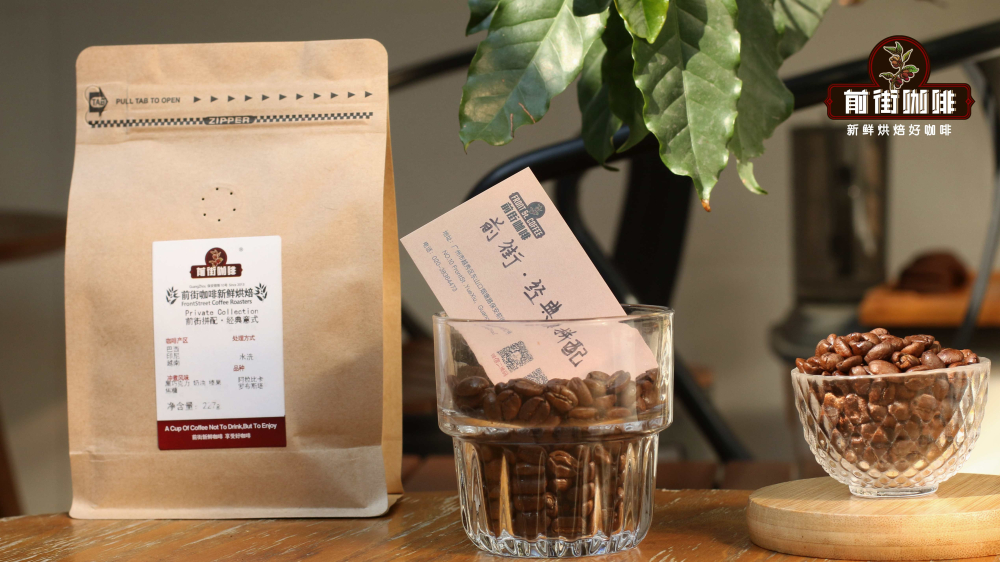
This demonstration uses Front Street · Rich and Aromatic Espresso Moka Pot Coffee Beans — Front Street Classic Blend Coffee Beans, paired with an electric ceramic stove for heating, and the grinder is the EK43s used for store production.
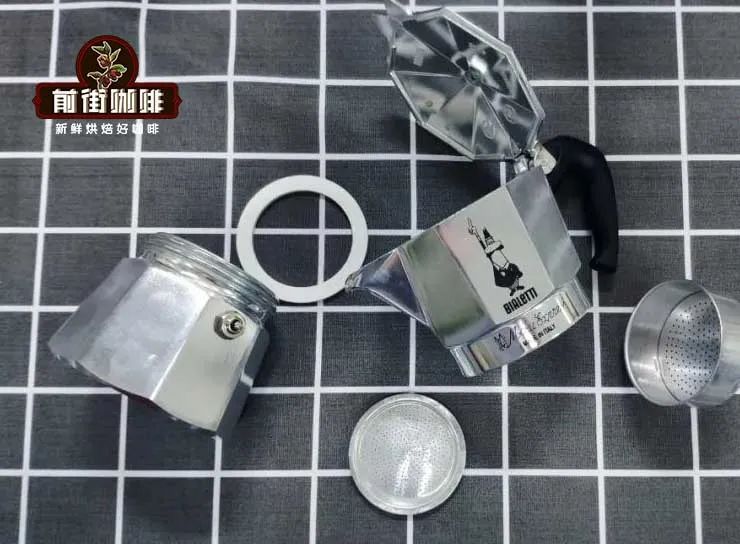
1. Pour hot water into the lower chamber, keeping the water level about 0.5 cm below the pressure relief valve (safety valve). If cold water is used, the coffee grounds will be soaked for a longer time, which easily leads to over-extraction and bitterness. Therefore, Front Street recommends using hot water, which also shortens the overall extraction time.
2. The grind size of the coffee grounds should be finer than pour-over but coarser than espresso. You can judge by referring to the gap size of the filter basket mesh, ensuring the particles can be blocked by the mesh. Slowly pour the coffee grounds into the filter basket, and gently tap and level them with your fingers.
3. Put the filter basket back into the lower chamber, tighten the upper chamber, place it on the electric ceramic stove and begin heating, waiting for the temperature inside the pot to rise.
4. When you hear a hissing sound from inside the moka pot, turn down the heat and lift the lid of the upper chamber. At this point, you can observe the coffee liquid and crema slowly flowing out.
5. When the coffee liquid in the upper chamber reaches about half, you can turn off the heat source, move the pot to the table, and use the residual heat and pressure inside the pot to complete the remaining extraction. It is important to note that the moka pot is made of metal, so after high-temperature heating, try not to touch the body directly to avoid burns.
6. The extracted coffee liquid can be drunk directly; it is quite rich and has a relatively full-bodied taste. You can also add milk or other ingredients according to personal preference. The moka pot coffee extracted by Front Street has obvious caramel and cocoa biscuit aromas. After adding heated milk to make milk coffee, it presents a dense, sweet aroma like chocolate cream.
Although the moka pot is simple in structure and easy to use, there are still some details to pay attention to during operation. There is a pressure relief valve on the base of the lower chamber for indication. When adding water, the water level must not be higher than the pressure relief valve, otherwise the pressure relief function will fail and the risk of bursting will increase. The flow rate of the coffee liquid can also provide feedback: if the liquid spurts out directly, it means the water temperature is too high; if the flow rate is extremely slow, it means the water temperature is too low, and you need to increase the heat while paying attention to changes in the heat at all times.
If the coffee poured out tastes bitter and astringent, it usually means the coffee grounds are ground too fine, causing over-extraction. At this time, you should promptly adjust the grind coarser so that the flavor substances contact more water, which can both reduce bitterness and weaken astringency.
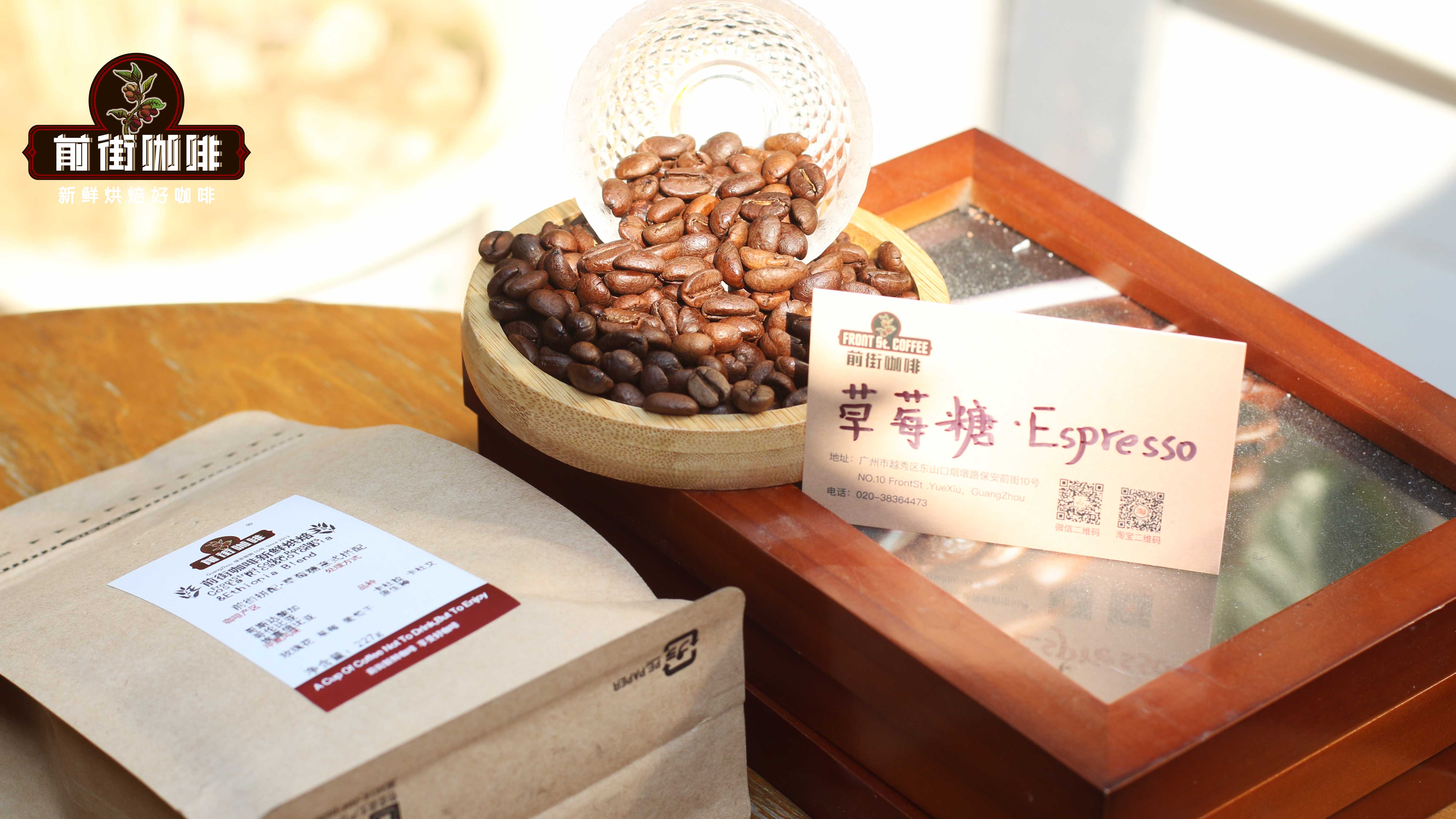
If you want the extracted moka pot espresso to have a rich crema layer, Front Street recommends using freshly roasted medium-dark coffee beans. As the roast degree deepens, caramelization reactions occur inside the beans and generate a large amount of gas, which is released under pressure during extraction. However, after a long storage time, much of the gas inside the beans is lost, making it difficult to extract a rich crema. The coffee beans shipped by Front Street are all freshly roasted within 5 days, ensuring everyone can enjoy them within the optimal tasting period.
The above content is compiled by CoffeeHunters, a coffee news website.


