







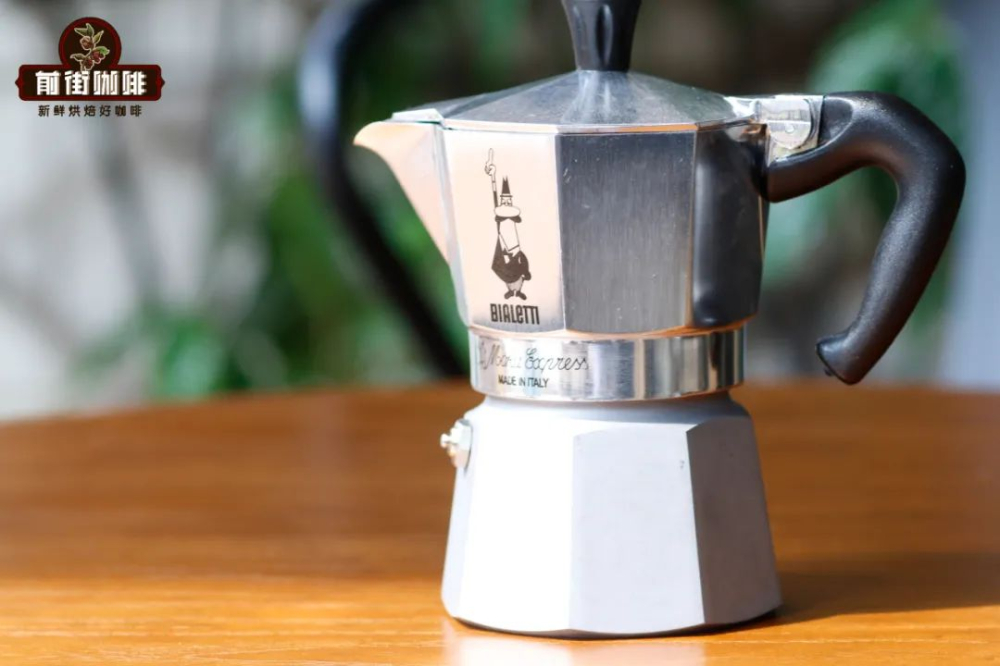
The moka pot is a device that extracts rich coffee through heated pressure, invented in 1933 by the Italian Alfonso Bialetti, and mainly popular in European countries, especially its birthplace Italy, where the vast majority of households have a moka pot at home.
Traditional moka pots are made of aluminum alloy and can only be heated over an open flame. Nowadays, most on the market are made of stainless steel, which can be placed directly on an induction cooker to heat and extract coffee. When purchasing, we can also choose moka pots of different sizes according to our needs, with the most common being the compact 2–3 serving size.
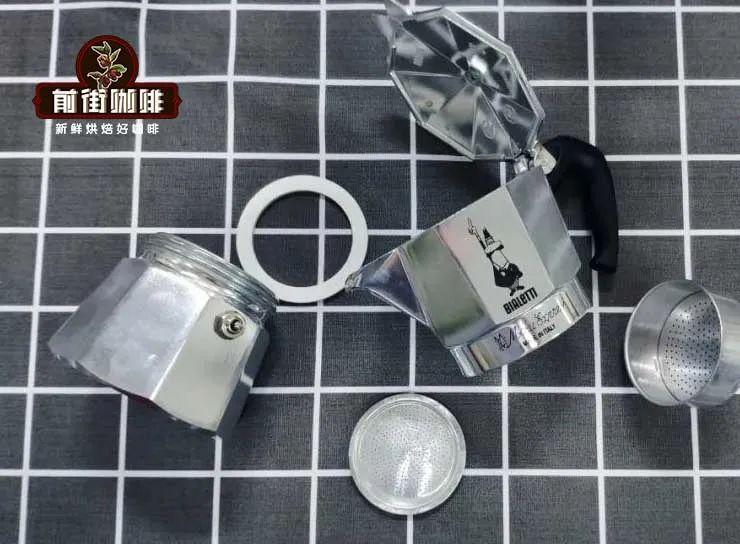
From the diagram, we can see that the moka pot is divided into upper and lower structures, mainly composed of three parts: the upper chamber that holds the coffee liquid, the filter basket that holds the coffee grounds, and the lower chamber that holds the water. When using a moka pot to extract coffee, a heat source is used to heat the water in the lower chamber to generate steam pressure; once the pressure is sufficient, it pushes the hot water upward, permeating the coffee grounds to carry out soluble aromatic substances, and continues to break upward, resulting in a cup of rich, full-bodied coffee liquid.
Before extracting coffee, you need to prepare a bag of fresh coffee beans at their optimal flavor period, a gas stove or induction cooker for heating, a grinder for grinding the coffee beans, and water.
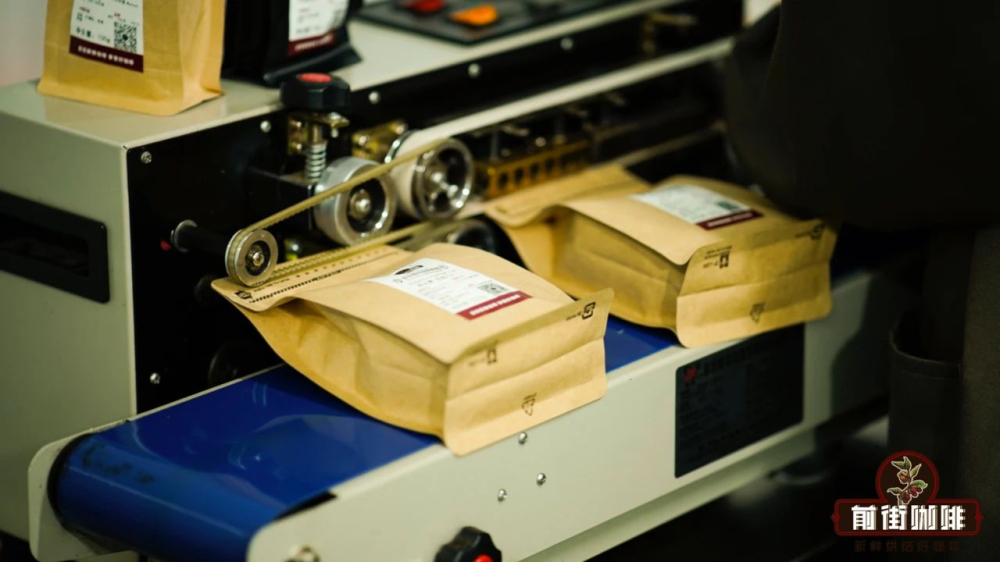
During roasting, coffee beans undergo caramelization and produce a large amount of gas, which is released under the "pressure" during extraction. The longer they are stored, the more the beans' gas and aroma are lost, making it difficult to extract rich crema and flavor from the coffee. Therefore, for moka pot coffee, you must ensure the beans are fresh. Buy fresh coffee beans and choose Guangzhou's time-honored roaster — Front Street Coffee. All Front Street coffee beans are freshly roasted within 5 days and shipped within 24 hours, usually arriving in 1–3 days, so that the beans everyone receives are still in a fresh state.
For Bialetti moka pots, it is recommended to use medium-dark roast beans. If you don't know how to choose, you can directly buy espresso beans, which are specially used for home/commercial espresso machines and are also compatible with moka pot extraction. Espresso beans are mostly medium-dark roasted, and the extracted coffee is neither too sour nor too bitter, while providing flavor and a creamy mouthfeel, greatly reducing the chance of failure during preparation.

① If you want rich crema, it is recommended to buy Front Street Classic Espresso Blend coffee beans.

② If you pursue spice and mellow flavors, the medium-dark roasted Front Street PWN Golden Mandheling SOE is recommended.
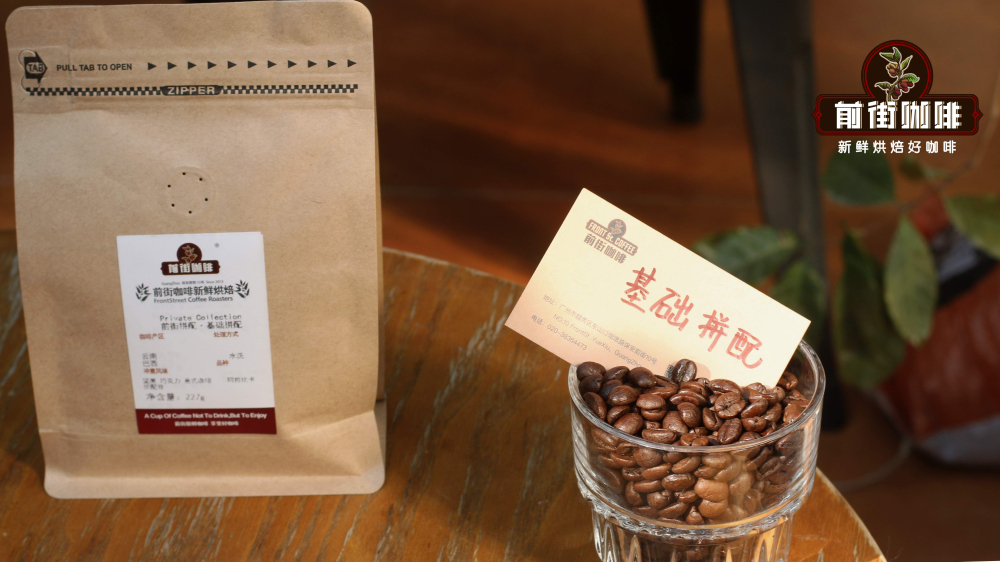
③ For those who want good value for money, Front Street Basic Espresso Blend is recommended.

④ If you don't accept bitterness but want floral and fruity notes, you can choose Front Street Strawberry Candy Espresso Blend.
Here at Front Street, we use Front Street Classic Espresso Blend, an electric ceramic stove for heating, and the EK43s grinder used for store production.
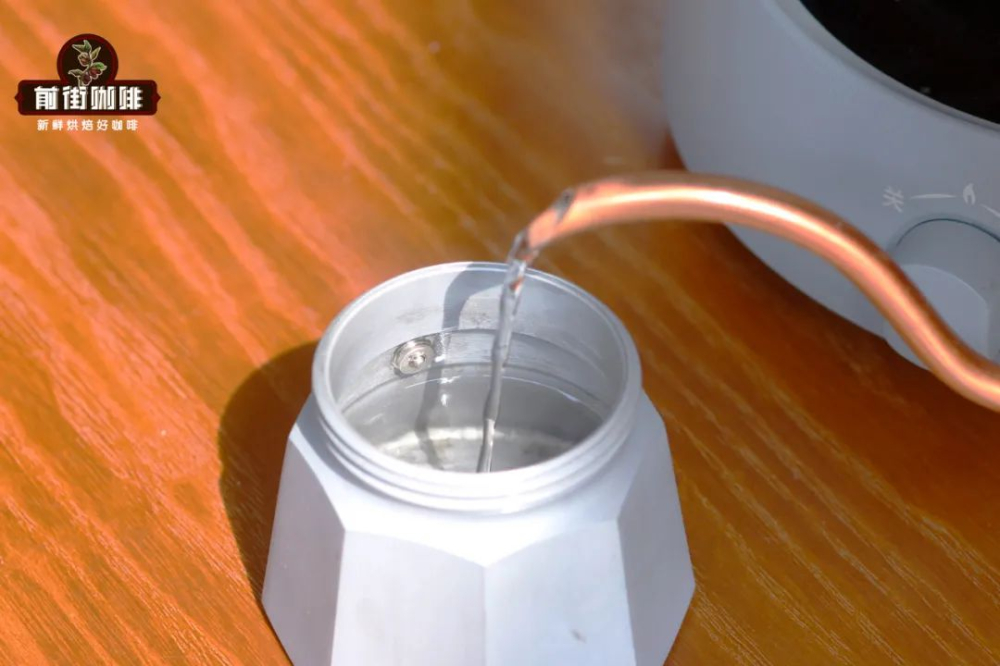
1. Add hot water to the lower chamber, keeping the water level at most 0.5 cm below the pressure relief valve (safety valve). Using cold water increases the soaking time of the coffee grounds, causing over-extraction and bitterness. Therefore, Front Street recommends using hot water, which also shortens the extraction time.
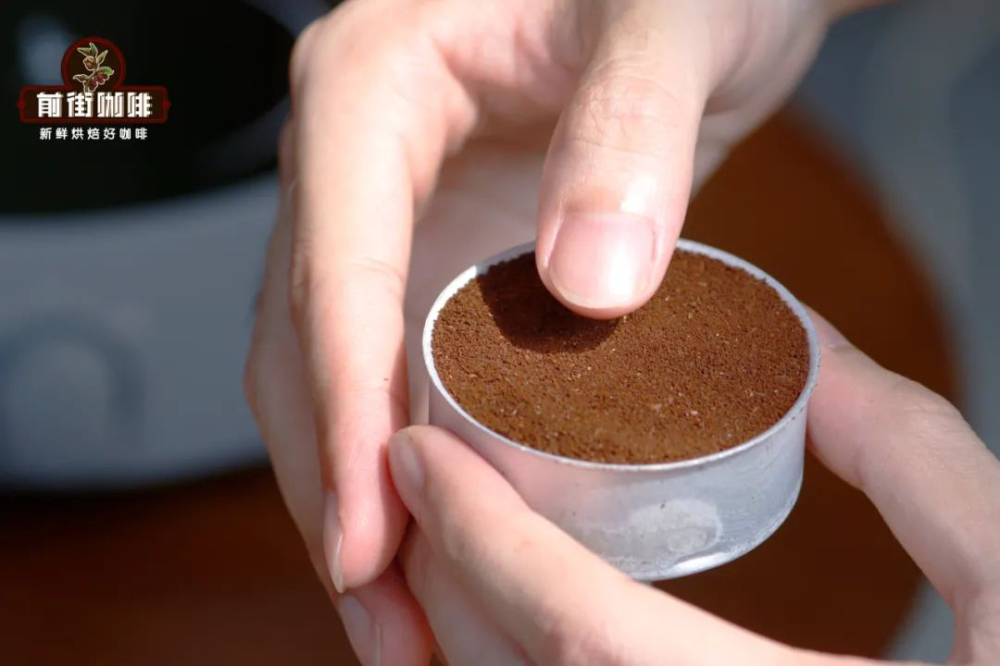
2. The coffee grounds need to be ground finer than for pour-over coffee but coarser than for espresso. You can refer to the size of the filter basket's mesh gap to ensure the coffee particles are filtered out. Pour the coffee grounds gently into the filter basket and use your finger to spread and level them evenly.
3. Put the filter basket back into the lower chamber, screw the upper chamber on tightly, place it on the electric ceramic stove and start heating, waiting for the moka pot to heat up.
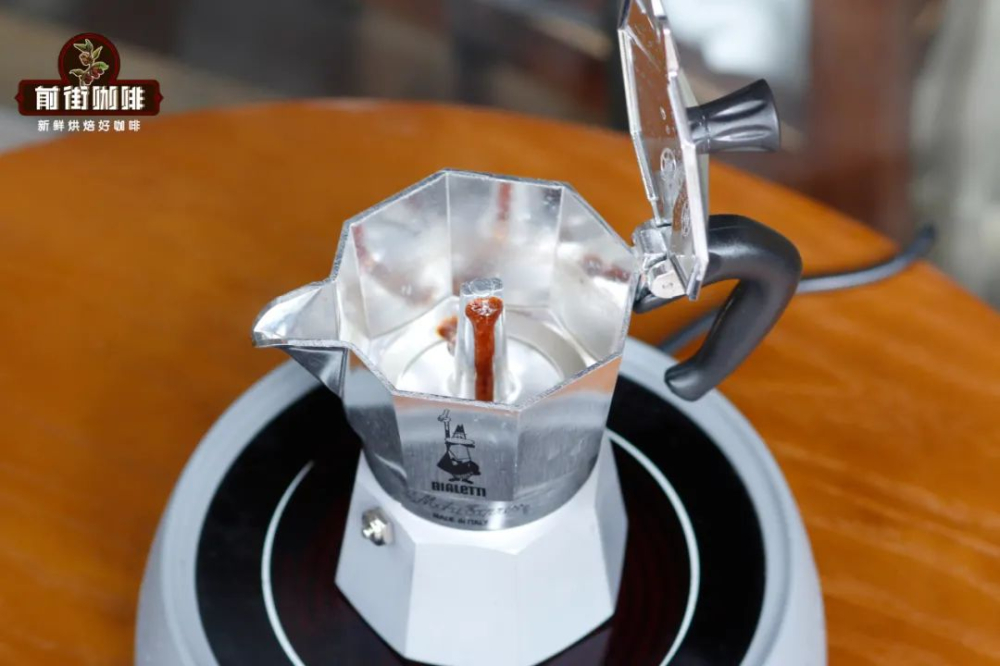
4. When you hear a hissing sound from inside the moka pot, turn the stove to low heat and open the lid of the upper chamber; you will then see the coffee liquid and crema slowly flowing out.

5. When the coffee liquid in the upper chamber is half full, you can turn off the heat source and move the pot to the table, using the residual heat and pressure inside to continue extracting the remaining coffee liquid. Note that the moka pot uses metal parts, so try not to touch the body when it is heated at high temperatures to avoid burns.
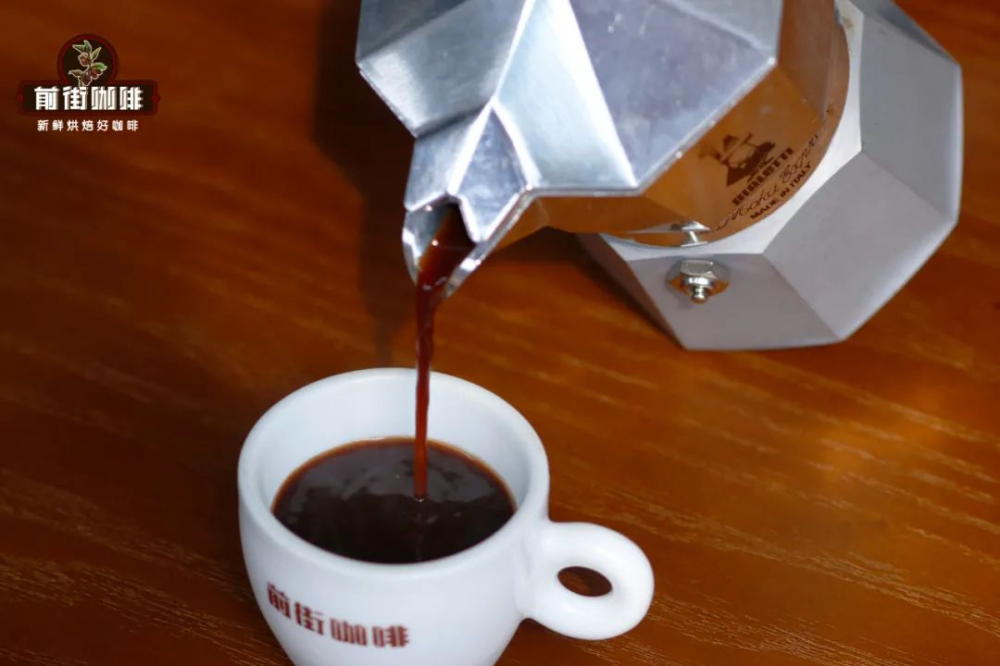
6. The finally extracted coffee liquid can be tasted directly; it will be very rich and strong in flavor. You can mix it with milk and other ingredients according to your preferred taste. Freshly made moka pot coffee has a rich aroma of dark chocolate and caramel, with a creamy, smooth mouthfeel; when combined with heated milk to make a milk coffee, it presents a dense, sweet chocolate-cream mouthfeel.
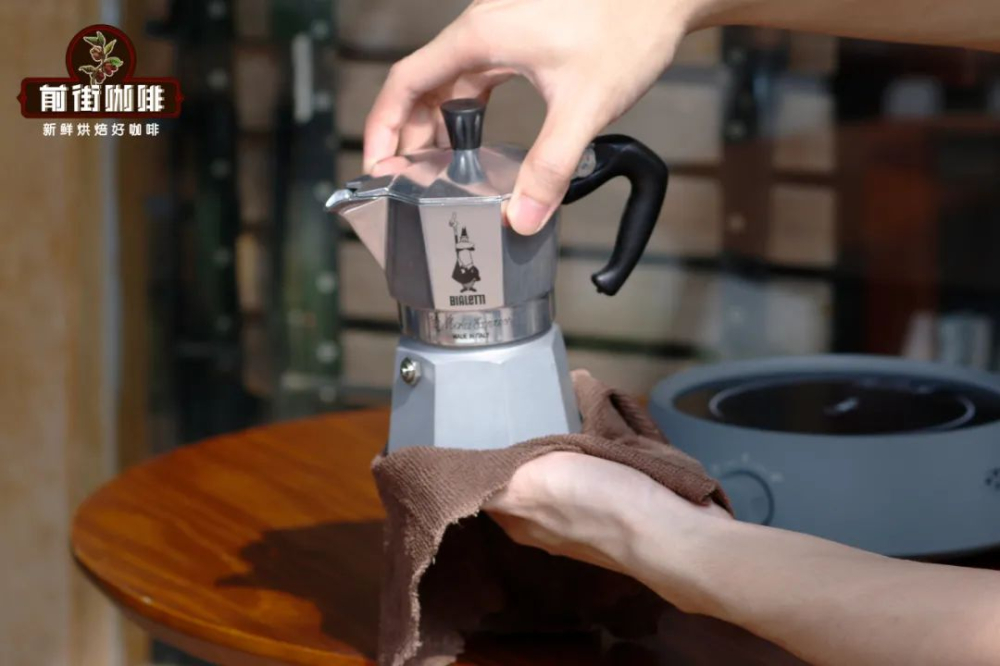
Although the moka pot has a simple structure and is easy to operate, there are still some issues to note when using it. The water base of the moka pot has a marked pressure relief valve, and the water level must not exceed the pressure relief valve when adding water; otherwise, it easily loses its pressure-relief effect and increases the risk of bursting. The flow rate of the coffee liquid also gives us feedback: if the liquid sprays out directly, it means the water temperature is too high; if the coffee liquid flows very slowly, it means the water temperature is too low and the heat needs to be increased, while always paying attention to controlling the heat.
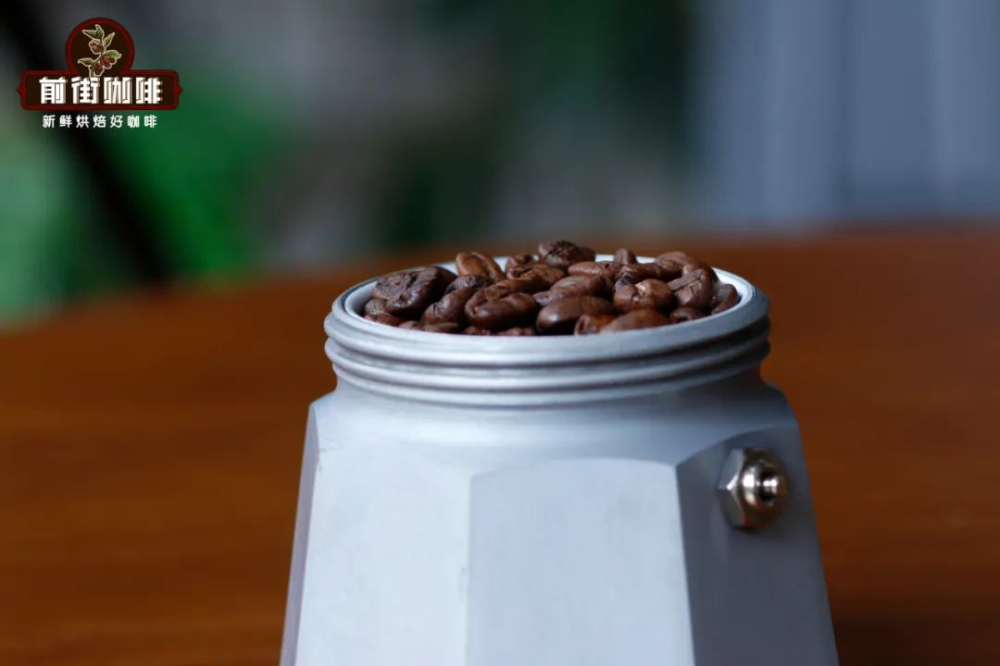
If you want the espresso extracted from a moka pot to have a rich, fragrant layer of crema, Front Street recommends using freshly roasted medium-dark roast coffee beans. As the roast level deepens, coffee beans undergo caramelization and produce a large amount of gas, which is released under the "pressure" during extraction. As storage time lengthens, the beans lose a large amount of gas, making it difficult to extract rich, fragrant crema. The coffee beans shipped by Front Street are all freshly roasted within 5 days, so everyone can enjoy them during their optimal flavor period.
The above content is compiled by CoffeeHunters, a coffee news website.


