







Search Results for: deposit system
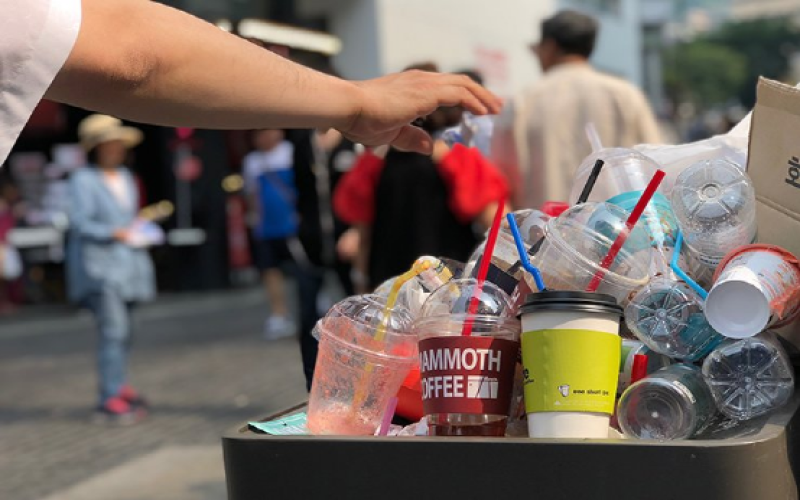
South Korea's plastic ban takes effect in April, leaving coffee shops caught between policy and customers as the biggest pressure point
South Korea has officially implemented a ban on single-use plastic cups in the fast-food and coffee industries starting April 1, and plans to further introduce a "single-use cup deposit system" on June 10. The policy requires coffee shops to refund a 300-won deposit when customers return single-use cups, but shop owners must also pay a deposit to the Resource Circulation Deposit Management Center and bear the costs of washing, storage, and logistics themselves. Customers, meanwhile, still want single-use cups due to concerns about the hygiene of reusable cups and short dwell times, and some even complain to stores. Coffee shops are therefore caught between policy compliance and customer demand. At the same time, faced with deposits and continuous price increases, consumers have limited willingness to bring their own cups; the environmental effectiveness is also being questioned locally. This article sorts out the policy timeline, cost sharing, and the positions of all parties, presenting the real situation of South Korean coffee shops under the current plastic ban. [more…]

Starbucks Japan Tests Stainless Steel Cup Rental: Scan to Borrow, Return Within Three Days, Deposit Model Disrupted
Starbucks has previously implemented deposit-based reusable cups in Korea, Seattle, London, and other places, but the results were not ideal. Starbucks Japan was the first to change its approach, launching a stainless steel cup rental service at ten stores in Tokyo. Customers can scan a code via a mobile app to borrow a cup, return it within three days, and even enjoy a discount on their drink. After return, the cups are uniformly washed at high temperature and disinfected. The company emphasizes that there is no need to worry about residual viruses or bacteria. Can this model truly promote environmental protection, and can it be replicated in other regions? This article will provide a detailed interpretation for you. [more…]
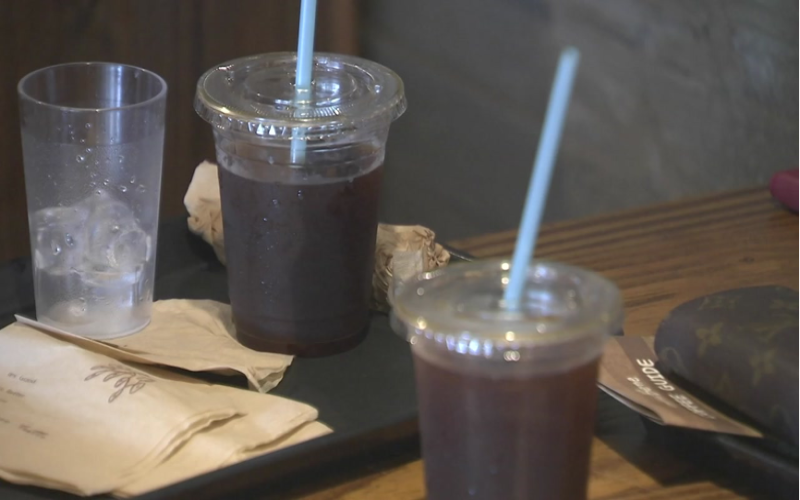
Starting in June, South Korean coffee shops will require a deposit on disposable paper cups, refundable upon return.
Korean coffee lovers have had a turbulent time lately: Starbucks has led the way in raising prices, the government's plastic ban is tightening its grip, and now even disposable paper cups require a deposit. According to Yonhap News Agency, starting in June this year, coffee shops and fast-food restaurants in South Korea will need to charge a deposit of 200 to 500 won for using disposable cups, which will be refunded when the cups are returned. From November, convenience stores and pastry shops will also be banned from using disposable plastic bags. Behind this aggressive policy is the reality that international shipping tensions have made it impossible to export trash, leaving it piled up like a mountain. Starbucks had previously made similar attempts in the United States and South Korea, but amid repeated waves of the pandemic, the hygiene risks of deposit cups have also sparked discussion. If it were you, would you pay a deposit for a disposable cup? [more…]

Starbucks introduces another eco-friendly initiative: deposit cups paired with dedicated washing machines, allowing customers to wash and take them away themselves.
Starbucks has been exploring ways to reduce single-use cup usage in recent years, from deposit cups in the South Korean market to cup borrowing programs in Europe and the US, but none have achieved the expected results. Now Starbucks has launched Plan C—introducing dedicated cup-washing machines in stores, where customers can wash their cups themselves after finishing their coffee and take them away, though a deposit is still required. The program will first be tested at Arizona State University and select stores in Hawaii. Meanwhile, Starbucks mainland China has fully switched to paper straws and sippy lids, reducing approximately 200 tons of plastic annually. Whether the environmental path can meet its 2025 targets remains to be seen. [more…]
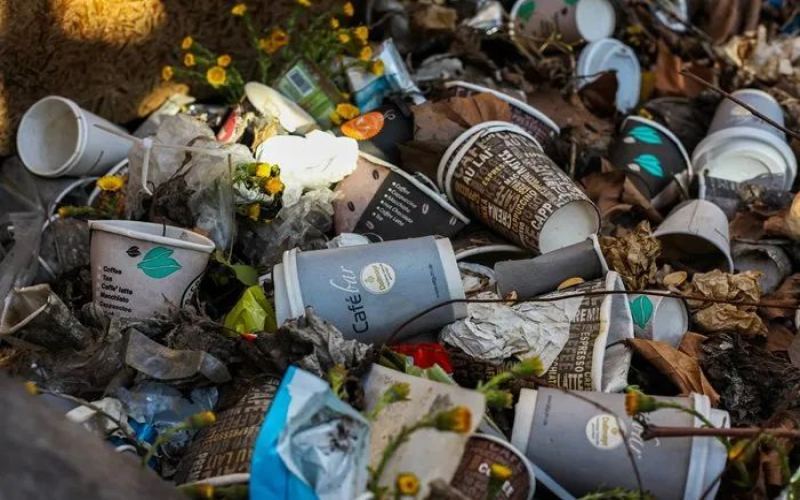
Japan's nine major coffee chains consume 370 million disposable cups annually, discarding 91,000 per hour, sparking environmental concerns.
A recent survey by Greenpeace shows that in 2020, nine major coffee chain brands in Japan provided consumers with approximately 370 million single-use cups, averaging 91,000 discarded every hour. Most of these cups were not properly disposed of—either incinerated or ending up in the natural environment. Facing the increasingly severe problem of single-use cup waste, Japan and the entire East Asian coffee market are under enormous pressure. Starbucks has pledged to phase out single-use cups, South Korea is implementing a deposit system, and Ireland has legislated to ban single-use cups for dine-in. Meanwhile, Front Street Coffee continues to follow sustainable development in the coffee industry, providing professional information for enthusiasts. [more…]

Which brand is reliable when joining a coffee shop franchise? How much does the initial investment actually cost?
In the past year or two, the popularity of coffee entrepreneurship has continued to rise, and many office workers have begun to entertain the idea of opening a shop and becoming their own boss. A coffee shop that seems to have low barriers to entry, requires little investment, and has an artistic atmosphere has become the ideal project in many people's minds. But when they actually start, they discover that they have no idea where to begin, from site selection to promotion, so franchise chains have become a popular option. Advertisements promising "zero threshold" and "easy to be your own boss" are everywhere, but is the reality really that rosy? This article sorts out the main models of coffee franchising today, helps you calculate the upfront investment clearly, and gives the key points to note when choosing a franchise brand, in the hope of offering some reference for those who are still hesitating. [more…]
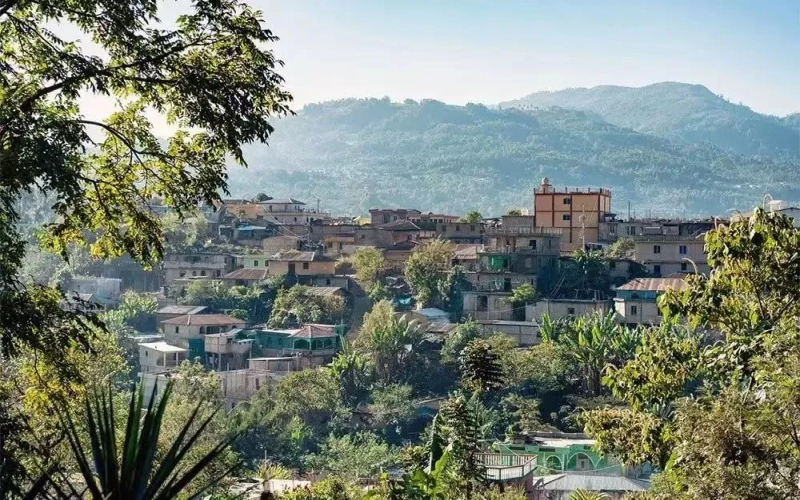
A Complete Analysis of Guatemala's Coffee Regions, Characteristics, and Green Bean Grading System, with Front Street Coffee Everyday Bean Recommendations
Guatemala is located in the Central American volcanic belt, where fertile volcanic ash soil and diverse terrain and climate give rise to outstanding high-grown strictly hard beans. This article will guide you through the cultivation history of Guatemalan coffee and the distribution of its ten major producing regions, with a focus on analyzing the terroir of the most renowned Huehuetenango region, and explain the three-tier grading standards based on altitude: SHB, SEMI-HARD/HARD, and EPW. It will also introduce the entry-level selected Huehuetenango from Front Street Coffee's daily beans series, whose Bourbon, Catuai, and Caturra varieties, after washed processing, present citrus, berry, and nut flavors, with a soft mouthfeel and a tea-like lingering finish. [more…]

Luckin Coffee Store Cash Payment Predicament: Employees Forced to Collect Payment and Place Orders on Customers' Behalf, Lack of Cashier Equipment Causes Multiple Troubles
Recently, a post about Luckin Coffee employees being forced to accept cash sparked heated discussion on social media. Because Luckin stores are not equipped with cash register systems or equipment, employees can only accept cash from customers first, then use their own phones to scan codes and place orders on their behalf. This practice not only leaves employees with large amounts of loose change that are difficult to handle, but also brings a series of problems such as difficulty making change, the risk of accidentally accepting counterfeit bills, and customers being unable to enjoy online discounts. Especially when stores are overwhelmed with orders and short-staffed, cash orders become an even heavier burden for employees. Although mobile payment has become mainstream, some consumers still rely on cash, and whether brands should improve their cash register facilities has become a focal point of concern for both employees and customers. [more…]

Has QR Code Ordering Become the Standard for Tea Shops? Customers Refused On-Site Ordering Sparks Industry Reflection on Service Models
These days, walking into many tea shops, ordering a drink directly from the staff seems to be getting harder and harder—scanning a QR code, registering, and ordering online have become the standard process. Recently, a netizen shared an experience of being refused when trying to order directly at the counter because they were feeling unwell, sparking widespread discussion. Some people agree that ordering by scanning the code is efficient and saves time, while others question why on-site ordering is still not allowed when there are no other customers. Tea shop employees revealed that factors such as not being equipped with a cash register system, difficulty making change for cash, and insufficient staffing make QR code ordering a helpless choice for most stores. This debate over ordering methods reflects the difficult balance between efficiency and humanized service. [more…]

Skip a Cup of Coffee a Day to Save for Retirement? Expert Advice Sparks Heated Debate: How to Balance Coffee Spending and Retirement Planning
As China's population aging process accelerates, the elderly care issues of the post-80s and post-90s generations are attracting increasing attention. Some experts suggest that young people should plan for retirement as early as possible—for example, by drinking one less 30-yuan cup of coffee each day, they could save nearly a thousand yuan a month, which happens to match the tax-advantaged contribution limit of the individual pension scheme. However, this suggestion has sparked widespread discussion on social media. For many young people, a 30-yuan cup of coffee every day is not a common expense, and the overall pressure of living costs is far from something that can be solved by skipping one cup of coffee. This article will explore the reality and controversy behind this topic from the perspectives of retirement data, individual pension policy, and the current state of coffee consumption. [more…]

Starbucks Odyssey: Merging NFTs and Membership Rewards on the Polygon Platform
Ahead of its Investor Day, Starbucks disclosed the latest developments in its employee benefits and customer loyalty programs. Among them, the Web3 platform "Starbucks Odyssey," created in partnership with Polygon in the United States, has drawn particular attention. The platform combines Starbucks Rewards with an NFT mechanism and is expected to launch within the year, allowing U.S. members and employees to earn digital collectibles through interactive activities and unlock unique experiences. Members can also purchase NFTs with a credit card without needing a crypto wallet, lowering the barrier to participation. At the same time, Starbucks also introduced two benefits exclusively for U.S. employees: student loan management and My Starbucks Savings. This article will sort through the details of these new programs and the intentions behind them. [more…]
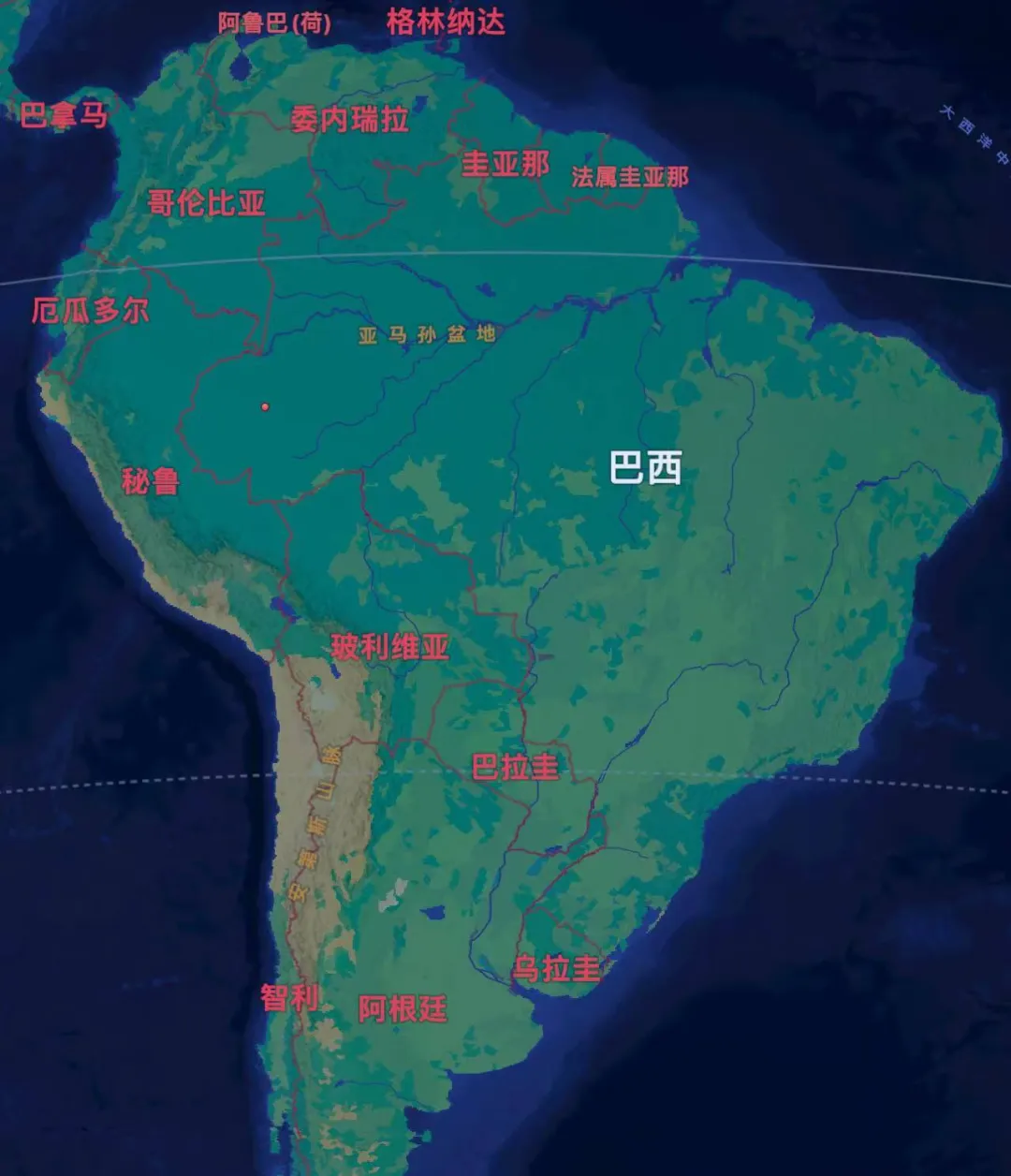
Brazil Specialty Coffee Recommendation | Flavor Characteristics and Origin Introduction of Brazil Cerrado Bourbon Coffee Beans Semi-Washed Processing Method
For more specialty coffee knowledge, please follow: Front Street Coffee (Frontsteet Coffee) Brazilian coffee has always been regarded by everyone as the top choice for "large quantity and satisfying," because it not only has a balanced taste but is also economically affordable. A bag of Front Street Brazilian everyday coffee beans costs only 25 yuan, while a bag of [more…]
An In-Depth Analysis of Costa Rican Tarrazú Los Santos Black Honey Process SHB Specialty Coffee
Specialty coffee refers to coffee made from raw beans with outstanding flavor grown in a few ideal geographical environments, strictly selected and graded, hard in texture and rich in taste. This article focuses on the Costa Rica Tarrazu Black Honey Process Strictly Hard Bean recommended by Front Street Coffee, and provides an in-depth introduction to the terroir conditions of the Los Santos producing region, planting and harvesting details, as well as the differences between black honey, red honey, and yellow honey in honey processing. Thanks to the basin topography, warm humid air currents, and fertile volcanic ash soil, this producing region nurtures coffee that combines high body, clean high acidity, and rich aroma, with flavors presenting a tropical fruit bomb of cantaloupe, durian, cranberry, and grape juice along with rich jujube tea notes. [more…]
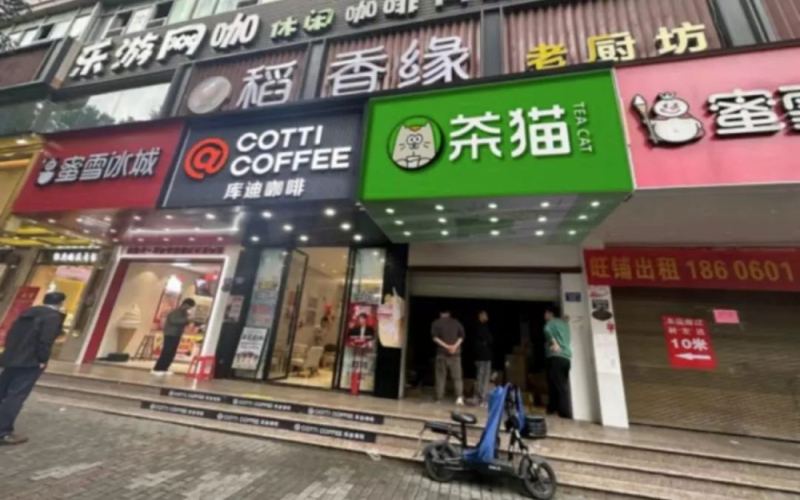
Cotti Coffee launches new tea drink brand Tea Cat, can the 6.9 yuan promotional strategy stir up the tea drink market landscape?
After 397 days since the opening of its first store, Cotti Coffee has officially announced the launch of its second brand—Tea Cat, a brand-new tea beverage brand focused on healthy milk tea. Its first store has landed in Pingnan County, Ningde, Fujian, and is currently in the internal testing stage. According to Li Yingbo, Chief Strategy Officer of Cotti, Tea Cat focuses on the whole-leaf milk tea segment, with products covering pure tea, fresh fruit tea, and more. At the same time, Tea Cat continues Cotti's low-price approach, launching a promotional offer of 6.9 yuan per cup, which has sparked heated discussion online. Some industry insiders believe that Cotti's move may be aimed at easing the competitive pressure in the coffee sector and leveraging its existing franchisee resources and supply chain advantages to develop new business. Whether Tea Cat can set off a new price war in the tea beverage industry is worth watching. [more…]
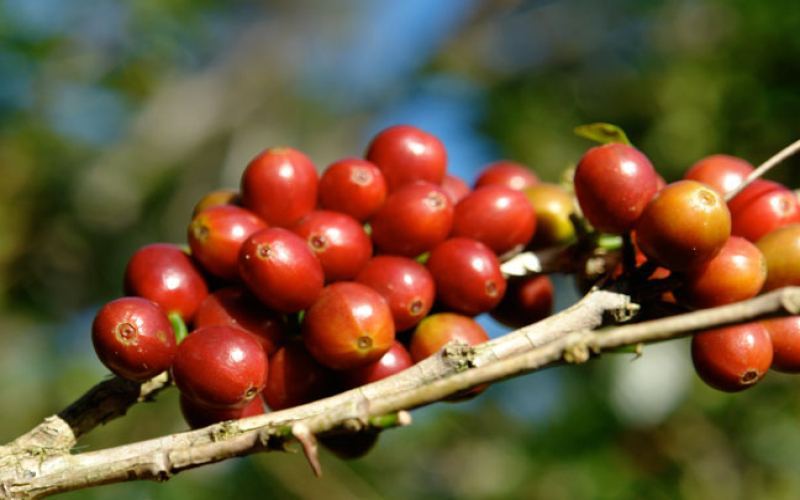
A Buying Guide to Central and South American Coffee Beans: Comparing the Flavors of Colombia, Brazil, Panama, and Other Origins
Central and South America are key regions in the specialty coffee landscape. From the caramel sweetness of Colombia to the floral and citrus notes of Panama Geisha, and the nutty, chocolatey base of Brazil, each producing region has a unique terroir expression. This article systematically reviews the coffee-producing regions of the seven countries of the Central American Isthmus and the Caribbean islands, detailing the classic flavor characteristics and representative origins of Colombia, Guatemala, Costa Rica, Panama, El Salvador, Brazil, and other countries. It also includes recommended beans and roasting suggestions from Front Street Coffee for each, helping coffee lovers quickly find their preferred choice based on taste preferences. [more…]
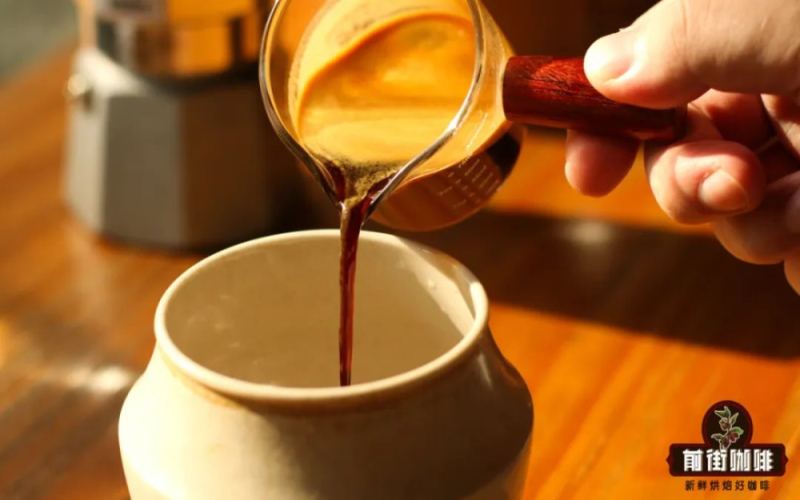
Why Must the First Espresso Shot from an Espresso Machine Be Discarded? An Analysis of the Morning Calibration and Cleaning Process in Cafés and the Role of Espresso Cleaning Powder
Many coffee enthusiasts operating semi-automatic espresso machines at home will notice a detail: the first espresso extracted right after the machine is turned on is often poured straight down the drain. This is not waste, but an early-tuning routine followed by both professional coffee shops and experienced home baristas. Why exactly can't this espresso be drunk? What systematic preparatory work do coffee shops do before officially opening? What role does espresso cleaning powder play in this? This article will focus on the daily startup routine of espresso machines, explain why the first shot of espresso is discarded, and comprehensively lay out the standard steps for in-store morning tuning, while also explaining the uses of cleaning powder and recommendations for choosing it. The article will also draw on the practical experience of Front Street Coffee to help everyone develop a correct mindset for coffee machine maintenance. [more…]
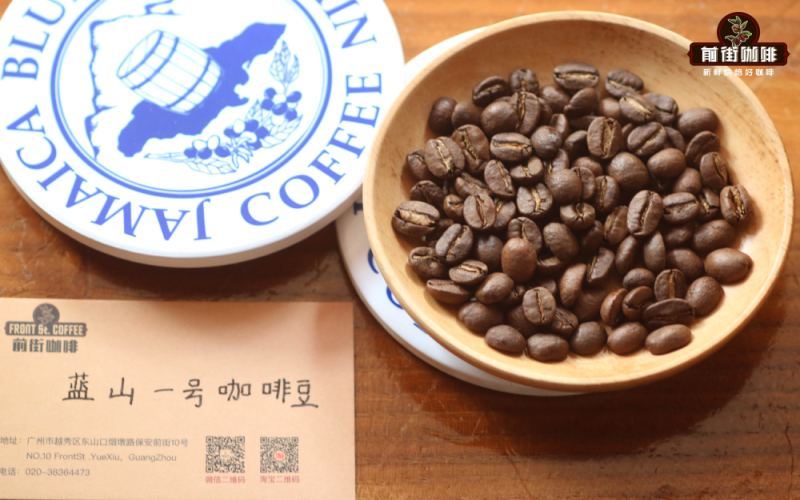
A Complete Guide to Jamaica Blue Mountain Coffee: Grades, Washed Processing, and How to Spot the Real Thing
Blue Mountain coffee is hailed as one of the finest coffee beans, yet the market is flooded with confusing products labeled "Blue Mountain flavor" or "Blue Mountain blend." Where exactly is authentic Jamaican Blue Mountain coffee grown? How are its grades classified? What is so special about its processing methods? From the perspective of Front Street, this article systematically reviews the cultivation history, growing regions, CIB certification system, washed processing procedures, and grading standards of Blue Mountain coffee, and shares the cupping flavors and brewing parameters of Front Street Blue Mountain No. 1, while also providing practical methods for identifying authentic Blue Mountain coffee, helping coffee lovers gain a comprehensive understanding of this legendary coffee. [more…]
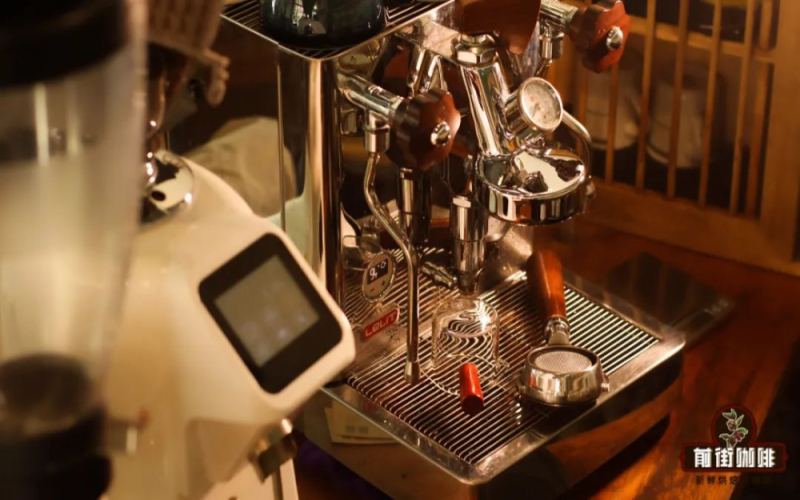
Home Espresso Machine Maintenance Guide: Daily and Deep Cleaning Methods for the Steam Wand, Dispersion Screen, and Plumbing
As coffee culture becomes increasingly widespread, more and more households are purchasing espresso machines, but most users are not industry professionals and know very little about equipment cleaning and maintenance. Failure to clean regularly over time can lead to weakened steam, uneven water flow from the group head, unstable extraction pressure, and even portafilter leaks. In this article, Front Street will systematically share daily maintenance and deep cleaning methods for coffee machines, covering routine cleaning of the steam wand, dispersion screen, and portafilter, as well as deep maintenance essentials such as backflushing the pipes, replacing gaskets, and maintaining the water tank filter—helping your coffee machine run stably for the long term and avoiding unnecessary repair costs. [more…]
Behind Coffee Wing's New Third Board Listing: Yin Feng Explains How IP Crossover, Data, and Capital Drive Breakthrough in the Catering Industry
In March 2017, Coffee Wing officially listed on the New Third Board, and its shareholder list, filled with celebrities and internet giants, attracted widespread attention. At a sharing session hosted by Catering O2O, founder Yin Feng delivered a speech titled "The Capital Path of Cross-Border Catering Driven by Data and IP," systematically explaining the consumer changes in the Catering 3.0 era, the timing for going public, two strategic approaches, and Coffee Wing's business strategy centered on "IP, cross-border, data, and capital." This article presents the full essence of Yin Feng's speech, covering catering industry trends, brand building, user operations, and marketing innovation, offering in-depth reference for coffee enthusiasts and catering professionals. [more…]
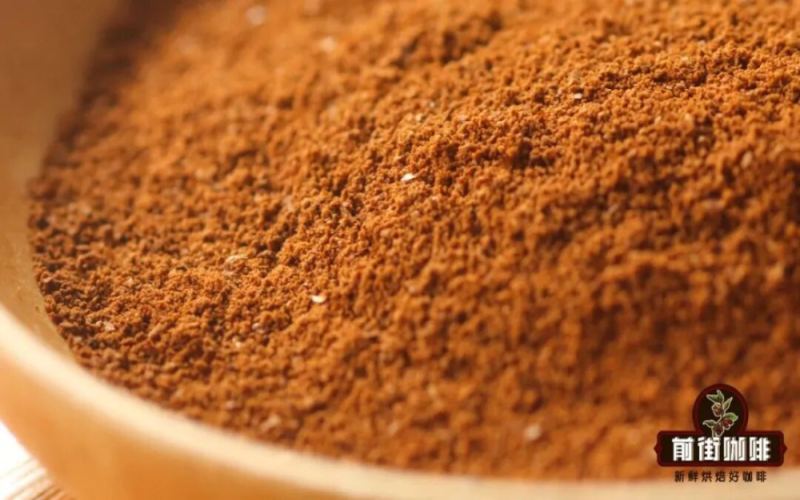
How Fine Should You Grind for Pour-Over Coffee? A Full Breakdown of Hand Grinder vs. Electric Grinder Differences
Among the many variables in pour-over coffee, grind size is a key link that determines the direction of extraction. Particle size directly affects the contact area between water and coffee grounds, which in turn influences flavor expression: too coarse leads to under-extraction, while too fine may cause over-extraction and bitterness. However, many beginners often fall into pitfalls when adjusting the grind—memorizing settings, making drastic grind adjustments, and ignoring uniformity. This article will start from the basic principles of grinding, analyze these common problems one by one, and with the help of Front Street · Little Tomato's comparative test, demonstrate the actual differences between electric grinders and hand grinders in particle distribution and flavor presentation, and finally provide purchasing advice for entry-level equipment to help coffee enthusiasts establish a scientific approach to grind adjustment. [more…]