







For more specialty coffee knowledge, please follow: Front Street Coffee (Frontsteet Coffee)
Brazilian coffee has always been regarded as the top choice for "big volume, full satisfaction," because it not only has a balanced taste but is also very affordable. A bag of Front Street Brazil everyday coffee beans costs only 25 yuan, and a bag of Front Street espresso blends containing Brazilian beans also costs no more than 80 yuan—truly everyday coffee. Today, Front Street will give a proper explanation of information about coffee in this country.
BrazilBrazil
Brazil's full name is The Federative Republic of Brazil. It borders 10 countries including Uruguay, Argentina, Peru, Colombia, and Bolivia. With a total land area of 8,514,900 square kilometers, it is the largest country in South America and the fifth largest in the world. The country is divided into 26 states and 1 federal district. It has developed agriculture and a solid industrial base, and is the world's largest coffee-producing country.
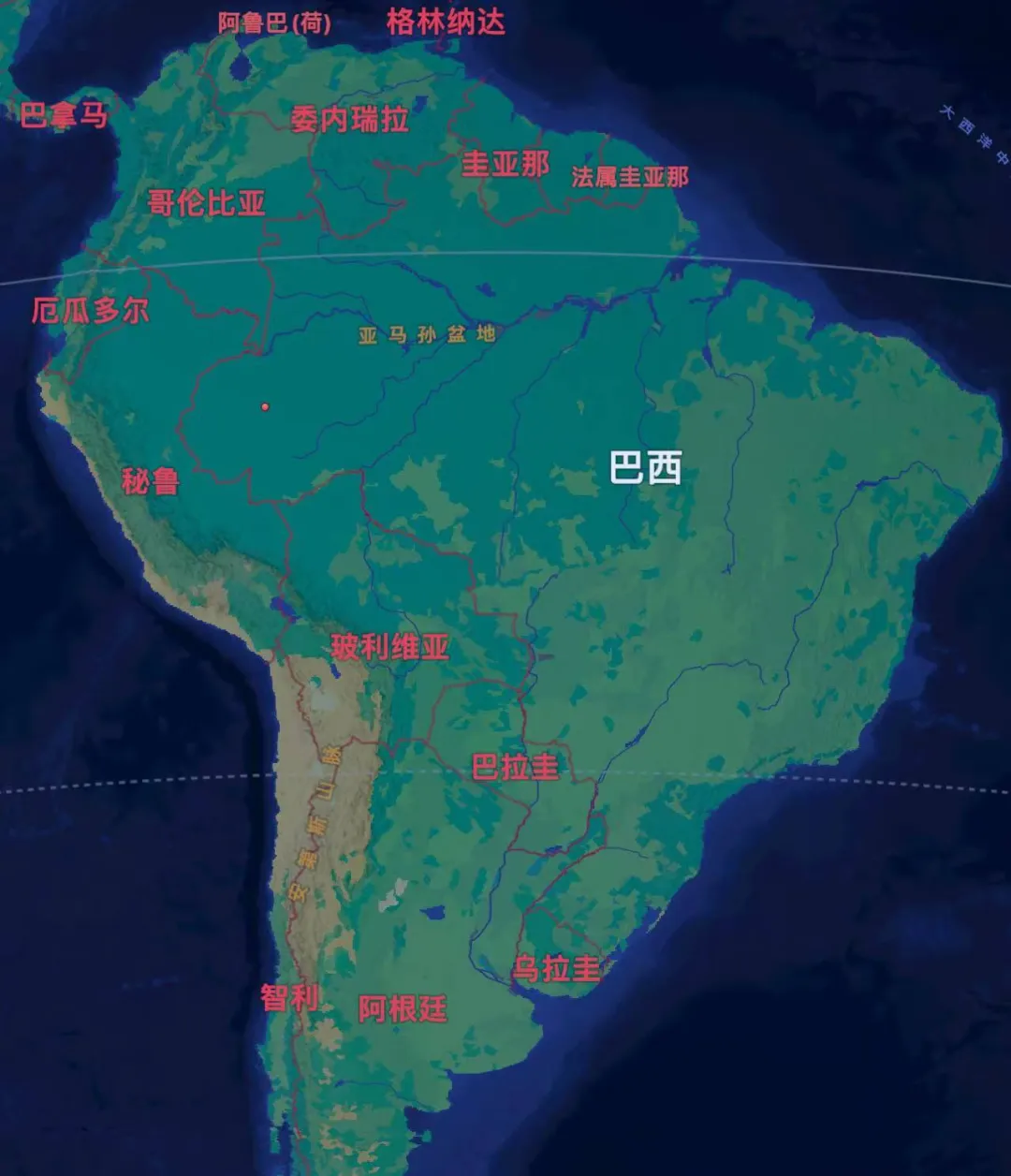
The Brazilian flag is overall a green rectangle, with a yellow rhombus in the center, and in the center of the rhombus is a dark blue circular celestial globe. On the celestial globe is a white ribbon inscribed in Portuguese with "Order and Progress." The circle also contains white five-pointed stars, symbolizing the country's 26 administrative regions. The positions of the stars represent the arrangement of stars over Rio de Janeiro at 8:50 on November 15, 1889, the day of the new government (Brazil's capital was originally Rio de Janeiro, and was later moved to Brasília). Green and yellow are Brazil's national colors: green symbolizes forests, and yellow symbolizes mineral deposits and resources.
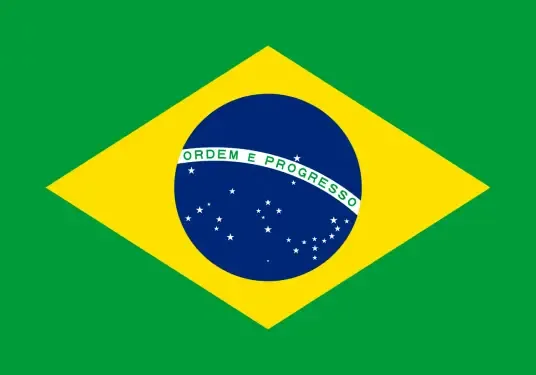
Brazil is located in the eastern part of South America. In addition to connecting with many countries, it also faces the South Atlantic Ocean to the east. Brazil's terrain is mainly divided into 2 major parts: one is the Brazilian Highlands above 500 meters in elevation, mainly concentrated in the country's central and southern regions; the other is plains below 200 meters in elevation, mainly distributed in the Amazon River basin in the north and west. The highlands account for 60% of the country's area, and there are three major river systems: the Amazon, Paraná, and São Francisco.
Most of Brazil is in the tropics. The northern region has a tropical rainforest climate, the central region has a tropical savanna climate, and the southern region has a humid subtropical monsoon climate. The Amazon Plain has an average annual temperature of 25–28°C, while the southern region has an average annual temperature of 16–19°C.
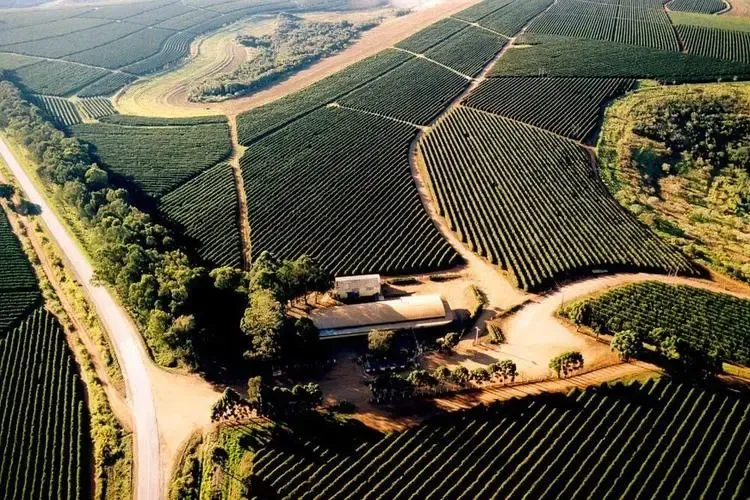
Coffee-producing regions
Brazil has a total of 26 states, 17 of which produce coffee. Among them, Paraná, São Paulo, Minas Gerais, and Espírito Santo account for 90% of total production. Brazilian Arabica accounts for 80% of total production, while the remaining 20% is Robusta. The main planted varieties are Bourbon, Catuai, Typica, Mundo Novo, etc., and the harvest period is from May to September.
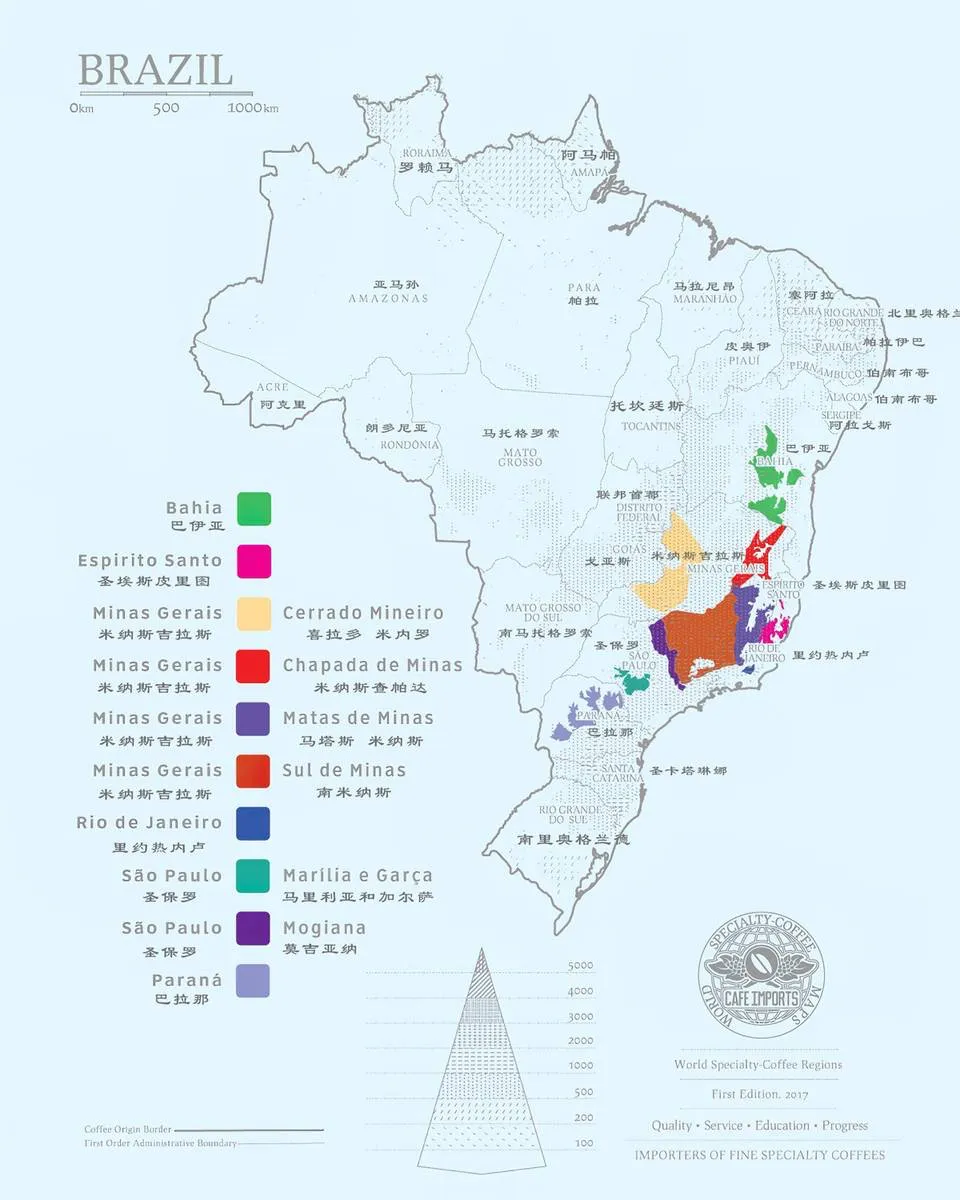
Bahia: Many people would consider it the southernmost coffee-producing region in the world. Although this state occupies only 2.5% of Brazil's land area, it produces nearly 25% of agricultural products. However, this state lacks high-altitude areas, with its highest elevation only 950 meters, so there is little high-quality coffee.
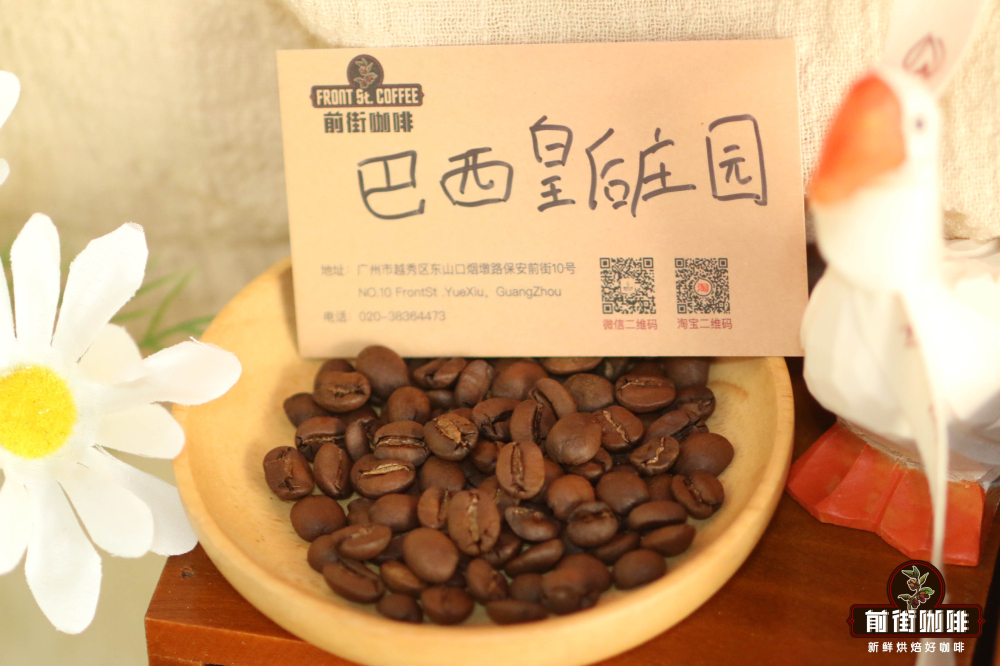
São Paulo: This is home to one of Brazil's more famous coffee-producing regions, Mogiana, with an elevation of 900–1,100 meters, uneven terrain, and red sandy soil rich in minerals, making it very suitable for growing coffee. Front Street has a Brazilian Queen Farm coffee from the Mogiana region. It is Yellow Bourbon, processed using the pulped natural method. Brewed with a KONO dripper at a 1:15 ratio, it has the fresh sweetness of sugarcane, along with black tea, nut, and chocolate flavors, with a bright, smooth, and delicate mouthfeel.
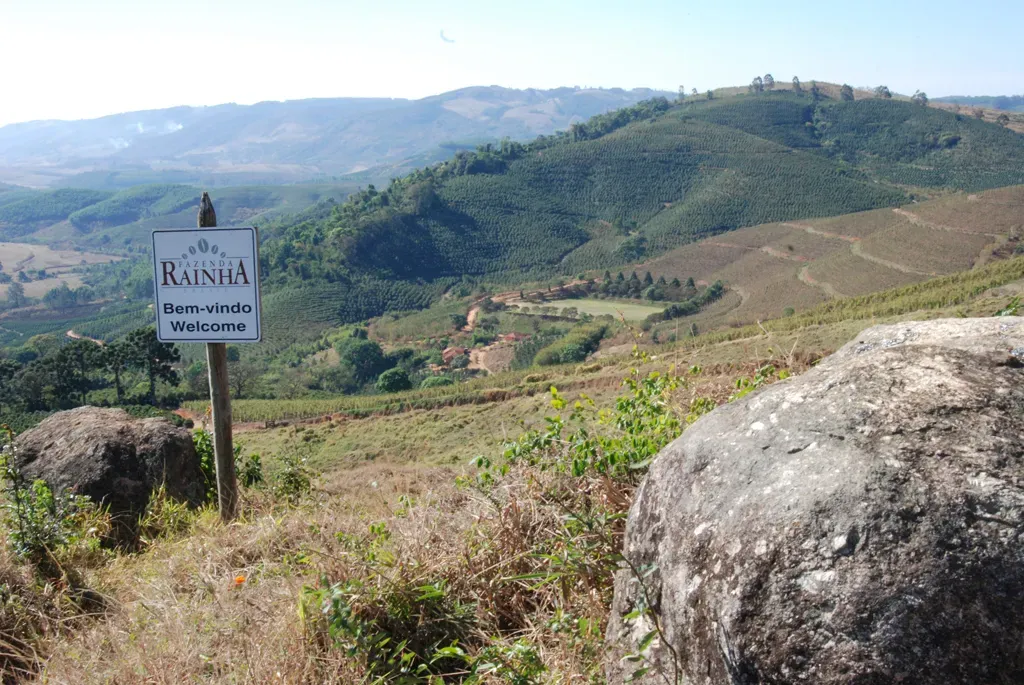
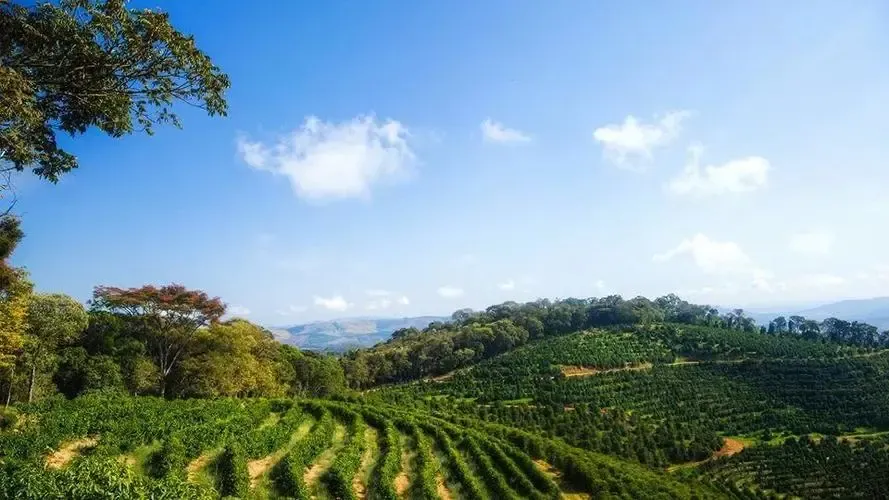
Minas Gerais: Located in southeastern Brazil, it has several of the country's highest mountain ranges, and the relatively famous subregions Cerrado and Sul de Minas are both in this state. Many coffee farms in this state are quite large, so mechanical cultivation and harvesting are mostly used. Its output accounts for 30% of Brazil's Arabica varieties, with elevations of 700–1,350 meters. The coffee often has a rich, sweet-toned character. Front Street Queen Farm coffee beans come from this producing region.
Espírito Santo: Compared with other coffee-producing regions, this region is smaller in area. Vitória, the capital, is the main export port. In this region, 80% grows Robusta, and only farmers in the southern part of the region tend to grow Arabica. The elevation is 900–1,200 meters.
Front Street Coffee (FrontStreet Coffee) Brazil Entry-Selection Cerrado Red Bourbon Coffee Beans
Region: Cerrado
Altitude: 700–1,200 meters
Variety: Red Bourbon
Processing method: Pulped natural
Flavor: Nuts, dark chocolate, cream, peanut, caramel
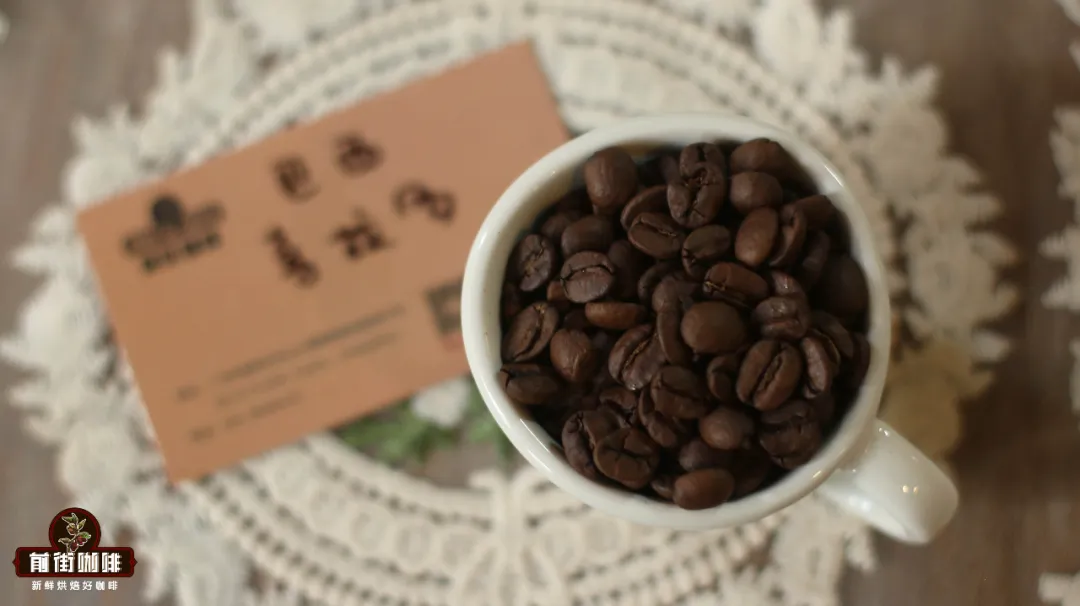
FrontStreet Coffee's Entry-Selection Lindong Mandheling uses the pulped natural processing method and is dark roasted. Front Street uses a KONO dripper, brews at a 1:15 ratio, and uses a water temperature of 88°C. On the palate, it has nut, peanut, and dark chocolate flavors, a creamy and mellow mouthfeel, high sweetness, and overall balance.
The above content is compiled by CoffeeHunters, a coffee news website.

