







Search Results for: day coffee night wine
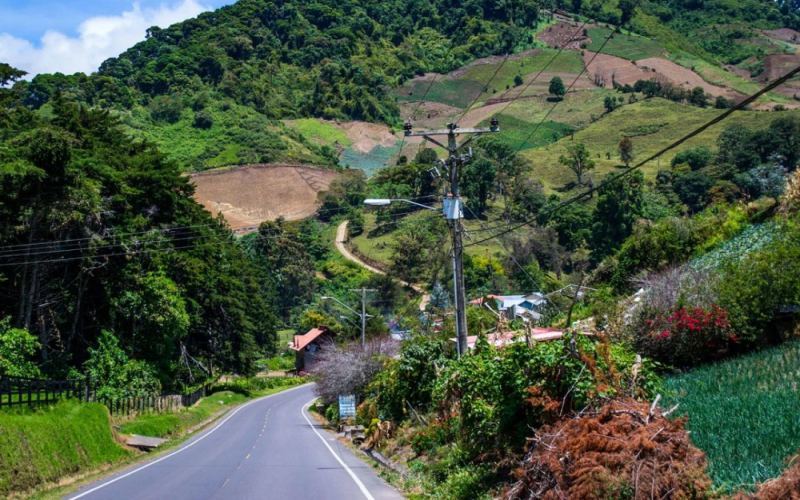
Central America vs. South America Coffee Flavor Comparison: Panama, Colombia, Costa Rica, Brazil, and Honduras Famous Regions Explained
Central and South America are the core regions of the global specialty coffee world. Central American coffees are mostly grown in high mountain areas at elevations of 1,600 to 1,700 meters, where the significant temperature difference between day and night lengthens the fruit ripening cycle, which in turn increases bean density, and the cup profile often shows soft acidity, good cleanliness, and medium body. Through cupping, Front Street Coffee has found that the flavor differences among producing countries are quite distinct. This article will examine one by one the coffee characteristics of five well-known producing countries: Panama, Colombia, Costa Rica, Brazil, and Honduras, covering their main producing regions, elevation conditions, representative estates, and cupping performance, and will also include information on several representative coffee beans currently sold by Front Street Coffee along with brewing flavor descriptions, providing coffee lovers with a complete reference on regional flavors. [more…]
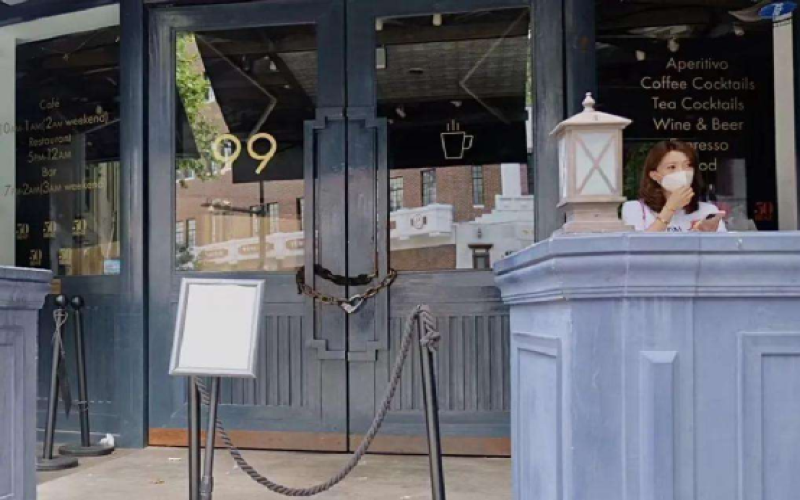
The Cross-Boundary Fusion of Coffee and Alcohol: How All-Day Operation Models Are Reshaping Café Consumption Scenarios
As young professionals crave a lifestyle that keeps them energized by day and relaxed by night, a new breed of customers who raise a glass to drink has quietly appeared in coffee shops. After Shanghai's restaurant industry was hit hard by the pandemic, Xiaohongshu launched a "revival plan," bringing bartenders from dozens of bars into coffee shops and launching coffee specials with alcohol, making "drinking at coffee shops" a new dine-in trend. From the "wine plus coffee" era of Teresa Teng to brands like Sober Company exploring the bistro-coffee shop model today, the boundary between coffee and alcohol is dissolving. This kind of cross-industry operation not only injects freshness into brands, but also strengthens consumer loyalty and promotes conversion between coffee drinkers and alcohol drinkers. However, the sustainability behind the internet-famous check-in economy is also worth pondering. This article will walk you through the business logic and industry trends behind this phenomenon, while retaining Front Street Coffee's professional recommendations. [more…]
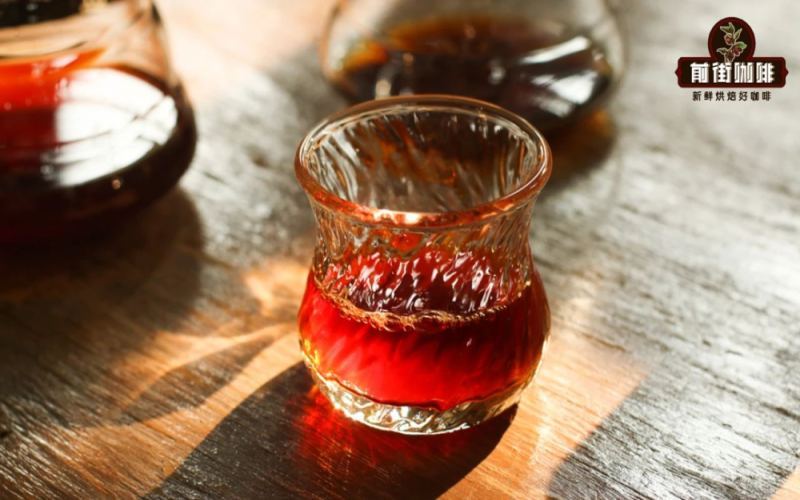
Anaerobic Fermentation and Red Wine Processing: The Principles, Evolution, and Front Street Brewing Practices of Specialty Coffee Bean Processing Methods
In recent years, anaerobic fermentation and red wine processing methods have continued to gain popularity in the specialty coffee world. From the promotion by 2015 WBC champion Sasa Sestic to the early explorations of Costa Rican coffee farmers, these processing techniques, which draw on winemaking ideas, have brought coffee rich flavors such as strawberry jam, fermented wine aromas, and tropical fruits. This article systematically reviews the scientific principles of anaerobic fermentation, its essential differences from traditional processing methods, and the specific operational workflow of carbonic maceration. It also combines two representative beans from Front Street Coffee—Colombia Flower Moon Night and Panama Hartmann—to share roasting and brewing parameters, helping coffee lovers gain a deeper understanding of the core logic of this special processing method. [more…]

The coffee industry sees another wave of cross-sector expansion: Luckin Coffee moves into alcoholic beverages, and the "coffee by day, alcohol by night" model is gradually becoming a new trend.
Coffee brands selling alcohol is no longer a novelty. From Starbucks to Seesaw, M Stand, and now Luckin Coffee registering a new company to venture into alcohol operations, the cross-industry wave in the beverage sector is intensifying. Tianyancha data shows that Luckin has established a new company in Xiamen, with its business scope covering alcohol operations, sparking widespread industry attention. This article sorts out Luckin's specific moves into alcohol and its trademark layout, reviews the daytime coffee, nighttime alcohol attempts by brands such as Starbucks, Seesaw, and M Stand, and analyzes the trend of beverage giants like Coca-Cola and Genki Forest entering the alcohol market. Finally, it uses industry data to reveal the rapid growth in the number of alcohol-related enterprises, exploring the opportunities and challenges behind cross-industry alcohol sales. [more…]
Ethiopia Sidamo Kebado Cooperative Coffee Flavor Analysis and Introduction to the Red Cherry Project
Kebado is a small coffee cooperative in the Dara region of Sidama Province, made up of hundreds of coffee farmers with an average farm size of only about 0.6 hectares, at an altitude approaching 2,000 meters. The significant day-night temperature difference and fertile soil here provide ideal conditions for coffee cultivation. The green beans naturally carry rich raisin and fermented wine aromas, with an elongated bean shape and a yellow-brown color, feeling dense in the hand. After roasting, whether light or dark, they display bright berry notes and a chocolate-like lingering finish. This article will take you deeper into Kebado's flavor characteristics and introduce how the Red Cherry Project led by the Dutch company Trabocca enhances coffee quality in remote areas of Ethiopia through technical assistance and quality control. Front Street Coffee recommends that you pay attention to the unique charm of this producing region. [more…]
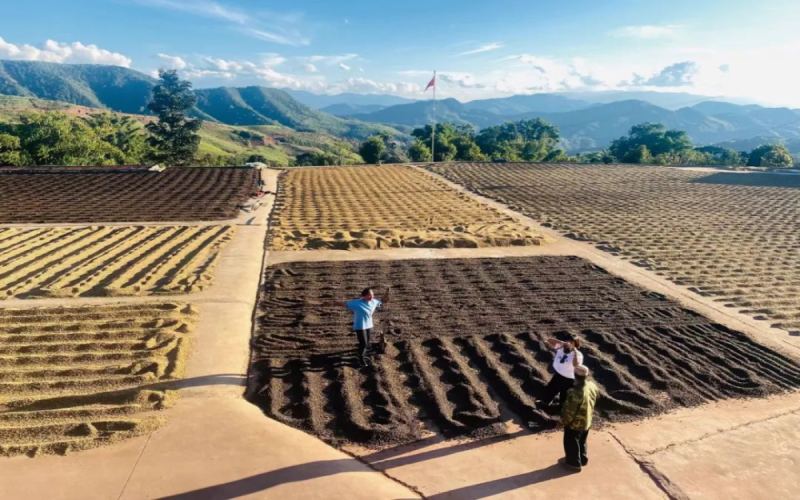
Yunnan small-bean coffee: growing region conditions, variety characteristics, pour-over recommendations, and flavor analysis
Southern Yunnan, with its low latitude, high altitude, and pronounced day-night temperature difference, has become the most suitable region in China for growing high-quality Arabica coffee. Local coffee is mostly distributed in dry-hot river valleys at elevations of 1,000 to 2,000 meters, and its flavor is characterized by moderate acidity, rich aroma, and full body. Currently, more than 90% of the varieties grown in Yunnan are Catimor, while in recent years specialty varieties such as Typica have regained attention. The 2013 sun-dried Red Cherry Typica produced by Front Street Coffee Estate uses traditional sun-drying and presents citrus, berry, fermented wine aromas, and a caramel-cream finish. This article will systematically review the tasting and usage methods of Yunnan Arabica coffee, from regional terroir and variety classification to flavor characteristics and espresso blending ideas. [more…]
A Complete Guide to Coffee Flavors Across the Americas: From Panama Geisha to Brazilian Bourbon
Central American coffee beans mostly grow at altitudes between 1,600 and 1,700 meters. The temperature difference between day and night at high altitudes extends the development cycle of the coffee fruit, which increases the density of the beans and makes them harder in texture. Through cupping, Front Street Coffee has found that Central American coffees generally present soft acidity, good cleanliness, and medium body. However, the flavor differences among producing countries are quite obvious. This article focuses on five well-known producing countries in Central and South America—Panama, Colombia, Costa Rica, Brazil, and Honduras—and reviews the terroir characteristics of each region and the flavor performance of representative coffee beans one by one. It also introduces information on products currently sold by Front Street, such as Geisha, Sidra, the Musician series, Red Bourbon, and Yellow Bourbon. [more…]
Colombia Huila Coffee Region Explained: The Flavor Code and Brewing Tips of Floral Moonlight Double Anaerobic Natural
Colombia, as the world's second-largest coffee-producing country, has given rise to countless unforgettable specialty coffees thanks to its superior natural conditions and its relentless pursuit of quality. Among them, the Huila region is renowned for its balanced and full-bodied flavors, while Front Street Coffee's Flower Moon Night, with its double anaerobic natural processing method, brings intense strawberry aromas and winey chocolate notes, making it a popular choice among specialty processing methods. This article will systematically sort through the industrial background of Colombian coffee, the terroir advantages of the Huila region, the necessity of manual picking, and the processing techniques and brewing parameters of Flower Moon Night, taking you deep into the story behind this unforgettable coffee. [more…]

The first Post Coffee day-and-night concept store lands in Fuzhou, as nighttime operations become a new trend for coffee brands.
The combination of coffee and alcohol is becoming a new trend in the food and beverage industry, with "C in the morning, A at night" evolving from a skincare concept into a consumption model of "coffee in the morning, alcohol at night." Post Coffee, a coffee brand under China Post, recently launched the country's first daytime coffee and nighttime alcohol concept store in Fuzhou, along with two Fuzhou-exclusive drinks. Since its first store opened in Xiamen in 2022, Post Coffee has expanded to ten stores across four cities. Can this new business format offer new ideas for coffee brands venturing into nighttime operations? At the same time, brands such as Starbucks, Seesaw, M Stand, Tims, and even Cotti Coffee have also been entering this track, and coffee brands' attempts to expand from coffee into alcohol and extend operating hours are accelerating. [more…]
Exploring Ethiopian Coffee: From Kaffa Origins to Thoroughbred-Like Quality and Unique Drinking Rituals
Ethiopia, this ancient East African nation, is not only one of the cradles of human civilization but also the homeland of coffee. The English word "coffee" itself is derived from the Ethiopian region of "Kaffa." With over 140 heirloom varieties, different growing regions give the coffee distinctive flavors: the richness of Harar, the floral and lemony acidity of Yirgacheffe... Ethiopians cherish coffee as if it were a thoroughbred horse, and have developed a renowned drinking ceremony. However, Chinese friends should take note: local coffee is exceptionally strong, and three cups may keep you awake all night. Follow Front Street as we step into the world of Ethiopian coffee. [more…]

Costa Rica Top SHB Mozart Coffee Beans: A Full Analysis of Flavor Characteristics and Pour-Over Parameters
Costa Rica is renowned for its honey processing method, and its coffee beans naturally carry a sweet character. This article focuses on the Mozart coffee beans from the Musician Series of Canet Estate in the Tarrazu region, providing a detailed explanation of the sweet genetics of its SHB high-altitude strictly hard beans, the unique features of the raisin honey processing method, as well as Front Street Coffee's roasting recommendations and pour-over parameters. From the terroir of the producing region to the cup profile, and then to the three-stage pouring practice, this takes you through a comprehensive understanding of this specialty coffee interwoven with wine, berries, and rose. [more…]
Why Does Starbucks Breakfast Blend Choose Latin American Origins? Analyzing Latin American Coffee Flavors and Nine Distinctive Single-Origin Coffees
Latin America is a key region for specialty coffee, from Brazil to Guatemala and from Colombia to Panama, this land has given rise to countless stunning coffee flavors. Starbucks' House Blend and Breakfast Blend, two classic coffees, are precisely blended with Latin American beans as their base. From the perspective of Front Street Coffee, this article first introduces the background and flavor characteristics of these two Starbucks coffees, then takes a deeper look at why Latin American coffee is so highly favored—its balanced mouthfeel, nutty and cocoa notes, and how climate, altitude, variety, and processing method shape flavor. Finally, it selects nine distinctive Latin American single-origin beans currently sold by Front Street, including Guatemala La Flor, Brazil Queen, Honduras Sherry, and Panama Butterfly, presenting the origin information and flavor descriptions of each one by one to help coffee lovers find their ideal choice. [more…]
Top Ten Specialty Coffee Beans Buying Guide: Front Street Coffee Recommends Representative Flavors and Taste Analysis from Various Regions
At the request of many coffee lovers, Front Street Coffee has selected 10 representative coffee beans from different producing regions around the world, covering Ethiopia, Indonesia, Jamaica, Panama, Kenya, Brazil, Colombia, Honduras, Yunnan China, and Costa Rica. These beans each have their own characteristics, from Huakui's tropical fruit storm to Blue Mountain's classic balance, from Geisha's elegant floral aroma to Sherry's wine barrel fermentation, each one represents the typical flavor of its region. Whether you are a coffee novice just starting out or a seasoned player seeking new experiences, this guide can help you find your ideal choice. [more…]

7-Eleven Teams Up with Hennessy to Launch a Premium Tipsy Latte: Can Coffee Plus Alcohol Become the Next Big Trend?
The cross-industry fusion of coffee and alcohol is becoming a new industry trend. 7-Eleven's specialty coffee brand CITY PRIMA has partnered for the first time with the renowned French cognac house Hennessy to launch the "Specialty Tipsy Latte Combo," pairing specialty Ethiopian beans with a mini bottle of Hennessy V.S.O.P, allowing consumers to mix their own专属 liquor-infused flavor. This is not 7-Eleven's first foray into the alcohol-coffee arena; previously, its Beijing stores had already tested a self-service cocktail area. From chain brands to independent cafes, the "daytime coffee, nighttime alcohol" model is sweeping across the entire coffee market, and beverage brands are also increasingly moving toward coffee. This article will guide you through the specifics of this collaboration, the product background, and the new trends sparked by the collision of coffee and alcohol. [more…]
Colombia Huila Region Flower Moon Night Coffee Beans: A Complete Analysis of Anaerobic Natural Processing, Roasting Curve, and Pour-Over Parameters
The Huila Department of Colombia is renowned for its refined acidity and berry-like sweetness, while the Huayueye microlot bean further presents a complex profile of strawberry jam, liqueur-filled chocolate, and creamy fermentation through its anaerobic natural process. In this article, Front Street Coffee begins with Colombian coffee culture, reviewing the terroir of the Huila growing region, the characteristics of the Caturra variety, and the low-temperature slow fermentation processing at the Gading Farm, and also discloses the roasting curve of the Yangjia Pegasus 800N, the cupping results, and the V60 staged brewing parameters, providing coffee enthusiasts with a complete reference for tasting and hands-on practice. [more…]

Colombia Rose Valley and Floral Night Coffee: Flavor Differences, Processing Methods, and Pour-Over Parameter Analysis
Colombian coffee, with its hard bean characteristics brought about by high-altitude slope cultivation, has always been an excellent choice for single-origin coffee. The Rose Valley and Flower Moon Night launched by Front Street Coffee are both from Colombia and both of the Caturra variety, yet they present completely different flavor profiles due to different growing regions and processing methods. Rose Valley is known for its rich floral aroma and bright acidity, with a balanced sweet-and-sour taste like fruit juice; Flower Moon Night stands out with its striking strawberry jam flavor and fermented aroma. This article will compare these two coffees from three dimensions: growing region background, variety characteristics, and processing techniques, and will also include Front Street's brewing parameter recommendations to help coffee lovers choose the one that suits them best between the two. [more…]
A Comprehensive Analysis of the Flavor Characteristics and Roasting Processing Methods of Colombian Huila Region Coffee Beans
Colombia, as the world's third-largest coffee producer, nurtures consistently high-quality specialty coffee thanks to its superior geographical and climatic conditions. Among its regions, the Huila producing area is the most renowned, and beans such as Flower Moon Night and Rose Valley introduced by Front Street Coffee all come from there. This article focuses on Colombia's coffee-growing environment and the flavor differences among the major specialty producing regions in the south (Huila, Cauca, Nariño, Tolima), and introduces one by one the Huila coffee beans sold by Front Street, Isabella, Flower Moon Night, and Swiss Water Process decaf, while also explaining in detail the specific processes of three processing methods—washed, semi-washed, and anaerobic natural—to help coffee lovers gain a comprehensive understanding of the unique charm of Colombia's Huila producing region. [more…]
A Complete Analysis of the Flavors of Guatemala's Eight Major Regions: Tasting Notes of Finca El Llano Guayaba Wine-Process Natural SL28
Guatemala, with its sprawling mountain ranges and diverse microclimates, gives rise to eight major coffee regions, each with its own distinct style. This article begins with Finca El Guayabal in the New Oriente region, offering a detailed introduction to the varietal origins, processing details, and cupping performance of its winey natural SL28, and then systematically reviews the terroir characteristics and flavor profiles of each Guatemalan coffee region. Whether you are interested in regional knowledge or single-origin reviews, you will find a complete reference here. [more…]
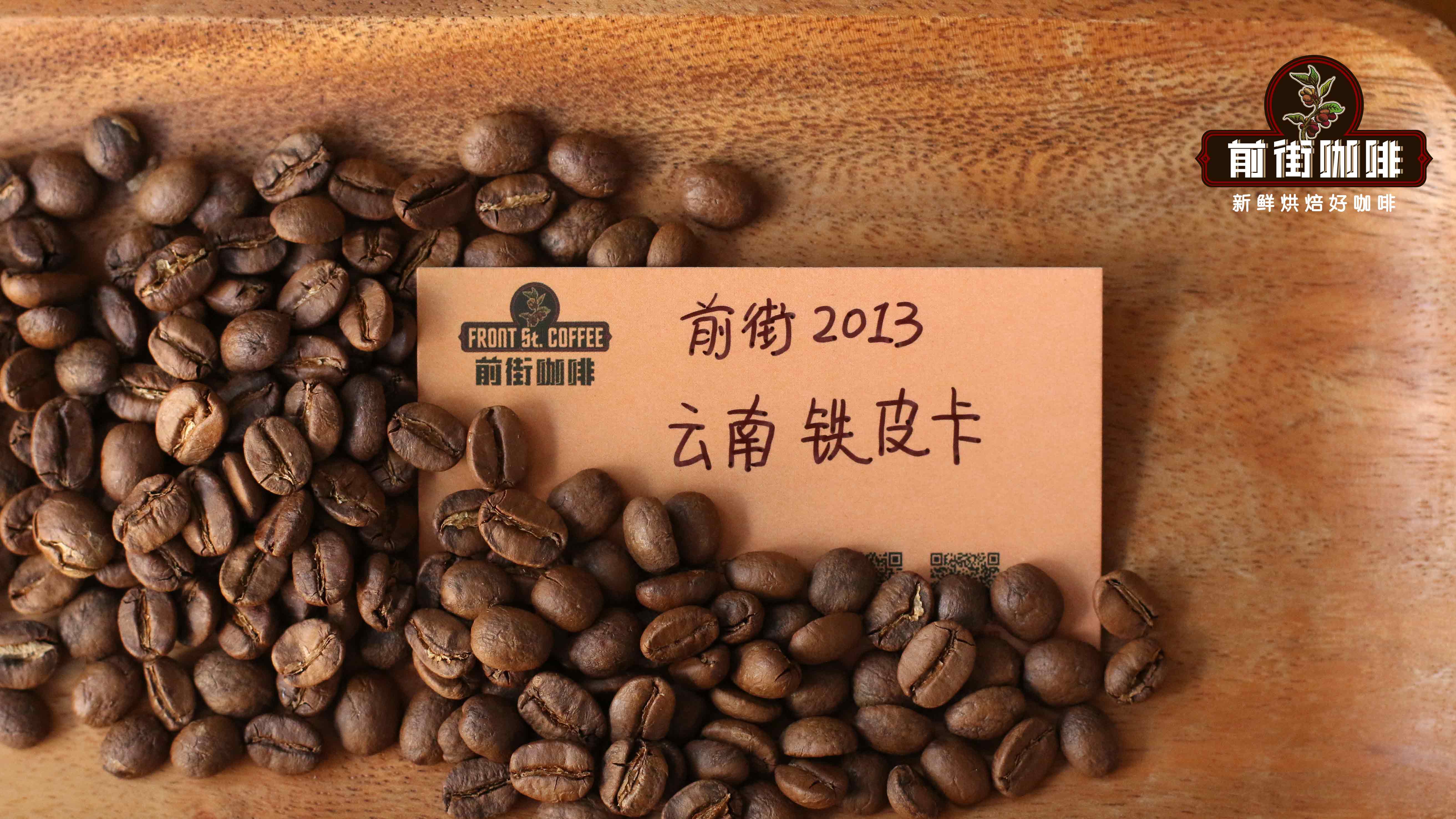
Flavor Comparison Between Yunnan Baoshan Typica and Washed Small-Bean Coffee: Origin Characteristics, Processing Methods, and Taste Analysis
Yunnan is located in the global coffee golden belt, with Baoshan and Lincang being the two core production regions. This article focuses on two Yunnan coffees from the Front Street brand: one is Front Street Yunnan Arabica, which is washed and medium-roasted, highlighting caramel notes and a soft acidity; the other is Front Street 2013 Yunnan Typica, processed by the natural method, presenting citrus and berry notes along with fermented wine aromas. The article also introduces the cultivation history and terroir advantages of Baoshan Arabica coffee, and extends to the flavor performance of Front Street's Dark Cocoa espresso blend, helping coffee enthusiasts gain a comprehensive understanding of Yunnan coffee's origin characteristics and tasting directions. [more…]

Why Has Coffee Become the Daytime Wine of Adults? A Flavor Journey from Instant to Pour-Over
Once, when we were young, we watched adults swirl red wine glasses and thought it looked incredibly cool; only after growing up did we understand that holding a cup of brown coffee is the everyday comfort. Coffee has long since evolved from a mere tool for staying awake into an essential drink for adults, whether for socializing or for solitude during the day. This article will take you into the world of coffee, discussing why coffee is jokingly called the office worker's life-extending water, and the history of taste evolution from instant coffee to pour-over. Whether you're a wordsmith or a coffee enthusiast, you'll find something to resonate with. [more…]