







How does central american coffee differ from South America?
Central American coffee is generally grown at 1,600 to 1,700 meters, where cool nights and warm days slow fruit ripening. Denser beans result, and cupping typically shows soft acidity, good cleanliness, and medium body. The comparison covers Panama, Colombia, Costa Rica, Brazil, and Honduras, each with distinct microclimates and estate traditions that shift the final cup.
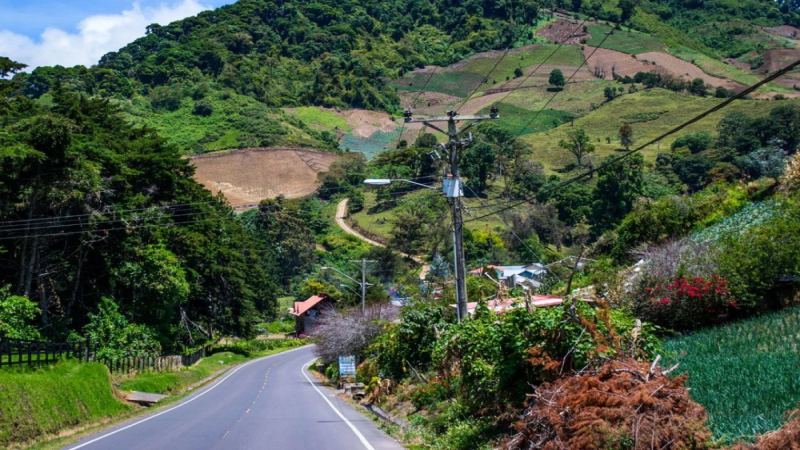
Panama sits at the southern tip of Central America, giving it complex microclimates and a balanced, soft-acid profile across regions such as Boquete, Volcan, Santa Clara, and Piedra de Candela. The broader american coffee picture includes both continents, so altitude, variety, and processing decide whether a lot reads clean and mild or fuller and sweeter in the cup.
Central and South America are the core regions of specialty coffee worldwide. Central American coffee is mostly grown at high altitudes of 1,600 to 1,700 meters, where the significant temperature difference between day and night lengthens the fruit ripening cycle, thereby increasing bean density and typically producing a cup profile with soft acidity, good cleanliness, and medium body. Through cupping, Front Street Coffee has found that flavor differences between producing countries are quite distinct. This article will examine the coffee characteristics of five well-known producing countries—Panama, Colombia, Costa Rica, Brazil, and Honduras—covering their main producing regions, altitude conditions, representative estates, and cupping performance, along with information on several representative coffee beans currently sold by Front Street Coffee and their brewing flavor descriptions, providing coffee lovers with a complete regional flavor reference.
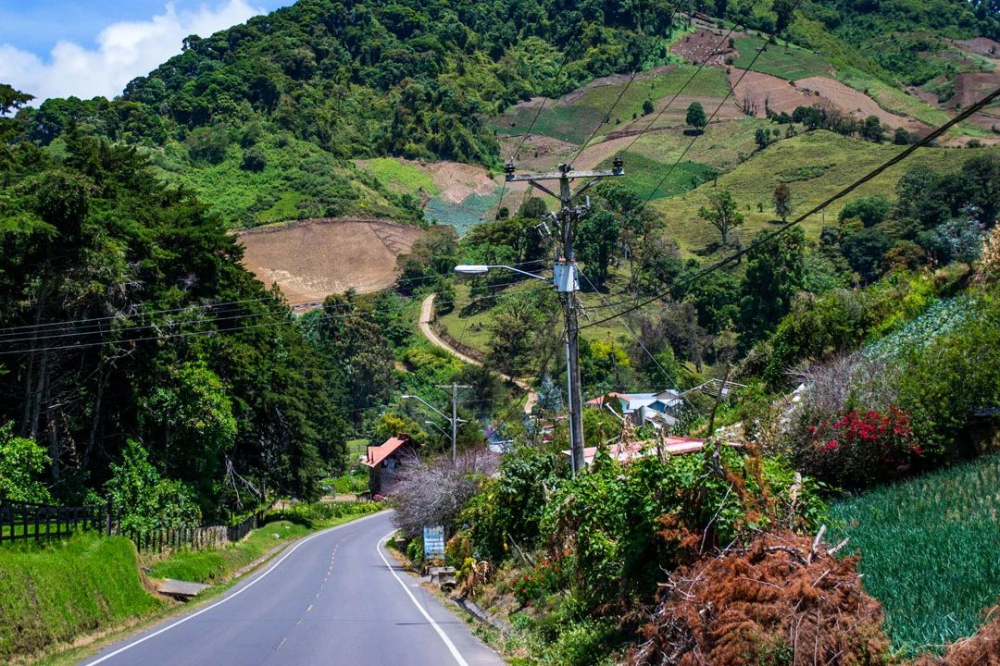
The growing altitude of Central American coffee beans usually ranges between 1,600 and 1,700 meters. The temperature difference between day and night brought by high altitude causes the coffee fruit to slow its growth rhythm, making the beans denser and harder in texture. After cupping many Central American coffees, FrontStreet Coffee found their common characteristics to be mild acidity, excellent cleanliness, and moderate body. However, when it comes to each individual producing country, the flavor expression diverges. Next, Front Street will explain the coffee flavor characteristics of several of Central America's most well-known producing countries—Panama, Colombia, Costa Rica, Brazil, and Honduras—one by one.
|Panama Coffee
Introduction
Panama is located at the southernmost tip of Central America, with the Caribbean Sea to the east, the Pacific Ocean to the west, Costa Rica to the north, and Colombia to the south, making it a key isthmus linking North and South America. This geographical layout gives Panama variable and complex microclimatic conditions, and thus breeds coffees with a distinctive style. When cupping Panamanian coffee beans, Front Street noticed that the beans are plump but relatively light in weight, with soft acidity and an overall balanced flavor. Panama can be roughly divided into four producing regions: Boquete, Volcan, Santa Clara, and Piedra de Candela.
Boquete: at about 1,450 meters above sea level, it is Panama's largest and highest-quality coffee-producing region. Hacienda La Esmeralda, Kotowa Estate, Elida Estate, and others are all located here.
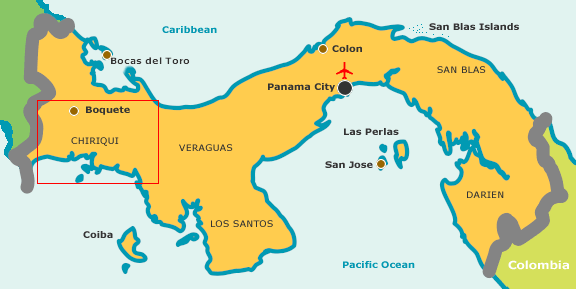
Volcan: at 2,000 to 3,000 meters above sea level, coffees from this region are known for their mild and balanced flavor, and in recent years have gradually attracted the attention of international experts and coffee lovers. The famous Baru Volcano coffee comes from here.
Santa Clara: at 1,500 meters above sea level, benefiting from irrigation by the Chorerra Falls and its proximity to the Panama Canal, coffee from all over Panama can be smoothly shipped to markets around the world.
Piedra de Candela: at 1,200 meters above sea level, it is a micro-region under the Volcan producing area, named after the Baru Volcano and the city of Piedra Candela. This region is regarded as one of the areas with the greatest potential for developing high-quality specialty coffee. Panama's most famous coffees are none other than the Geisha coffee beans from Hacienda La Esmeralda in the Boquete region, and the wine-process coffee beans from Hartmann Estate in the Volcan region.
FrontStreet Coffee — Panama Hacienda La Esmeralda Natural Green Label Geisha Coffee Beans
Region: Panama Boquete
Estate: La Esmeralda Estate
Altitude: 1600-1800m
Variety: Geisha
Processing Method: Natural
Brewing Flavor: On entry, bright lemon acidity and jasmine aroma; as it gradually cools, passion fruit aroma and strawberry juice-like quality; finally, a honey-like sweet finish. The coffee is full-bodied and smooth overall.
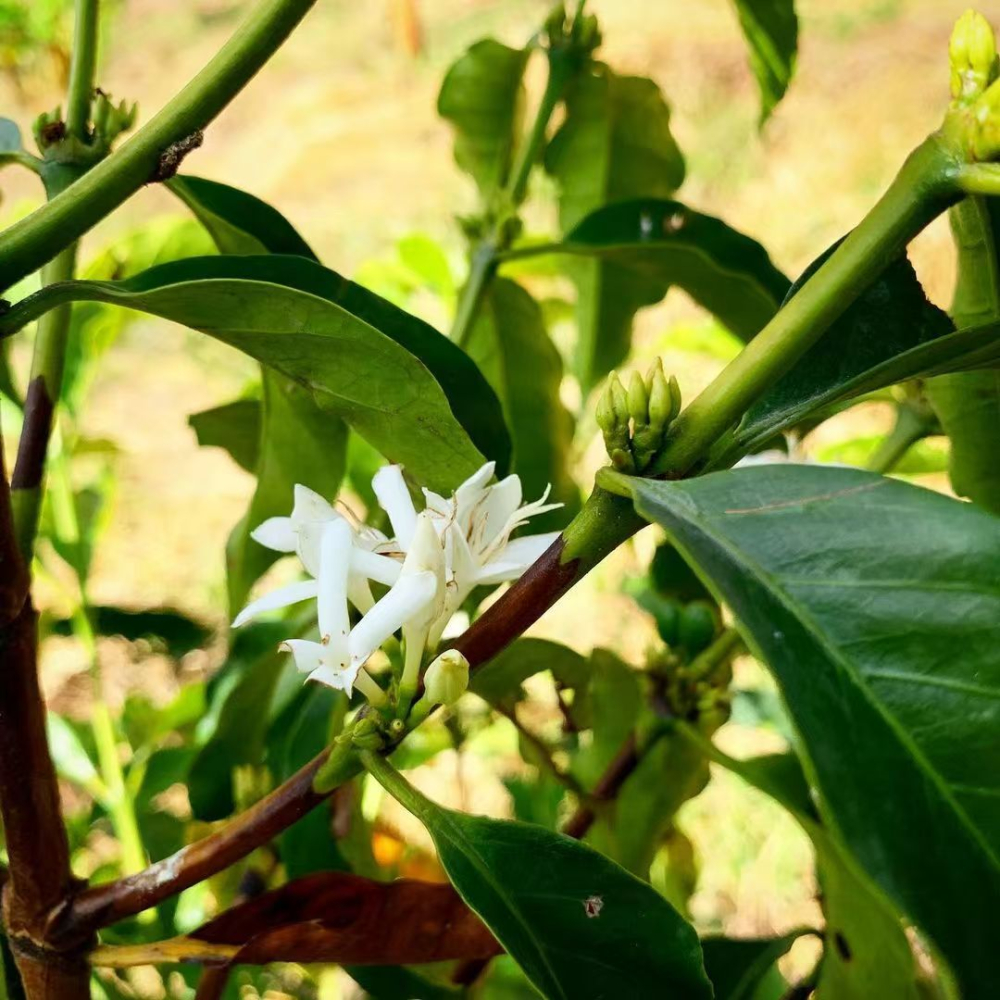
Why are Hacienda La Esmeralda Geisha coffee beans so famous?
Geisha beans are slender in shape and have a fresh, pleasant flavor. From these two points, it does not resemble coffee varieties from Central and South America, but rather is closer to Ethiopian coffee. When exactly was Geisha introduced to Panama? In 1931, it was discovered in the Geisha forest of Ethiopia. After that, Geisha was sent to the Kenya Coffee Research Institute, spread to Uganda and Tanzania in 1936, entered Costa Rica in 1953, and was not introduced to Panama until around 1960.
Although Geisha has strong disease resistance, its yield is low, so at the time people used it as a plant for variety improvement and then gradually lost interest, until the estate owner rediscovered it in a windbreak forest. Although the Peterson father and son were not the ones who introduced the variety, they can be called the "talent scouts" of Geisha coffee. In 2004, the father and son separated the Geisha from this area and entered it in that year's BOP cupping competition. Its aroma and taste won over all the judges, making it famous overnight and setting a then-record price of 21 pounds per kilogram. It can be said that without Hacienda La Esmeralda, Geisha coffee beans might still not have entered the public eye today.
FrontStreet Coffee — Hartmann Estate Wine Process Coffee Beans
Region: Panama Volcan
Estate: Hartmann Estate
Altitude: 1250-1700m
Processing Method: Wine Process
Variety: Catuai
Brewing Flavor: Smooth on entry, lively and bright acidity, soft acidity, rich layers, obvious red wine finish, honey, and sucrose notes; after fully cooling, a brown sugar flavor.
The wine process does not mean using red wine to process green coffee beans, but rather processing coffee in a way similar to red wine fermentation, greatly enhancing the sweetness, cleanliness, and multi-layered elegant acidity in the coffee. This fermentation method greatly improves the quality and uniqueness of the coffee produced. The wine process is also called controlled fermentation, or lactic/acetic acid fermentation. Selected coffee cherries are placed in a specific container, which should be equipped with a device similar to a red wine fermentation lock or one-way exhaust valve. In this way, carbon dioxide can be discharged through the device, thereby controlling the air concentration inside the container. At this point, the coffee cherries in the container undergo acetic acid fermentation, and the beans from this reaction have a relatively bright, clean flavor with citric acidity. Front Street believes that coffee beans undergoing the wine process will have a fermented vinous aroma similar to red wine, a mellow body, and clean acidity.
|Colombia
Coffee Introduction
Colombia's coffee-growing regions can be divided into two parts. One part is located in central Colombia, mainly producing commercial coffee beans at lower altitudes, around 1,000m. This area is called MAM: M refers to Medellin, the capital of Antioquia Department; A refers to Armenia, the capital of Quindio; and the other M refers to Manizales, the capital of Caldas Department. Coffee beans from the central region are low in acidity, mellow, and have good sweetness, somewhat close to the flavor of Indonesian Mandheling. The other part is located in south-central Colombia, and past SCAA Coffee of the Year winners have come from this area. With volcanoes everywhere, it is a specialty coffee bean region full of hidden talents. This area includes Tolima, Cauca, Huila, and Narino.
Huila is located in southern Colombia, in the southern part of the Central Cordillera, and is the country's most famous specialty coffee-producing region. This area is mountainous and surrounded by mountains, with cultivation altitudes above 1,500 meters. Colombia's most important rivers converge here, bringing abundant water resources and moisture. Through cupping, FrontStreet Coffee found that coffees from the Huila region have strong nutty, chocolate, and caramel flavors.
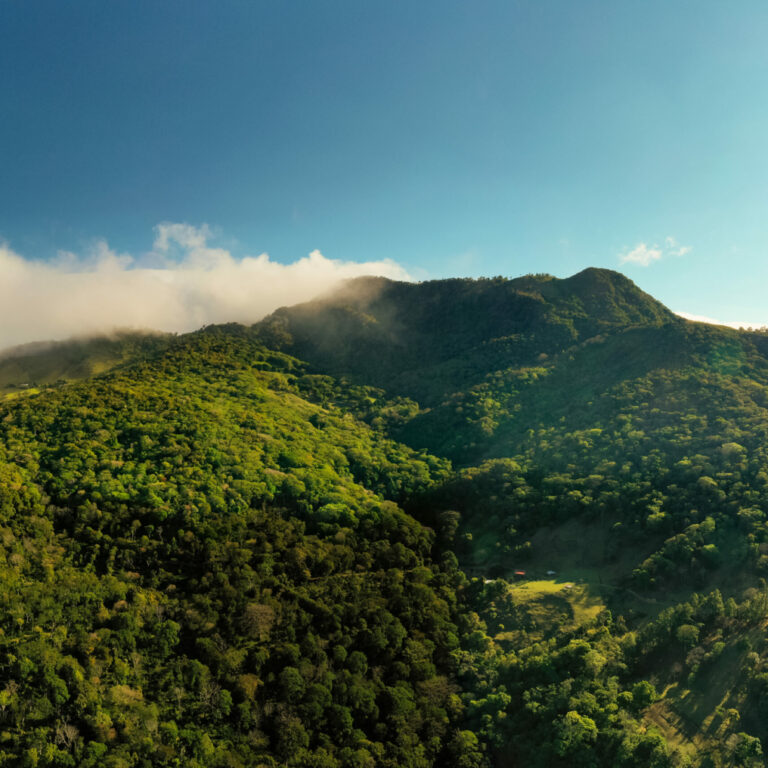
Tolima: Farms in Tolima are generally slightly larger than those in other southern Colombian producing regions, at about 10-15 hectares. Cooperatives are also common here, with farmers sending their small batches of coffee cherries to the cooperative's processing plant. Some farmers also choose to process them themselves, using their own small-scale processing facilities capable of handling the day's harvest. Through cupping, FrontStreet Coffee found that coffee beans from the Tolima region have soft berry acidity and nutty cocoa flavors.
Cauca is a region certified as a Colombian coffee place of origin, with an average altitude of 1,758m and a maximum altitude of up to 2,100m. The region's terrain, rainfall, temperature, and volcanic soil provide suitable conditions for coffee growth. Eighty percent is mountainous, with parallel mountain ranges in the east and center that are part of the Andes. Front Street believes that it is precisely this high-altitude growing environment that gives Cauca coffee better acidity and its much-praised distinctive sweetness.
Narino is located in southwestern Colombia, bordering the Pacific Ocean to the west and Ecuador to the south, with the Andes running across the entire province. Coffee is grown at high altitudes of 1,600 to 300 in the cloud forest belt. The soil is fertile volcanic geology, and the beans are smaller but plump with an emerald green color. The coffee from this region has a round, delicate flavor, slight sweetness and cocoa notes, a rich aroma, and walnut aromas.
Among the most famous Colombian coffees are none other than the Flower Moon Night coffee beans from Colombia's Huila region and the Cherry Blossom coffee beans from Finca Paraiso in Colombia's Cauca region.
FrontStreet Coffee — Colombia Cherry Blossom Coffee Beans
Region: Colombia Cauca
Altitude: 2050m
Variety: Castillo
Processing Method: Double Anaerobic Washed
Brewing Flavor: The wet aroma offers the sweetness of strawberry jam along with chamomile and cherry blossom aromas. On entry, strawberry-like sweet acidity, basil leaf and mugwort aromas, and a mint tea-like finish.
This Colombian Finca Paraiso coffee bean obtained by Front Street uses the double anaerobic washed method: after two rounds of anaerobic fermentation, the coffee beans are removed from the anaerobic environment and washed to remove the mucilage layer, then sun-dried to reduce the moisture content to about 11%. This coffee is unique in both its wet and dry processing. First, the coffee cherries undergo one anaerobic fermentation, then the depulped coffee undergoes a second anaerobic fermentation. After fermentation is completed, it is dried for a long time using self-developed machinery. The entire process retains extensive data collection to facilitate the replication and promotion of the growing and post-processing methods.
FrontStreet Coffee — Flower Moon Night Coffee Beans
Region: Colombia Huila
Altitude: 1800m
Variety: Caturra
Processing Method: Anaerobic Natural
Brewing Flavor: First comes the sweetness of strawberry jam and the fermented quality of ripe berries. On entry, cranberry acidity and berry juice spread to every corner of the mouth, followed by a liqueur chocolate-like finish in the nasal cavity.
This Flower Moon Night coffee bean obtained by Front Street uses anaerobic natural processing. This method injects carbon dioxide into a sealed container, expels the oxygen inside, and in an oxygen-free environment slows the decomposition rate of sugars in the coffee mucilage. The pH value also drops more slowly, extending fermentation time and thereby developing better sweetness and a more balanced flavor. The anaerobic natural method used for this Flower Moon Night coffee bean obtained by Front Street means that after anaerobic fermentation ends, the fermented coffee beans are sun-dried, and after the moisture is reduced to 11%, the skin, pulp, and other parts are removed mechanically.
|Costa Rica Coffee Introduction
Costa Rica mainly has eight major coffee-producing regions: West Valley, Central Valley, Tarrazu, Tres Rios, Orosi, Brunca, Turrialba, and Guanacaste. Among them, Central Valley and Tarrazu are the most famous.
Tarrazu is located south of the capital, San Jose. This land can produce more than 450 tons of coffee each year. However, Tarrazu La Metta coffee is grown without artificial fertilizers or insecticides, and its harvesting and sorting are done entirely by hand. The reason for this is to avoid the damage to coffee beans caused to some extent by air-jet sorting. Front Street observed that Tarrazu coffee beans are plump, and through cupping found the overall body to be rich, the mouthfeel smooth, with rich chocolate and nut aromas, moderate acidity, and an attractive fragrance.
FrontStreet Coffee — Costa Rica Musician Series Beethoven Coffee Beans
Region: Costa Rica Tarrazu
Estate: Canet Estate
Processing Method: Washed
Variety: Yellow Catuai
Altitude: 1900m
Brewing Flavor: The overall taste is clean and the aroma rich. On entry, the sweet acidity of strawberry juice and lively citrus-like acidity jump in the mouth like one light, lively note after another, while floral and almond-like finish perfectly adorn this chapter of the music.
Central Valley: Central Valley is a plateau in central Costa Rica, at 1,200-1,600m above sea level. There are three high-altitude volcanoes in the region: Irazu, Barva, and Poas, which provide abundant nutrients to the surrounding coffee-producing areas. Rainfall is moderate, with annual rainfall of 118 inches, and the average annual temperature is only 19°C. High altitude, rich microclimates, mild temperatures, and three volcanoes provide extremely rich volcanic soil. Through cupping different coffee beans from this region, FrontStreet Coffee found that the coffee beans have high density, chocolate and nut aromas, soft berry acidity, and rich sweetness.
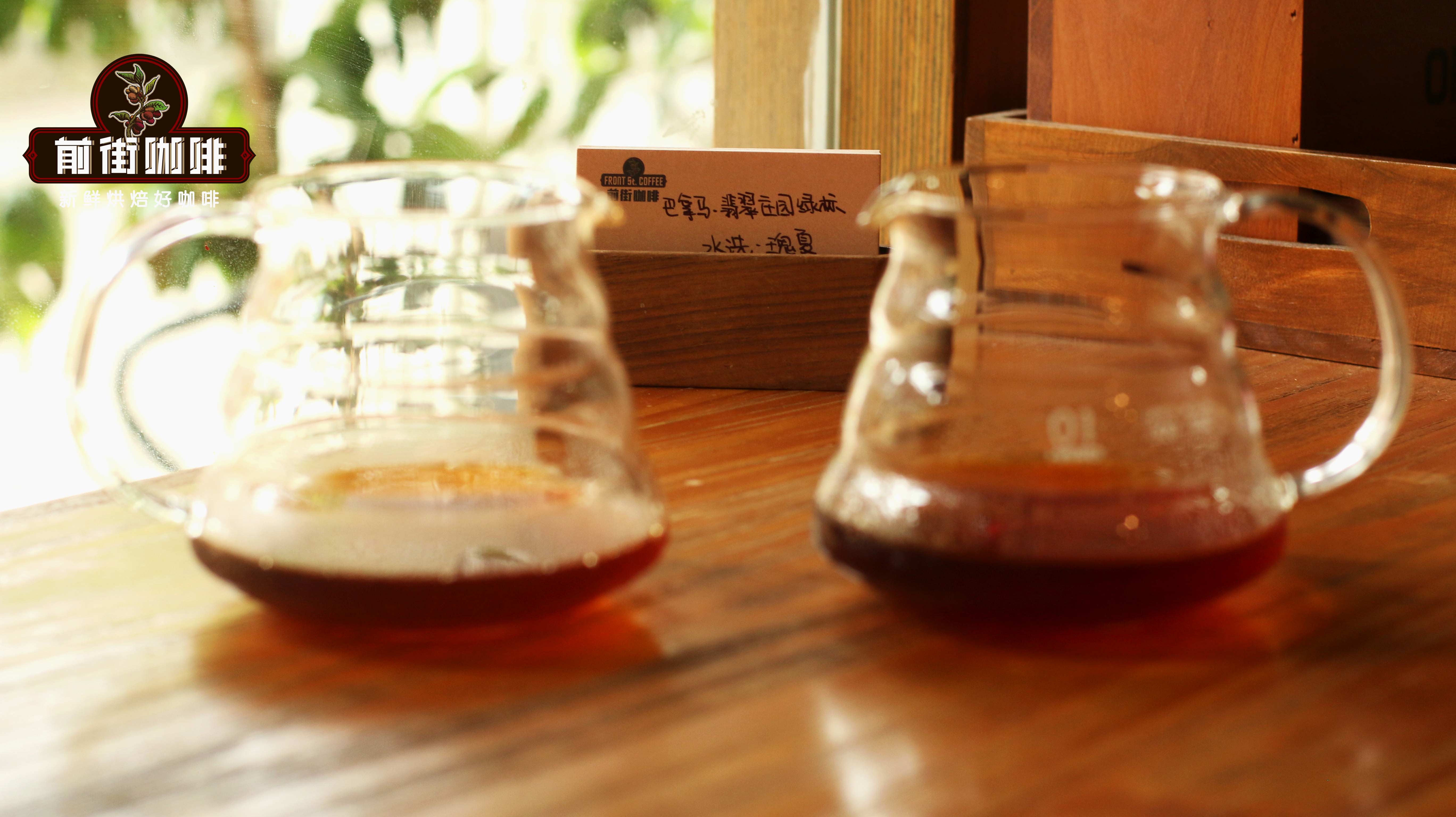
FrontStreet Coffee — Costa Rica Finca Phoenix Sapphire Coffee Beans
Region: Costa Rica Central Valley
Estate: Finca Phoenix
Variety: Caturra, Catuai
Processing Method: Natural
Altitude: 1600m
Grade: SHB
Brewing Flavor: On entry, strawberry, tropical fruit, fermented vinous aroma; in the finish, honey and cocoa. The overall mouthfeel is smooth, the flavor layers are distinct, and the sweet aftertaste is obvious.
|Brazil Coffee Introduction
The higher the altitude at which coffee beans grow, the lower the density of the coffee beans and the higher the hardness. At the same time, the temperature difference between day and night in high-altitude areas contributes more to the formation of coffee bean flavor. Brazil has relatively low altitudes, flat and monotonous terrain, lacks microclimates, and habitually uses the sun-drying method to grow coffee trees, thus producing Brazil's unique soft-bean flavor. Through cupping Brazilian coffee beans from different producing regions, Front Street believes that Brazilian coffee beans have low acidity, medium nuttiness, chocolate sweetness, and a mellow body.
Brazil's main coffee-producing regions are Minas Gerais, Sao Paulo, Bahia, and Espirito Santo. These four places account for 90% of the country's export volume. The Mogiana we commonly see comes from Sao Paulo. Cerrado and Sul de Minas in Minas Gerais, because these three producing regions in Minas Province are at higher altitudes, mostly produce specialty Brazilian coffee beans.
Sul de Minas: with altitudes above 1,100 meters, rolling foothills, rich terrain, distinct dry and wet seasons, large day-night temperature differences, and abundant microclimates, it is suitable for growing Bourbon and Yellow Bourbon with distinctive flavor, and has naturally become a main producing region for specialty coffee.
Cerrado: only areas at 1,100-1,300m altitude can be labeled Cerrado coffee. This area has the essence of the Cerrado savanna. With high altitude and fertile soil, Front Street believes that the coffee beans produced in this region are clean and sweet, with high body and no earthy taste.
Mogiana: this area is very close to southern Minas. Coffee is grown among shrubs, grass, and other vegetation. There are many growing families in this region; some use traditional large-farm operating methods, while others adopt small-scale modern operations. Modern technology combined with mountain coffee-growing culture has created the highest-quality green coffee beans. Through cupping, Front Street found that the coffee beans produced in this region have a sucrose-like clean sweetness.
The two Brazilian coffee beans launched by Front Street are one Yellow Bourbon from Queen Estate in Mogiana Province, and one Red Bourbon from the Cerrado producing region.
FrontStreet Coffee — Brazil Red Bourbon Coffee Beans
Country: Brazil
Region: Cerrado
Altitude: 1000 meters
Variety: Red Bourbon
Processing Method: Semi-washed
Brewing Flavor: On entry, obvious sweetness, with a faint lemon aroma, containing rich nutty flavor; the latter part shows obvious dark chocolate notes; the overall impression is relatively round.
Red Bourbon is what we generally call Bourbon. After the coffee fruit ripens, it appears wine-red, and the coffee bean body is relatively round. Bourbon grown at high altitude usually has better aroma and bright acidity, and tastes somewhat like red wine.
FrontStreet Coffee — Brazil Queen Estate Yellow Bourbon
Region: Sao Paulo State (Queen Estate)
Altitude: 1400-1950m
Variety: Yellow Bourbon
Processing Method: Semi-washed / Natural
Brewing Flavor: The taste has an obvious clean sweetness of sucrose, contains rich nutty flavor, and the latter part shows obvious dark chocolate notes; the overall impression is relatively round.
Semi-washed means removing the skin and pulp of the coffee cherry, which allows control over the fermentation degree of the mucilage-covered coffee beans after depulping. Traditional natural processing, by contrast, dries the beans with the skin and pulp, making it impossible to see the fermentation degree of the mucilage. The semi-washed method lies between natural and washed processing, but it omits the washed process of "tank fermentation and rinsing with clean water" and instead puts the beans directly in the sun to dry. Although the method seems similar, without the fermentation step the coffee bean flavor is completely different. In semi-washed processing, during the removal of the coffee skin and pulp, fully ripe pulp is easy to remove, while the skin of unripe green cherries is not easy to remove, so a second sorting can be carried out to filter out unripe fruits and unify the ripeness of the coffee cherries. Compared with the natural method, Front Street believes that coffee beans selected and processed in this way will have improved cleanliness and ripeness, bringing a more uniform-tasting coffee.
|Honduras Coffee Introduction
Honduras is a mountainous country located in northern Central America. It borders the Caribbean Sea to the north, the Pacific Ocean's Gulf of Fonseca to the south, Nicaragua and El Salvador to the southeast, and Guatemala to the west. More than three-quarters of the country is mountains and plateaus, with mountain ranges extending from west to east, a lava plateau inland, many intermontane valleys, and plains along the coast. It has a tropical climate, and the coastal plains have a tropical rainforest climate. Honduras has a good environment for growing coffee: microclimates, altitude, soil, and abundant rainfall. Honduran coffee can be divided into six major producing regions, mainly located in the western and southern Copan, Opalaca, Montecillos, Comayagua, Agalta Tropical, and El Paraiso regions. The average planting altitude in the specialty-producing high-altitude areas is above 1,100 meters. Of the coffee grown in these regions, 69% is HG grade, 12% is SHG, and 19% is CS. The most famous among them are the Copan producing region and the Masaguara producing region, known for the barrel-fermented coffee beans of Finca Moca.
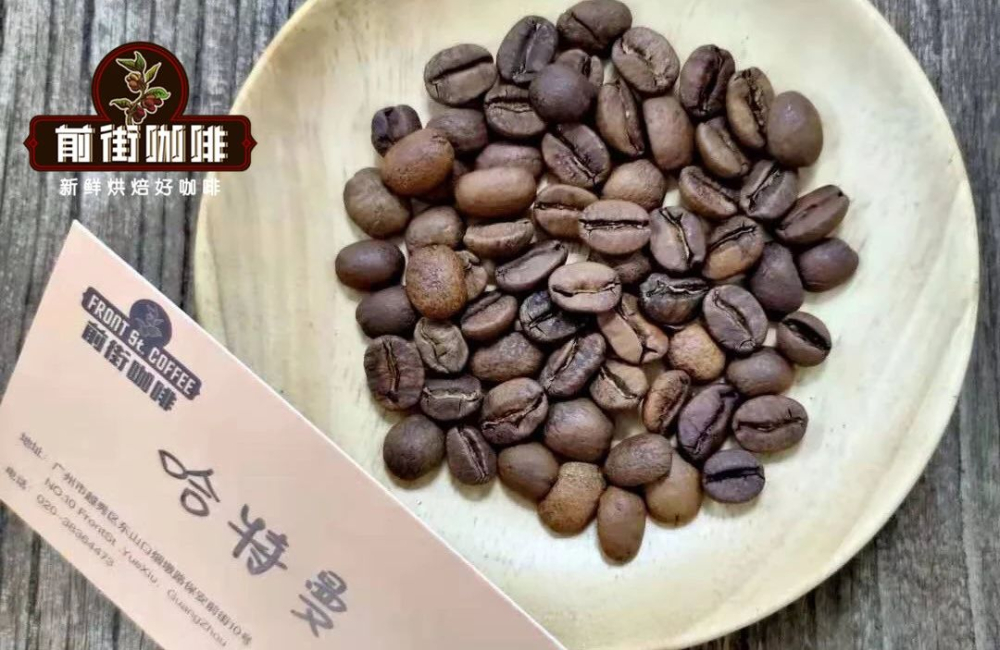
FrontStreet Coffee — Honduras Las Gemelas Estate Coffee Beans
Region: Copan
Estate: Las Gemelas
Altitude: 1250
Variety: Red Catuai
Processing Method: Natural
Brewing Flavor: Berry juice-like quality, green grape sweet acidity, fermented vinous aroma, brown sugar-like finish.
Red Catuai is a natural mutation of the Arabica variety Bourbon, discovered in Brazil in 1937. Compared with other coffees, Red Catuai cherries grow more firmly and are harder to pick, have higher disease resistance, are suitable for growing at high altitude, and have delicate, clean acidity. Through cupping, Front Street found that Red Catuai has medium acidity, a smooth mouthfeel, is mild and easy to drink, and has both good body and sweetness. Its softness allows it to blend with most coffee beans without changing the flavor too much.
FrontStreet Coffee — Honduras Sherry Coffee Beans
Region: Masaguara
Estate: Moca Estate
Altitude: 1500-1700m
Variety: Caturra, Catuai, Pacas
Processing Method: Fine Washed + Whiskey Sherry Barrel Fermentation
Brewing Flavor: Vanilla and cream aromas on the nose; on entry, whiskey, berry, almond, and dark chocolate flavors; the finish has a maple syrup-like sweet aftertaste.
This Sherry coffee bean from Front Street uses beans that, after washed processing, are placed into whiskey barrels for low-temperature fermentation for 30-40 days (at about 15-20°C), and then dried in the shade. Why not dry them in the sun but in a cool place? Because if they were exposed to strong sunlight again, the aroma molecules would be decomposed by the high temperature of sun-drying, and more fermented vinous acidity would also be produced. The resulting brewed coffee would not only lack the original aroma, but would also taste very unfriendly.
For more specialty coffee beans, please add the private WeChat of FrontStreet Coffee: kaixinguoguo0925
The above content is compiled by CoffeeHunters, a coffee news website.


