







What makes Huila coffee flavor different from other regions?
Colombia, the world's third-largest coffee producer, owes its consistent quality to geography and climate, and Huila is its most renowned region. Beans such as Flower Moon Night and Rose Valley come from Huila, where volcanic soil, 2,000 to 3,000 mm of annual rain and temperatures of 18 to 22.5 degrees Celsius shape a distinctive Colombian coffee flavor.
Huila sits among the southern specialty regions alongside Cauca, Narino and Tolima, and each area differs in cup profile. Processing matters too: washed, semi-washed and anaerobic natural methods change how the huila coffee tastes, so Front Street's Isabella, Flower Moon Night and Swiss Water decaf each show a different side of the region.
As the world's third-largest coffee producer, Colombia nurtures consistently high-quality specialty coffee thanks to its superior geography and climate. Among its regions, Huila is the most renowned, and beans such as Flower Moon Night and Rose Valley introduced by Front Street Coffee all come from there. This article covers Colombia's coffee-growing environment and the flavor differences among the major southern specialty regions (Huila, Cauca, Nariño, and Tolima), introduces Front Street's currently available Huila coffee beans, Isabella, Flower Moon Night, and Swiss Water Process decaf one by one, and explains in detail the specific processes of washed, semi-washed, and anaerobic natural methods, helping coffee lovers gain a comprehensive understanding of the unique charm of Colombia's Huila region.
For more specialty coffee knowledge, please follow the WeChat official account: Front Street Coffee (FrontStreet Coffee)
Colombia ranks third in the world in coffee production, which reflects the long-term stability of the country's coffee quality. Among its many regions, Huila is undoubtedly the most renowned. The two beans Flower Moon Night and Rose Valley introduced by Front Street Coffee's stores both come from the Huila region. Below, Front Street Coffee (FrontStreet Coffee) will introduce you to the regional flavor characteristics of Colombian Huila coffee beans.
Colombia's Coffee-Growing Conditions
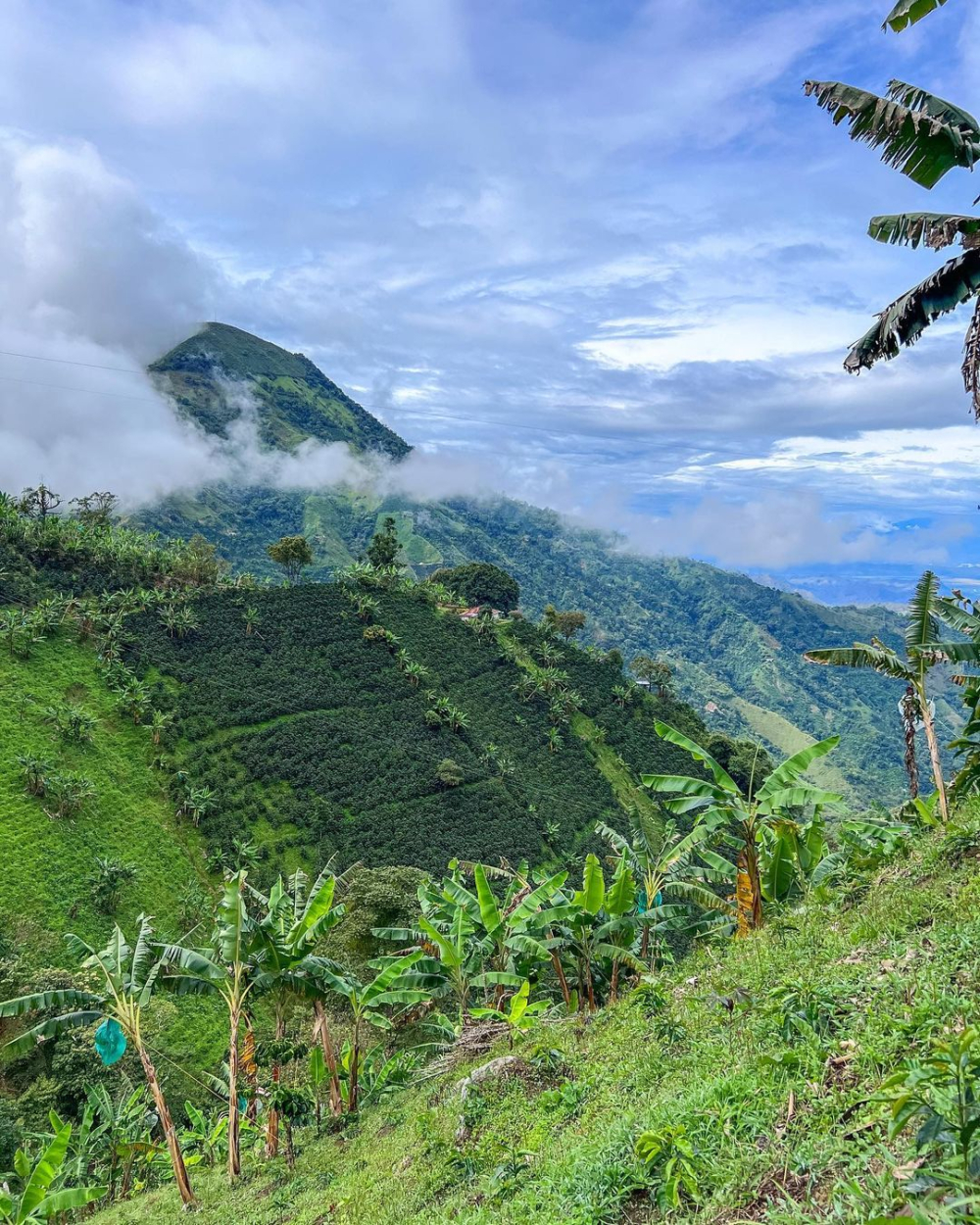
Colombia is located in the northwest of South America, bordering Venezuela to the east, Ecuador and Peru to the south, and Panama to the northwest, while also facing the Caribbean Sea and the Pacific Ocean. The country lies in the tropics, and its climate varies with the terrain. It is rich in volcanic soil, with annual rainfall between 2,000 and 3,000 millimeters, moderate temperatures, and relatively high air humidity. It is precisely this climatic diversity that allows Colombia to harvest coffee year-round. The southern part of the eastern plains and the Pacific coast have a tropical rainforest climate, the mountains at altitudes of 1,000 to 2,000 meters have a subtropical climate, and the northwest has a tropical savanna climate. The average annual temperature is about 15.8 to 20.5 degrees Celsius, while the average temperature in coffee-growing areas fluctuates between 18°C and 22.5°C.
Front Street believes that the combination of low latitude, high altitude, and volcanic soil gives Colombian coffee a balanced flavor profile, rich acidity, and a unique character, with a relatively full body and sometimes a hint of red wine and fruity notes. For this reason, Front Street Coffee (FrontStreet Coffee) chose beans from Colombia's Huila coffee region as its everyday drinking beans for the Colombia origin.
Colombia's Coffee Regions
According to Front Street Coffee (FrontStreet Coffee), Colombia's specialty coffee beans are mainly concentrated in the south, mostly at altitudes above 1,500 meters, distributed across Huila Province, Cauca Province, Nariño, and Tolima. These regions generally feature delicate acidity and berry sweetness, with prominent sweetness. Below, Front Street briefly outlines the characteristics of each region.
Huila Province
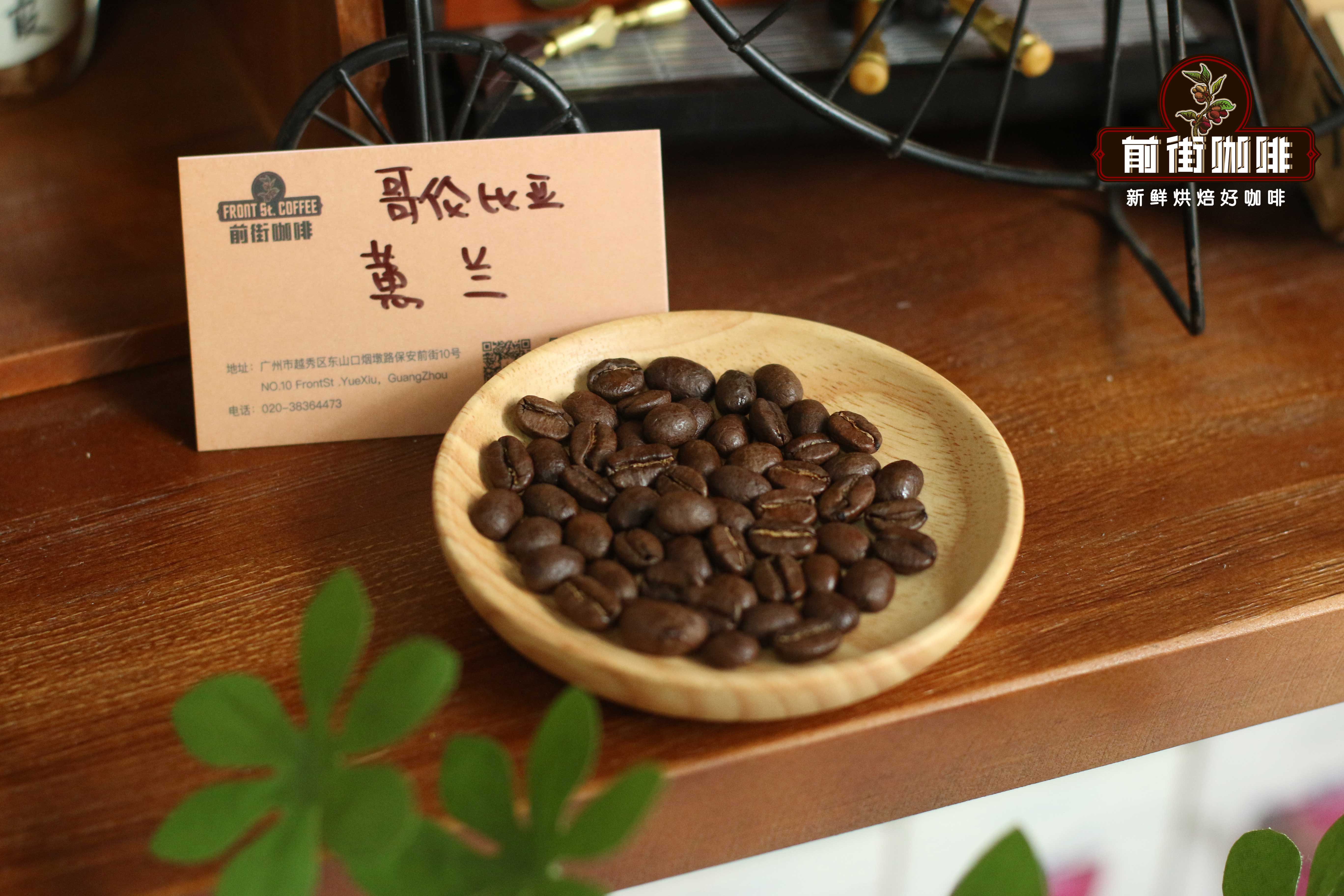
Huila Province is located in the southern section of the Central Cordillera in southern Colombia and is the country's most renowned specialty coffee region. The area is surrounded by mountains, with altitudes exceeding 1,500 meters, and Colombia's most important rivers converge here, bringing abundant water resources and moisture. Unlike the common impression of Colombian coffee as balanced and mellow, many specialty Colombian coffees produced in micro-lots by smallholders actually have distinct regional character. For example, both the Isabella coffee beans and Huila coffee beans at Front Street Coffee (FrontStreet Coffee) come from Huila Province, but due to microclimate differences, the two still differ in their flavor presentation.
Cauca Province
Cauca Province is a certified Colombian Coffee Origin region, with an average altitude of 1,758 meters and a maximum of 2,100 meters. The local terrain, rainfall, temperature, and volcanic soil provide ideal conditions for coffee growth. Eighty percent of the province is mountainous, with parallel mountain ranges in the east and center that are part of the Andes; the central range includes two major volcanoes, Sotara and Petacas. Cauca's borders are similar to those of other southwestern regions, and its rainfall shows a clear monomodal distribution, with the dry season usually occurring from August to September each year. The subsequent rainy season triggers a concentrated coffee flowering period, followed by a concentrated harvest season the next year.
The biggest climatic difference between the Cauca region and other Colombian regions is probably its large temperature variation: the average daily temperature is 11°C, while the average daytime temperature is 18°C. The temperature difference between day and night is one of the key factors in creating high-quality coffee. Low nighttime temperatures, combined with relatively higher altitudes, slow the pace of coffee growth, allowing the coffee seeds and beans to more fully absorb nutrients from the coffee fruit, and also giving Cauca coffee better acidity and praiseworthy special sweetness.
Nariño Province
Nariño Province is located in southwestern Colombia, bordering the Pacific Ocean to the west and Ecuador to the south, with the Andes running across the entire province. Coffee is grown in the cloud belt at altitudes of 1,600 to 2,300 meters, where there is fertile volcanic soil. Most of Nariño's annual output is purchased by large American bean traders, but the province's total annual production is about 150,000 bags, of which only about 6,000 bags are hand-selected beans.
Tolima
Tolima is adjacent to Huila and Cauca, with the north-south-running Andes and Cordillera Central running through it. Between these two famous mountain ranges flows the Magdalena River from south to north, so the soil and water conditions are also very suitable for growing coffee trees.
According to Front Street, farms in Tolima are generally slightly larger than those in other southern Colombian regions, at about 10 to 15 hectares. The cooperative model is also common there, with farmers sending their small batches of coffee cherries to the cooperative's processing plant. Some farmers also choose to process their own coffee, using their own small-scale processing facilities to handle the amount picked that day.
The above is an introduction to Colombia's coffee regions. Next, Front Street Coffee (FrontStreet Coffee) will introduce the Huila region coffee beans currently available in its stores.
Front Street Coffee (FrontStreet Coffee) Colombia Huila Coffee Beans
Country: Colombia Region: Huila Altitude: 1,500-1,800 meters Variety: Caturra Processing Method: Washed Flavor: Nuts, dark chocolate, caramel, soft fruit acidity
This Huila coffee bean is the bean in Front Street Coffee's (FrontStreet Coffee) everyday drinking series that represents the flavor of the Colombia origin. It uses the most traditional washed processing method, so it presents a clean and bright mouthfeel. Friends who want to understand Colombian coffee flavor may want to give it a try.
Washed Processing Method Steps
1. The coffee farmer first pours all the harvested coffee cherries into water. Defective beans will float to the surface, while those that sink to the bottom are the qualified fruit. This operation greatly saves the time needed to pick through them one by one.
2. The selected coffee cherries are sent into a depulper to remove the skin and pulp. After removal, a sticky layer of mucilage still remains on the surface of the coffee cherries, so a large amount of clean water is needed to rinse the sticky substance off the surface.
3. Then fermentation is used to thoroughly remove the mucilage. This process takes about 18 hours. But after fermentation is complete, fermentation bacteria will adhere to the surface of the coffee cherries, so they still need to be washed again with a large amount of clean water. For this step alone, obtaining 1 kilogram of coffee beans requires consuming 40 to 50 kilograms of clean water. Front Street believes this is a very large number, and it is precisely why arid countries cannot adopt washed processing.
4. The cleaned coffee beans can then be dried. Some regions will directly dry them outdoors, while more developed regions will send them to processing plants for machine drying, bringing the coffee's moisture content down to about 11%.
4. Finally, the dried coffee beans are stored and packaged, and can then be sold and exported.
Front Street Coffee (FrontStreet Coffee) Colombia Isabella Coffee Beans
Country: Colombia Region: Huila Altitude: 1760m Variety: Pink Bourbon Processing Method: Semi-washed Flavor: Cherry tomato, citrus, floral, honey, fruit
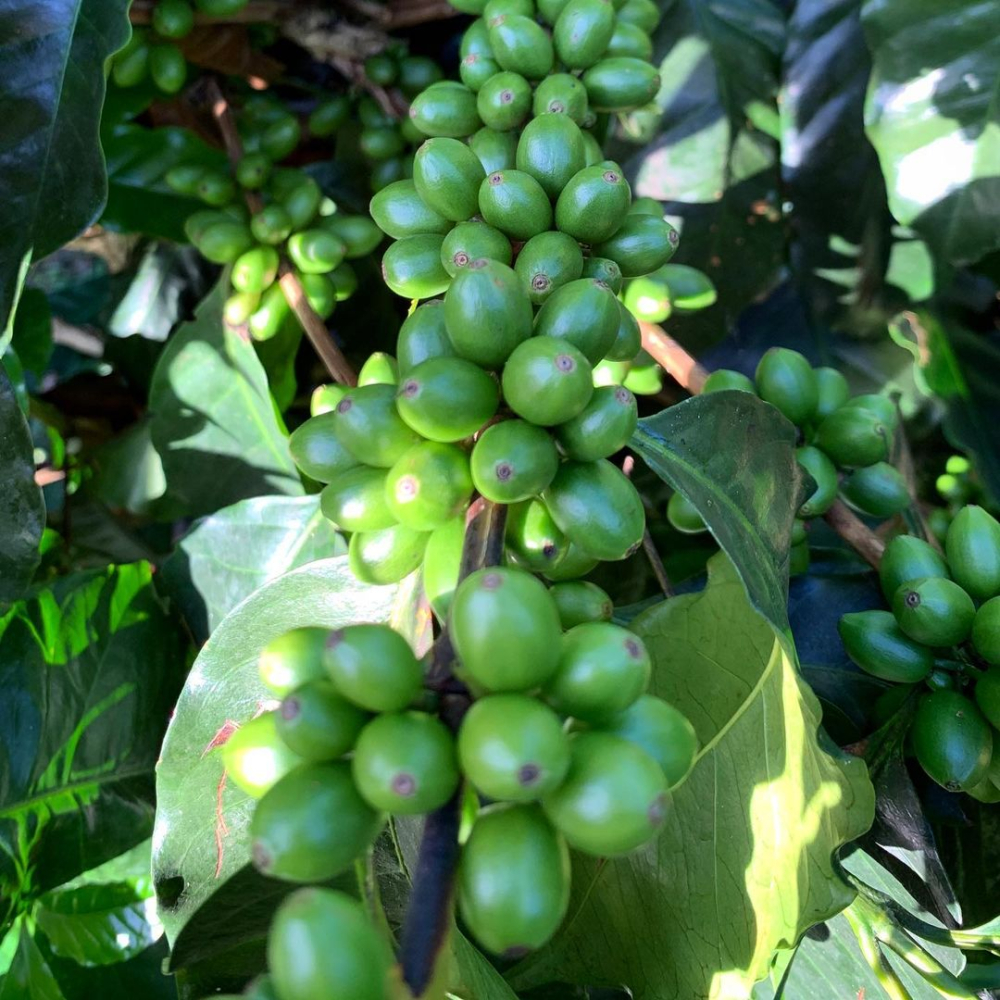
The biggest feature of Front Street's Isabella is that it is the Pink Bourbon variety. This variety was first grown in the Huila region, initially mixed with other Bourbon and Caturra plants, and only later picked and processed separately.
When the coffee cherries ripen, they turn a romantic pink, hence the name Pink Bourbon. But maintaining this pink color is very difficult, because the color of the coffee fruit is ultimately determined by recessive genes in the pollen grains. This requires that the pollen grains involved in hybridization contain both the yellow gene tending toward Yellow Bourbon and the red gene tending toward Red Bourbon, and these are all recessive genes that interfere with each other very easily, so Pink Bourbon is an extremely rare variety.
Semi-Washed Method Steps
First, the natural method is used to dry the coffee cherries, and then water is used to wash off the outer skin and pulp. The difference from the washed method is that the semi-washed method does not place the coffee cherries into a tank for fermentation. Therefore, coffee beans processed by the semi-washed method always have a sticky surface, but their acidity and sweetness are both quite good, and the aroma is also very charming.
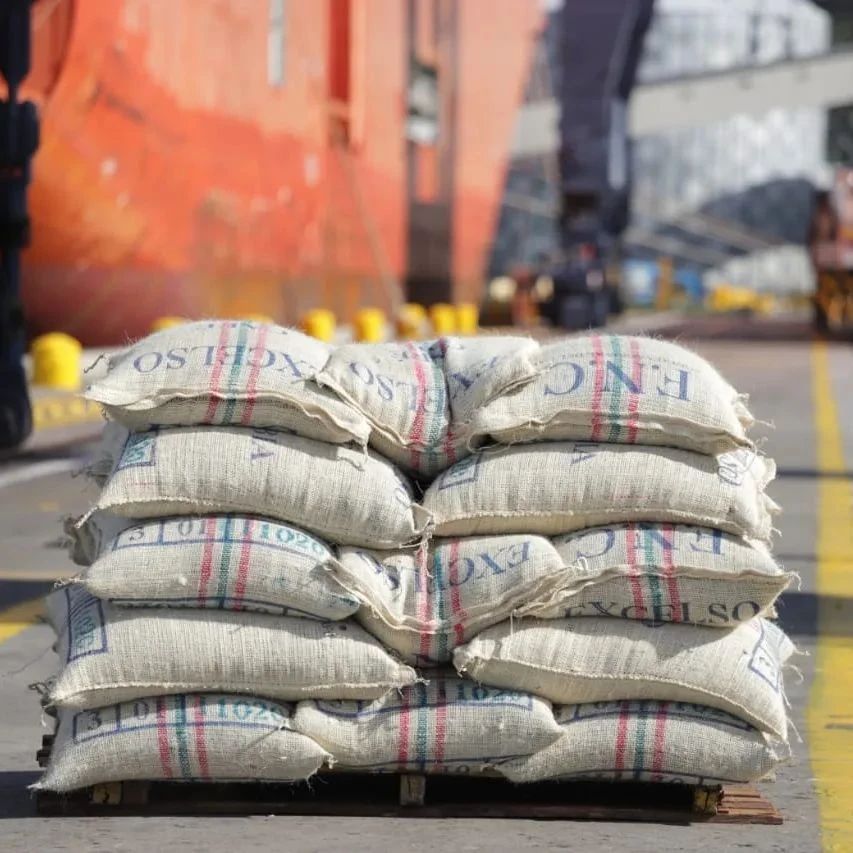
The reason Front Street listed this Isabella coffee bean is that the traditional flavor of Colombian specialty coffee beans tends toward heavy chocolate notes, while this Isabella's flavor is completely different from traditional Colombian beans. Isabella has a distinctive cherry tomato flavor that easily reminds one of berry-like acidity, as well as vanilla and dark chocolate flavors, with an overall sugarcane-like sweet finish and distinct layers. Therefore, Front Street introduced this Isabella for coffee fans to taste.
Front Street Coffee (FrontStreet Coffee) Colombia Flower Moon Night Coffee
Country: Colombia Region: Huila (Acevedo Gading Farm) Altitude: 1800m Variety: Caturra Processing Method: Anaerobic Natural Flavor: Strawberry, peach, fermented wine aroma, chocolate, fruit wine
Front Street's Flower Moon Night coffee beans come from Acevedo Gading Farm, whose owner Ramirez developed the anaerobic natural processing method. According to Front Street, he was born into a coffee-growing family and has been engaged in coffee production since the age of 18. In his early years, he worked in professional coffee work in the city of Acevedo, and later had the opportunity to buy this Acevedo Gading Farm.
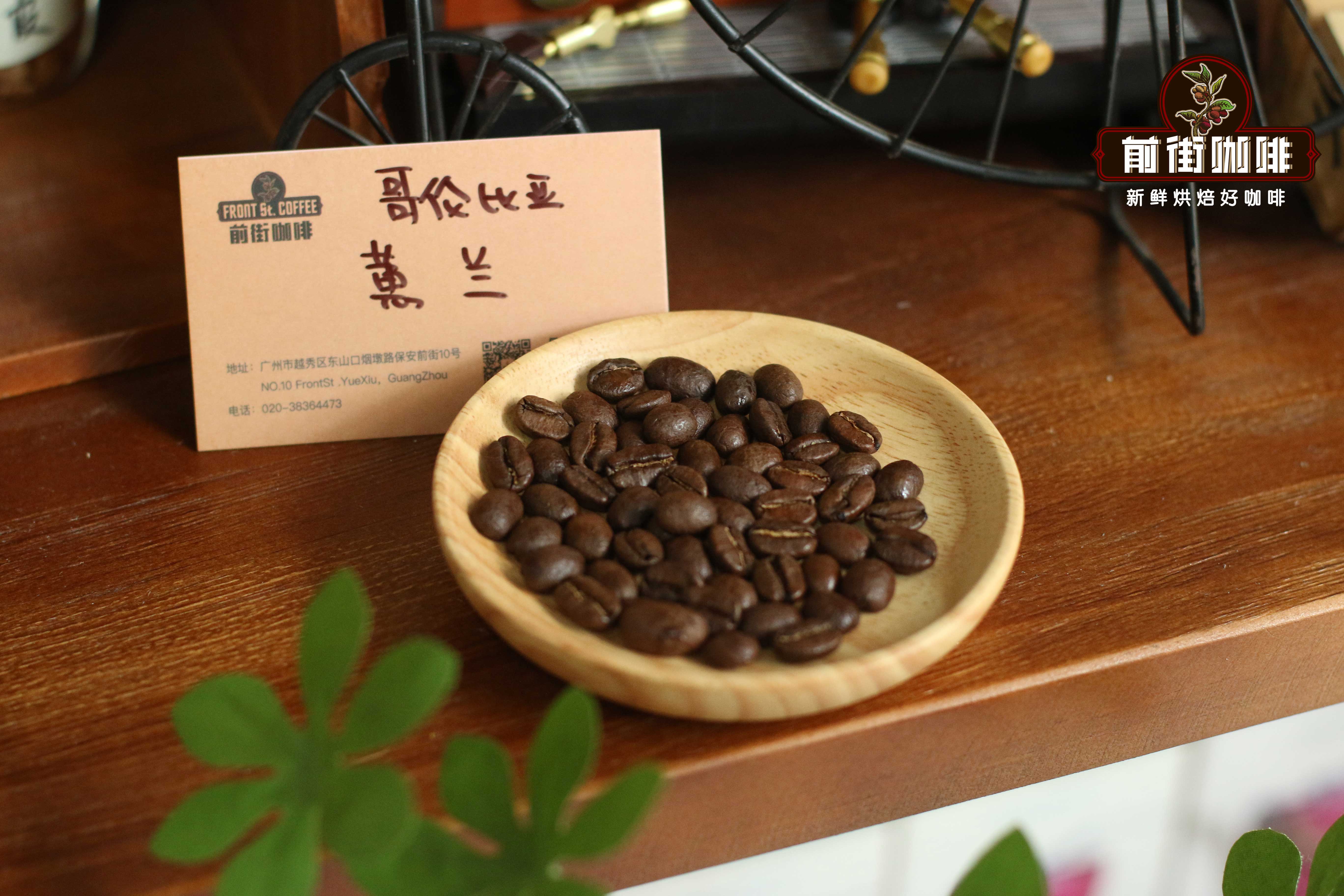
The farm grows the familiar Caturra variety. Caturra is a natural mutation of Bourbon, and its flavor often has refreshing fruit acidity and light sweetness, which also sets the tone for Flower Moon Night coffee. As early as 3 years ago, the previous owner of Gading Farm launched a special processing plan and told Ramirez how to carry out the special processing project. With his passion for coffee growing, Ramirez changed the fermentation process that had originally failed to achieve the desired effect.
Anaerobic Fermentation Processing Steps
The coffee cherries are placed into sealed fermentation tanks, and low-temperature fermentation is used to extend the entire fermentation time, with 15 to 20 days of fermentation giving the coffee flavor more possibilities. Nurtured by time, slow drying allows the coffee cherries to develop optimal water activity during this process. First, flavor development is excellent; second, the green beans can also be stored longer during the seasonal cycle. After fermentation is complete, these coffee cherries are then sun-dried.
Front Street Coffee (FrontStreet Coffee) Colombia Swiss Water Process Decaf Coffee
Country: Colombia Region: Huila Altitude: 1,750 meters Variety: Typica Processing Method: Swiss Water Process Flavor: Berry, citrus, cocoa, nuts
Decaf coffee is coffee that contains only a trace amount of caffeine. Generally speaking, Arabica coffee beans contain 1.1% to 1.7% caffeine, while Robusta coffee beans contain 2% to 4.5% caffeine. Decaf coffee is stipulated to have no more than 0.3% caffeine in the brewed coffee, meaning that a cup of decaf coffee must not contain more than 5 milligrams of caffeine.

Decaffeination must use green coffee beans. According to Front Street's review of the literature, there are currently three major categories of methods for removing caffeine: the traditional European process, the Swiss Water Process, and the supercritical carbon dioxide process. All three methods can effectively remove the vast majority of caffeine, leaving only about 2 to 3% of the original total caffeine in the coffee beans.
Swiss Water Process Steps
According to Front Street's review of the literature, this processing method first soaks the coffee beans in warm water. After the caffeine and other components dissolve into the water, activated carbon is used to filter the caffeine out of the extract. The caffeine-free extract is then introduced back to the previous coffee beans, allowing the beans to reabsorb the lost components, thereby obtaining decaf coffee beans.
The above is the relevant information and knowledge compiled by Front Street Coffee (FrontStreet Coffee) about Colombia's Huila region and coffee beans. We hope it can help coffee fans who want to understand Colombia's Huila region.
The above content is compiled by CoffeeHunters, a coffee news website.


