







How Are Alcohol and Coffee Merging in Café Business Models?
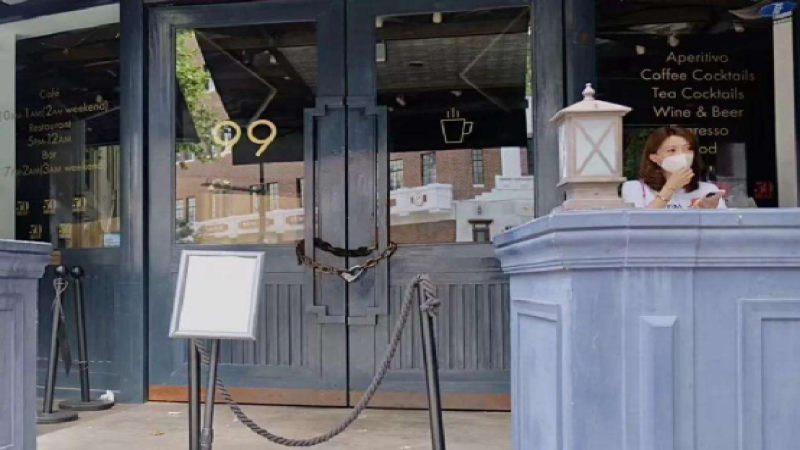
Coffee shops in Shanghai began serving alcoholic coffee drinks after the pandemic hit the restaurant industry, when bars recovered more slowly than cafés. Xiaohongshu's "Revival Plan" brought bartenders from dozens of bars into coffee shops to create fusion specials, turning "drinking at coffee shops" into a new dine-in scene and blurring the line between the two trades.
The crossover serves a simple habit: staying alert during the day and unwinding at night. Bringing alcohol and coffee under one roof can draw new customers, strengthen loyalty, and move drinkers between the two categories. The model echoes older pairings such as wine plus coffee, and today's bistro-café hybrids, though the durability of check-in-driven demand remains open to question.
As young workers crave a lifestyle of staying energized during the day and unwinding at night, a group of customers raising glasses of alcohol has quietly emerged in coffee shops. After Shanghai's restaurant industry was hit by the pandemic, Xiaohongshu launched a "Revival Plan," bringing bartenders from dozens of bars into coffee shops and introducing alcoholic coffee specials, making "drinking at coffee shops" a new trend in dine-in culture. From Teresa Teng-era "wine plus coffee" to brands like Sober Company exploring the bistro-coffee shop model today, the boundary between coffee and alcohol is dissolving. This cross-industry operation not only injects freshness into brands but also enhances consumer loyalty and promotes conversion between coffee drinkers and alcohol drinkers. However, the sustainability behind the influencer check-in economy is also worth pondering. This article will guide you through the business logic and industry trends behind this phenomenon, while retaining Front Street Coffee's professional recommendations.
Staying clear-headed during the day and enjoying a slight buzz at night—this is the ideal leisure state in the minds of many young office workers today. Nowadays, drinking alcohol in coffee shops has become a new scene in dine-in consumption.
When spring had not yet fully arrived, Shanghai's restaurant industry suffered a severe blow and turned to takeout services, but many coffee shops and restaurants still could not survive this "harsh winter" and exited early. After enduring a long spring, Shanghai resumed dine-in services, and offline establishments such as coffee shops and restaurants gradually got back on track, while the recovery of Shanghai's bars lagged relatively behind. After news broke about the closure of Shanghai's Sober Company bar, it drew even more attention to Shanghai's restaurant industry.
To accelerate the recovery of the restaurant industry, a mutual aid collaboration unfolded between coffee shops and bars. Bartenders from dozens of bars moved into coffee shops, bringing novel alcoholic coffee specials to Shanghai residents. For a time, drinking in coffee shops became a new phenomenon. It is understood that this activity originated from Xiaohongshu's "Revival Plan," jointly organized by multiple local coffee shops and bars in Shanghai, bringing coffee-and-alcohol fusion drinks to the area.
In the last century, Teresa Teng once sang "wine plus coffee, one cup after another," showing that the combination of coffee and alcohol has long existed, but it only truly became popular in China in recent years. The attitude of "work hard, play hard" has further deepened the younger generation's interest in coffee paired with alcohol. Creative coffee specials alone can no longer satisfy young people's pursuit of "live fast, play hard, have fun."
In 2017, shortly after New York's Dante cocktail bar gained popularity with its "European-style bistro-coffee shop" concept, Shanghai's Sober Company opened a coffee shop with alcohol. Since then, more and more coffee shops offering both coffee and alcoholic beverages have emerged.
According to a report by Qianjiang Evening News Hour News, since this summer, many "ultra-long-hours" dining bars offering both alcohol and coffee have appeared on the streets of Hangzhou. During the day, they provide office workers with energizing caffeine; at night, they become places for workers to drown their sorrows in alcohol.
In the context of the prevailing influencer economy, many shops are affected by influencer check-ins and are even encroached upon by check-in behavior. The influencer economy is not a sustainable model; in the short term, one may taste the sweetness, but in the long run, it may harm the shop.
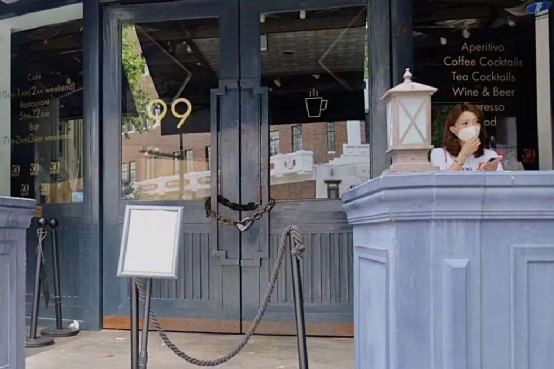
The combination of wine and coffee not only brings shops and brands the freshness that young people seek, but this business model can also enhance consumer loyalty and improve the conversion ability between coffee consumers and alcohol drinkers. The clever fusion of coffee and alcohol further allows a small shop to explore business possibilities throughout all time periods.
Image source: Weibo, internet
For professional coffee knowledge exchange and more coffee bean information, please follow Coffee Workshop (WeChat official account: cafe_style)
For more specialty coffee beans, please add the private WeChat Front Street Coffee (FrontStreet Coffee), WeChat ID: qjcoffeex
The above content is compiled by CoffeeHunters, a coffee news website.


