







Search Results for: darker

Medium-roast pour-over beans recommendation: choose flavors along the roast level
Medium-roast coffee beans are not an option with just a single flavor. As the roast goes lighter, the cup retains clearer floral notes, fruity acidity, and a tea-like quality; as it goes darker, it gains caramel sweetness, nuttiness, and more body. Using roast level as a filter lets you first determine the general character of a cup of coffee before looking at origin and flavor description. [more…]
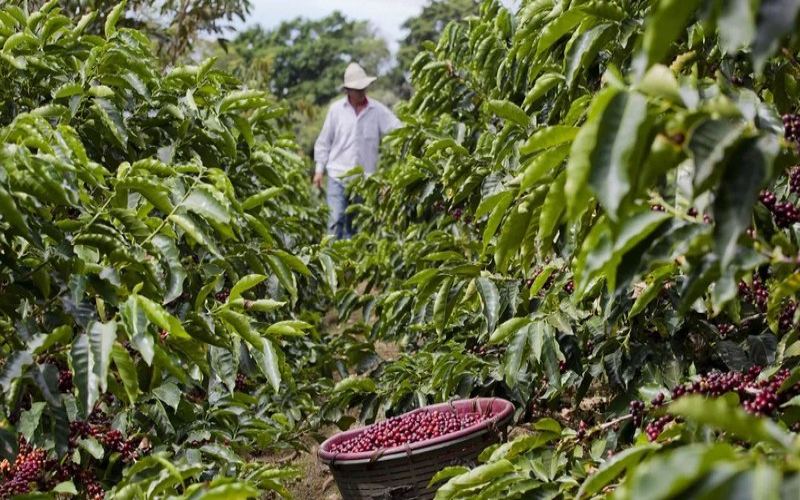
The Darker the Roast, the Less Acidic? A Guide to Choosing Beans for Pour-Over
If you want your pour-over coffee to have less sharp acidity, roast level is a very practical starting point. Light roasts usually retain more of the origin's character, with fruit acidity and floral notes more pronounced; as the roast gradually darkens, the flavors shift toward caramel, nuts, cocoa, and roasted aromas. For those who prefer a rounder mouthfeel, medium to medium-dark roasts are often more [more…]

The Science of Specialty Coffee | How do you interpret coffee roasting levels and roasting percentages? What are the flavor characteristics of different roasting levels?
We usually talk a lot about coffee bean brewing, but today Front Street Coffee will explain coffee bean roasting knowledge to everyone. We know that the process of coffee beans going from green beans to roasted beans is the roasting process, and this process includes light roast, medium roast, and dark roast. Exactly how should different coffee beans be roasted? At the same time, light roast, medium roast [more…]
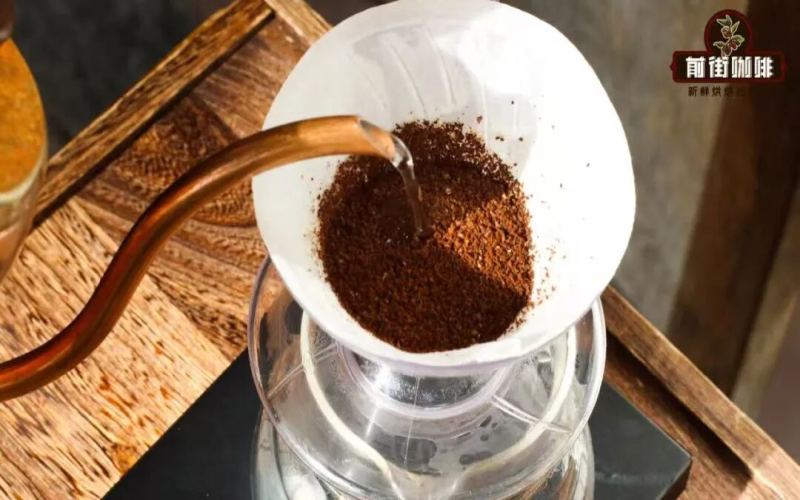
Coffee Bean Extraction Methods | Can Espresso Beans Be Used for Pour-Over? How to Make Delicious Pour-Over Coffee with Espresso Beans?
As is well known, Front Street Coffee recently launched a new fruity and floral espresso blend on Taobao Tmall—Front Street Strawberry Candy Espresso. Perhaps because the flavor is quite appealing, friends often ask our customer service like this: "Your espresso beans are so delicious, can they be used for pour-over?" The answer is [more…]
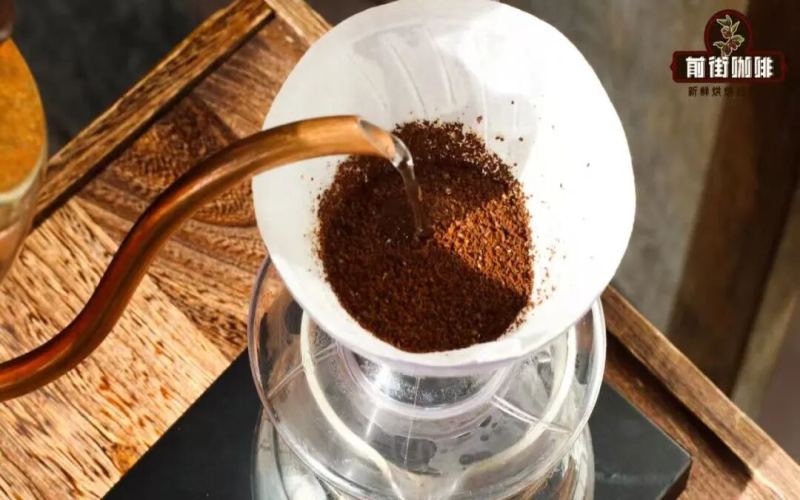
The Difference Between Pour-Over and Espresso | Can Espresso SOE Beans Be Used for Pour-Over? How to Make Pour-Over Black Coffee with Huakui SOE?
As is well known, Front Street Coffee recently launched a new fruity and floral espresso blend on Taobao Tmall—Front Street Strawberry Candy Espresso. Perhaps because the flavor is quite appealing, friends often ask our backend customer service: "This espresso bean is so delicious, can it be used for pour-over?" The answer [more…]
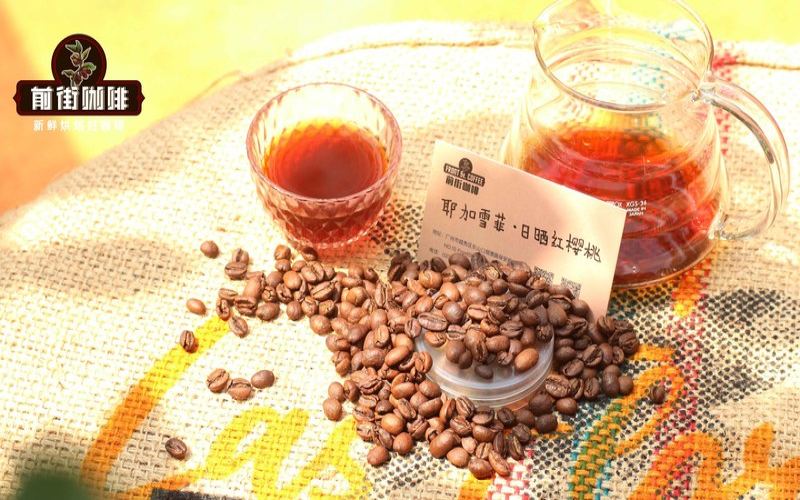
Dark roast coffee beans: how the roast level changes the taste
Dark-roasted coffee beans are not limited to just one flavor. As beans move from medium-dark to dark roast, their original fruity acidity gradually recedes, while caramel, cocoa, nutty, and roasted aromas become more prominent, and the cup feels fuller on the palate. When choosing, rather than fixating solely on the words "dark roast," it's better to further confirm whether it sits at the darker end of medium-dark or at a very dark level. Medium-dark leaning [more…]
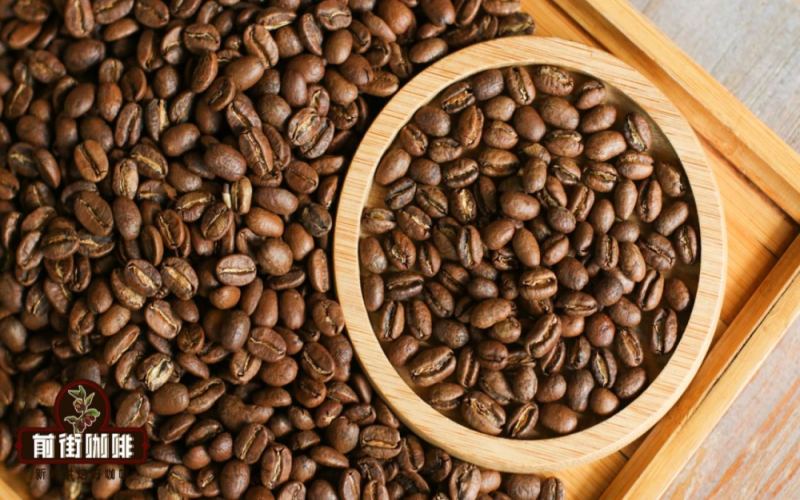
Coffee Roast Level Comparison | How Can Coffee Beginners Visually Determine Coffee Roast Level? What Are the Roast Flavor Characteristics of Espresso and Americano Coffee Beans?
The coffee beans we usually encounter have all been roasted. Roasting brings out the captivating aroma of coffee beans, and different roast levels give quite different impressions. In this issue, Front Street Coffee (FrontStreet Coffee) introduces several methods for identifying coffee roast levels. [more…]

Medium Roast Is Not Just One: Choosing Roast Levels for Espresso Beans
Even when both are labeled "medium roast," coffee beans put into an espresso machine may present bright fruit notes, or lean more toward caramel, cocoa, and nuts. Roast level is not a simple label, but an important clue that determines the focus of aroma, the expression of sweetness, and the extraction response. To pick beans that suit your taste, you can first look at their position within the medium roast range. [more…]
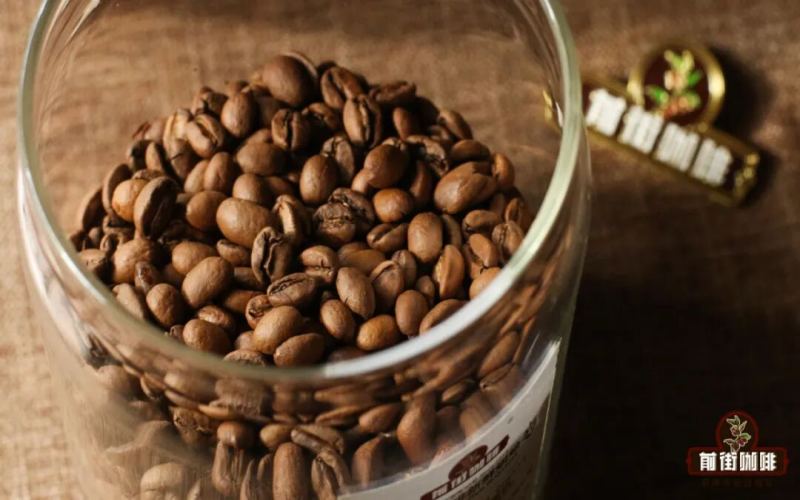
Coffee Knowledge | How to Quickly Identify Coffee Bean Roast Levels? Introduction to Grind Size and Brewing Water Temperature Parameters for Medium-Light and Medium-Dark Roasted Coffee
As everyone knows, Front Street Coffee mainly sells beans and has shops on both Taobao and Tmall, so friends who can't make it to the store often place orders online. Then some friends noticed that the labels on Front Street Coffee's beans don't indicate the roast level of the coffee beans, so they reported that after receiving them, they didn't know how to identify [more…]
Understand roast levels—buy blended beans this way
The roast level of an espresso blend directly affects the aroma, sweetness, body, and finish of the shot. For those just starting to make coffee at home, rather than facing a long list of origins and processing methods, it's better to first look at the roast direction on the packaging: whether the beans are on the lighter side, medium, or darker in color. This judgment can help you anticipate the flavor on the palate. [more…]
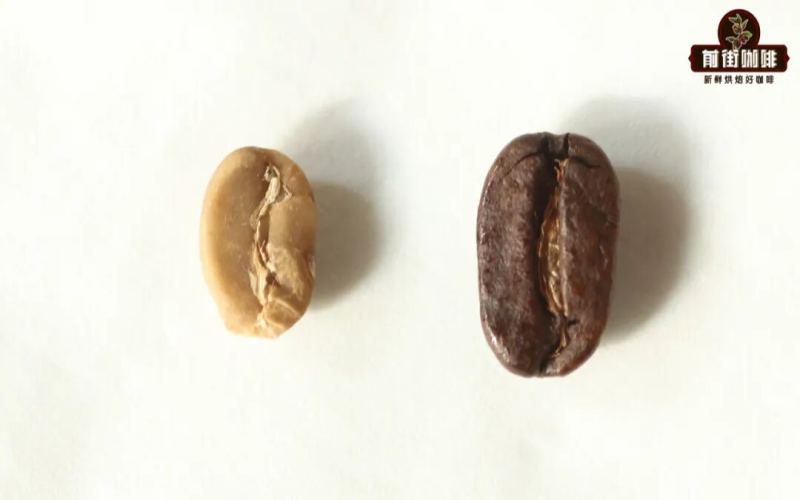
Coffee Bean Oil Release | What factors cause roasted coffee beans to become oily? Does coffee bean oil release mean poor coffee quality?
If you often buy beans and brew them at home, you've probably noticed that some coffee beans start to show oil on their surface after sitting for a while. Other beans, no matter how long they're stored, still look dry on the surface. This leads to a rather interesting phenomenon: some people believe that coffee beans [more…]
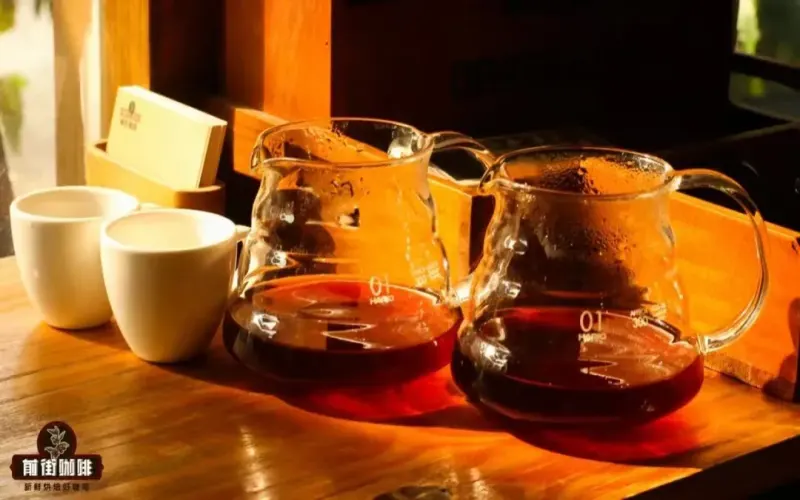
Coffee brew color | How can you judge the roast level/strength/filtration method of coffee beans by coffee color? What is the difference between dark roast and light roast coffee?
Today a friend was discussing a very interesting question: how to brew "wine-red" coffee. That's right—the wine-red refers to the color of the coffee liquid, because the friend who brought up this topic found that wine-red coffee seems to taste better than coffee of other colors, so they started this discussion. [more…]
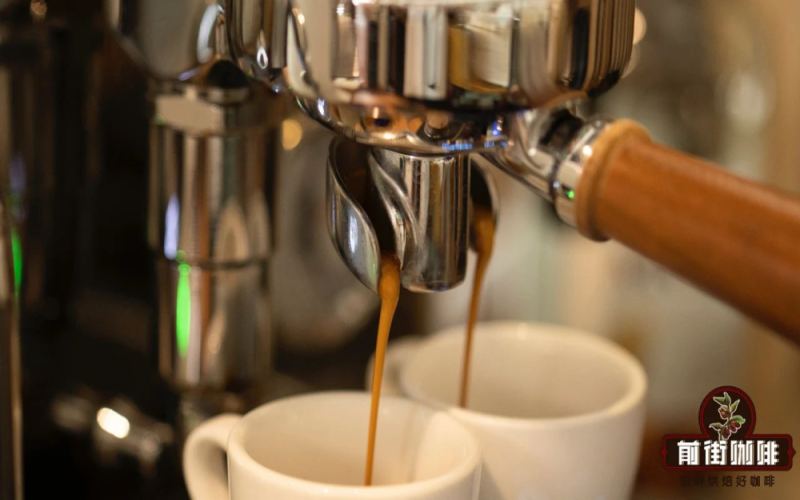
Cafe-Style Espresso Recipe | What Are the Characteristics of Italian Espresso? How Do You Drink Espresso? What Kinds of Italian-Style Beans Are Suitable for Espresso?
Espresso, also known as Espresso, is a coffee liquid that Italians extract quickly at high temperature using a pressurized coffee machine, with a layer of golden foam floating on the surface. Each store uses different espresso beans and different extraction plans, so the flavor will vary, but a standard cup of strong [more…]

Specialty Coffee | Why Are Light and Medium Roast Coffee Beans So Popular? Is Dark Roast Coffee Good? What's the Difference Between Dark Roast and Medium Roast Coffee?
Mainstream Third Wave Specialty Coffee Nowadays, cafes often emphasize that they serve "specialty coffee." What exactly is "specialty coffee"? Why is it that among the home-roasting businesses blooming like wildflowers, over ninety percent choose the so-called light-to-medium roast to interpret the flavors of green coffee beans? Just pay a little attention to coffee-related articles. [more…]
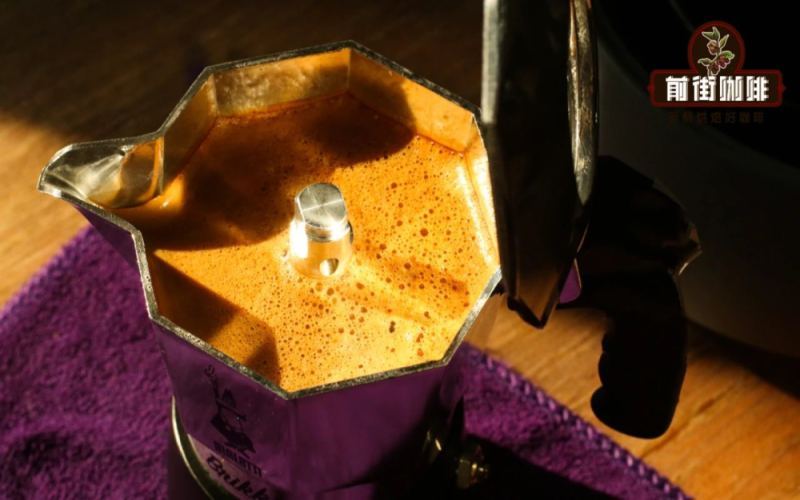
How to Make Iced Coffee with a Moka Pot: Coffee-to-Water Ratio, Bean Selection Tips, and Front Street Espresso Bean Recommendations
Many Moka pot enthusiasts often ask Front Street: Which beans are suitable for a Moka pot? How can I use it to make delicious iced coffee? As the home appliance closest to an espresso machine, the Moka pot is essentially a simple pressure-extraction device. Under ideal conditions, it can produce intense, full-bodied, powerfully flavored coffee, sometimes with a moderate amount of crema. Therefore, when choosing beans, it is advisable to prioritize medium or darker roasts, while also considering crema performance and flavor balance. This article will focus on the bean-selection logic for Moka pots, three Front Street espresso bean recommendations, and the coffee-to-water parameters for a 3-cup Bialetti pot along with the steps for making an iced Americano, providing a reusable operating plan. [more…]
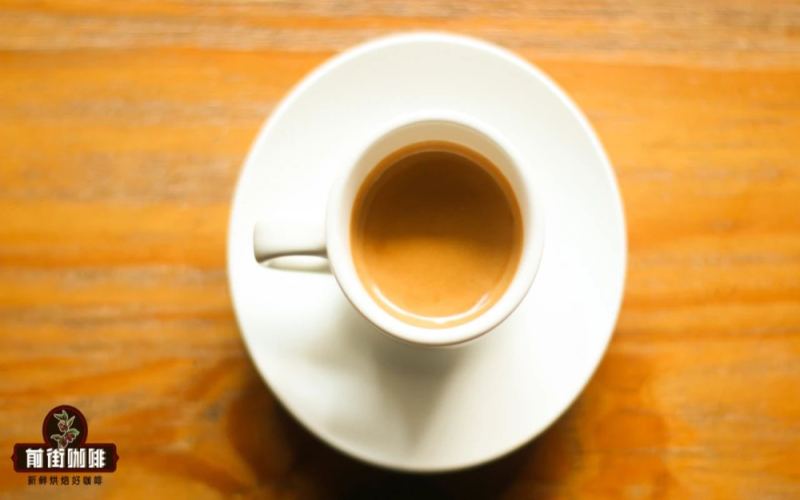
Espresso Crema | What Factors Affect Crema Thickness? Recommended Specialty Coffee Beans for Rich Crema in Espresso Extraction
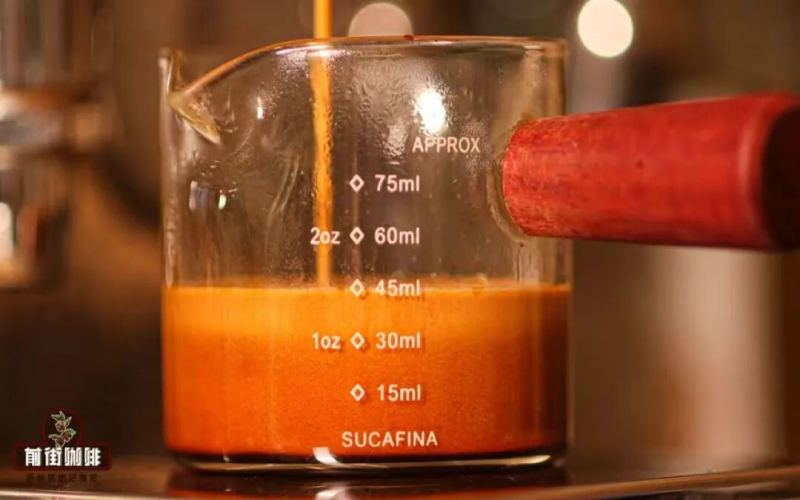
Some friends often ask us for advice on espresso extraction issues. Many of them have encountered situations where the espresso shot lacks golden crema or the crema is thin. Since for espresso, that golden crema is its very soul, when the coffee has no crema [more…]
Coffee Bean Buying Guide | How Can Coffee Beginners Choose Coffee Beans Based on Their Own Needs? Which Is Better, Blended Beans or Single-Origin Beans, and What's the Difference?
Since many friends have only just started out, they are completely clueless about all kinds of coffee jargon. This leaves them at a loss when buying coffee beans, not knowing how to pick beans that suit their taste. But buying coffee beans isn't actually that complicated. As long as we just take a little [more…]
Coffee Roast Levels | How Can Coffee Beginners Quickly Distinguish the Roast Level of Coffee Beans? How Are Coffee Bean Roast Levels Defined?
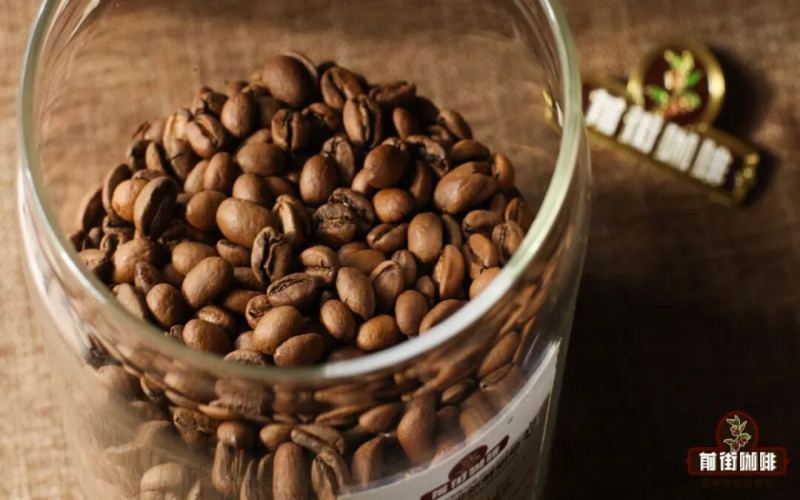
As is well known, Front Street primarily sells coffee beans and has shops on both Taobao and Tmall, so friends who can't make it to the physical store often place orders online. Some of them then noticed that Front Street's bean labels don't indicate the roast level of the coffee beans, and they reported that once they receive the beans, they don't know how to identify [more…]
Rich crema on the surface of the espresso—the roast color gives you the answer.
When making espresso, the golden-brown foam on the surface of the cup directly affects both the visual appeal and the mouthfeel on entry. If you want a pronounced, rich crema, you can start by judging the roast level: the darker the color, the easier it usually is to form a thick foam and a full-bodied mouthfeel; lighter-colored beans, on the other hand, emphasize floral and fruity aromas, sweetness, acidity, and clarity. Neither direction is superior to the other, [more…]
Balanced Sweet and Sour Coffee Beans: How to Choose Roast Level
A balance of acidity and sweetness isn't exclusive to any single type of coffee bean, nor is it simply a matter of adding sourness and sweetness together. The roast level determines where the flavor emphasis lies: when beans are roasted light, fruity notes and a crisp, refreshing quality stand out more; at a medium roast, acidity, sweetness, and body blend together more easily; and as you go darker, caramel, cocoa, and nutty aromas gradually take over. [more…]