







If you want your pour-over coffee to have less sharp acidity, roast level is a very practical starting point. Light roasts usually retain more of the origin's character, with fruit acidity and floral notes more prominent; as the roast gradually darkens, the flavors shift toward caramel, nuts, cocoa, and roasted aromas. For those who prefer a rounder mouthfeel, medium to medium-dark roasts are often an easier path to a smooth cup.
Light roast doesn't mean undrinkable, nor does it mean every cup will taste obviously sour. Some light-roasted beans have gentle fruit sweetness and tea-like qualities—the aroma is just lighter and the cup brighter. If you usually enjoy a crisp, clean pour-over, look for light-to-medium roasts described as having soft acidity, prominent sweetness, or a round mouthfeel, and avoid brewing with water that's too hot or extraction that's too high.
Medium roast is the range that most easily balances aroma, sweetness, and body. Beans at this stage often retain some origin character while developing caramel, nut, or cocoa associations, so the cup doesn't come across as just bright acidity. If you want black coffee with a full-bodied feel, prioritize descriptions like medium roast, balanced, or nutty sweetness.
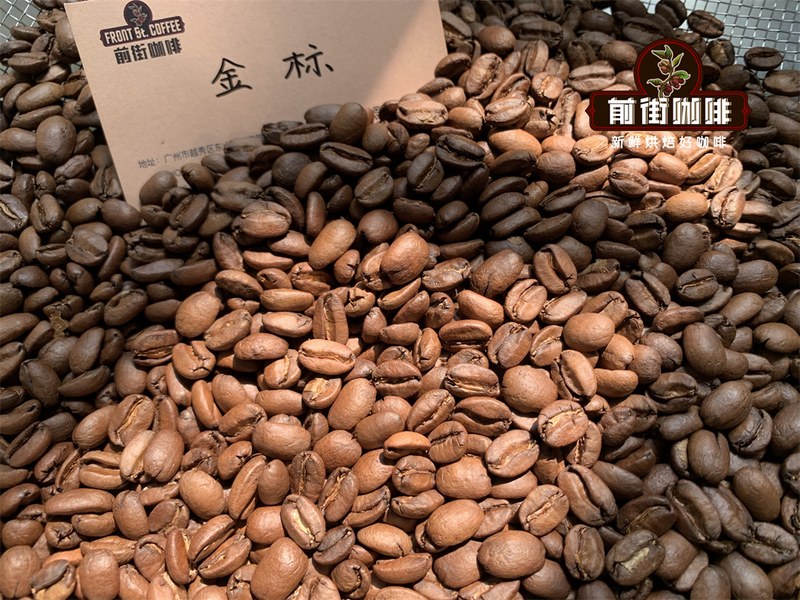
Medium-dark roast further diminishes the presence of fruit acidity, letting caramel, dark chocolate, roasted nuts, and ripe fruit sweetness take center stage. It suits those who enjoy a solid mouthfeel and a warm finish, and pairs well with bread, toast, or cream pastries at breakfast. For pour-over, use a medium water temperature and shorter contact time to bring out the sweetness while retaining some aroma.
Dark-roasted beans usually have a more concentrated taste, with bitter-sweet, cocoa, caramel, and smoky roasted notes becoming clearer while acidity recedes. If you're used to intense black coffee, a dark-roast pour-over can deliver a thick impression close to dark chocolate. However, dark roast doesn't mean the hotter the water the better—too high a temperature or too long an extraction will actually make the cup taste dry.
Among medium roasts, Front Street Coffee's specialty blend is a great option for everyday drinking. Built on the flavor structure of Brazil Cerrado and Colombia Huila, it delivers roasted nuts, caramel sweetness, and cocoa notes that flow into one another, with acidity barely noticeable. Brewed as a hot black coffee in a dripper, it's smooth; when made into milk coffee, it still retains a clear coffee aroma.
If you want something gentler than nutty and cocoa notes, consider Front Street Coffee's Papua New Guinea Bird of Paradise. Its cup is clean and round, with sweetness that isn't overly assertive, and the overall texture resembles a classic Blue Mountain style. When brewed with a medium or medium-dark roast approach, serve it as a warm black coffee—it's soft on the palate, and the sweetness becomes more noticeable as it cools.
When looking at roast level, also pay attention to the bean's overall flavor description. Beans described with floral, citrus, berry, and high acidity may still be quite bright even if labeled medium roast; beans described with nut, cocoa, caramel, and full-bodied are usually closer to a low-acidity profile. The roast label indicates the direction, while flavor words help you judge the specific character in the cup.
When brewing beans of the same roast level, start with a moderate coffee-to-water ratio and adjust based on the taste. If the cup tastes thin with pronounced acidity, grind slightly finer to let the water contact the coffee grounds more; if bitterness, astringency, or a dry throat appears, grind coarser or reduce the later pours. Change only one variable at a time for clearer comparisons.
When buying, also consider the roast date, package size, and your own drinking pace together. If you brew pour-over frequently, choosing a reliable medium or medium-dark roast is more convenient for consistent drinking; if you brew occasionally, you can try different roast levels to compare the variations in nutty sweetness, cocoa body, and roasted aroma. Finding your own low-acidity direction often starts with a smooth medium-roast bean, then gradually exploring lighter or darker.
The above content is compiled by CoffeeHunters, a coffee news website.


