







Search Results for: dark roast coffee

Specialty Coffee | Why Are Light and Medium Roast Coffee Beans So Popular? Is Dark Roast Coffee Good? What's the Difference Between Dark Roast and Medium Roast Coffee?
Mainstream Third Wave Specialty Coffee Nowadays, cafes often emphasize that they serve "specialty coffee." What exactly is "specialty coffee"? Why is it that among the home-roasting businesses blooming like wildflowers, over ninety percent choose the so-called light-to-medium roast to interpret the flavors of green coffee beans? Just pay a little attention to coffee-related articles. [more…]

How to Choose Dark Roast Coffee Beans: From Roast Level to Everyday Brewing
The charm of dark roast coffee beans lies in their full body, deep aroma, and long finish. They often present notes of dark chocolate, roasted nuts, caramel, smoke, or spice, with acidity pushed to the background, making them suitable for pairing with breakfast in the morning or for making rich drinks with milk. If you prefer a solid, smooth coffee with a roasted feel, dark roast will be a good choice. [more…]
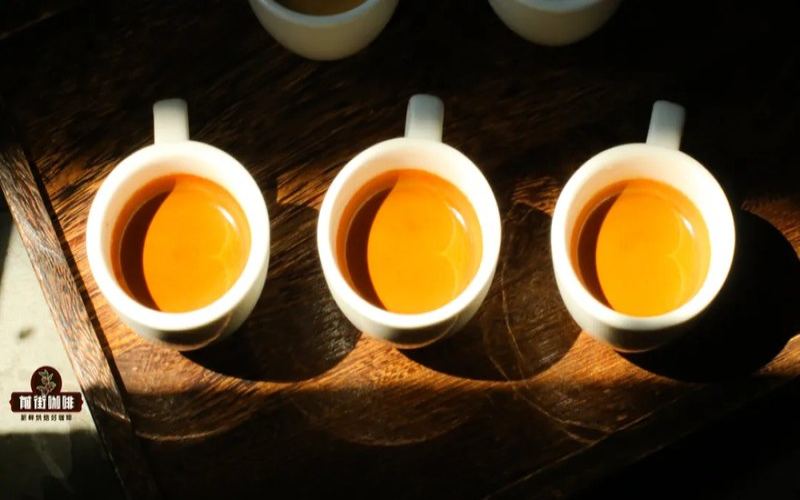
From Medium-Dark to Dark Roast: Choosing Dark Roast Beans for Pour-Over Like This
Pour-over is not only for bright, light-roasted beans. Once the roast level reaches medium-dark or dark, coffee reveals notes of cocoa, nuts, caramel, and roasted aromas, with a heavier mouthfeel and softer acidity. As long as you choose according to the intensity you want, dark-roasted pour-over can also deliver clear sweetness and a smooth texture. Pick [more…]

From Medium-Dark to Dark Roast: How to Choose Low-Acid Moka Pot Espresso Beans
Low-acid dark roast coffee beans do not have just one flavor; the roast color, development level, and post-roast resting state all influence how the coffee performs in the cup. If you want to make coffee with soft acidity and a full body using a moka pot or espresso machine, you can first look at the roast level, then decide whether you prefer cocoa, nutty, herbal, or balanced notes. [more…]

Dark roast coffee beans: how the roast level changes the taste
Dark-roasted coffee beans are not limited to just one flavor. As beans move from medium-dark to dark roast, their original fruity acidity gradually recedes, while caramel, cocoa, nutty, and roasted aromas become more prominent, and the cup feels fuller on the palate. When choosing, rather than fixating solely on the words "dark roast," it's better to further confirm whether it sits at the darker end of medium-dark or at a very dark level. Medium-dark leaning [more…]
From Medium-Dark to Heavy Roast: How to Choose Beans for Pour-Over Dark Roast
Pour-over is not only for bright, light-roasted beans. Once the roast level reaches medium-dark or dark, coffee reveals cocoa, nut, caramel, and roasted aromas, with more weight on the palate and acidity that trends softer. As long as you choose according to the intensity you want, dark-roast pour-over can also deliver clear sweetness and a smooth texture. Pick [more…]

Dark Roast Coffee Bean Brewing Tutorial | Will Dark Roast Coffee Beans Taste Bitter as Hand-Brewed Black Coffee? Which Cocoa-Flavored Dark Roast Specialty Coffee Beans Are Recommended?
Traditionally, to highlight a rich and full-bodied coffee flavor, roasters commonly use dark roasting. The increased roast level promotes more caramelization of substances, so dark-roasted coffee typically carries abundant notes of chocolate, spices, caramel, cocoa, maple syrup, and the like. In terms of aroma, dark-roasted coffee has a hint of chocolate. [more…]
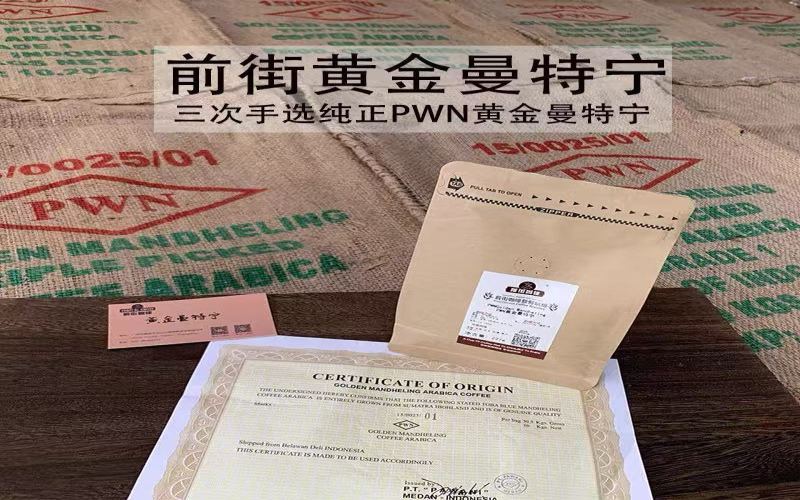
Are Dark Roast Beans Always Bitter? Understanding Dark Roast Coffee Even If You Fear Bitterness
The word "dark roast" has turned many people away—the mere thought of it conjures up an image of a bitter, astringent cup of strong coffee. But if you ask people who truly understand coffee, they will most likely tell you: the bitterness of dark-roasted [more…]
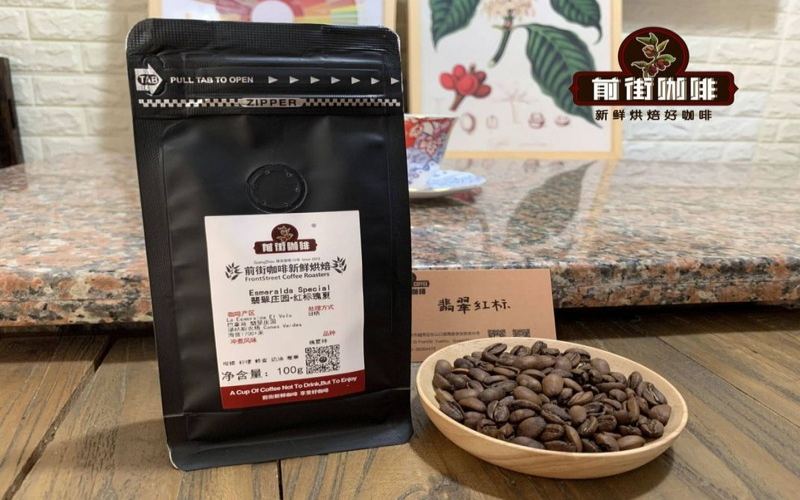
Three Flavor Levels of Dark Roasted Beans: Which Roast Level Suits You Best?
Dark-roasted beans don't have just one flavor. As the roast progresses from medium-dark all the way to dark, the acidity in the coffee gradually recedes, while nutty, cocoa, caramel, and roasted aromas become more prominent, and the mouthfeel shifts from crisp to full-bodied. To pick the right beans, start by checking the roast level on the packaging, then decide whether you care more about aroma or sweetness. [more…]
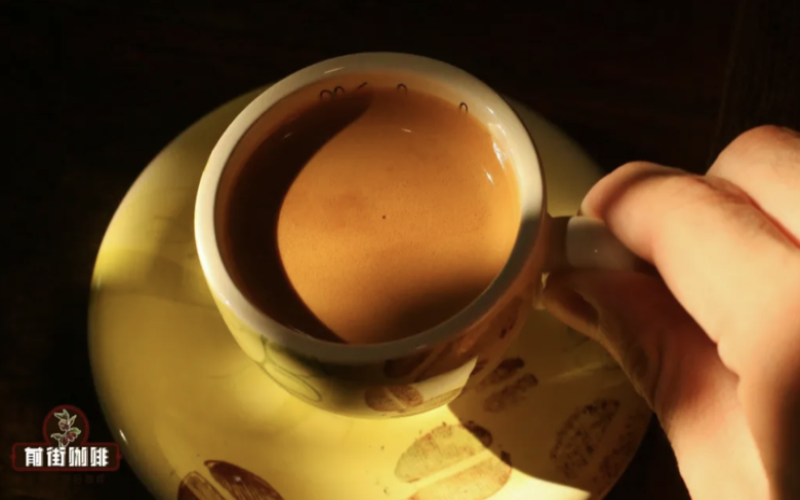
The Japanese Dark Roast School: A Roasting Philosophy That Takes Mouthfeel as Its Faith
In an era when specialty coffee has unmistakably surged toward "light-roast fruit acidity," the Japanese roasting world took the opposite path: roasting beans dark and thorough, pursuing the mellow aesthetics of "sweetness after bitterness." Japanese-style dark roasting is not an accidental product of over-roasting, but a self-consistent philosophical system. Understanding this school will change how you think about what "coffee should [more…]
How to Choose Latte Beans by Roast Level: Milk Coffee Performance of Light, Medium, and Dark Roasts
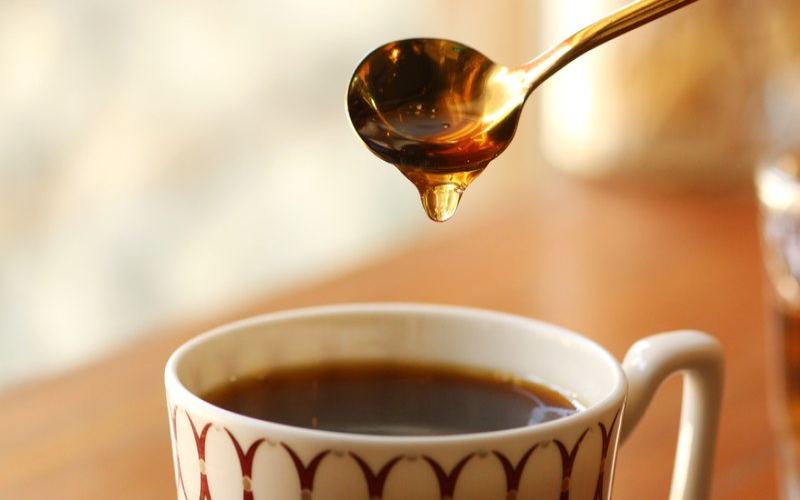
Latte doesn't have to be made with dark roast coffee beans. Once milk is added, the acidity and aroma of the coffee become softer, while the sweetness and smoothness become more pronounced, so different roast levels can all produce milk coffees with distinct personalities. When choosing, you can first imagine whether you want to taste fruity notes, caramel, or a rich flavor like dark chocolate. Roasting [more…]
What's So Good About Dark Roast Coffee Beans? Why Veteran Coffee Drinkers Keep Coming Back for More
When many people first get into coffee, the moment they hear the words "dark roast," their first reaction is "that must be so bitter." Yet many veteran coffee drinkers who have been drinking coffee for over a decade actually end up liking dark-roasted beans more and more. Why is that? The answer is simple: the charm of dark-roasted beans has never been "bitterness," but rather that heavy, weighty richness. [more…]
Flavor Characteristics of Dark Roast Coffee | How Dark Does a Roast Have to Be to Count as Dark Roast Coffee Beans? Which Specialty Dark Roast Coffee Beans Make Good Pour-Over Coffee That Isn't Bitter?
As the third wave of coffee has developed to this day, people have increasingly focused on the so-called "original taste of black coffee." In the process of roasting coffee, there are many factors that affect the flavor and mouthfeel of the coffee, such as the length of roasting time, the roasting method, the degree of roast, and even the amount of coffee beans or the roaster's own experience. [more…]
Cocoa Aroma from Light to Dark: How to Choose Coffee Beans for a Moka Pot
If you want to brew cocoa-flavored coffee with a moka pot, when choosing beans you can first look at the roast level, then decide whether you want the soft sweetness of milk chocolate or the rich, lingering finish of dark chocolate. The darker the roast, the more pronounced the cocoa, nutty, and roasted notes usually are; a lighter roast is more likely to retain fruity acidity, floral aromas, and brightness. Mo [more…]
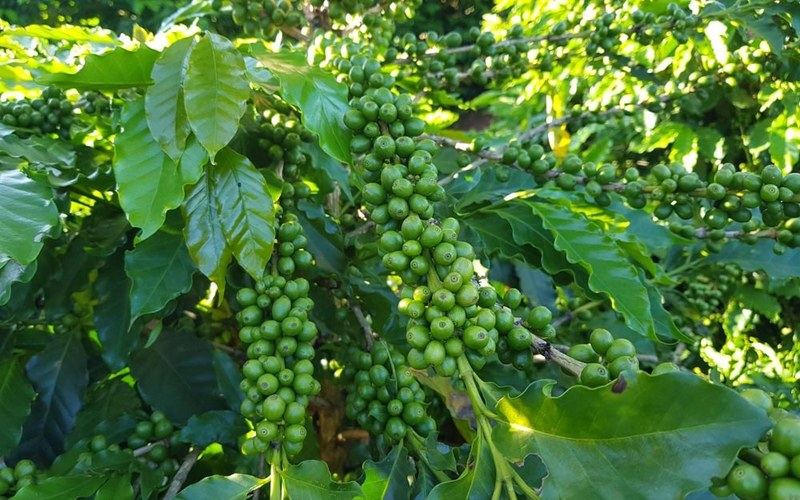
Choosing Non-Acidic Pour-Over Beans by Roast Level: From Medium to Dark Roast
Pour-over coffee doesn't only express bright fruity acidity. If you prefer a soft, easy-drinking cup with nutty or cocoa notes, you can start by choosing beans from three directions: medium roast, medium-dark roast, and dark roast. The darker the roast, the more the acidity usually recedes, and the flavors gradually shift toward caramel, roast, chocolate, and nuts, making them suitable for breakfast, [more…]
Cocoa Aromas from Light to Dark: How to Choose Coffee Beans for a Moka Pot
If you want to brew cocoa-flavored coffee with a moka pot, when choosing beans you can first look at the roast level, then decide whether you want the soft sweetness of milk chocolate or the rich, lingering finish of dark chocolate. The darker the roast, the more prominent the cocoa, nutty, and roasted notes usually are; a lighter roast tends to preserve more fruity acidity, floral notes, and brightness. [more…]
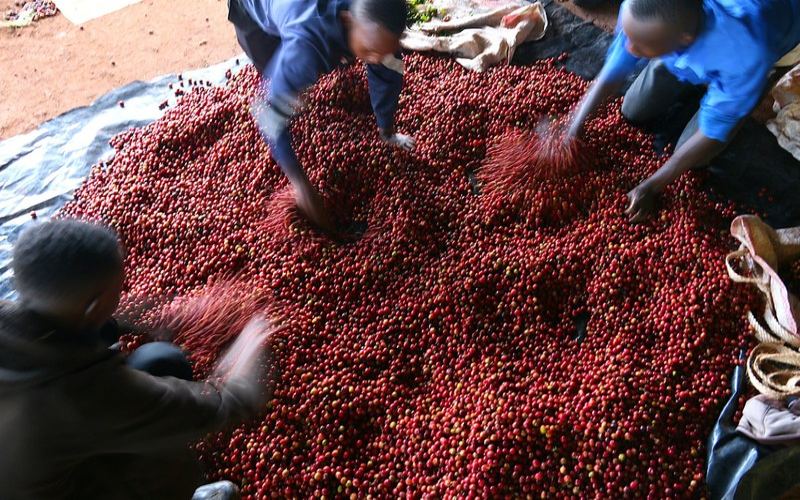
Espresso beans: dark roast vs. medium-dark roast—the difference is hidden in the cup
Even when extracted with the same espresso machine, dark-roasted beans and medium-dark-roasted beans take coffee in two different directions. The former often carries notes of roast, cocoa, and nuts, with a thick, full body in the cup, making it suitable for producing an espresso with a clearly defined presence; the latter retains more of the beans' sweet aroma and acidity, so the espresso is more varied when drunk on its own, and even after milk is added, a clear flavor can still remain. [more…]
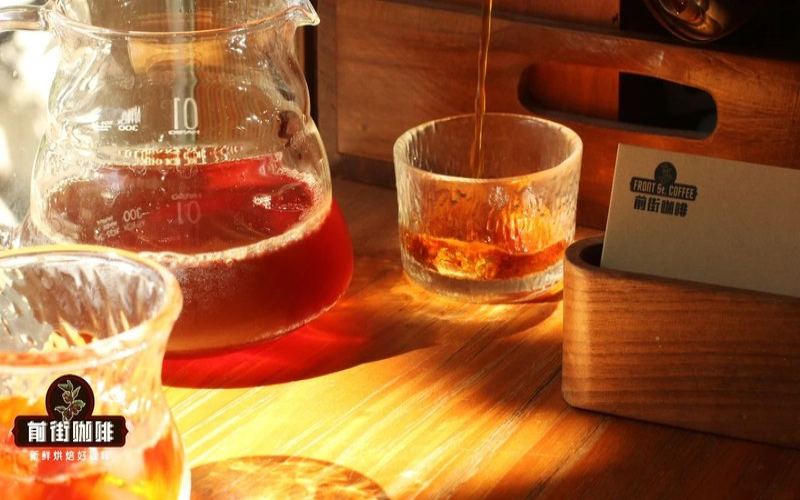
Choosing Dark Roast Beans by Roast Level: A Bean Selection Approach from Black Coffee to Milk Coffee
The charm of dark roast beans lies in their aroma shifting from floral and fruity notes to cocoa, roasted, nutty, and caramelized sweetness, with a cup that is usually deeper and more grounded, and a texture that feels more substantial. It suits the moment in the early morning when you need a hearty cup of black coffee, and it also works well with milk to make a latte. If you do not particularly care for pronounced acidity, dark roast will be an easy one to grow fond of. [more…]
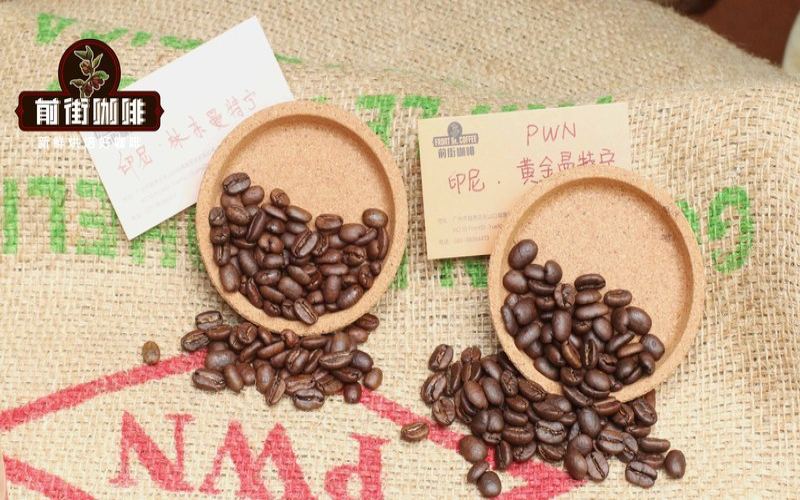
Moka Pot Bean Selection Guide: How to Choose from Light to Dark Roast
Coffee brewed in a moka pot is strong and intensely aromatic—perfect for sipping slowly from a small cup, or for adding water or milk. For those just starting out, roast level is an easier guide than region names: light roasts lean bright, medium roasts are balanced and sweet, medium-dark roasts have more body, and dark roasts bring pronounced cocoa and roasted notes. [more…]

Should you choose a dark roast or medium-dark roast for espresso beans? Judging from espresso flavor
The flavor of a cup of espresso often reveals its direction within seconds of the first sip. Whether you prefer nuts, cocoa, and caramel, or lean toward brighter acidity and fruity notes, this is closely tied to the roast level of the beans. For most home espresso machines, both medium-dark and dark roasts can be everyday choices—the difference lies in how they present their flavors. [more…]