







Search Results for: cup size controversy

Bawang Chaji's "Return to Yunnan" ripe pu'er series launches: air-dried beef in tea sparks discussion, 350ml small cup pricing draws controversy
After lying dormant for most of the year, Chagee has finally launched a new product line, the "Return to Yunnan" ripe pu'er series, bringing three drinks at once. Among them, "Clouds Rolling with Pine Wind" boldly adds dried beef flakes and black truffle, breaking away from the brand's previous light milk tea direction. However, after launch, consumer feedback has been polarized: some praise its innovation, while others bluntly say the combination of beef and black truffle tastes like barbecue dipping sauce. What surprised longtime users even more is that the new packaged cup is only about 350ml, a considerable reduction from the regular medium cup, yet the price is higher than the classic "Boyya Juexian," sparking discussion about value for money. This article sorts through the new product lineup, taste reviews, and cup-size controversy, and includes related recommendations from Front Street Coffee for coffee and tea beverage enthusiasts to reference. [more…]

2-jin milk tea sold by weight sparks debate: controversy over cost-effectiveness and capacity labeling
Recently, a milk tea marketed as a "2-jin pack" has gone viral on social media, attracting a large number of consumers. The product was launched by a local tea beverage brand in Zhanjiang, priced at 18 yuan, or about 10 yuan after discounts, and has tapped into the consumer psychology of pursuing value for money with its large capacity and low price. However, along with the popularity came controversy: some consumers pointed out that 2 jin is roughly equivalent to 1000ml, and compared with the 500-700ml large cups of milk tea on the market, the actual value for money may not be outstanding, and merchants should label the capacity truthfully. In addition, similar products have already appeared in Nanning, Guangxi, and the originality of the idea has also sparked discussion. Some people are also worried that oversized milk tea may cause food waste. As coffee lovers, Front Street Coffee has also noticed the consumer trends and industry reflections behind this phenomenon. [more…]

1DianDian Mini Cup Sparks Bundling Controversy: Two Identical Cups Must Be Ordered Together, Short Straw Shortage Draws Customer Complaints
As Children's Day approaches, major chain beverage brands are rolling out limited-edition campaigns and merchandise, and 1 Dian Dian has also brought back its cute, compact mini cups for a limited time. However, the launch of these mini cups has sparked considerable controversy: customers have found that when purchasing, the system automatically shows two cups, with identical flavors, sweetness levels, and toppings, and no ability to adjust them freely or order just one. Consumers who wanted to mix flavors or share with friends were disappointed, and some customers complained that the stores provide regular long straws, making the experience less than ideal. In response to the feedback, 1 Dian Dian employees also expressed helplessness, as the company has not provided ingredient ratios for the mini cups, leaving them to simply split a medium cup of tea evenly into two cups. If they were to customize orders according to customer requests, it would not only affect service efficiency but could also lead to waste. This article will sort through the focal points of controversy surrounding this mini cup campaign and the statements from all sides. [more…]

Why Is a Flat White Only Served Hot? The Meaning of Flat White and an Analysis of Its Milk Foam Differences from Latte and Cappuccino
Can a flat white be made as an iced drink? What exactly does "flat white" mean? Where does it differ at its core from a latte or a cappuccino? Starting from the controversy over the origins of the flat white, this article sorts out this espresso milk coffee's cup size, milk foam thickness, and taste characteristics, explains why specialty coffee shops generally do not offer iced flat whites, and offers Front Street Coffee's popular blends and SOE recommendations, helping you understand the real reason behind why flat whites are only served hot. [more…]

What's the difference between Australian White Coffee and Flat White? Starting with latte art, milk foam thickness, and the origin controversy
As a milk coffee, what exactly is the difference between a Flat White, a latte, and a cappuccino? Many coffee enthusiasts notice when visiting cafes that Flat Whites from different shops vary noticeably in cup size, foam thickness, and even whether latte art is present—differences that are closely tied to the drink's diverse definitions. This article starts from the phenomenon of latte art, sorts through the controversy between New Zealand and Australia over the Flat White's origin, analyzes how the drink's thin microfoam—its core characteristic—affects mouthfeel and the difficulty of pouring latte art, and explains the practical reasons why cafes choose not to pour latte art, helping readers understand the logic behind how this cup of coffee is made. [more…]

Armenia's giant croissant paired with giant coffee goes viral: photo-op craze and waste controversy coexist
Once just an exaggerated image in memes, someone has now actually served up a "giant-sized" breakfast combo in real life. A bakery and brunch spot in Armenia called Bakery Yerevan has launched a bucket-sized giant cappuccino and a croissant bigger than a turkey, quickly going viral on Instagram. This XXL croissant comes from renowned French chef Philippe Conticini, available at two London locations for €25 each; at Bakery Yerevan, the giant combo of croissant plus coffee is priced at $158, roughly 1,100 RMB. Although the price is not low, many people still go to check it out. The giant portion delivers maximum visual impact, but it has also sparked online discussion about waste from being unable to finish it all. [more…]

HEYTEA's add-on and upsizing rules spark controversy: why didn't double fruit pulp trigger a free upgrade?
Recently, a consumer shared on social media a frustrating experience with cup upgrades when ordering from Heytea, sparking widespread discussion. The customer ordered a Mango Coconut Sticky Rice drink with double fruit pulp and sago toppings, following an online guide, expecting to automatically receive a supersized cup like other netizens, but was told that an upgrade was not possible. After the incident gained traction, many netizens shared similar experiences, questioning the inconsistency in the brand's upgrade criteria. How exactly does Heytea define its cup upgrade rules? Why do differences in store execution occur? This article will review the sequence of events and analyze the underlying operational logic and possible reasons. [more…]

Double-chamber filter paper overturns pour-over blending logic: a new way to brew two coffee beans in one pot and the price controversy
The usual way to make a pour-over blend is to mix different beans together and then grind and brew them as one, but a dual-chamber filter paper launched by Spanish accessory maker Sibarist breaks that convention. The filter has a paper wall down the middle that splits the original bed of grounds into two, letting baristas brew two different coffees at the same time, or the same bean at two different grind sizes, and ultimately fuse a brand-new flavor in a single cup. After the product appeared at the SCA Expo in Chicago, its price was announced: a pack of 30 sheets costs 30.94 euros, or about 8 yuan per sheet, which had plenty of enthusiasts saying they could not bring themselves to pay it. Chinese netizens, meanwhile, saw in its unfolded shape a resemblance to a double-flavor hot pot, and their imaginations ran to a "mandarin duck latte"玩法 in which coffee grounds go on one side, tea leaves on the other, and hot milk is poured through to brew it. [more…]

How should pour-over coffee extraction time be determined? The controversy and practical recommendations on whether blooming should be timed
When brewing pour-over coffee, the timer function on a digital scale is often overlooked, yet it is crucial for judging extraction results. Front Street Coffee recommends keeping the total extraction time at around 2 minutes, in practice falling between 1 minute 50 seconds and 2 minutes 10 seconds. However, there is disagreement over when to start the timer: should it begin the moment water is poured, or should the clock only be started after pouring is finished? Front Street believes that extraction begins the instant the coffee grounds touch water, and therefore insists on timing from the very first second of pouring. This article builds a pouring model around time milestones, explaining how to troubleshoot issues such as flow rate and grind size through segmented timing, making time an effective diagnostic tool for brewing. [more…]

The Milk Foam Thickness Standard for Flat White and the Latte Art Controversy: The Crafting Logic Behind 0.3 to 0.5 Centimeters
How thick should the milk foam in a flat white really be? Why do some cafés not do latte art when serving a flat white? Behind this lies the historical origins of the flat white and the different brewing philosophies across countries. This article will take you through the evolution of the Flat White from its birth to its global popularity, analyze the differences between New Zealand and Australia in defining the flat white, and explain why thin microfoam is the key feature that distinguishes a flat white from a latte or cappuccino. At the same time, we will also explore the technical conflict between latte art and thin microfoam, and share Front Street Coffee's actual parameters and bean selection approach for making a flat white. [more…]
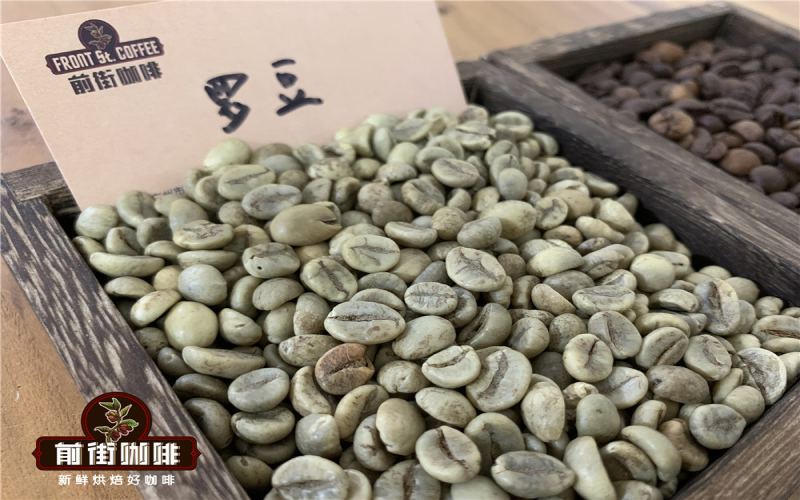
The Diverse Applications of Robusta Coffee Beans and an Analysis of the Controversial Causes of Their Bitterness
Robusta is often labeled as "bad-tasting" and "high in caffeine," but few delve into why it is still so widely used. Front Street believes that to understand this variety, one must start with its botanical characteristics, historical role, and practical uses. Robusta is naturally resistant to pests and diseases, high-yielding, and low-cost, making it suitable for commercial mass production, and thus widely used in instant coffee and espresso blends. Its bitterness mainly stems from high chlorogenic acid and low sucrose, but this does not mean all Robusta is of poor quality—Indian Royal Robusta demonstrates a clean flavor profile. Front Street's commercial blend coffee beans include 10% washed Robusta, combined with Colombian and Brazilian beans, producing espresso with rich crema, strong nutty aroma, creamy fullness, and bitterness that dissipates quickly. This article will comprehensively analyze Robusta's uses and controversies. [more…]

What is the difference between a flat white and a fu rui bai? Is an iced Flat White feasible? Origin controversy and preparation explained in detail
When you walk into a café to order, do you get confused by names like Australian White, Flat White, and Artisan White? They actually all refer to the same Italian milk coffee—Flat White—just called differently by various brands. Whether this drink originated in Australia or New Zealand is still debated, but the domestic coffee scene prefers to call it Australian White. It differs noticeably from a latte in espresso extraction, milk foam thickness, and cup size. Traditionally, it is only served hot, but now iced versions have appeared to cater to the market. This article, based on Front Street Coffee's production parameters, will break down the origins and recipe logic of Australian White, as well as the key differences between espresso and ristretto, helping you find the cup that suits your taste better. [more…]
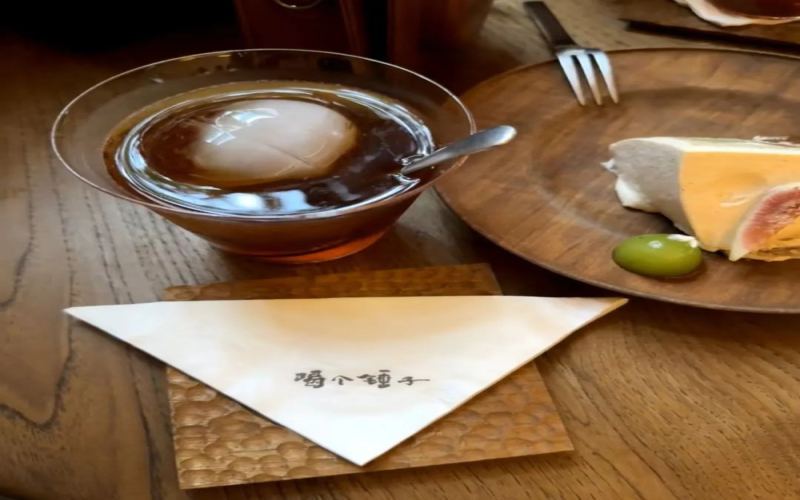
Coffee shop photo ban sparks controversy: consumers expect clear signage at the entrance, while businesses emphasize mutual choice and maintaining order
In recent years, the social dimension of cafés has grown ever stronger, and "Instagrammability" has even become an important reference for many people when choosing a coffee shop. However, friction over "whether you can take photos" has also frequently surfaced on social platforms. Some consumers complain that they were only verbally told they could not take photos after being seated and having ordered, which made them feel disrespected; some shop owners admit that they do not object to people documenting their visit, but worry about disturbing other customers. Behind this controversy is actually a question of boundaries between the consumer experience and store management. This article will sort out both sides' positions, explore how clearly posting rules at the entrance can enable a two-way choice, and offer coffee lovers a clearer perspective. [more…]
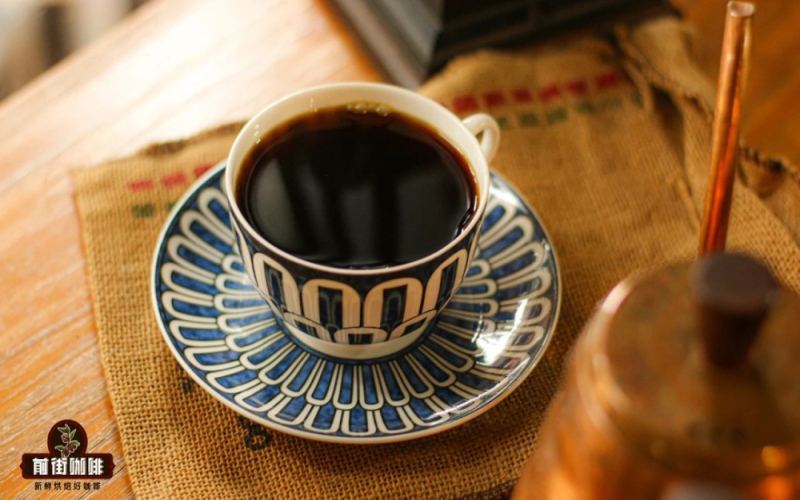
Indonesian Kopi Luwak Flavor and Taste Full Analysis: From the Aceh Region to Bali, Front Street Coffee Teaches You to View This Controversial Coffee Objectively
Kopi Luwak has always been a highly talked-about presence in the coffee world. Some people are curious about its unique flavor, while others are deterred by its name. This time, Front Street Coffee takes an objective perspective to help you understand the true face of Kopi Luwak—is it really made from cat feces? Why does its price remain so high? Can the digestive system truly change the flavor of coffee beans? Starting from Indonesia's Aceh producing region, this article covers the origin of Kopi Luwak, the dietary habits of the civet, the principles of in-vivo fermentation, as well as Front Street's roasting records and brewing parameters, and also includes detailed flavor descriptions, giving you a more comprehensive understanding of this controversial coffee. [more…]

A Guide to Flat White Milk Foaming Techniques and Italian Blend Bean Selection
Flat White has become a beloved milk coffee drink among coffee enthusiasts in recent years, renowned for its rich coffee flavor and delicate, thin microfoam. This article provides a comprehensive analysis of the controversy surrounding Flat White's origins, its preparation methods, and the recipe variations across different schools of thought, while also offering an in-depth comparison of latte, cappuccino, and Flat White in terms of cup size, foam thickness, and mouthfeel. In addition, we will recommend Front Street Coffee's classic espresso blend beans suitable for making Flat White, helping you easily recreate an authentic Australian-style white coffee at home. Whether you are a beginner just getting into specialty coffee or a seasoned enthusiast pursuing the ultimate flavor, this article will provide you with practical guidance and reference. [more…]

How Is Australian White Coffee Different from Fu Rui Bai and Ao Rui Bai? The Origin Controversy and Key Preparation Points of the Flat White Explained
Many coffee lovers are in the habit of ordering a latte at a café, and in recent years more and more people are choosing a flat white. The flat white is also known as Australian white coffee, and some call it fu rui bai or ao rui bai. Whether this coffee originated in Australia or New Zealand remains disputed to this day. The two countries not only each insist on their own claim to its origin, but also have different preferences when it comes to preparation standards—Australia tends toward a single shot of espresso, while New Zealand often uses a double ristretto. This article reviews the historical written records of the flat white, its differences from the latte and cappuccino, and shares the specific method Front Street Coffee uses to produce a flat white in-store, including cup size selection, milk frothing techniques, and coffee bean blending options. [more…]
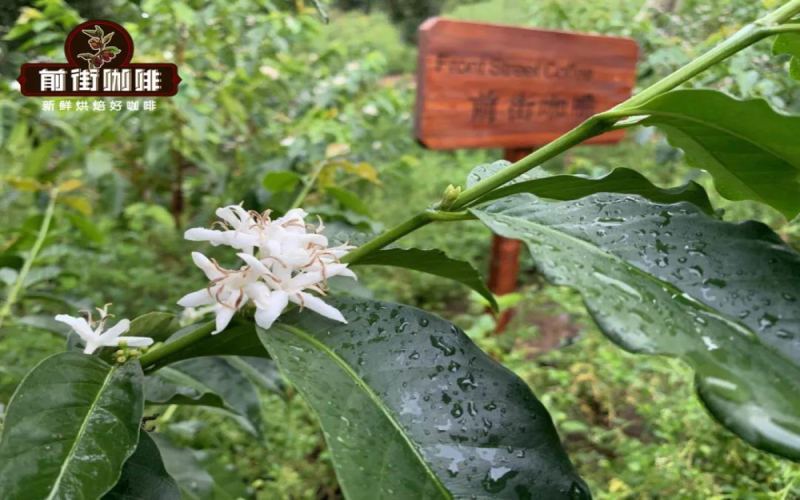
Analysis of the Differences Between Yunnan Coffee Typica and Catimor Varieties: The Reasons Behind the Flavor Controversy of Catimor and a Brewing Guide
In Yunnan's coffee industry, Typica and Catimor are two varieties with vastly different fates. As the oldest derivative of Arabica, Typica has a clean and elegant flavor but is frail and disease-prone; Catimor, having incorporated Robusta genes, is disease-resistant and high-yielding, yet carries controversy over its flavor. Front Street Coffee established an estate in Lincang, insisting on growing Typica, all to present the most authentic charm of Yunnan coffee. This article will delve into the historical origins, flavor differences, and current cultivation status of the two varieties, and provide a detailed interpretation of the characteristics of Yunnan's main producing regions and the impact of washed and natural processing methods on flavor. Finally, it will share the brewing parameters and tasting notes of Front Street 2013 Natural Typica, taking you on a comprehensive journey through the past and present of Yunnan coffee. [more…]

A 17-yuan milk tea unopened but only half a cup? Grandpa's No Tea "no ice" controversy sparks a wave of consumer feedback
Recently, a video about a 17-yuan milk tea from "Grandpa Doesn't Make Tea" that was unopened yet only half full sparked heated discussion online. A consumer in Guangdong reported that the First Love Rose Green Grape Fruit Tea they purchased had an opaque upper half on the cup, making it hard to judge the capacity from the outside; only after flipping it over did they discover the drink was only half full. Around issues such as whether no-ice drinks should by default not fill the cup and whether store serving standards are uniform, netizens clearly held divergent views. At the same time, multiple consumers posted weighing results and flashlight inspection results, pointing out that insufficient portions of this brand's drinks are not an isolated case. The brand and stores have responded, saying they are verifying and handling the matter. [more…]

Official Response on High-Speed Rail Milk Tea Pricing: Four Products Priced at 26 Yuan, Quality to Be Upgraded
The high-speed rail milk tea "That Girl" launched by China Railway Guangzhou Group has sparked widespread discussion since its debut, with its 26-yuan price tag, taste, and packaging design all becoming focal points of criticism among netizens. In response to the controversy, the head of Guangzhou EMU Catering Co., Ltd. responded on November 16, stating that the pricing takes into account production costs, transportation, and the special operating environment of high-speed rail, in line with relevant department standards, and promised to continuously optimize product quality based on passenger feedback. Whether this high-speed rail milk tea, which sells 3,000 cups daily and is often out of stock, can turn its reputation around is worth watching. [more…]

Starbucks Accused of Defaulting to Reserve Coffee in Orders, Sparking Controversy; Store Eventually Admits Fault and Issues Refund
A customer at a Starbucks Reserve store, while paying with a Starbucks Card, discovered that two drinks had been upgraded by default to the pricier Reserve coffee, and during the ordering process the staff never mentioned the word "Reserve." This "default Reserve" incident sparked widespread discussion, with many netizens sharing similar experiences, and a former Starbucks employee also revealed it may be related to KPI assessments. Starbucks customer service initially gave a vague response, but the store eventually admitted the mistake and promised a refund. At the heart of the incident are customers' right to be informed and their right to choose, and it also prompts reflection on where exactly the boundary lies between ordering at a Reserve store and a regular store. [more…]