








Why Does the Coffee Shop Photo Ban Cause Friction?
Disputes over photography in cafes keep surfacing because customers often learn the rule only after ordering and sitting down, which many read as disrespectful. Shop owners say they do not object to visitors documenting a visit but worry about disturbing other guests, so the disagreement centers on when and how the rule is communicated rather than on photography itself.
As cafe culture grows more social, being photogenic has become a factor in choosing where to spend time, and check-in visits bring both traffic and friction. Clear rules posted at the entrance would let customers and shops choose each other before an order is placed. That boundary between consumer experience and store management is the practical issue behind the reviews and complaints.
In recent years, the social dimension of cafés has grown stronger and stronger, and "is it photogenic" has even become an important reference for many people when choosing a coffee shop. However, friction over "whether you can take photos" has also frequently appeared on social platforms. Some consumers complain that they were only verbally told they could not take photos after sitting down and ordering, and felt disrespected; some shop owners admit that they do not object to people documenting their visit, but worry about disturbing other customers. Behind this controversy is actually a boundary issue between the consumer experience and store management. This article will sort out both sides' positions, explore how clearly posted rules at the entrance can enable two-way choice, and offer coffee lovers a clearer perspective.
▲
Click to follow | Daily specialty coffee culture magazine Coffee Workshop
It is unclear when it began, but "can you take good-looking photos" has become a key factor for many people in judging whether a coffee shop is worth visiting. Recently, discussion about cafés not allowing photography has once again appeared on social platforms and quickly became a hot topic.
Young consumers have gradually become the main customer group in the coffee market, and the social function of cafés has strengthened accordingly. In addition to the drinks themselves and the baristas, more and more people are willing to pay for the atmosphere of a space. The most typical manifestation is check-in culture—making a special trip to a very "photogenic" coffee shop, buying a cup of coffee as an admission ticket, and then unhurriedly starting to take photos.
"If you don't allow photos, I'll give a bad review"
"What's the point of going to a coffee shop that doesn't allow photos?"
"Avoid this place! Don't go, they don't allow photos—does that mean I didn't spend money?"
When browsing reviews of some cafés, you may have seen similar negative reviews or complaints. In these consumers' accounts, the most memorable thing about a coffee shop is neither the flavor of the food nor the environment or service, but the hard-and-fast rule of "no photography."
Not long ago, a netizen posted about this: "Please, shops that don't allow photos, put the no-photography sign at the entrance." She said that when she arrived at a coffee shop, ordered, and sat down, just as she was about to photograph the food, the shop staff suddenly came over and reminded her, "We don't allow photos here~."
As a consumer, she believed the shop had the right not to let customers take photos, but it should inform them in advance and put up a more conspicuous notice at the entrance so both sides could choose ahead of time, rather than verbally discouraging customers only after they had made a purchase.
In response, many netizens said they could understand rules banning commercial photography, but if it was just documenting one's own life, and they had paid for the coffee and were not disturbing other customers, why was taking just one photo not allowed?
First,
there is no absolute right or wrong in this matter; people simply have different positions.
When it comes to "taking photos in coffee shops," many shop owners resonate. They do not dislike photography, and they are also grateful when some consumers capture the beautiful side of a coffee shop and share it on social platforms, bringing traffic.
But once this kind of behavior becomes frequent, or even starts to affect others, as shop owners they can only apologetically step in to stop it. This is especially true of behavior that disrupts other consumers' experience, such as being loud, taking up too much space, frequently using flash, or moving tables, chairs, and decorations without permission.
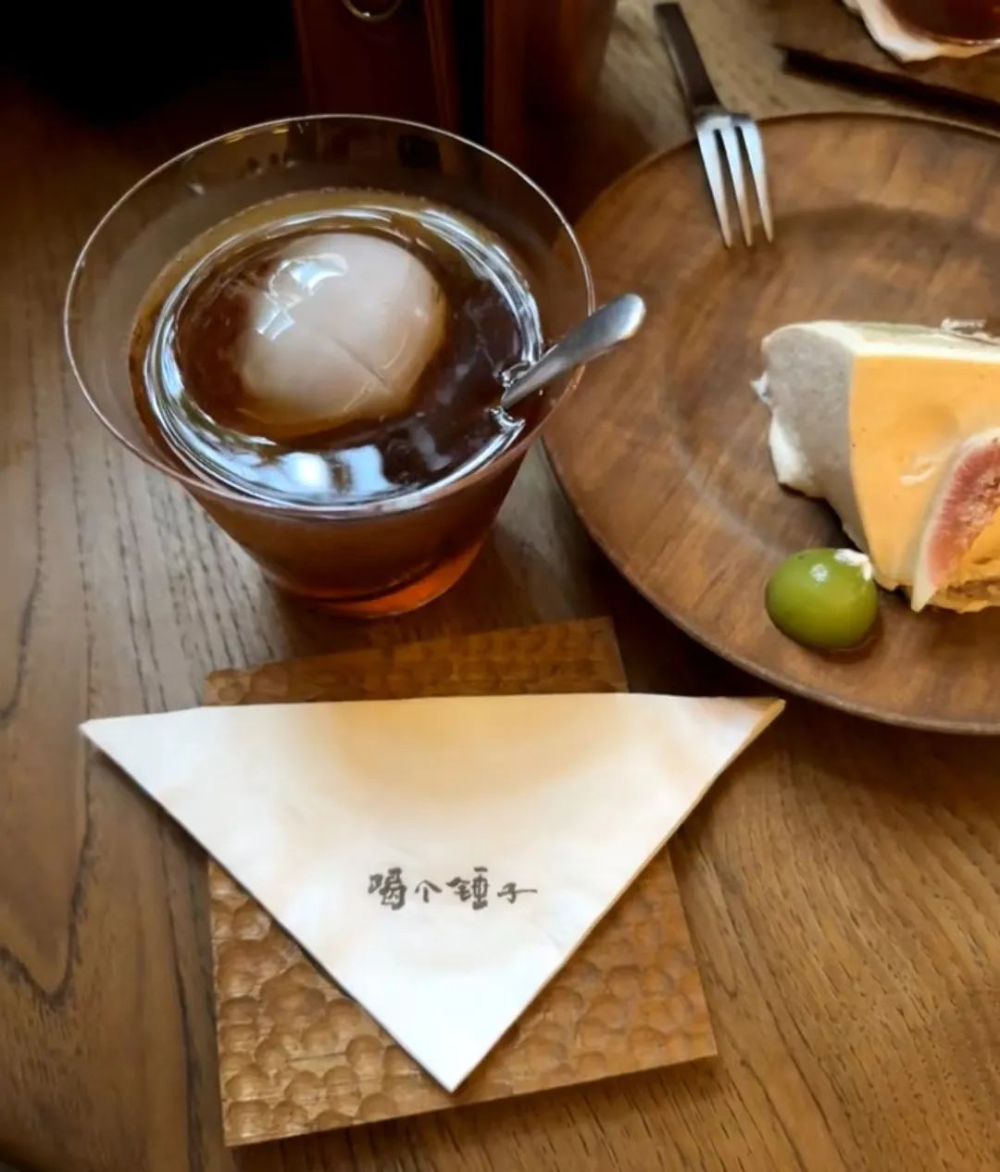
Therefore, in order to avoid unpleasant arguments and at the same time create a comfortable dining environment for other guests, many businesses set up rules of various sizes in their shops, usually made into standees or posters and placed by the door. In this way, consumers who read the shop rules before entering are assumed to be willing to abide by them, which constitutes a two-way choice between the shop and the customer.
However, the premise is that the rules must be conspicuous enough; otherwise, as in the situation mentioned above, a "last-minute" notification is more uncomfortable than a reminder before entering.
Image source: Internet
Disclaimer: Some images in this article are from the Internet. For some content on the website, such as images, we will respect the original author's copyright and indicate the source. However, due to the large volume, a few images and texts may not have been credited in time. Please forgive us. If the original author has any dispute, they may contact the website for handling. Once verified, we will correct it immediately. Compiled and edited by "Coffee Workshop." Please indicate the source when reposting. If there is infringement, please inform us for deletion. Thank you~!
The above content is compiled by CoffeeHunters, a coffee news website.


