







Search Results for: cooling down and beating the heat

Hot Coffee Beats Iced Coffee for Beating the Heat? A Scientific Look at the Temperature Debate in Summer Coffee Drinking
On a scorching summer day, with temperatures approaching 40 degrees Celsius, would you rather pick up a glass of iced coffee or a hot coffee? Most people's instinct would be to choose a cold drink to dispel the heat, yet scientific research gives the exact opposite answer: a hot beverage may actually be the truly effective way to cool down. This article explores in depth the pros and cons of iced coffee versus hot coffee in summer from the perspectives of taste perception, the principle of ice dilution, and the body's sweating and evaporation mechanisms, and analyzes why some people insist on drinking hot coffee in the sweltering heat. Whether you are a loyal fan of iced coffee or a staunch supporter of hot coffee, this discussion about temperature and how it feels to the body is worth a read. [more…]

A Detailed Guide to Making Cold Brew Coffee at Home in Summer: Choosing the Right Coffee Beans and a Guide to Coffee-to-Water Ratios
On a scorching summer day, a glass of icy cold brew coffee is undoubtedly a perfect way to cool down. But cold brew coffee is fundamentally different from iced Americano or iced pour-over in how it's made—it uses cold water and low-temperature extraction throughout, taking a long time, yet this reduces bitterness and acidity, resulting in a smoother, sweeter taste. This article uses Front Street Coffee's drip bags as an example to explain in detail the three steps of making cold brew coffee at home, including the coffee-to-water ratio, steeping time, and filtering techniques. It also introduces cold brew coffee's characteristics, such as its long shelf life and being gentle on the stomach, as well as why coffee beans from various regions are all suitable for making cold brew. Whether you want to beat the heat or try something new, this guide can help you easily make a delicious cup of cold brew coffee. [more…]
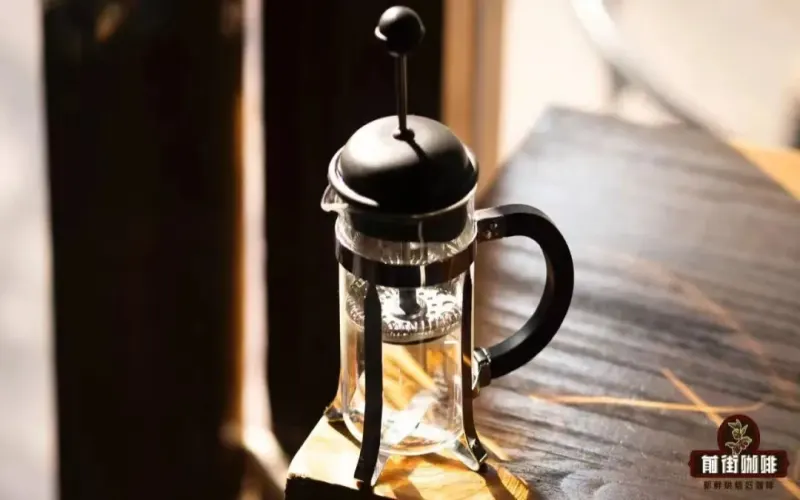
French Press Iced Coffee Brewing Guide: Full Breakdown of Coffee-to-Water Ratio, Grind Size, and Steeping Time
On a scorching summer day, who wouldn't want a glass of ice-cold, refreshing coffee? The French press is deeply loved by coffee enthusiasts for its simple operation and high tolerance for error. However, most tutorials only cover how to make hot coffee, while methods for brewing iced coffee are rarely shared. This article will explain in detail how to use a French press to make a rich and delicious cup of iced coffee, including the coffee-to-water ratio, grind size, water temperature control, and the complete step-by-step process. It will also recommend several Front Street Coffee beans suitable for immersion brewing, so you can easily recreate a professional-level iced coffee experience at home. [more…]
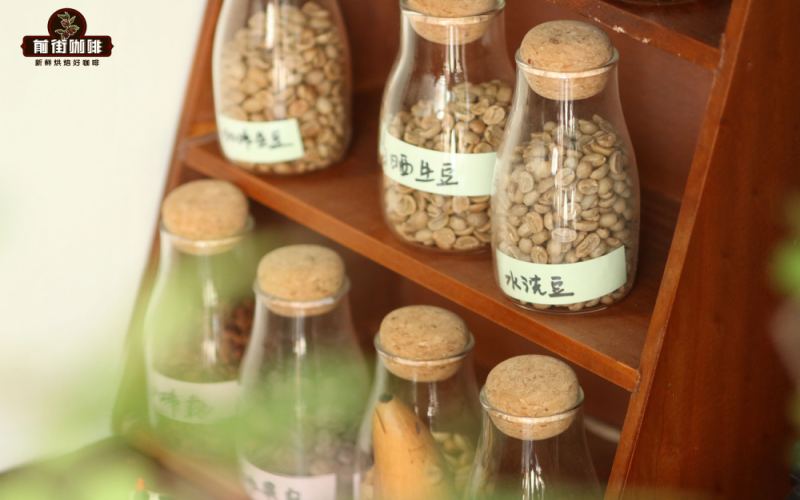
A Detailed Guide to the Production Process of Ice Drip and Cold Brew Coffee and a Comparison of Cold Brew Coffee Flavor Characteristics
On a hot summer day, a refreshing glass of cold brew coffee is undoubtedly an excellent choice to cool off and quench your thirst. This article will introduce in detail the preparation steps and methods for cold brew coffee, ice drip coffee, and cold steeped coffee, and provide an in-depth analysis of their characteristics and differences. The baristas at Front Street Coffee will share key parameters for ice drip coffee, including equipment components, coffee-to-water ratio, grind size, and extraction time, and will also teach you how to make cold steeped coffee at home using simple containers. In addition, the article will explore the flavor characteristics of cold brew coffee and how to choose suitable coffee beans, including Front Street's recommended Kenya Asalia and Honduras Sherry coffee beans, so you can easily enjoy a professional-grade iced coffee experience at home. [more…]
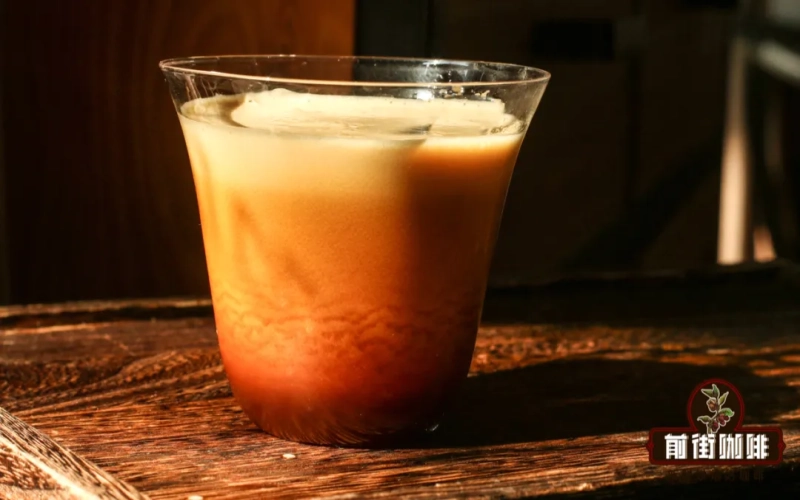
Full Guide to Making Flowing Iced Americano: Three Whipping Methods and Ice-to-Water Ratios Explained
The Start of Winter in Guangdong often feels like a mere formality—after a brief cooldown, the heat quickly returns, so the demand for iced coffee naturally stays high. As a classic heat-beating staple in cafés, iced Americano and its creative variations also attract plenty of attention. Among them, the "quicksand iced Americano" has recently been the item most frequently asked about by customers at Front Street Coffee locations. Although Front Street Coffee does not sell this product, its production principle is in line with that of iced Americano, with the only difference being the technique. This article will begin with the formation principle of the quicksand effect, then introduce in detail three different frothing methods—the espresso machine steam wand, the shaker, and the French press—and provide the specific ratios of coffee liquid, ice cubes, and water required for each. At the same time, it will also share espresso bean choices suitable for making iced Americano, including Front Street Coffee Huakui SOE, Front Street Coffee Grana Geisha SOE, and several blends, to help everyone recreate this distinctive deliciousness at home. [more…]

Gu Ming's new plum lemonade slammed for being too salty—does takeout require customers to add the plums themselves?
On a scorching summer day, a refreshing glass of ice-cold lemonade should be the perfect way to beat the heat, but Good-Me's recently launched "Preserved Plum Lemonade" has left many consumers frowning with every sip. This new product, described as a "still version of salted lemon Seven-Up," combines perfume lemons, calamansi, and pickled preserved plums to create a sweet-and-sour, ice-cold selling point, and its appearance is indeed refreshing and enticing. Yet once it hits the palate, the saltiness of the preserved plum immediately takes over the taste buds, and after prolonged steeping, the bitterness of the lemon peel layers on top of that, earning it the nickname among netizens as "the rising star of the dark cuisine world." Even more surprisingly, in some delivery orders the preserved plums are packaged separately, requiring customers to add them themselves, which has caused considerable confusion. Front Street Coffee takes you through the real performance of this controversial new product. [more…]
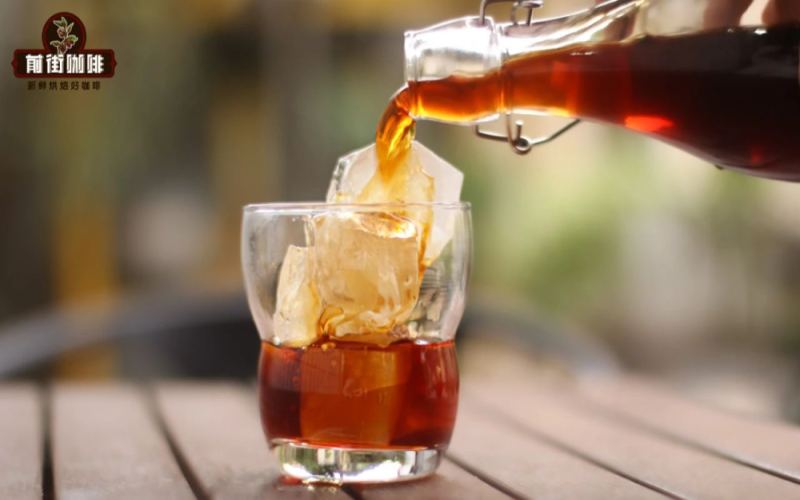
How to Make Cold Brew Coffee at Home: Coffee-to-Water Ratio, Grind Size, Shelf Life, and Front Street Coffee Bean Recommendations
The scorching summer is hard to endure, and cold brew coffee has become the top choice for many coffee lovers to beat the heat. Starting from the underlying principles, this article explains clearly why cold brew coffee tastes more balanced, then walks through step by step the types of coffee beans suitable for cold brew, the reasonable range for the coffee-to-water ratio, how grind size and steeping time work together, and how long it can be kept once made. The article also gives specific recommendations based on several Front Street Coffee beans, including the dark-roasted Queen's Estate, PWN Golden Mandheling, the light-roasted Fruit Ding Ding, Little Tomato AA, as well as the specially processed Strawberry Candy and Front Street Xizhua, to help you avoid detours and make a smooth, consistent cup of cold brew at home. [more…]

Cold brew coffee steeping time and temperature selection: ice drip vs. cold brew methods, flavor differences, and Front Street Coffee's measured data
Making cold brew coffee at home can both beat the heat and save you quite a bit of money. Cold brew actually falls into two categories: cold water immersion and ice water drip, namely cold brew coffee and ice drip coffee. This article first introduces the complete process and parameters for making ice drip coffee at Front Street Coffee stores, including coffee dose, grind size, coffee-to-water ratio, and extraction time, and recommends a suitable Kenyan bean; then it explains the simpler cold brew method and tea bag technique. Regarding the two common questions of how long cold brew coffee should steep and whether to leave it at room temperature or in the fridge, the article gives Front Street's conclusions from comparative tests at 4, 8, 12, and 24 hours to help you adjust the extraction plan according to your taste. [more…]
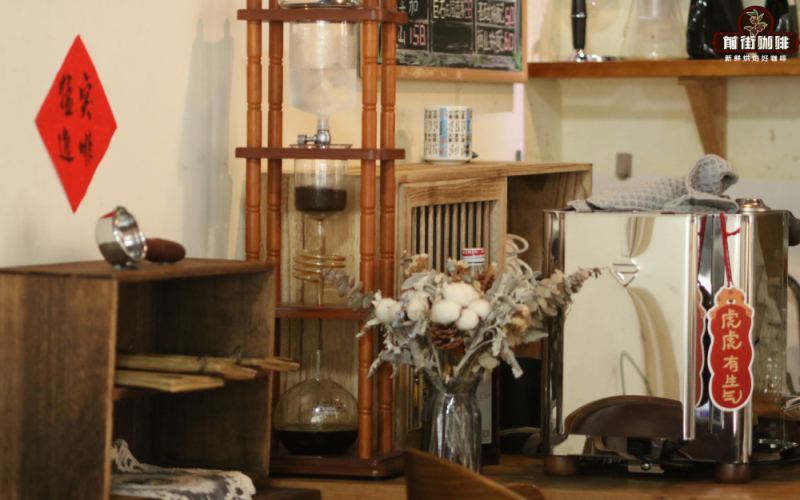
What Exactly Is Cold Brew Coffee? A Detailed Explanation of the Differences Between Ice Drip and Cold Brew, Brewing Parameters, and Shelf Life
On a scorching summer day, a glass of cold brew coffee is almost every coffee lover's first choice for beating the heat. But many people's understanding of cold brew coffee still stops at the level of "iced coffee," and some even lump iced pour-over and iced Americano together with cold brew. In fact, the core of cold brew coffee lies in using low-temperature water throughout the entire extraction process, and depending on the method, it can be divided into two major categories: cold steep and ice drip. Starting from the definition, this article will sort out the essential differences between cold brew and iced coffee, analyze the types of coffee beans suitable for making cold brew, and, using Honduran Sherry beans as an example, introduce in detail Front Street Coffee's ice drip brewing parameters and process. Finally, it will answer the question of cold brew coffee's shelf life, helping you gain a comprehensive understanding of cold brew coffee. [more…]
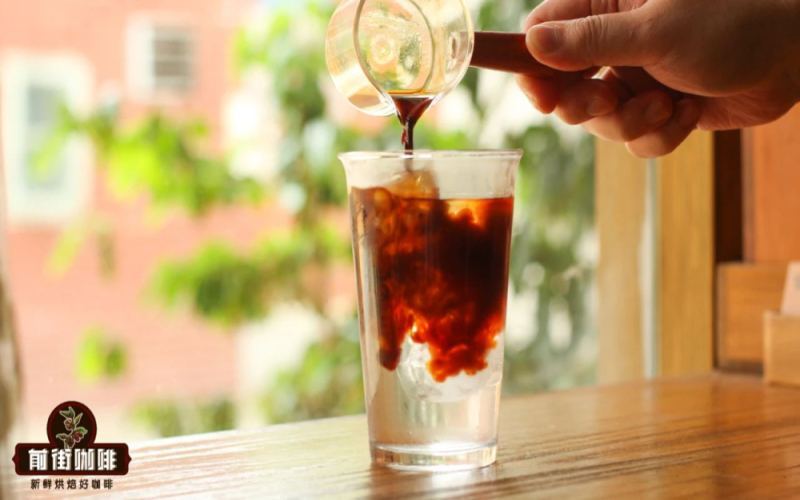
Summer Sparkling Americano Iced Coffee: Key Preparation Points and a Full Explanation of the Flavor Sources of Black Gold Americano
In the scorching summer heat, Guangzhou locals have their own clever ways to cool down, and the collision of soda and coffee—sparkling iced Americano—is becoming a favorite among many coffee lovers. This drink uses simple ingredients, requiring only ice cubes, soda water, and espresso, but if you want to make it refreshing and delicious, the choice of ingredients and attention to detail cannot be overlooked. This article starts with the selection of soda water, ice cubes, and coffee beans, explains in detail how to obtain a high-concentration coffee liquid through pour-over methods, and provides complete ratios and brewing parameters. At the same time, the article will also introduce fruit-flavored coffee beans suitable for making sparkling Americano, including Front Street. Washed Fruit Dingding, Front Street. Strawberry Candy Espresso, and Front Street. Xizhua, and answer the flavor characteristics of Black Gold Americano coffee, helping you easily replicate a cup of refreshing specialty coffee. [more…]

A Complete Analysis of the Differences Between Iced Pour-Over, Ice Drip, and Cold Brew Coffee: Brewing Time, Shelf Life, and Flavor Comparison
As temperatures climb, iced coffee becomes the top choice for beating the heat, but what exactly sets ice pour-over, ice drip, and cold brew apart? From the professional perspective of Front Street Coffee, this article breaks down in detail the extraction principles, brewing parameters, flavor characteristics, and time required for each of the three. Ice pour-over is made to order on the spot, ice drip needs 1–2 days of advance fermentation processing, and cold brew relies on long steeping to achieve a rich, mellow mouthfeel. The article also includes specific coffee-to-water ratios, grind sizes, and Front Street Coffee's recommended bean list, helping coffee lovers choose the right category for their needs and breeze through the hot season. [more…]
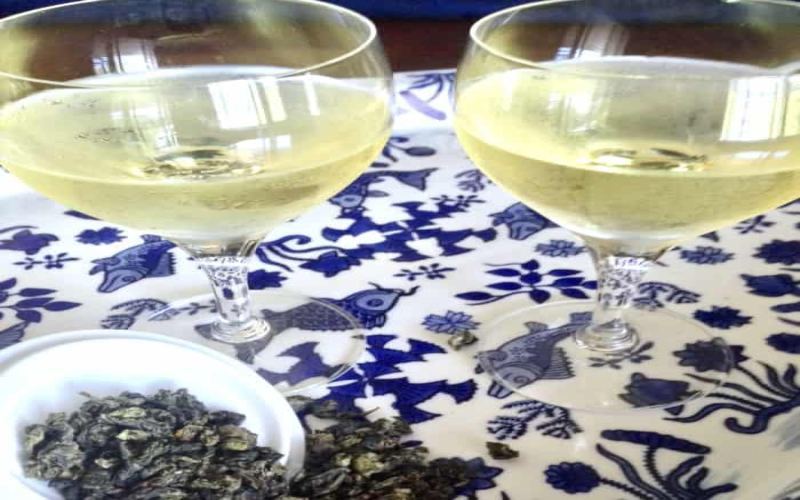
How to Choose Phoenix Dancong for Cold Brew? Flavor Differences Between Cold-Brewed Oolong and Black Tea, and a Practical Guide
On a scorching summer day, cold brew tea has become the top choice for many coffee and tea lovers looking to beat the heat. Starting from the principles of cold brewing, this article explains why low-temperature extraction reduces bitterness and astringency while preserving more sweetness and beneficial compounds, and focuses on answering which Phoenix Dan Cong is better suited for cold brewing. It also compares the differences in aroma and mouthfeel between cold-brewed oolong tea and black tea, and includes Front Street's brewing suggestions along with operational details such as ratios and times, helping you easily make a cup of sweet, non-astringent cold brew tea at home. [more…]

Summer Iced Coffee Making Guide | How to Make Iced Coffee at Home? Which Coffee-Producing Countries' Beans Are Suitable for Brewing Iced Coffee? What Is the Method for Making Cold Brew Coffee?
“Coffee is my life! And iced coffee is what keeps me going!” While that may be a bit of an exaggeration, there's no denying that during the hot season, iced coffee is truly a fantastic way to beat the heat! Before the weather fully hits its peak temperatures, Front Street Coffee has put together a few super simple iced coffee recipes that are perfect for making at home or in the office. [more…]
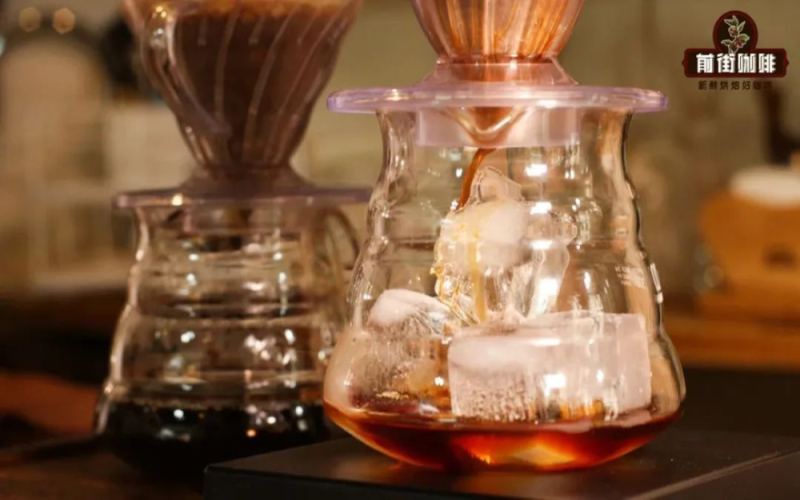
A Detailed Guide to Four Iced Pour-Over Coffee Brewing Methods: From High-Strength High-Extraction to Ice-Chilling Cooling
As temperatures rise, iced coffee returns to the top of the sales charts. Iced pour-over lets you freely choose your favorite beans while offering the sweet, refreshing taste of a chilled brew—making it an excellent way to beat the heat. But the key to making a delicious iced pour-over lies in solving the problem of dilution after cooling. Front Street Coffee has put together four zero-threshold iced pour-over brewing approaches—high-concentration high-extraction, ice rinsing, the stirring method, and ice-bath cooling—each with detailed parameters and step-by-step instructions, demonstrated using a light-to-medium roast Ethiopian Kafa Forest as an example. No matter what equipment you have on hand or what size your ice cubes are, you'll find a method that suits you. [more…]
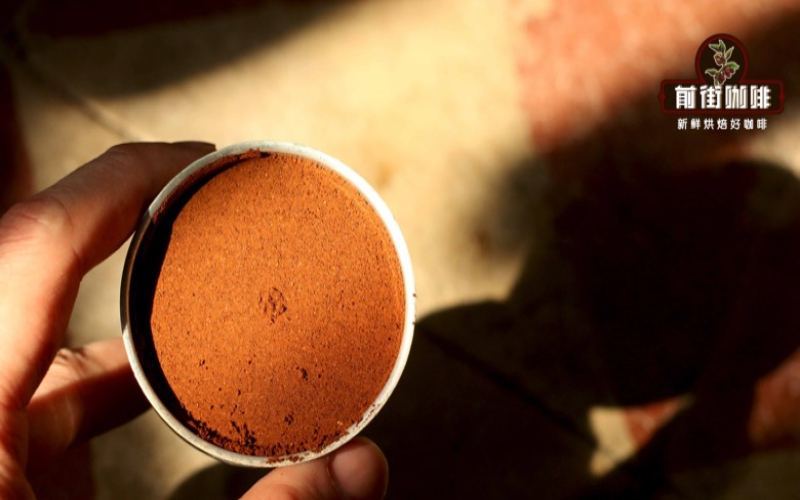
How full should you fill the moka pot with coffee grounds? Should you tamp? How hard? From beginner to expert: an advanced guide to choosing beans
Understanding flavor as merely two directions—sour and bitter—misses the layers of aroma, sweetness, body, mouthfeel, and finish. When choosing beans, first determine whether you lean toward floral and fruity notes, nutty and cocoa notes, or a balance of both, then make your decision based on origin, processing method, and roast level. As a steam-pressure device, a moka pot's coffee bed only needs to be filled level with the filter basket. [more…]
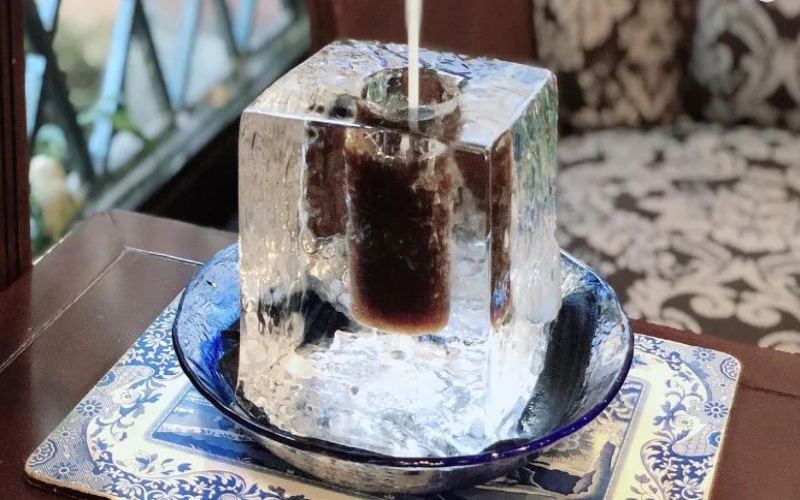
Making Summer Iced Coffee at Home: Three Great-Value Coffee Beans and Complete Tutorials for Pour-Over, Drip Bags, and Cold Brew
On a scorching summer day, a glass of iced coffee is undoubtedly a great choice to cool off and refresh yourself. This article compiles three iced coffee brewing methods suitable for home or office use—pour-over iced coffee, drip bag iced coffee, and cold brew iced coffee—and recommends three coffee beans that offer both refreshing and full-bodied flavors: Ethiopian Natural Red Cherry, Panama Elida Estate Natural Typica, and Colombia Finca La Divisoria Sidra. Whether you're after complexity or great value for money, you'll find an option that suits you. Follow Front Street Coffee's detailed steps and welcome summer with ease. [more…]
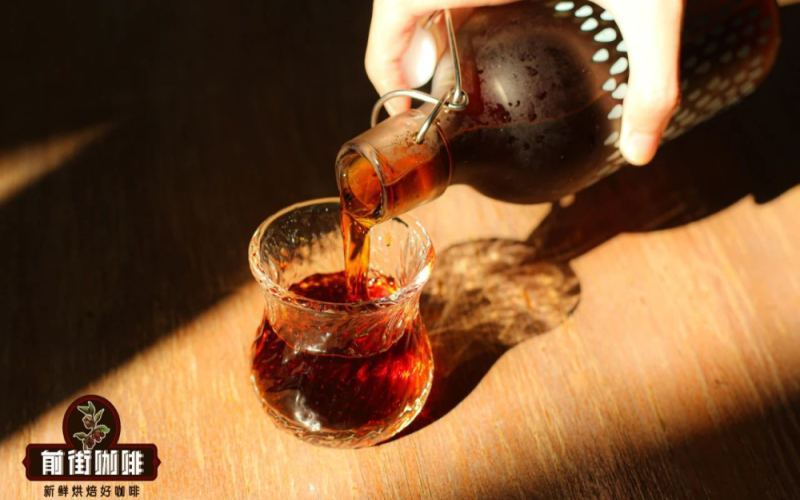
How to Make Cold Brew Coffee at Home? How Starbucks Nitro Cold Brew Differs from Americano, Plus Five Front Street Coffee Bean Recommendations
In the heat of summer, a refreshing glass of cold brew coffee is the top choice for cooling off among many coffee lovers. Cold brew is simple to make—steep it before bed and it's ready to enjoy the next day. But what exactly is the difference between cold brew, Americano, and Starbucks Nitro Cold Brew? How can you make a delicious cold brew at home? This article will start with the extraction principles of cold brew, explain the taste advantages brought by low-temperature slow extraction, and break down in detail Front Street Coffee's cold brew production parameters and steps. Finally, we recommend five single-origin coffee beans suitable for making cold brew, covering Yirgacheffe, Kenya, Panama Butterfly, Costa Rica Mozart, and Honduras Sherry, to help you find your own cup of summer cold brew. [more…]
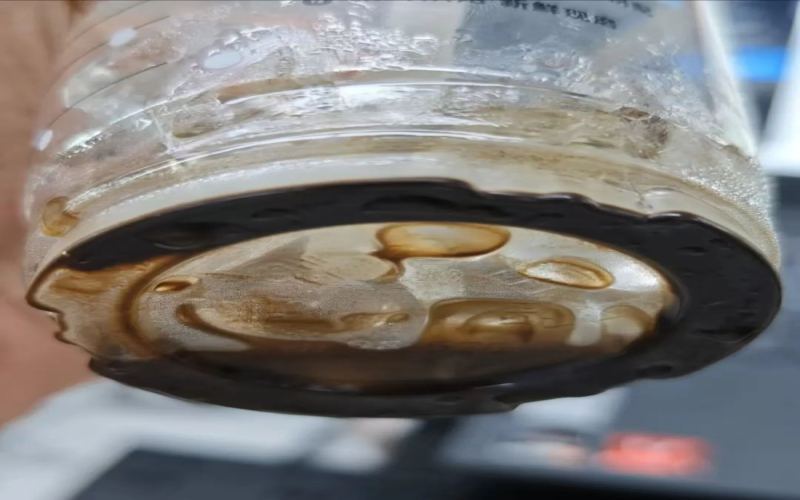
Large Amounts of Coffee Powder Sediment Found at the Bottom of Luckin Cold Brew Coffee Cups; Employees Suggest Filter Bags May Be the Main Cause
As the weather heats up, Luckin Coffee's cold brew has returned to the market, becoming a refreshing choice for many consumers. However, recently several customers have reported that after finishing their cold brew, they found a thick layer of coffee grounds settled at the bottom of the cup, with a noticeably powdery mouthfeel, some even describing it as "like drinking muddy soup." This phenomenon has drawn attention from cold brew enthusiasts, and Luckin employees have revealed that the problem may lie with the filter bags used for filtration. What exactly is going on? And how should the brand address it? This article breaks down the ins and outs of the incident. [more…]

Can Drip Bag Coffee Be Used for Iced Drinks Too? Yirgacheffe Drip Bag Brewing Tips and Three Front Street Single-Origin Recommendations
As the weather gets warmer, a glass of iced coffee becomes many people's first choice for cooling off. In fact, you don't need to go to a coffee shop—with drip coffee bags, you can easily make a glass of iced Yirgacheffe at home. Drip coffee bags are essentially a simplified version of pour-over, saving you the trouble of grinding beans and preparing a dripper, making them perfect for busy office workers. However, drip bags have a fixed amount of coffee grounds and a preset grind size, so simply adding ice tends to produce a weak brew—you'll need to adjust your brewing technique. This article shares Front Street Coffee's step-by-step method for making iced coffee with drip bags, and recommends three high-value Yirgacheffe drip bags: Washed Yirgacheffe, Gutingting, and Sun-Dried Red Cherry, covering origin, altitude, processing method, and flavor notes to help you find the bag you love. [more…]
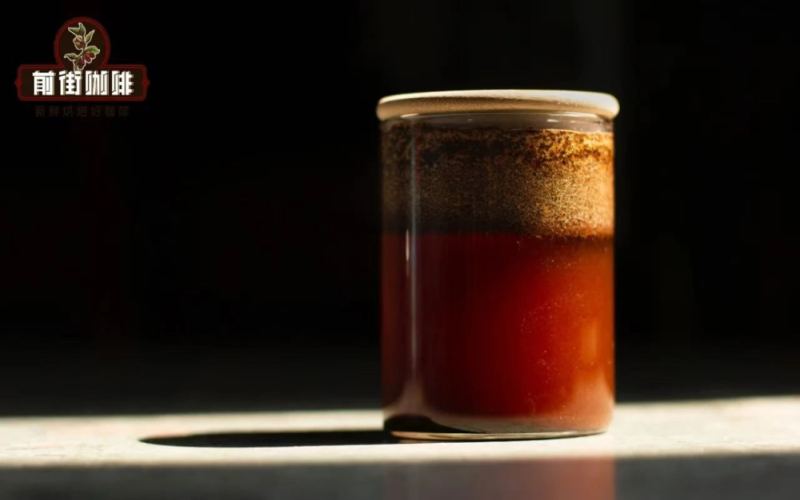
What Is Cold Brew Coffee? A Detailed Guide to Cold Brew Making Steps and an Analysis of How It Differs from Iced Americano
In the heat of summer, iced coffee becomes the top choice for many people looking to cool down. Among the many types of iced coffee, cold brew (cold water extraction) coffee has quickly won over young consumers with its clean, full-bodied taste, even putting traditional iced Americano under considerable competitive pressure. Cold brew coffee uses a low-temperature, long-steep extraction method, which effectively avoids bitterness and fully releases the sweet and sour flavors of the coffee beans. It is especially suitable for light to medium roast beans, but takes 8 to 12 hours to make. Iced Americano, on the other hand, relies on high-temperature, high-pressure rapid extraction of espresso followed by dilution with water, offering a rich, intense taste and quick preparation. In this article, Front Street Coffee will explain the steps for making cold brew coffee in detail, demonstrate using Panama Butterfly coffee beans as an example, and take a deep dive into the core differences between cold brew and iced Americano. [more…]