







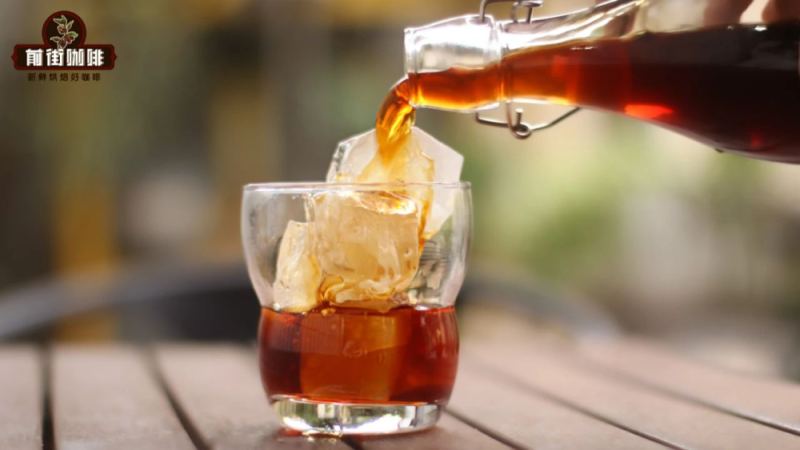
How Do You Make Cold Brew Coffee at Home With the Right Ratio?
Cold brew coffee is made by steeping coarse coffee grounds in cold water at 4-10°C for hours, then filtering. The low temperature slows extraction, so bitterness stays behind while sugars and organic acids come through, giving a balanced cup with acidity, sweetness and body. A single-origin pour-over bean works fine, whether dark roasted or light.
Grind size and steeping time work together: coarser grounds need longer contact, finer grounds shorter. Front Street Coffee beans such as dark-roasted Queen's Manor, PWN Golden Mandheling, light-roasted Yirgacheffe Gidding and Little Tomato AA, plus Strawberry Candy and Front Street Xizhua, all suit cold brew. Store the finished concentrate refrigerated and use within a few days.
The sweltering summer is hard to endure, and cold brew coffee has become the top choice for many coffee lovers to beat the heat. This article starts from the underlying principles to explain clearly why cold brew coffee tastes more balanced, then walks through step by step the types of coffee beans suitable for cold brew, the reasonable range for the coffee-to-water ratio, how grind size and steeping time work together, and how long it can be kept once made. The article also gives specific recommendations based on several Front Street Coffee beans, including the dark-roasted Queen's Manor, PWN Golden Mandheling, the light-roasted Yirgacheffe Gidding, Little Tomato AA, as well as the specially processed Strawberry Candy and Front Street Xizhua, to help you avoid detours and make a smooth, stable cold brew at home.
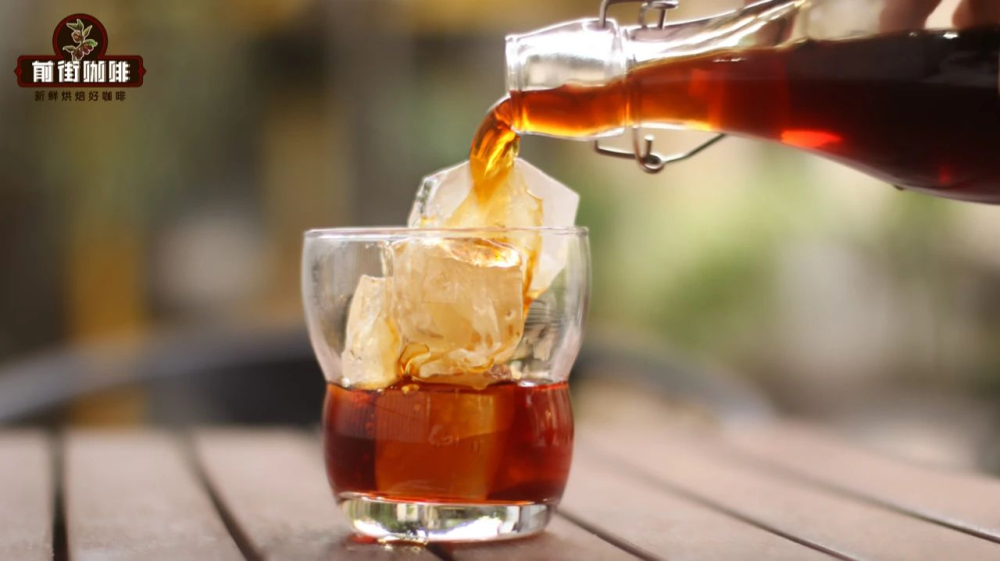
This may sound like a cliché, but this summer really has been absurdly hot. There are countless ways to cool down, and in the coffee world, the most fitting answer is probably cold brew coffee, which has been gaining momentum in recent years. If you want to easily make an authentic and delicious cold brew at home, follow along with Front Street Coffee.
When it comes to cold brew, many people's first thought is cold steeping—mixing cold water with coffee grounds, letting it sit for a few hours, then filtering out the grounds, and the resulting iced coffee liquid is it. This can also be considered the easiest cold brew method. Depending on the different ways of doing it, the final product can be clean and refreshing, or thick and rich, while still retaining good acidity.
Because the entire process only involves cold water at 4-10°C, the extraction efficiency is actually quite low, and large-molecule substances like bitterness do not easily come out. Long low-temperature steeping, on the other hand, allows sugars and organic acids and other components to be extracted more fully, so the coffee's acidity, sweetness, and body are more balanced.
Which coffee beans are suitable for cold brew?
Today's coffee beans on the market come in a wide variety of processing methods and roast levels. As long as they are labeled as single-origin beans for pour-over, they can basically all be used for cold brew. Dark-roasted beans brewed with hot water have an intense aroma and a bitter-then-sweet finish; switch to cold brew, and after icing, what you taste is more roasted aroma and mellow sweetness, so you can prioritize Front Street Coffee Queen's Manor and Front Street Coffee PWN Golden Mandheling.
Next, let's talk about light to medium roast beans. If you want a refreshing fruity profile, light-roasted washed beans are a suitable choice, such as Front Street Coffee Gidding and Front Street Coffee Little Tomato AA. If you want the fruity notes and boozy aroma to stand out more, you can pick beans processed in wine barrels or honey-processed, like Strawberry Candy and Front Street Coffee Xizhua. If you don't like acidity and just want a balanced "coffee original taste," Papua's Bird of Paradise is also worth trying.
How should the coffee-to-water ratio for cold brew be set?
Front Street Coffee has noticed that some friends, for convenience, just dump the coffee grounds and water all at once into the pitcher and start steeping. But as long as it's extraction, the coffee-to-water ratio cannot be avoided. Without weighing, making coffee is like opening a blind box—the final taste all depends on luck. To make the brewed coffee taste more stable, Front Street Coffee suggests controlling the cold brew coffee-to-water ratio between 1:10 and 1:13. If the concentration is too high, you can add an appropriate amount of ice cubes to dilute it.
Front Street Coffee has noticed that some friends, for convenience, just dump the coffee grounds and water all at once into the pitcher and start steeping. But as long as it's extraction, the coffee-to-water ratio cannot be avoided. Without weighing, making coffee is like opening a blind box—the final taste all depends on luck. To make the brewed coffee taste more stable, Front Street Coffee suggests controlling the cold brew coffee-to-water ratio between 1:10 and 1:13. If the concentration is too high, you can add an appropriate amount of ice cubes to dilute it.
How to match grind size with steeping time
The temperature of cold brew is fixed, so the strength and lightness of the coffee's taste must be adjusted flexibly through the coordination of grind size and time length.
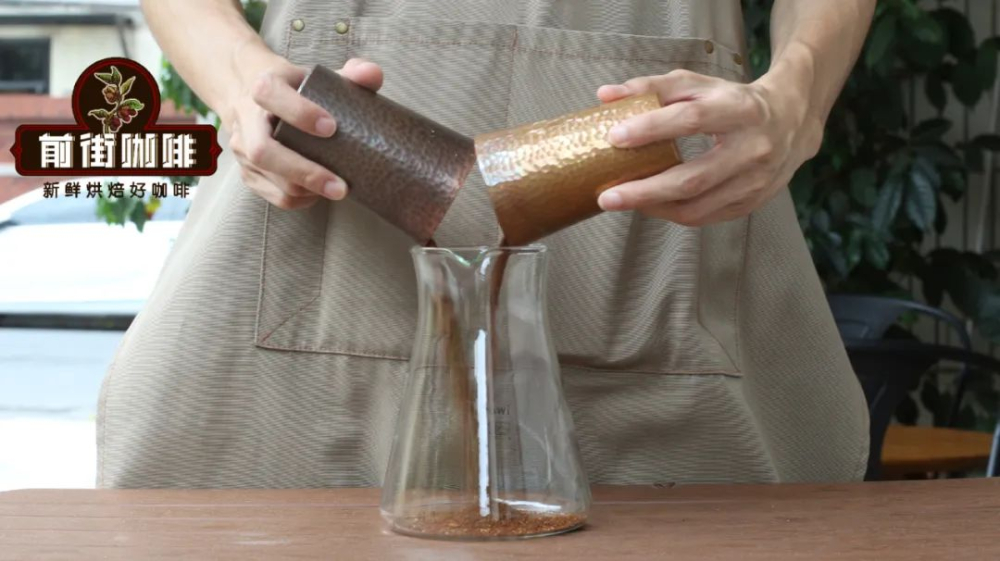
Generally speaking, the finer the grind, the faster and more flavor is released; the coarser the grind, the slower the substances are released. But in still cold water, fine particles tend to stick to each other and clump into larger "clumps," making it hard for the liquid to penetrate and extract what's inside, resulting in coffee with bitterness and a gritty, sandy texture when drunk. Based on past experience, Front Street Coffee summarizes that using a grind size similar to granulated sugar with a passing rate of 70-85% on the Chinese No. 20 standard sieve produces the most moderate concentration for cold brew.
Front Street Coffee usually recommends steeping cold brew for 8-24 hours, with the specific duration depending on the grind size. The logic is simple: finer grind, shorter steeping time; coarser grind, longer time needed. Bitterness often appears because a fine grind was used without correspondingly shortening the refrigeration time, causing the coffee to taste of miscellaneous bitterness like wood shavings and dry hay.
Cold brew is a kind of "lazy person's coffee." Front Street Coffee suggests you can operate it the night before with a coarse grind and long steeping time. The next day, even if you're too busy during the day to deal with it, taking it out at night won't over-extract. After filtering, put it in the fridge to mature for a night, and the flavor will be even clearer.
How many days can made cold brew be stored?
The longer it sits in the fridge, the stronger the fermented note of the cold brew becomes, until it eventually covers up the coffee's own aroma. Whether it's ice drip or cold brew, Front Street Coffee recommends drinking it within 3 days. Although after 3 days it may not necessarily spoil or taste bad, considering flavor experience and health safety, all cold brew and ice drip coffee made by Front Street Coffee has a tasting period set at 3 days.
The above content is compiled by CoffeeHunters, a coffee news website.


