







Coffee Boiling vs Cold Brew: Steeping Time and Heat
Cold brew coffee splits into two methods: cold water immersion and ice water drip. Ice drip uses about 60 grams of coffee powder with a coarse grind, a set coffee-to-water ratio, and a slow extraction measured in hours. Immersion cold brew is simpler, and a tea bag technique keeps the grounds contained. Steeping time is the main lever for adjusting strength.
No boiling is involved. Front Street's comparative tests at 4, 8, 12, and 24 hours show how extraction shifts with time, and whether the brew sits at room temperature or in the fridge changes the result. A half pound of beans yields at least four rounds of cold brew, each producing around 500 milliliters, so home brewing cuts the cost of store-bought bottles.
Making cold brew coffee at home can both beat the heat and save you quite a bit of money. Cold brew actually falls into two categories: cold water immersion and ice water drip, namely cold brew coffee and ice drip coffee. This article first introduces the complete process and parameters for making ice drip coffee at Front Street Coffee stores, including coffee powder amount, grind size, coffee-to-water ratio, and extraction time, and recommends a suitable Kenyan bean; then it explains the simpler cold brew method and tea bag technique. Regarding the two common questions of how long to soak cold brew coffee and whether to leave it at room temperature or in the fridge, the article gives Front Street's comparative experiment conclusions based on 4, 8, 12, and 24 hours, helping you adjust the extraction plan according to your taste.
For more professional coffee knowledge and more coffee bean information, please follow Front Street Coffee (FrontStreet Coffee)
Living in a city as hot as a steamer, cold drinks are naturally a staple in the fridge. Cold brew coffee happens to satisfy two things at once: it lets you enjoy the refreshing pleasure of a cold drink and replenishes caffeine. But cold brew coffee sold outside is really not cheap; the money for three cups is enough to swap for a bag of coffee beans, and half a pound of beans can make at least four rounds of cold brew, each yielding 500 milliliters. Below, Front Street will teach everyone how to make cold brew coffee at home by hand and save this money.
Cold brew coffee can actually be divided into two major types: one relies on cold water immersion, and the other relies on ice water dripping drop by drop, which is simply cold brew coffee and ice drip coffee. The cold brew produced by Front Street Coffee (FrontStreet Coffee) stores only makes the ice drip type, so let's start with ice drip coffee.
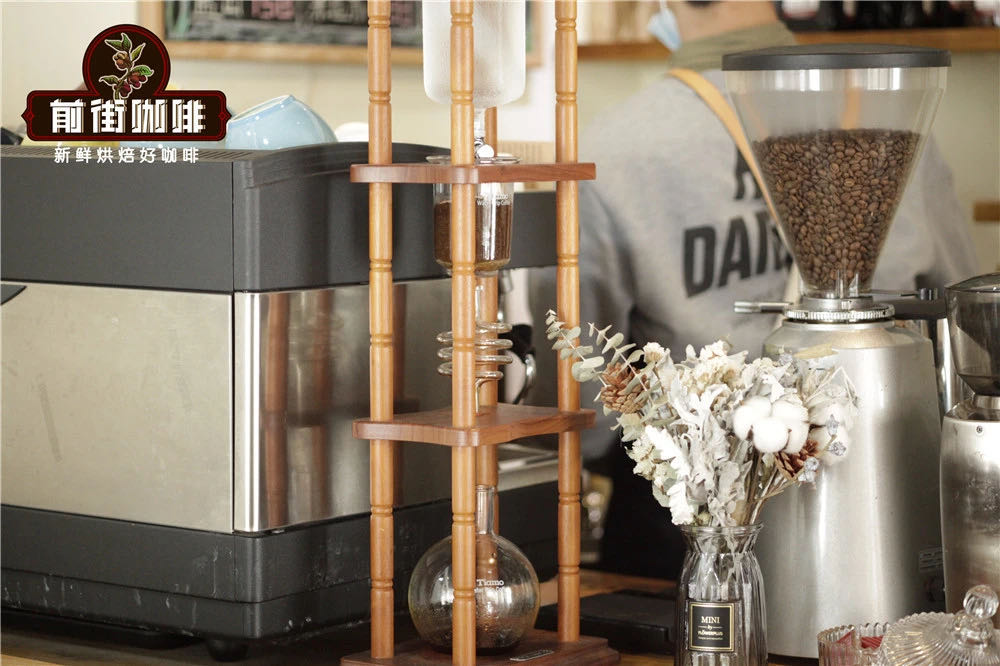
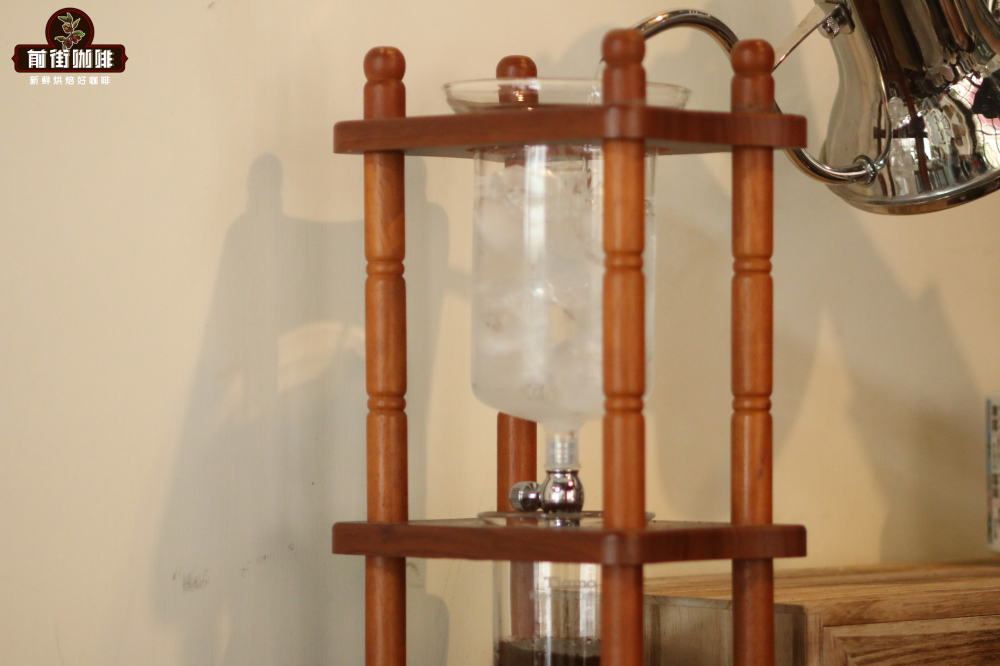
Friends who have visited Front Street Coffee (FrontStreet Coffee) stores have all seen that the shop has a complete set of ice drip coffee equipment. Once assembled, it looks like a tower and appears quite imposing. Next, when explaining the specific operation, Front Street feels that "cool" alone is no longer enough to describe it; it has to be called "professional."
Ice Drip Coffee
Front Street Coffee (FrontStreet Coffee)'s method for making ice drip coffee:
Front Street uses 60 grams of coffee powder as the baseline, sets the grind size so that about 85% passes through a Chinese standard No. 20 sieve, uses a coffee-to-water ratio of 1:10, and extracts about 600 milliliters of coffee liquid over 6–8 hours.
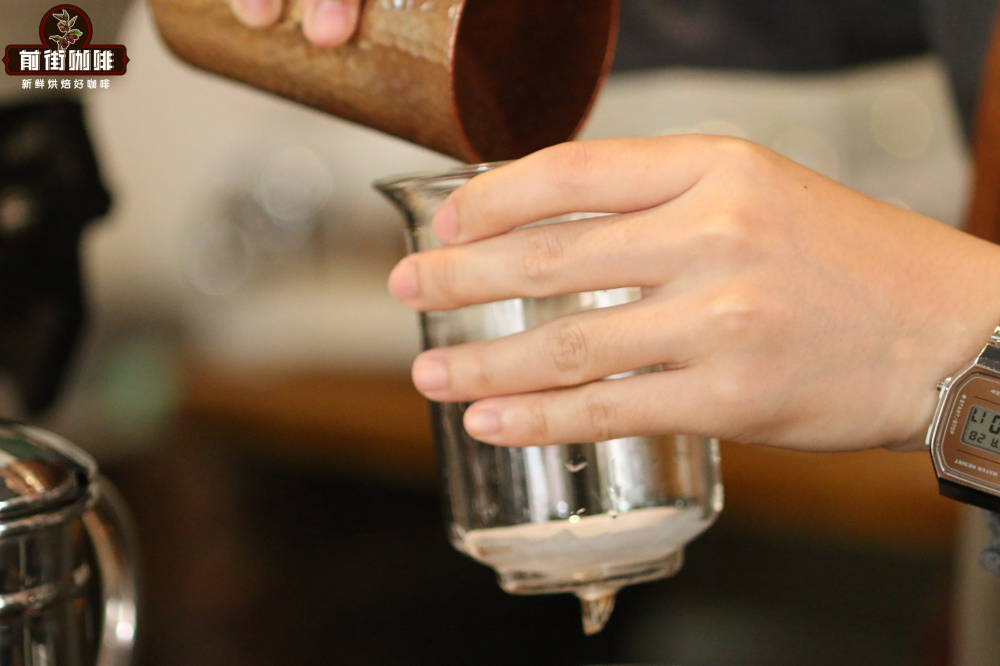
1. Place a round filter paper at the bottom of the powder cup and wet it with water.
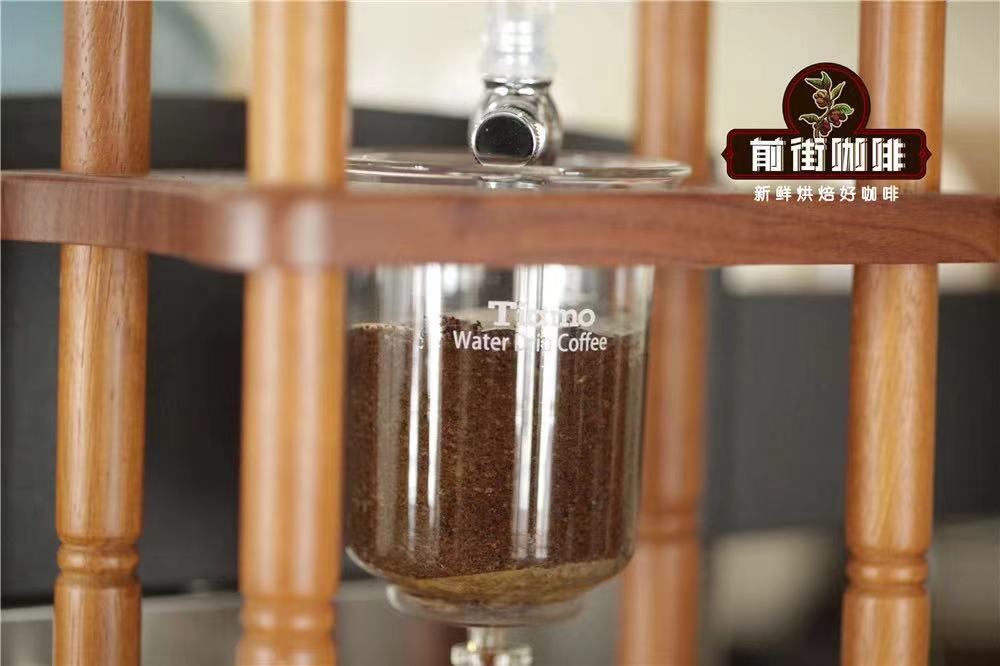
2. Pour the ground 60 grams of coffee powder into the powder cup, then use a heavy object similar to a tamper to press it down, making the surface of the coffee bed flat and the interior a bit more compact.
3. Cover the surface of the coffee powder with another round filter paper to prevent long dripping from washing out a crater in the coffee bed.
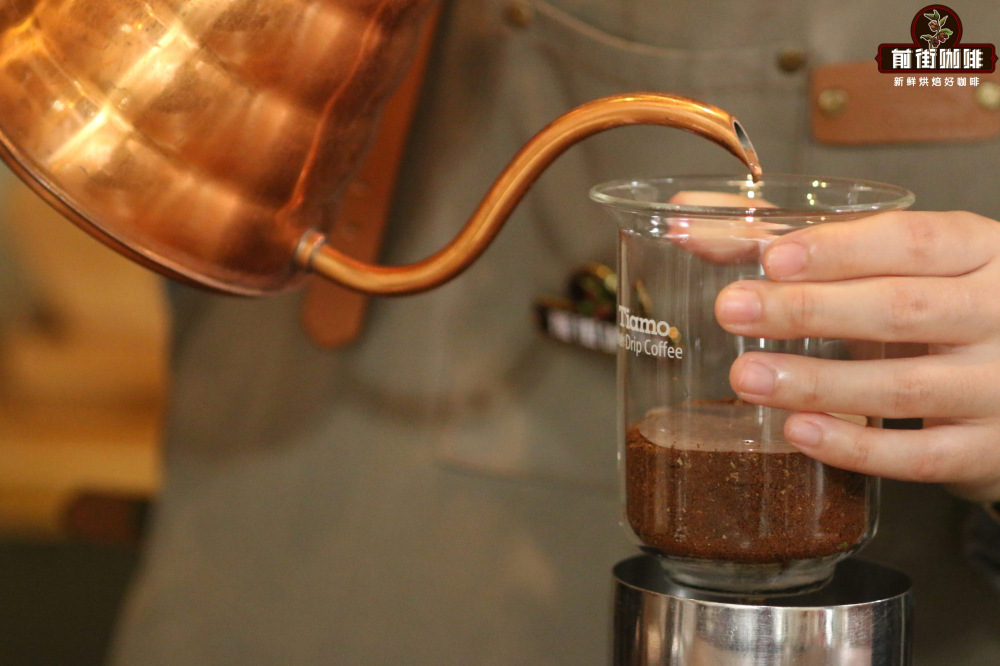
4. Pour in cold water to pre-infuse.
5. Put a 1:1 ice-water mixture into the water container.
6. Adjust the throttle valve to a speed of 7 drops every 10 seconds.
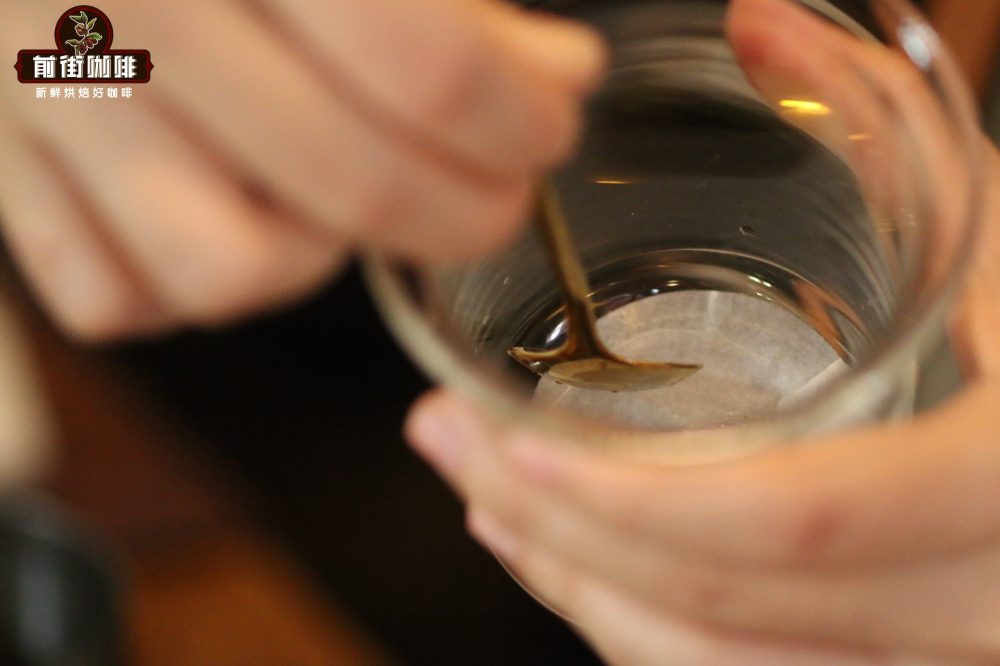
7. After the 6–8 hour extraction is finished, pour the coffee liquid into an empty bottle, seal it, and refrigerate overnight.
Ice drip coffee is characterized by a richer, smoother taste and can present coffee's most original flavor, so many coffee enthusiasts are especially fond of it. In this weather when you have no appetite for anything, Front Street would choose beans with more prominent acidity to make ice drip. For example, Front Street's Kenya Small Tomato is very suitable.
Front Street Kenya Small Tomato Coffee Beans Country: Kenya
Region: Thika
Altitude: 1550m–750m
Variety: SL28, SL34
Processing method: K72 washed processing
Using Front Street's Kenya beans to make ice drip, the flavor is clean and the acidity is bright. It tastes noticeably juicy, with a clear cherry tomato acidity on entry, grapefruit peel in the middle, and berry aroma and caramel sweetness in the finish.
Cold Brew Coffee
Front Street also understands that everyone may not be able to spare space at home for such a large set of equipment, so the cold brew method is the least troublesome for ordinary people. Generally speaking, making cold brew coffee also requires grinding coffee beans into powder, and this step can be directly done by the merchant when buying beans, so you neither need to research the grind size yourself nor go through the hassle of weighing beans and grinding. If you want to make the steps even simpler, Front Street suggests buying some special tea bags, putting the coffee powder in advance and tying them up, so you can take them out and use them directly when making cold brew.
1. Put the cold brew coffee bag into the container used for extraction, leaving the drawstring outside.
2. Pour 100 milliliters of room-temperature water or cold water into the container (a coffee-to-water ratio of 1:10 is recommended, but it can also be adjusted according to personal preference).
3. Shake a few times so that the coffee powder in the cold brew coffee bag is fully soaked.
4. Put it in the refrigerator and refrigerate for 8–12 hours.
5. After 8–12 hours, take out the cold brew coffee bag.
6. Shake well and it is ready to drink.
How long should cold brew coffee be soaked?
As early as two years ago, Front Street Coffee (FrontStreet Coffee) conducted a set of experiments to examine how cold brew duration affects flavor. Under the premise that the coffee beans, grind size, and coffee-to-water ratio were all the same, the extraction times were set to [4 hours], [8 hours], [12 hours], and [24 hours], and the conclusions were as follows:
[4 hours] The overall mouthfeel is on the thin side, with ample aroma, but after filtering out the coffee grounds, bottling, refrigerating, and fermenting, the aroma was weakened quite a bit. The extraction yield was the lowest of the four groups, and the extracted flavor was not complete.
[8 hours] The flavor is relatively fresh and clean, and more flavor was extracted than in the [4 hours] group, but because the soaking time was short, the layering was not rich enough, and the overall performance was average.
[12 hours] The flavor has rich layering, and the complexity is higher than the previous two groups. Some inert molecules in the coffee beans can also enter the coffee liquid in small amounts.
[24 hours] The flavor is the most complex and intense. Because of the long soaking time, the components in the coffee beans are fully extracted, and the water's saturation is also the highest among the four groups.
The longer the extraction time, the more obvious the intensity and bitterness of the final coffee liquid; the shorter the extraction time, the more prominent the acidity of the coffee liquid; and after refrigerating and fermenting all the extracted coffee liquids for one day, it was found that the [12 hours] soaking group performed best, because even after fermentation the flavor was still good.
However, these are only reference data that Front Street is sharing with everyone; the specifics still need to be adjusted according to personal taste and the flavor state of the coffee beans.
Should cold brew coffee be soaked at room temperature or in the refrigerator?
Friends who often read Front Street Coffee (FrontStreet Coffee) articles all know that subtle changes in water temperature can also have a certain effect on coffee. The most common rule is: the lower the water temperature, the slower the coffee extraction rate, and the longer the time needed to reach the ideal extraction yield. But as the extraction time lengthens, more substances dissolve out of the coffee, and some less desirable flavor substances will also enter the coffee liquid.
Pour-over coffee and ice drip coffee are two very extreme and intuitive examples.
Pour-over coffee uses hot water close to boiling (for light-roast and medium-roast beans, Front Street uses a water temperature of 90–93°C; for dark-roast beans, Front Street uses 86–88°C), so when Front Street Coffee (FrontStreet Coffee)'s baristas make pour-over, they generally control the entire extraction time to about 2 minutes.
Ice drip coffee, on the other hand, uses an ice-water mixture. Junior high physics already taught that the reference temperature of an ice-water mixture is 0°C. Without considering the temperature rise from absorbing heat as the ice water falls, ideally speaking, the water temperature of ice drip coffee is 0°C. Front Street Coffee (FrontStreet Coffee) store baristas start preparing ice drip as soon as they get to work, and near the end of the shift they bottle, seal, and refrigerate the extracted coffee liquid. The whole process takes about 6–8 hours.
In addition, cold brew coffee literally points out "cold," so it is more suitable to put cold brew coffee in the refrigerator to soak.
The above content is compiled by CoffeeHunters, a coffee news website.


