








How do ice pour-over, ice drip and cold brew differ?
Ice pour-over, ice drip and cold brew are three distinct low-temperature coffees. Ice pour-over is brewed to order: a concentrated hot pour-over is made with a finer grind and then cooled over ice. Ice drip coffee requires one to two days of advance preparation. Cold brew relies on long soaking in cold water, which produces a fuller, richer mouthfeel.
The choice often comes down to timing and taste. Ice pour-over suits immediate drinking, while ice drip and cold brew need planning ahead. Recipes vary in coffee-to-water ratio and grind size, and any bean style can be used. An iced Americano is simply espresso diluted with cold water and ice, so unlike these three methods it is built from espresso rather than a slow low-temperature extraction.
As temperatures climb, iced coffee becomes the top choice for cooling off, but what exactly are the differences between ice pour-over, ice drip, and cold brew—these three low-temperature coffees? From the professional perspective of Front Street, this article breaks down in detail their extraction principles, preparation parameters, flavor characteristics, and required time. Ice pour-over is made to order on the spot, ice drip needs 1–2 days of advance fermentation, and cold brew relies on long soaking to achieve a rich mouthfeel. The article also includes specific coffee-to-water ratios, grind sizes, and Front Street's recommended bean list, helping coffee lovers choose the right category according to their needs and breeze through the hot season.

It was only early March, yet Front Street could already feel the scorching heat from a bicycle seat. It is not hard to imagine that refreshing, thirst-quenching iced coffee has long been a hot-selling product in stores. But there are many types of iced coffee. Besides iced espresso drinks such as iced Americano and iced latte, there are also options like ice pour-over coffee, ice drip coffee, and cold brew coffee.
Faced with so many categories, many beginners often fall into choice paralysis because they cannot tell the differences apart. So today Front Street will briefly sort out what advantages each of these three has and where the differences lie.
Ice Pour-Over Coffee
For most people, ice pour-over coffee should not be unfamiliar. If you are not yet familiar with it, you can think of it as hot pour-over with ice added for cooling. The only difference is that, to prevent the ice from melting too much and over-diluting the coffee concentration, the grind is adjusted finer and the coffee-to-water ratio is lowered before brewing, first producing a cup of hot pour-over with a higher concentration than usual, then using ice to cool and dilute it, ultimately turning it into ice pour-over coffee with a moderate concentration.
All coffee beans can be used for ice pour-over; just buy according to your own taste. If you are new to coffee and are practicing brewing, the barista recommends Front Street Gutingting, which features floral notes, Front Street Boquete Geisha, or Front Street Queen's Estate and Front Street 2013 Yunnan Small Bean, which carry nutty sweetness.
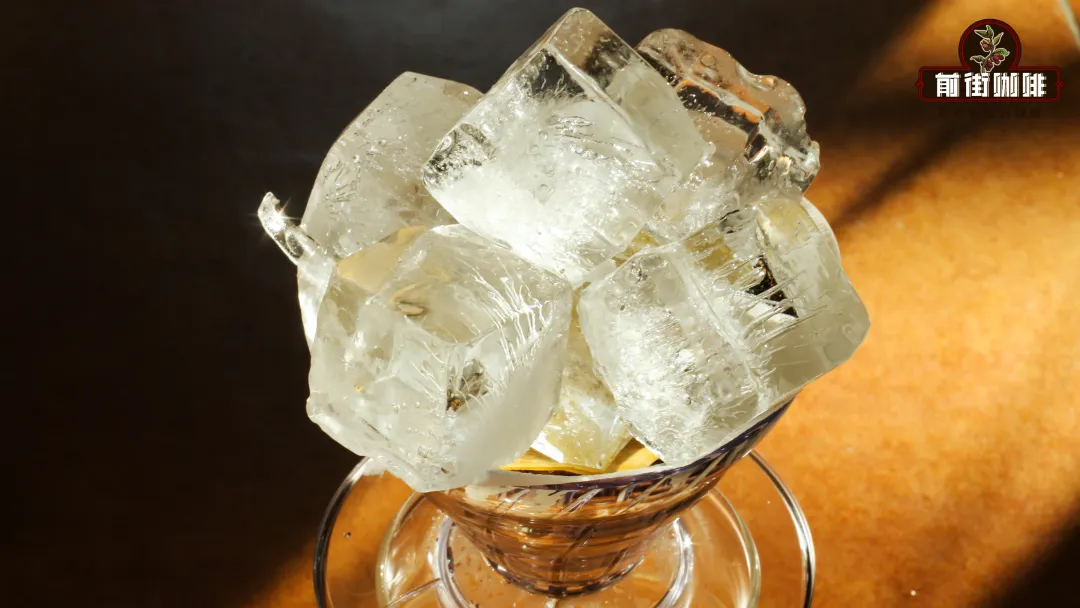
Taking Front Street as an example, making pour-over usually uses 15g of coffee grounds. For hot brewing, the grind is 80% passing a No. 20 sieve (light roast coffee), with a coffee-to-water ratio of 1:15; for ice brewing, the grind is adjusted to an 85% passing rate on a No. 20 sieve (light roast coffee), with a coffee-to-water-to-ice ratio of 1:10:6. Other parameters remain the same: 92°C water temperature, 2-minute extraction time, and three-stage pouring. After ice brewing is completed, it is shaken or stirred several times so the ice fully contacts the coffee liquid, quickly cooling it and diluting the concentration.
Compared with the other two types of iced coffee, ice pour-over is characterized by greater variety. Because hot water is first used to dissolve the coffee's flavor compounds and then ice is used to cool it, there is no need to prepare 1–2 days in advance—it can be made to order. For this reason, customers can choose beans that suit their own taste to make ice pour-over.
In terms of taste, the concentration of various substances in ice pour-over is not as high as in ice drip and cold brew. It drinks very refreshing, with prominent flavor and no burden at all.
Ice Drip Coffee
Ice drip coffee, like pour-over, belongs to drip extraction. The difference is that ice drip uses ice water rather than hot water. Because ice water has extremely low extraction efficiency and is even harder to extract with the drip method, ice drip coffee often takes several hours to complete.
In addition, ice drip coffee cannot be drunk immediately after dripping is completed; it still needs to be refrigerated for several hours to ferment. Through fermentation, ice drip can develop a richer aroma and excellent mouthfeel, so ice drip is very suitable for making coffee with fermented notes and fruity wine aromas. For home brewing, the top choices are Front Street Strawberry Candy, Front Street Blackberry, and Front Street Xizhua, which is also why ice drip coffee needs to be made 1–2 days in advance.

Still taking Front Street as an example, Front Street's ice drip coffee preparation parameters are: 60g coffee grounds, a 1:10 coffee-to-liquid ratio, and the same grind as pour-over—80% passing rate on a No. 20 sieve (light roast coffee). Use an ice-water mixture at a 1:1 ratio, control the flow rate with a throttle valve at 1 drop every 2 seconds, and the entire extraction time is roughly in the 6–8 hour range. After extraction is complete, put it into a sealed bottle and chill it for 12 hours, and only then can it be served for drinking.
Compared with the other two, ice drip coffee has more outstanding coffee flavor, a richer fermented aroma, higher sweetness, and at the same time a cleaner mouthfeel and more layered complexity. But the drawback is that, for some people, the wine aroma of ice drip coffee is too intense and can easily cause discomfort, and the options are also relatively limited.
Cold Brew Coffee
Cold brew coffee, like ice drip, uses cold water for low-temperature extraction. But the difference is that it uses an immersion method, which makes it even easier to prepare! We only need to place the coffee grounds in water and refrigerate them for a long time to soak and extract, then finally filter through filter paper to get a clean coffee liquid that is ready to enjoy (friends who have bought a professional cold brew bottle can skip the filtering step, but cleaning will be a little more difficult).

Cold brew has a relatively rich mouthfeel and can also highlight a refreshing sweet-and-sour taste. You can prioritize buying single-origin beans focused on floral and fruity aromas, such as Front Street Huakui, Front Street Gutingting, and Front Street Rwanda. Because they are medium-light roasts, they have low bitterness, bright acidity, and light sweetness, making them very suitable for drinking at home in summer.
For making cold brew, Front Street likes to use 50g of grounds and a 1:12 coffee-to-water ratio, with a soaking time of 8–12 hours. The method is: first put the coffee grounds and room-temperature water into a sealed bottle, stir evenly, then seal and refrigerate. The next day, or after waiting 8–12 hours, take it out and filter. The filtered coffee is the cold brew ready to enjoy~
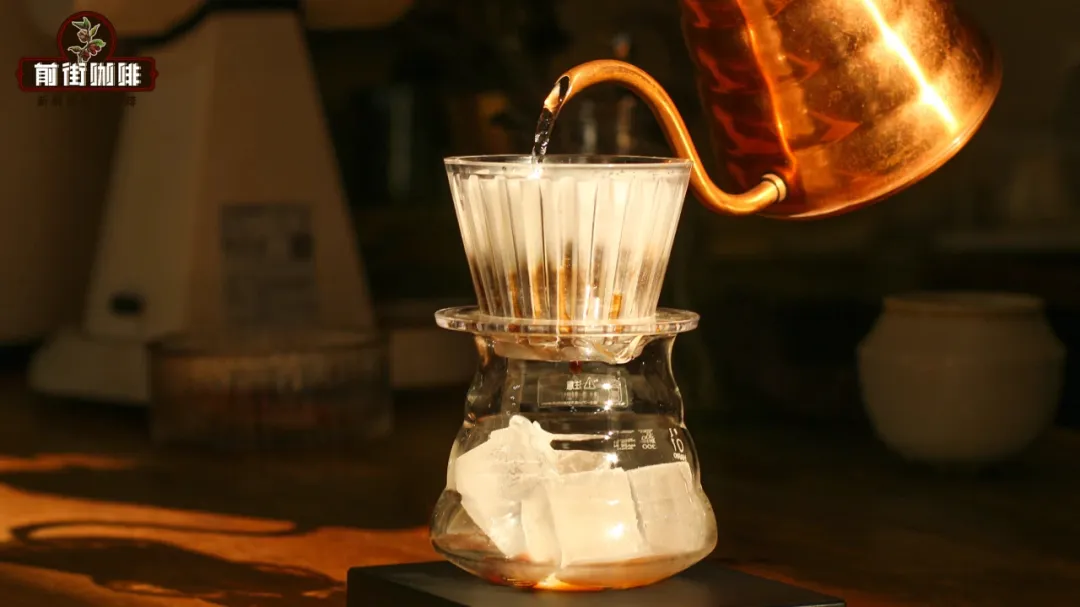
Compared with the previous two, although cold brew coffee is not as layered, it has a fuller mouthfeel. Because filtering cannot remove all the fine particles and oils, cold brew coffee has a richer, thicker mouthfeel because of their presence. At the same time, because the extraction is relatively even, it tastes sweeter and more prominent than the previous two.
The above content is compiled by CoffeeHunters, a coffee news website.


