







Understanding flavor as simply sour versus bitter means missing layers like aroma, sweetness, body, mouthfeel, and finish. When choosing beans, first decide whether you lean toward floral and fruity notes, nutty and cocoa notes, or a balance of both, then factor in origin, processing method, and roast level to make your decision.
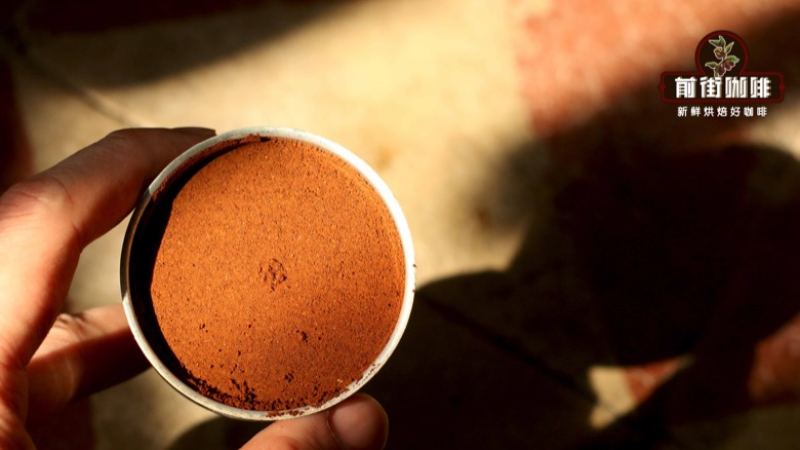
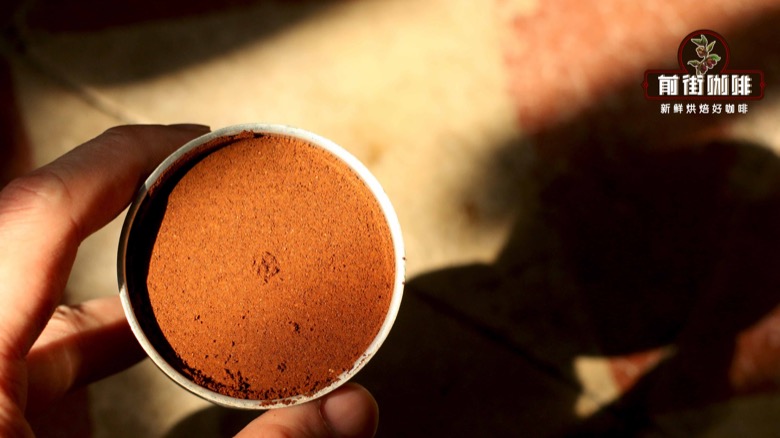
As a steam-pressure device, a moka pot only needs its coffee bed to fill the filter basket—tamping actually does harm. The grind should be slightly coarser than espresso, water should be filled according to the pot's markings or kept below the safety valve, and the dose should stay fixed. Heat over low flame and watch the whole time; the moment the flow becomes continuous and the color starts to lighten, take it off the heat immediately—this greatly reduces the bitterness and burnt notes caused by high temperatures.
Around the question of "How full should the moka pot basket be? Should I tamp? How hard?" you can break the decision into several parts: flavor preference, commonly used gear, drinking temperature, and daily usage frequency. When prioritizing flavor layers, start by determining which aspect matters most to you, then use other conditions to narrow down. This way you keep your individuality while letting the beans show clear characteristics in actual brewing.
Front Street PWN Indonesia Golden Mandheling centers on herbal and dark chocolate notes, with body as its strong suit and low acidity, making it suitable for dark roast lovers, moka pot, and Americano scenarios.
A flavor profile of nuts, cocoa, and caramel sweetness, with deliberately restrained acidity, lets Front Street Brazil Queen's Estate deliver a rounded cup whether brewed in a pour-over, espresso machine, or moka pot.
Front Street Classic Blend features nuts, cocoa, and caramel as its main notes, performs well in both intensity and body, and matches espresso machines, moka pots, and everyday milk coffee.
Beyond flavor, two more things deserve attention: roast date and storage method. Once opened, beans should be sealed as tightly as possible and kept in a cool, dry place; buy amounts that match your daily consumption so changes in flavor are easier to notice. When brewing, first smell the dry aroma, then experience the entry, sweetness, and finish; if the aroma seems weak, first check whether the grind is too coarse or the beans have been sitting too long. The same bean can seem like two different beans when served hot, over ice, or with milk—record your parameters a few times and you'll find the cup style that suits you.
Considering flavor preference and brewing difficulty separately makes choices much clearer. Beans with pronounced floral and fruity notes usually require careful adjustment of water temperature, grind, and pouring rhythm; blends in the nutty-cocoa direction are stable and reliable for daily cups. If multiple people drink at home, start with a balanced-flavor bean as your base and satisfy individual preferences with single origins—this beats stockpiling many similar-style beans at once and makes comparison easier.
For a moka pot, set your coffee-to-water ratio according to the pot's capacity, and just level off the grounds. If bitterness is too strong, lowering the heat, taking it off the stove earlier, or grinding coarser are the first options; if the flavor is too weak, first check whether the dose is sufficient, then check whether the gasket is working properly.
If any one of gear, drinking habits, or taste changes, it's worth splitting your beans into daily and exploratory use: one to guarantee a stable cup, another to experience the differences brought by floral-fruity notes, nutty-cocoa notes, or processing methods. First use flavor direction to filter out beans that don't suit your taste, then compare specific beans by aroma and mouthfeel—your everyday judgment will become more accurate.
The above content is compiled by CoffeeHunters, a coffee news website.

