







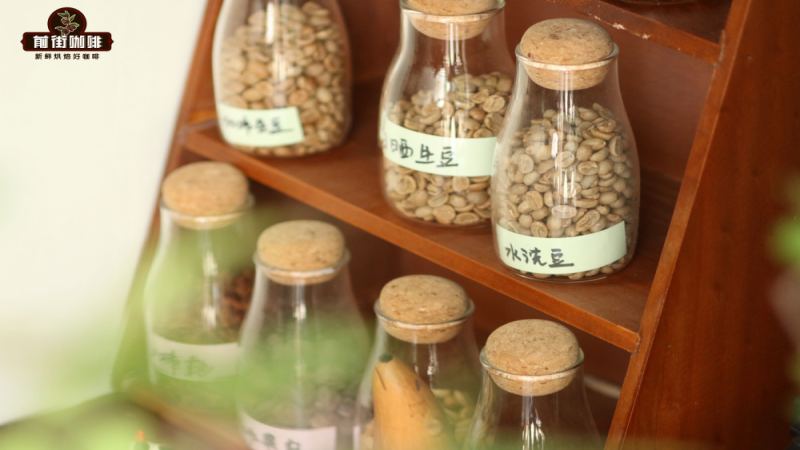
Is cold brew sour, and how does ice drop coffee differ?
Cold brew coffee is made by steeping grounds in cold water, and it generally tastes smooth and low in acidity rather than sour. Ice drop coffee, the style used in stores, runs water through a five-part tower: water container, regulating valve, powder cup, serpentine tube, and coffee solution container. A standard recipe uses 60 grams of coffee at a 1:10 ratio, ground so 85 percent passes a No. 20 sieve, over 6 to 8 hours.
Sourness in cold coffee usually comes from under-extraction, so grind size, ratio, and time matter more than the method itself. Fruity or winey beans suit the slow ice drop format, while simple containers handle cold water immersion at home. Whether the result reads sour or sweet depends on extraction, which is why the same bean can taste bright in one setup and flat in another.
On a scorching summer day, a refreshing glass of cold brew coffee is undoubtedly an excellent choice to beat the heat and quench your thirst. This article will introduce in detail the steps and methods for making cold brew coffee, ice drip coffee, and cold water immersion coffee, and provide an in-depth analysis of their characteristics and differences. The barista at Front Street Coffee will share the equipment components, coffee-to-water ratio, grind size, and extraction time for ice drip coffee, and will also teach you how to make cold water immersion coffee at home using simple containers. In addition, the article will explore the flavor characteristics of cold brew coffee and how to choose suitable coffee beans, including Front Street Coffee's recommended Kenya Asalia and Honduras Sherry coffee beans, so you can easily enjoy a professional-grade iced coffee experience at home.
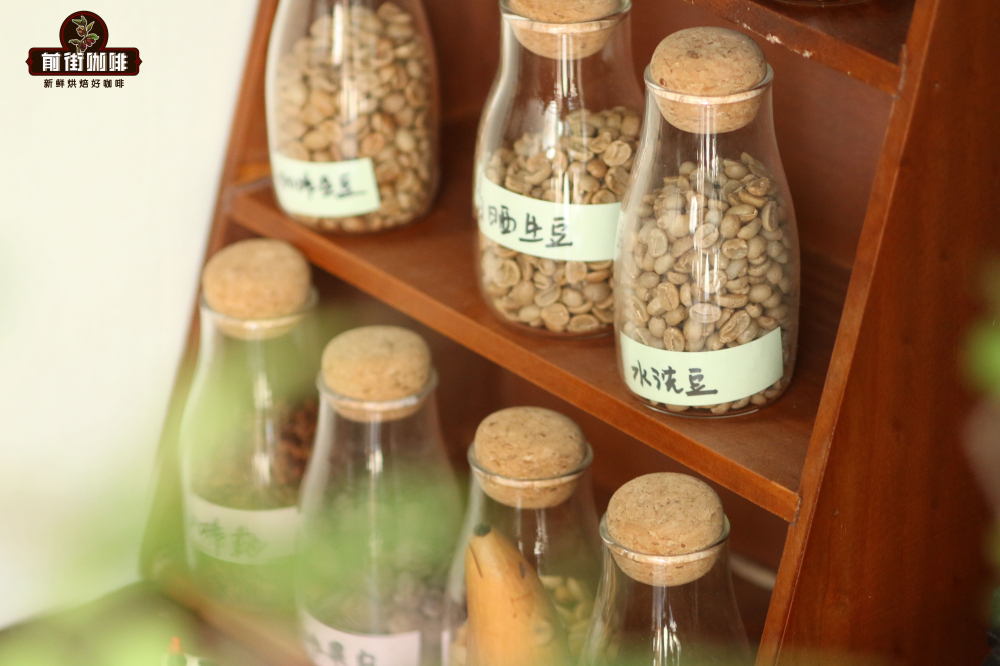
The sun blazes fiercely, the ground is baked scorching hot, and from afar, heat waves rise from the surface. Even when temperatures exceed 40 degrees Celsius, some coffee enthusiasts are still willing to risk their soles melting from the high heat to make a special trip to the Front Street Coffee store, just to drink a cup of refreshing cold brew coffee .
Friends often ask the baristas at Front Street Coffee: when the weather is this hot, how can you drink cold coffee at home? The baristas usually answer: cold brew coffee. Cold brew coffee has a refreshing taste and is a powerful tool for beating the heat, and is deeply loved by coffee enthusiasts.
Since the cold brew coffee produced at Front Street Coffee stores is only ice drip coffee , many friends feel overwhelmed when they see the set of equipment for making cold brew coffee at Front Street Coffee stores. First, the entire set of equipment is not cheap; second, the operation process is also quite cumbersome.
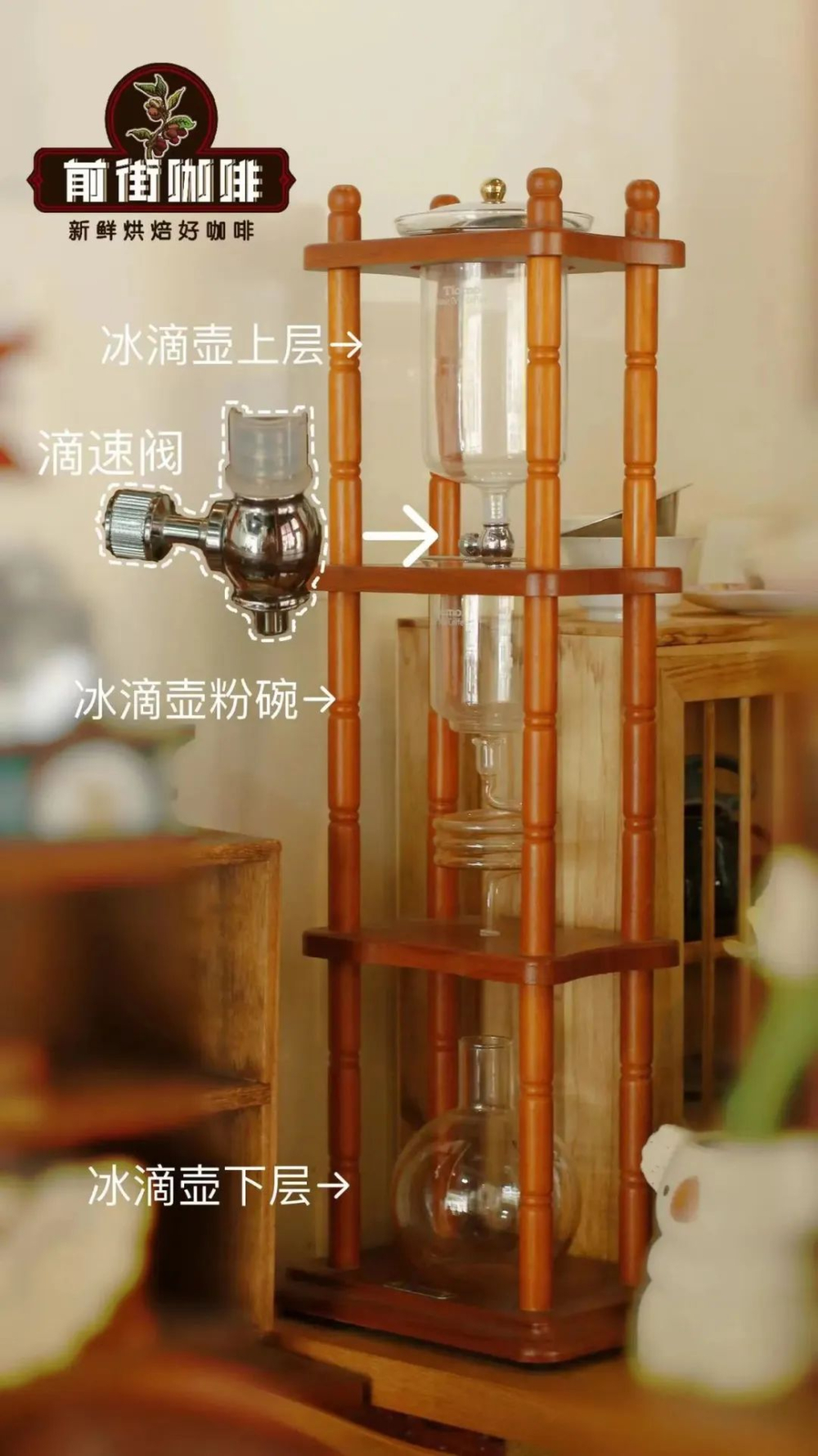
The ice drip coffee equipment used at Front Street Coffee stores is divided by function into five parts: water container, regulating valve, powder cup, serpentine tube, and coffee solution container. The specific steps for making ice drip coffee at Front Street Coffee are as follows:
Coffee dose: 60 grams
Coffee-to-water ratio: 1:10
Grind size: 85% passing through China standard No. 20 sieve
Time: 6–8 hours
1. Weigh 60 grams of coffee beans and grind them into powder. Front Street generally selects fruity or wine-flavored beans for production, because the iced coffee made this way, after fermentation, has a sweeter taste and better aroma. For example, the Ethiopia Huakui 8.0 coffee beans newly launched by Front Street can show full fruit aroma regardless of the extraction method, and are a single-origin coffee with extremely high cost performance.
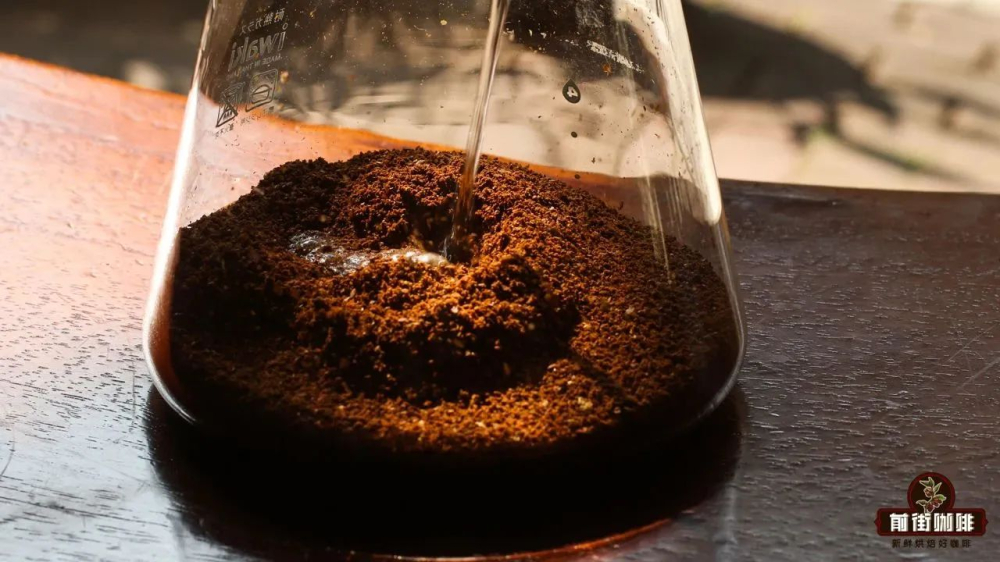
2. Place a layer of filter paper at the bottom of the powder cup, moisten it with water, and use a small spoon to squeeze out the small bubbles around the filter paper.
3. Pour in the coffee powder, level the surface, and then place a round filter paper on top.
4. Pour water in multiple small amounts aimed at the round filter paper, slowly moistening the coffee powder.
5. Put ice cubes and room-temperature water into the water container.
6. Adjust the regulating valve to a flow rate of one drop every 3 seconds.
7. After enough coffee liquid has been extracted, put it into a sealable container and refrigerate it at low temperature for 12 hours.
The reason Front Street Coffee places a round filter paper on the surface of the coffee powder is to prevent the impact force generated when water droplets fall from creating a pit in the coffee powder. An uneven surface will cause water to drip directly down without passing through the upper layer of coffee powder, resulting in uneven extraction of the coffee bed.
When making ice drip coffee, Front Street Coffee chooses such a strong coffee-to-water ratio in order to accommodate different people's needs for strength. Every man has his hobbyhorse; some prefer it strong, while others like it light. Front Street Coffee uses a 1:10 coffee-to-water ratio. When serving, an appropriate amount of ice cubes is added to the cup. Friends who like it strong will drink it as early as possible, while friends who want a lighter taste can wait for the ice cubes to melt slightly and dilute to the ideal concentration before savoring it slowly.
Not having the conditions at home to equip ice drip coffee apparatus cannot be a reason for being unable to make cold brew coffee at home. Cold brew coffee, as the name suggests, is coffee liquid obtained by extracting coffee powder with low-temperature water. In addition to drip-filtering with ice water drop by drop, you can also soak coffee powder in low-temperature water for a long time.
Front Street Coffee also often recommends cold water immersion coffee to friends who are eager to try making cold brew coffee at home. The only equipment needed is a sealable container. The following are the specific steps for making cold water immersion coffee at Front Street Coffee:
Coffee dose: 60 grams
Coffee-to-water ratio: 1:10
Grind size: 85% passing through China standard No. 20 sieve
Time: 8–12 hours
1. Pour 60 grams of ground coffee into a sealable container.
2. Pour in room-temperature water at a coffee-to-water ratio of 1:10.
3. Refrigerate for 8–12 hours.
4. Remove and filter.
5. Seal the filtered coffee liquid and refrigerate it for 12 hours before drinking.
Because cold brew coffee uses low-temperature water to extract coffee powder, and the bitter and astringent flavor substances in coffee are mostly macromolecules, they are not easily released and dissolved into water under low-temperature conditions. Therefore, the characteristics of cold brew coffee are that in many cases you can taste the sweet and sour flavors of coffee, while the bitterness and astringency are much weaker than in coffee extracted with hot water.
For this reason, Front Street suggests that when choosing coffee beans for cold brew coffee, consider medium-light roasted beans, beans with better acidity, or certain beans with prominent flavors. For example, African beans, or Honduras Sherry coffee beans.
As summer arrives, a single cup of refreshing coffee is not enough to satisfy people's needs. When selecting coffee beans for ice drip coffee, Front Street Coffee also considers the effect of cutting through richness, so it chooses the Kenya Asalia coffee beans from the Front Street Coffee bean shelf. It uses the K72 washed processing method, and when you drink it, it feels like cherry tomato juice wrapping around the mouth, very satisfying.
Another cold brew coffee made with Honduras Sherry coffee beans has a rich vanilla cream flavor, with an inviting oak barrel aroma. After refrigerated resting and fermentation, the cold brew coffee made with Sherry coffee beans is like a glass of Sherry whiskey with dark cocoa flavor. It is also this cold brew coffee that has won praise from many veteran coffee drinkers and whiskey lovers.
The reason the cold brew coffee made with Sherry coffee beans can have such a prominent flavor is that this bean itself has undergone fermentation in Sherry whiskey barrels. Honduras coffee has a balanced taste and soft acidity. On this basis, Moka Estate, after finely washing the selected coffee cherries, puts the clean parchment beans into Sherry whiskey barrels for low-temperature fermentation for 30 to 40 days, allowing as much of the barrel's aromatic substances as possible to penetrate into the green coffee beans.
After fermentation is completed, the green coffee beans are evenly spread in a cool place, avoiding direct sunlight, for drying. Although this prolongs the drying time of the green beans, it avoids excessive heat caused by direct sunlight, which would cause the wine aroma to dissipate and produce too much unpleasant acidity.
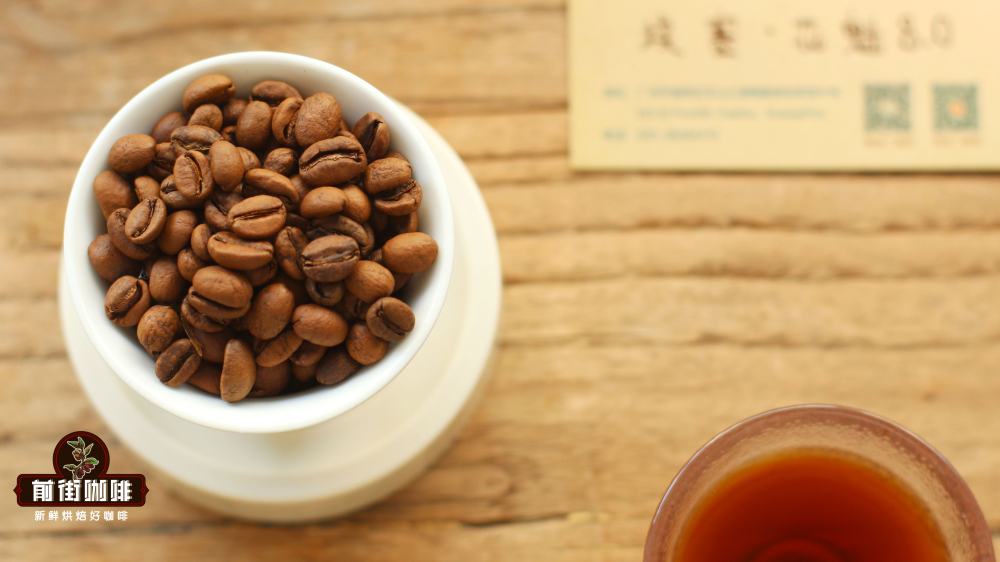
After a series of careful processes, the Honduras Sherry coffee beans on the Front Street Coffee bean shelf are finally obtained. After cold brew extraction and a longer fermentation period in the refrigerator, Sherry coffee becomes more viscous and smooth in mouthfeel, with a stronger fermented quality, overall more like whiskey.
For more coffee bean information, please follow Coffee Studio (WeChat public account: cafe_style)
For professional coffee knowledge exchange, please add WeChat ID: kaixinguoguo0925
The above content is compiled by CoffeeHunters, a coffee news website.


