








Is Coffee Made by Cold Brew Different From Iced Americano?
Cold brew coffee is made by extracting ground coffee with cold water only, at low temperature for a long time. That slow process cuts bitterness and acidity, so the cup tastes smoother and sweeter than hot-brewed coffee chilled with ice. Iced Americano and iced pour-over are brewed hot first and then cooled, which is a different route to a cold drink.
Three steps cover home cold brew: choose the coffee beans, set the coffee-to-water ratio, then steep and filter. Drip bags from Front Street Coffee are used here as the example. Cold brew keeps well and is gentle on the stomach. Beans from different regions all work, since the low temperature pulls fewer bitter compounds than a hot brew that runs long or too hot, which is often why Americano bitter notes dominate.
On a scorching summer day, a chilled glass of cold brew coffee is undoubtedly a perfect companion to beat the heat. But cold brew coffee is fundamentally different from iced Americano or iced pour-over in how it's made—it uses cold water for low-temperature extraction throughout, taking a long time, but this reduces bitterness and acidity, making the taste smoother and sweeter. This article will use Front Street Coffee's drip bags as an example to explain in detail the three steps of making cold brew coffee at home, including the coffee-to-water ratio, steeping time, and filtering techniques. It will also introduce cold brew coffee's characteristics, such as its long shelf life and being gentle on the stomach, and why coffee beans from various regions are all suitable for making cold brew. Whether you want to cool down or try something new, this guide will help you easily make a delicious cup of cold brew coffee.

Guangzhou's summer is sweltering and unbearable, and at times like this, gulping down a glass of iced coffee is truly a great pleasure. Everyone is surely familiar with iced coffee, but what exactly is cold brew coffee? Why can't all coffee shops offer it? Today, Front Street is here to talk about the category of cold brew coffee.
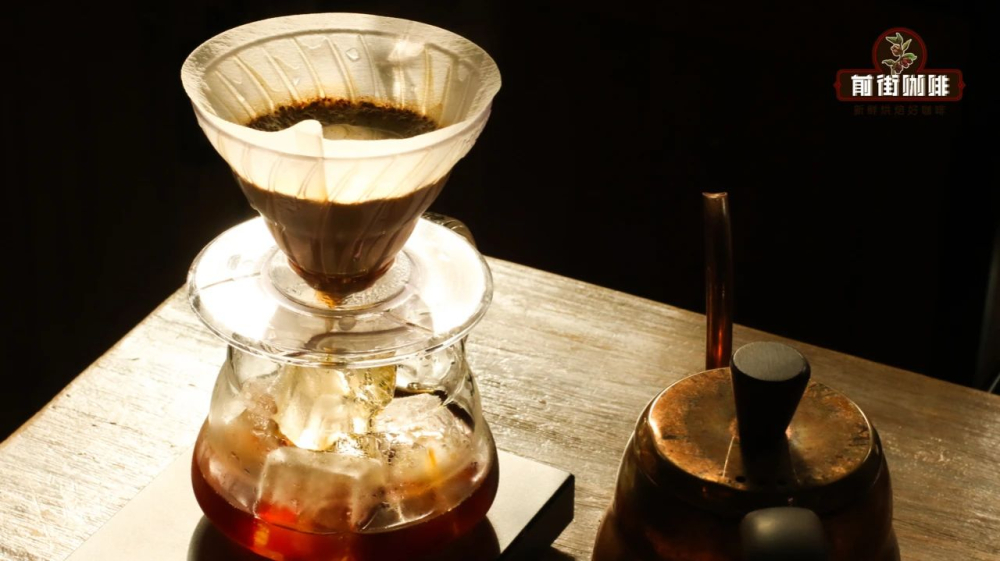
Cold brew coffee and Americano are completely different in their production process and principles. Ultimately, the core difference between the two lies in temperature—specifically, the water temperature during extraction. Drinks like iced Americano and iced pour-over are made by first brewing hot coffee and then adding ice to cool it down, turning it into a cold beverage.
Cold brew coffee, as the name suggests, is coffee extracted with cold water. The entire extraction process occurs at low temperatures, so it is very inefficient and time-consuming. But precisely because of this, bitterness and acidity are noticeably reduced, and the overall taste is more balanced.
Next, let's talk about the main characteristics of cold brew coffee:
Sweet taste: The dissolution of coffee flavor compounds occurs in a certain order. Smaller aroma molecules are released first, followed by the larger, bitter and heavy molecules. When brewing with hot water, if the temperature or time is not controlled properly, it's easy to extract too much bitterness, leading to an unbalanced taste. Cold brew, on the other hand, uses cold water for a long steeping period, mainly dissolving small molecules like fruit acids and floral notes, resulting in a richer, smoother taste that presents the coffee's original flavors. Not bitter, not astringent—this is exactly the key reason many people prefer cold brew coffee.
Long shelf life: After food is heated, its molecular structure is destroyed, making it prone to spoilage. Hot-brewed coffee has a very short window of peak flavor; after sitting for more than half an hour, the aroma begins to fade. Cold brew coffee does not undergo heating, so its preservation time is greatly extended. After extraction, it can be kept in the refrigerator for about two weeks, during which fermentation occurs, allowing the coffee's flavor to develop different layers of richness. It is generally recommended to let the finished cold brew sit in the refrigerator for 1 to 3 days before drinking for the best flavor.
Gentle on the stomach: Many people with sensitive stomachs avoid coffee because drinking regular coffee gives them stomachaches. In cold brew coffee, the irritating components commonly found in hot-extracted coffee are much reduced. It is mild and smooth, relatively friendly to the stomach, and a relatively healthy choice.
Front Street Cold Brew Coffee Bean Recommendations
Whether at the physical store in Guangzhou or the online Taobao shop, Front Street Coffee offers over forty different coffee beans, including single-origin beans and espresso blends. Many friends, when they find a coffee they enjoy at Front Street, also buy a few bags of beans to take home. Some people planning to make cold brew at home ask what kind of coffee beans are suitable for cold brew. In fact, any type of coffee bean can be used to make cold brew coffee; it's just that beans from different regions will produce cold brew with different flavor profiles.
This time, Front Street Coffee (FrontStreet Coffee) is going to use drip coffee bags to make cold brew. Below is a list of 10 Front Street drip coffee bags; you can choose according to your own taste preferences.
How to make cold brew coffee?
Step 1: Prepare two drip coffee bags
Grind size and parameters are indeed cumbersome for many people, and grinding fresh beans requires having a grinder ready first, which is too costly. At times like this, just two fresh drip coffee bags can easily meet the requirements for making cold brew—simple and cost-effective. Here, we're using Front Street Strawberry Candy drip bags for the cold brew. This is a Geisha blend combining Costa Rican and Panamanian coffee, with flavors of raisins, strawberry gummies, and pink florals, suitable for various brewing methods.
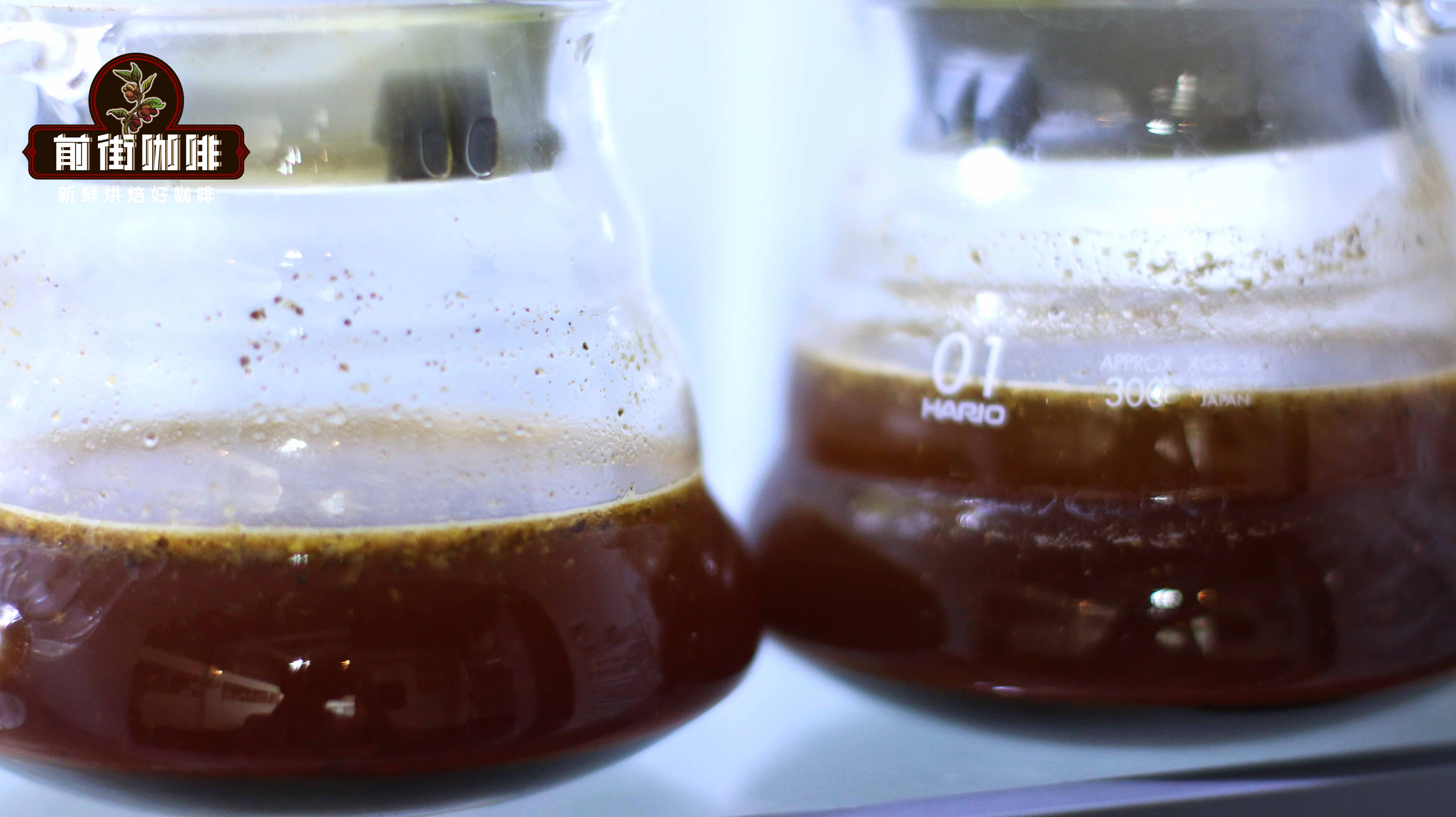
Cold brew coffee extracts slowly and dissolves fewer compounds than hot water extraction, so the coffee-to-water ratio needs to be increased, typically around 1:10. That means one drip bag (10 grams of coffee) corresponds to about 100 grams of water. Accounting for the coffee grounds absorbing water, you'll end up with only about 80 grams of cold brew concentrate. Since the wait is so long, it makes sense to make more at once.
Step 2: Steep and refrigerate
Find a container—plastic, glass, ceramic, any material will do, with or without a lid—but it must be deep enough to hold the coffee and water. First, tear open the drip bags and pour the coffee grounds into the container (do not throw away the drip filter bags, you'll need them later!), then add ice water. Low-temperature extraction is the essence of cold brew coffee; extracting with 4°C water versus 24°C water will give you different tastes.
Stir gently, making sure all the coffee grounds are fully saturated, then place in the refrigerator to steep for 12 hours. The steeping time is crucial: too short and the extraction will be insufficient with a weak flavor; too long... well, that's just too much waiting.
Step 3: Filter
After a full 12 hours of waiting, the steeping extraction is finally complete. Now prepare a cup for the cold brew coffee—the drip filter bags you saved earlier come in handy. Pour the steeped cold brew coffee into the filter bags to strain out the grounds. Once it has fully filtered through, you have your very own cold brew coffee.
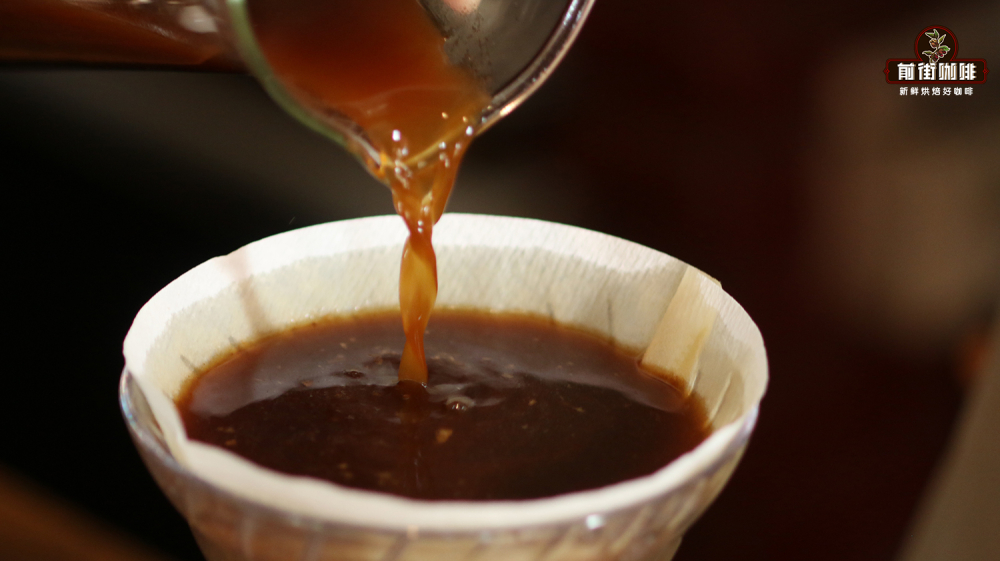
Just like that, you can enjoy delicious cold brew coffee with a super simple method. And it can be kept refrigerated for up to two weeks. You can add ice cubes to adjust the strength, or mix in milk or anything else you'd like.
Slow work produces fine results. Cold brew coffee is like essence refined by time, every drop especially precious. Whether to beat the heat or try something new, if you love coffee, you shouldn't miss the great taste of cold brew coffee.
Cold brew coffee can sometimes be very strong and can be diluted with water or ice cubes. Some people mix water and coffee in a 1:1 ratio. How much ice or water to add depends entirely on personal preference.
To learn more about specialty coffee, please follow: Front Street Coffee (Frontsteet Coffee)
The above content is compiled by CoffeeHunters, a coffee news website.


