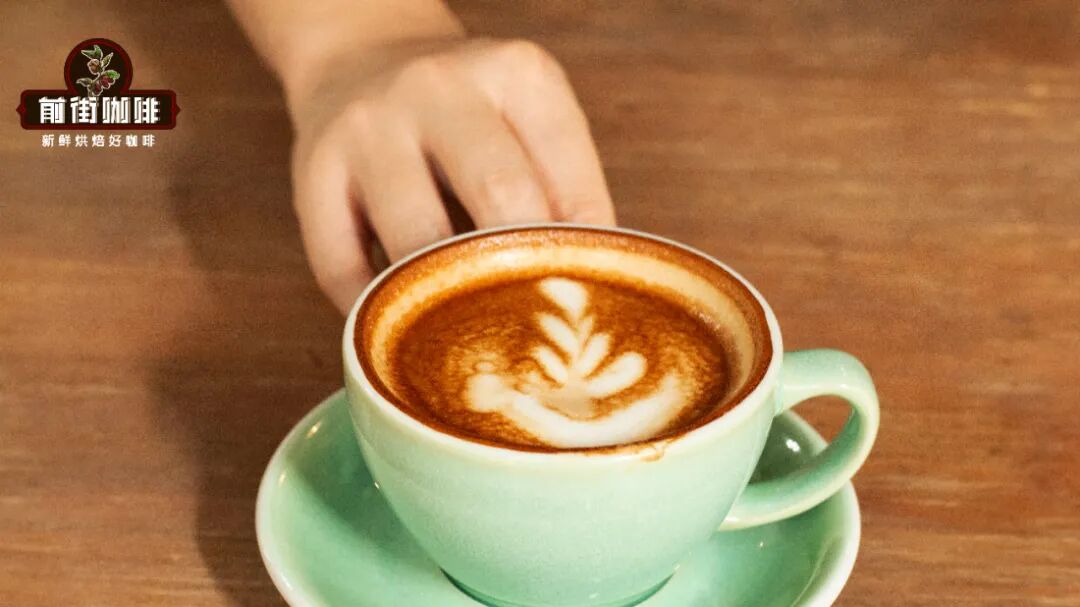
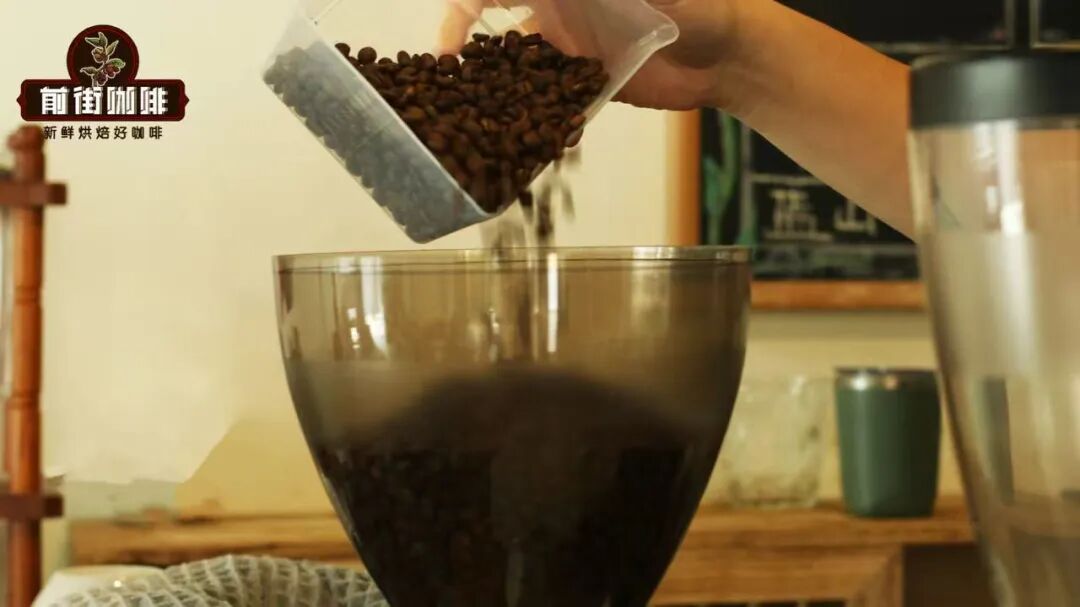
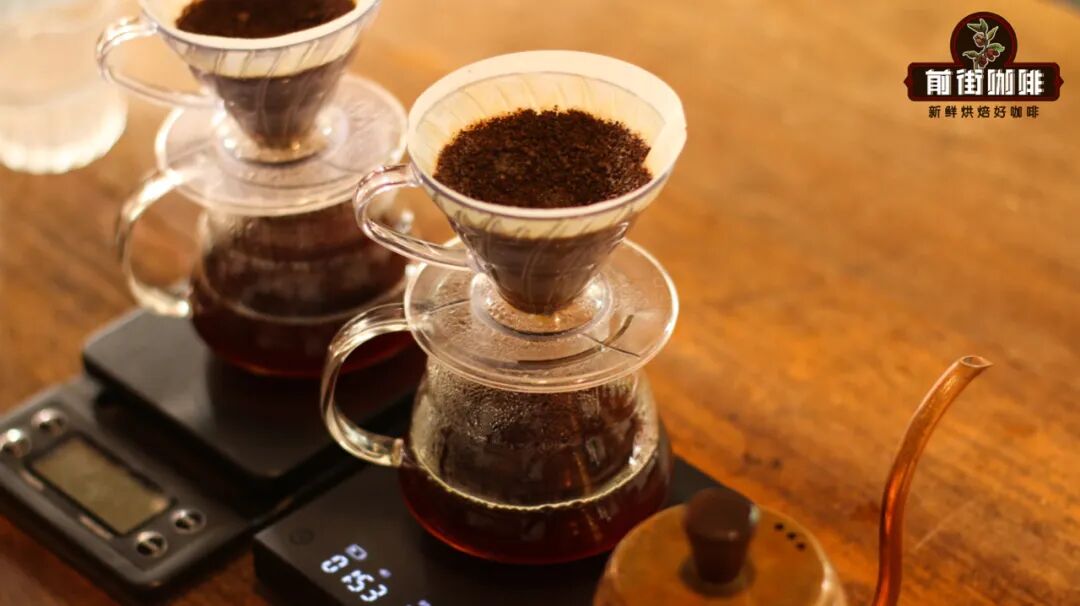
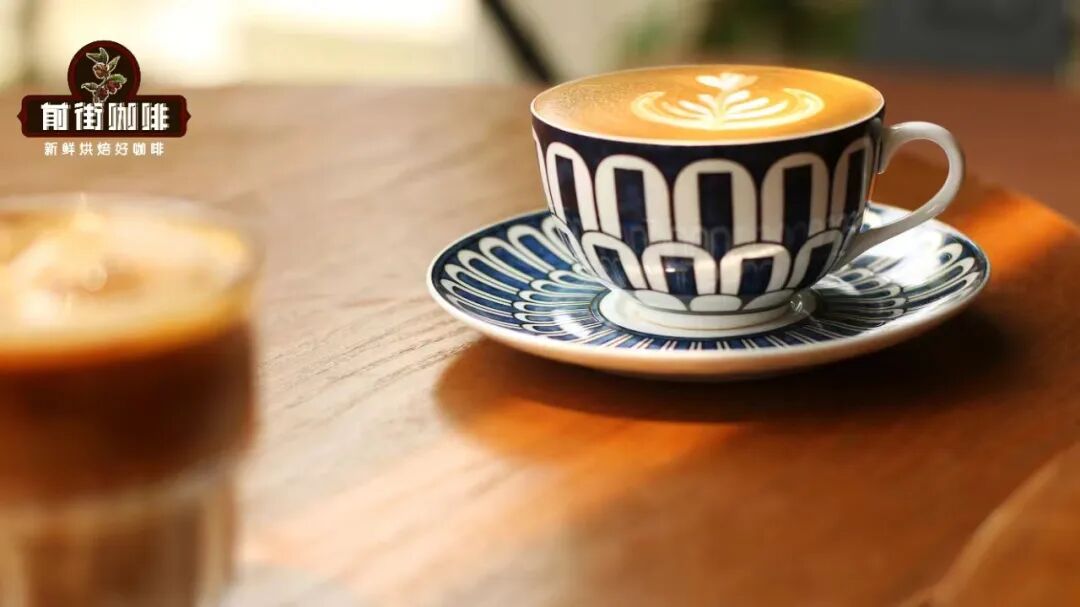
Today's topic is another old chestnut, because recently many friends have taken advantage of e-commerce promotions to buy coffee machines and start making coffee at home, only to find that the coffee they make tastes completely different from what they imagined.Even when using the same setup as Front Street's stores, what they make just isn't as delicious as what they drink in-store, especially lattes. So these friends reached out to Front Street to ask about the key points of preparation. So today Front Street is going to share how to make a latte that's as good as a coffee shop's — or even better!Don't let Front Street's casual tone fool you — once you actually try it, you'll find it's not hard at all~ To make a delicious latte, there are at most only three key points to master: choosing the ingredients and cooking them correctly.Ingredients naturally refers to coffee beans and milk, which determine the flavor and mouthfeel direction of a latte — coffee beans, for example! The espresso drinks served at Front Street's stores are often praised by customers and friends for their distinctive taste, and the reason is that the Sunflower Warm Sun blend Front Street uses has a unique flavor profile.Because it's a blend of two specialty beans — Honduras·Sherry and Ethiopia·Red Cherry — the resulting coffee has rare but outstanding flavor notes like whiskey, butter cookies, and berries.So we can see that coffee beans determine the flavor direction of a cup of coffee. But just as with a talent scout and a thoroughbred horse, good beans alone aren't enough — we need to extract their flavor potential through proper methods.Friends often report that after buying the Warm Sun blend and taking it home, they can't extract the same taste as in-store. There are two reasons for this:The first is not using the right parameters for extraction — for example, extraction time too short or yield too small — so the coffee's flavor doesn't come through. The extraction formula used at Front Street's stores is very classic: a 1:2 ratio of dry coffee to liquid, with extraction time controlled between 25 and 35 seconds. This parameter doesn't guarantee a delicious cup, but it brings us one step closer, because it allows the coffee to be extracted relatively fully.
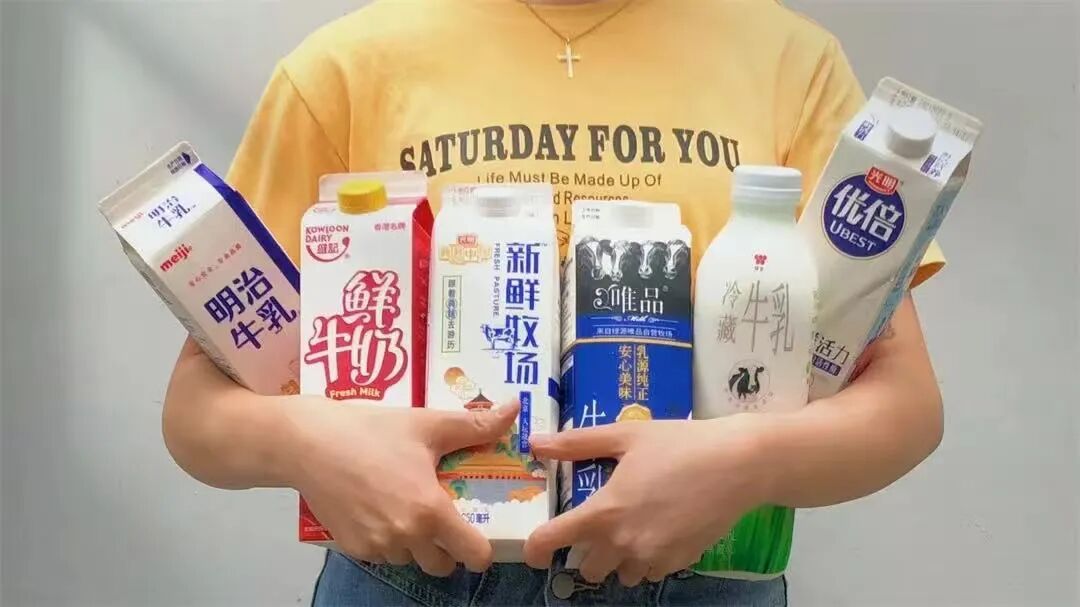
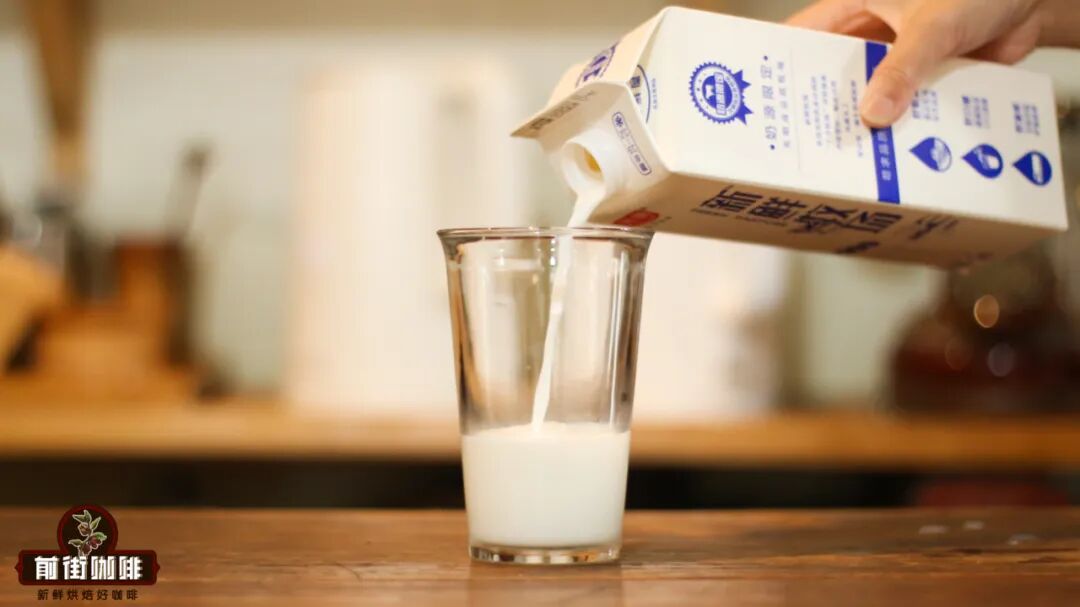
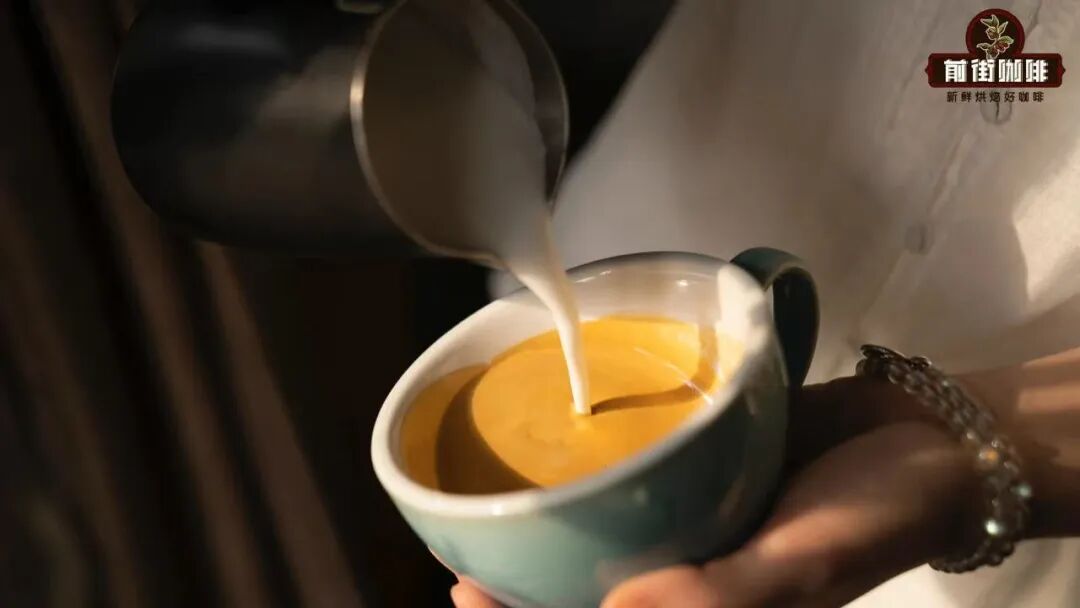
No matter what coffee beans you use, when extracting espresso you can first keep the parameters within this formula's range, which narrows down the scope of adjustment, and then make fine adjustments based on the taste of the extracted coffee! As for the specific method, Front Street has already covered it in"The Three Big Shots of Espresso: How to Extract Them for the Best Taste?"in this article in detail, so we won't expand on it here.The second reason is that the beans are too fresh! Many friends, the moment they get their beans, can't wait to put them in the machine and start making coffee, only to find the taste is all wrong. Even with the same parameters as the formula Front Street listed, the coffee tastes thin and weak.This is the result of coffee beans being too fresh! When coffee beans are very fresh, they contain unusually abundant carbon dioxide. Although this large amount of carbon dioxide gives espresso a rich crema, it tends to degrade the coffee's flavor and quality(the crema is also very rough). Because carbon dioxide hinders hot water from extracting the coffee's substances, reducing the dissolved flavor compounds.Front Street once conducted an experiment comparing the extraction yield of coffee brewed from two different states of coffee grounds. The result: the extraction yield from degassed grounds was far higher than from grounds that hadn't degassed. And this difference gets further magnified in espresso extraction!From this we can see that freshly roasted coffee beans aren't suitable for immediate use in coffee-making, so Front Street recommends letting the beans rest for a few days after you get them. Generally, medium-dark and dark roast espresso beans stabilize after about 10–14 days of resting, making it easier to dissolve out the flavors during extraction.Besides coffee beans, the choice of milk is also very important — after all, 80% of a latte is milk. Milk determines the mouthfeel of a cup of coffee, and it also affects the flavor. Milk from different producers differs in texture and taste — for example, some milk is sweeter, some has a fuller body, some has a stronger milky taste...You need to know that when choosing milk, it's not a matter of the stronger the taste the better, or the fuller the body the better. How to choose mainly depends on the character of the coffee beans, because the milk needs to work together with the coffee to build a latte, so the choice of milk is constrained by the coffee's flavor.For example, the milk Front Street's stores use is Guangming; its mouthfeel isn't very heavy and it has a relatively high sweetness, which makes it very suitable for a rich-tasting type like Front Street's Warm Sun blend. This pairing makes a milk coffee that isn't cloying and is quite pleasant to drink.As for what milk you should use, that needs to be determined through your own testing! Because everyone's beans differ from Front Street's, it can't be generalized. But fortunately, Front Street has shared quite a few milk reviews before — those interested can search past articles to learn more~And if you're making a hot latte, then the milk, like the coffee, needs to be cooked correctly to fully bring out its strengths. But compared to coffee, cooking milk is much easier. Because if you're not doing latte art, we only need to pay attention to one parameter — temperature.This is something Front Street shared the day before yesterday: when heating milk, it's best to keep the temperature in the 55°C–65°C range, and not exceed 70°C. Because milk within this temperature range has higher sweetness, making the coffee taste better. Once it exceeds 70°C, the milk's sweetness and mouthfeel both decline, which directly has a negative impact on the coffee's taste, so the milk's temperature still needs attention~Once both ingredients are prepared and cooked, our final step is to "assemble" them! And without latte art, there's only one thing to pay attention to when assembling — ratio! Ratio means the weight ratio of coffee liquid to milk used.Generally speaking, the thing being adjusted is mainly the milk, since the coffee's liquid weight doesn't change easily. And the ratio of coffee to milk can only really affect the coffee's strength — put simply, more milk makes the coffee flavor weaker, less milk makes it stronger and more bitter. So is there an optimal coffee-to-milk ratio?The answer is obvious: No~ Because a latte is all aboutfinding a balance point between the milk and the coffee liquid — the milky taste and coffee taste must be balanced just right, with neither flavor overpowering the other, so that the resulting coffee is sweet without bitterness while still retaining coffee flavor.And since everyone's coffee beans and milk are different, adhering to this idea and philosophy means everyone's optimal ratio will inevitably differ. The logic is simple! For example: suppose you're using a rich-tasting dark roast coffee to make a latte — then we need to add more milk to balance out the coffee's bitterness. For example 1:6, or 1:7, i.e., 40ml of coffee liquid with 280ml of milk.But if you're using a fresher-tasting light roast coffee to make a latte, then we might not need as much milk to balance the coffee's flavor, because the coffee's taste isn't as heavy. A ratio of 1:5, or even 1:4, might be completely sufficient — i.e., 40ml of coffee liquid with 160ml of milk.So there's no standard, fixed optimal ratio for a latte — everyone needs to arrive at a result through actual testing with their own coffee beans and milk. For example, the optimal ratio for lattes served at Front Street's stores is 1:6, and this is limited to the pairing of Warm Sun blend and Guangming fresh milk; once the milk is changed, the optimal ratio value will change accordingly.Front Street believes some friends have already noticed that in this article Front Street hasn't elaborated on the element of latte art. This is mainly because homemade lattes at home are more about taste than appearance, so the presence of milk foam and latte art technique are optional — making a latte doesn't necessarily require latte art, just heating the milk is enough.But some friends do value these points, because milk foam isn't just for latte art — it also adds a certain soft, velvety texture to the coffee. So if friends are pursuing an even more refined and comprehensive latte experience, and want to learn how to steam delicate milk foam, you can head over to"How to Steam Milk Foam"in this article to learn more~As long as you're familiar with the above, Front Street believes everyone will definitely be able to make a latte at home that's as good as — or even better than — what a coffee shop serves! The above content is compiled by CoffeeHunters, a coffee news website.