







Search Results for: control
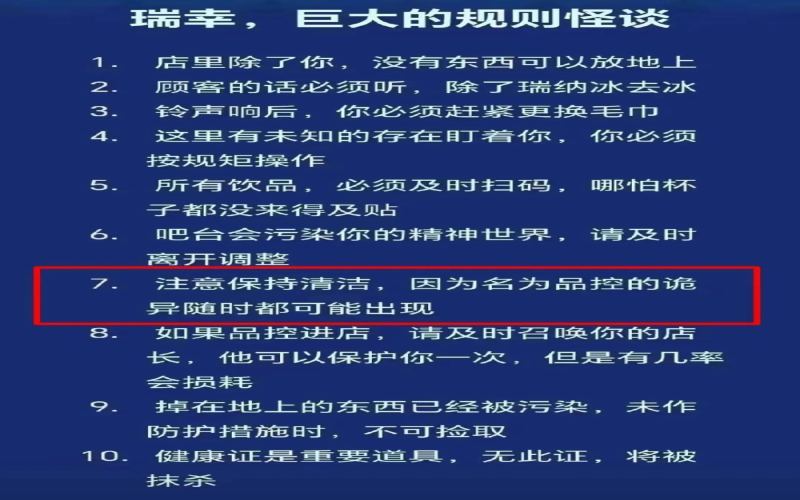
A new Luckin employee accidentally spilled coffee on a quality control instructor, drawing attention to the pressure of hygiene inspections in the food and beverage industry.
At the chain coffee brand Luckin, quality control managers' surprise inspections have always kept employees on edge. Recently, a new employee who had only been on the job for ten days accidentally knocked over a coffee when quality control visited the store, spilling it all over the quality control manager's head. This mishap quickly sparked heated discussion online. In fact, similar embarrassing incidents are not isolated cases; behind them lies the enormous pressure and various unconventional tactics Luckin employees use when dealing with quality control inspections. This article will recount the incident and explore the real situation of coffee workers under the quality control system. [more…]

Pour-Over Kettle Buying Guide: An In-Depth Analysis of Two Core Considerations—Temperature Control Features and Water-Flow Difficulty
Faced with the dazzling array of pour-over kettles on the market, how should beginners make a suitable choice? Front Street points out that when purchasing, you only need to focus on two key dimensions: whether it comes with a temperature control system, and how easy it is to control the water flow. Temperature-controlled and non-temperature-controlled versions differ significantly in price and convenience—taking Brewista as an example, the price gap between the two can reach about four times. The difficulty of water control mainly depends on the length of the kettle neck, its inner diameter, and the shape and caliber of the spout—a slender gooseneck with a small-caliber curved spout suits beginners pursuing stable pouring, while a short, thick neck with a large-caliber flat spout is better suited to advanced players who enjoy fancy pouring techniques. This article will break down these two directions one by one, and include specific recommendations for Front Street's commonly used Hario Cloud Kettle, Kalita Swan-Neck Kettle, Fellow Kettle, and others, to help you find the one that fits your hand best. [more…]

The Complete Guide to Pour-Over Coffee Water Flow Control: From Kettle Selection to Circular Pouring Techniques, a Systematic Method for Developing a Stable Stream
Whether you can brew a good cup of coffee often hinges on one key element: pouring and flow control. Parameters can be adjusted through understanding and trial and error, but flow control is more of a technical skill that relies on muscle memory—it requires choosing the right equipment, adopting the correct posture, and practicing repeatedly. This article starts with the spout diameter and water capacity of the pour-over kettle, explaining how different choices affect the difficulty of practice. It then goes on to explain the posture points during pouring, such as the distance between your body and the dripper and the height of your arm. Finally, it provides a complete training sequence from a thin stream to a thick stream, and from a steady straight line to concentric circles, helping coffee enthusiasts build stable flow control skills in a short time. The article also retains practical observations and suggestions from Front Street Coffee stores for readers' reference. [more…]

How to Choose the Right Pour-Over Kettle for Your Home Coffee Corner? A Comprehensive Guide from Temperature Control and Spout to Material
Creating a coffee corner at home—a handy pour-over kettle often determines how smooth your brewing experience will be. Faced with the dazzling array of options on the market, everything from temperature-controlled versus non-temperature-controlled, spout shape, body capacity, handle design, to material differences will affect water flow control and ease of use. This article will systematically sort out the key dimensions for choosing a pour-over kettle, helping beginners and advanced enthusiasts find the one that suits them best, and also includes Front Street Coffee's recommended flavor progression for beginner coffee beans, making it easier to pair your equipment with your beans. [more…]
A Complete Guide to Choosing a Home Pour-Over Kettle for Beginners: Practical Selection Tips from Temperature Control and Spout to Material
Want to get your hands on a pour-over kettle but feel overwhelmed by the bewildering array of styles on the market and don't know where to start? Actually, choosing a kettle is like a swordsman choosing a sword—a well-suited one can greatly reduce the difficulty of controlling the water flow, letting even beginners brew consistently good-tasting coffee. This article draws on Front Street's hands-on experience to break down the key points of choosing a kettle one by one: the choice between temperature-controlled and non-temperature-controlled models, how the spout shape affects the water flow, the kettle body capacity and handle design, and the trade-offs among materials like stainless steel, copper, and enamel porcelain. At the end, we've also included a flavor sequence of Front Street Coffee beans suitable for beginners to try step by step, helping you sort out your buying logic all at once. [more…]
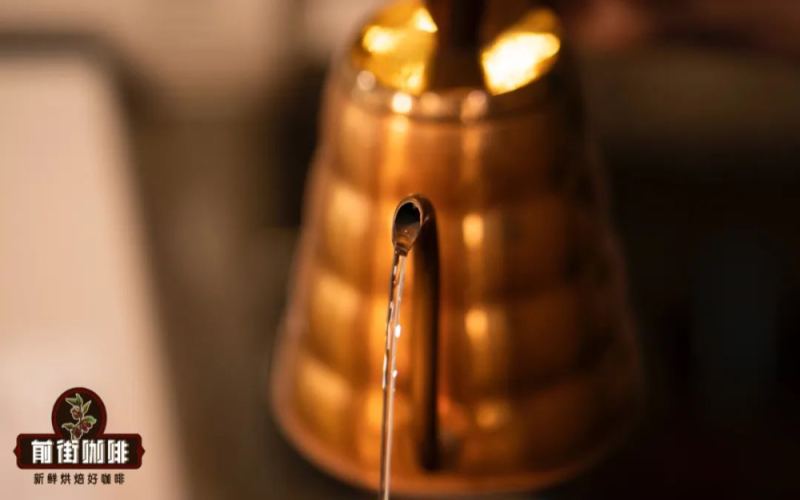
A Comprehensive Guide to Pour-Over Coffee Water Control Techniques: The Difference Between High and Low Flow Rates and Systematic Practice Methods
In the process of brewing pour-over coffee, the key to determining the quality of a cup often lies not in the final shape of the coffee bed, but in whether the brewing parameters match the beans and equipment, and whether the water flow is stable and controllable during pouring. An erratic flow rate or a drifting pour point can lead to problems such as excessive bypass water and uneven extraction. From the perspective of Front Street, this article systematically explains how to choose and consistently practice with a pour-over kettle, and advances water control skills in two stages—fixed-point steady pouring and circular steady pouring—while also explaining the performance differences between large and small flows under different spout diameters, helping coffee enthusiasts find a practice path that suits them. [more…]

The Complete Guide to Buying a Pour-Over Kettle: Temperature Control, Spout, Body, Material, and Price Explained in One Go
Faced with the dazzling array of pour-over kettles on e-commerce platforms, many coffee enthusiasts often don't know where to start. Although pour-over kettles are basically composed of a spout, body, handle, and lid, different shapes directly affect pouring performance. Front Street Coffee will systematically sort out the selection approach for pour-over kettles from dimensions such as temperature-controlled vs. non-temperature-controlled, spout type, body capacity and center of gravity, handle feel, material, and price. The article will also introduce the pouring characteristics and representative products of different spouts such as narrow gooseneck, wide gooseneck, crane-neck, flat spout, and eagle spout, helping you find the one that better suits you between budget and needs. [more…]

Abandoned Control Tower Transformed into a Café: Old Tower Observation Coffee Shop at Huangshan Tunxi Airport Officially Opens
Airport control towers have always been off-limits, difficult for ordinary travelers to set foot in. However, Huangshan Tunxi Airport has transformed an old control tower—commissioned in 1989 and left idle in 2010 after a new tower was completed—into a distinctive observation tower coffee shop. Closer to the runway than the new tower, it offers a wide-open view where customers can sip coffee while watching planes take off and land up close, experiencing the thrill of directing aircraft. This creative idea originated from the Civil Aviation Administration's 2021 "Guidelines for the Planning and Construction of Civil Airport Aviation Observation Facilities," aimed at popularizing aviation knowledge and enhancing the public experience. The old tower is connected to the old air traffic control building, allowing for quiet indoor observation, while the rooftop offers the震撼 of planes roaring past. For aviation enthusiasts and coffee lovers alike, this is undoubtedly a fresh and fascinating spot to check in. Front Street Coffee recommends that you seize the opportunity to visit and experience it for yourself. [more…]

A Complete Guide to Pour-Over Coffee Water Pouring Techniques: A Practical Guide from Water Control Practice to Stable Flow
Beginners just getting into pour-over coffee often find that pouring water is far harder than they imagined—the stream surges and sputters, and their hands shake badly. The state of the coffee bed after brewing directly reflects how evenly the water was poured. Water control is a skill that demands proficiency; only after developing muscle memory and thoroughly getting in tune with your pour-over kettle can you pour exactly as you wish. Normally, a complete novice can master a steady stream after about two and a half weeks of practice, but if you learn a few techniques in advance, you can pour a relatively steady stream in as little as three days. From Front Street's perspective, this article walks beginners through the key points of pour-over kettle spout selection, water volume control, pouring motions, and circular pouring practice, helping everyone avoid detours and quickly improve their brewing and tasting skills. [more…]
Artisan Roasting Software Operation Guide: Coffee Bean Temperature Curve Logging and Flavor Control Techniques
For coffee roasters pursuing consistent output and flavor reproducibility, Artisan is a rare open-source tool. It can connect to temperature recorders or PID controllers, collect bean temperature and air temperature data in real time during the roasting process, automatically generate visualized curves, and help judge the trends of the drying, Maillard, and development phases. This article compiles Artisan's core functions, compatible device list, export and reporting methods, and includes software screenshots and a version update summary. Whether you use Mac, Windows, or Linux, you can use it to optimize your roasting rhythm, making the flavor performance of every batch of Front Street Coffee beans more controllable and more reproducible. [more…]

A Complete Guide to Water Control Techniques in Pour-Over Coffee: Systematic Training from Flow Rate and Pouring Height to Circular Pouring Technique
The flavor profile of pour-over coffee depends to a large extent on the stability of the pouring. Many enthusiasts plan their brewing parameters in advance, but once they start, the water flow becomes difficult to control, and the final result is left to chance. Drawing on Front Street's practical experience, this article systematically lays out training methods for the fundamental skill of water control, including how to choose and hold a pour-over kettle, the key points for controlling a vertical stream, reference ranges for flow rate and pouring height, and the correct path for circular pouring along with common mistakes. Through progressive practice, it helps you improve your feel for starting and stopping the pour during actual brewing, making extraction more even and the flavor closer to the ideal. [more…]
In-Depth Analysis of Espresso Dose Control: Extraction Adjustment Strategies from Gram Weight Differences to Flavor Balance
Many coffee enthusiasts are intimately familiar with latte art and equipment, yet when it comes to espresso extraction, they often overlook dosing, puck management, and tasting judgment. In fact, dose control is just as critical as grind size adjustment—fluctuations in dose mean that even the most beautiful latte art cannot mask an imbalance in the coffee itself. Starting from the TDS and extraction yield formulas, and drawing on a 2.3-gram dose difference measured on a Mazzer Robur grinder, this article uses charts and data to illustrate the specific effects of dose on concentration, extraction yield, and the balance between acidity and bitterness, and explores approaches to dosing for light-roast espresso. Front Street Coffee also emphasizes the importance of dose consistency in its daily output, and we hope this article offers practical reference for your extraction adjustments. [more…]

Behind the Shrinking Hours of Luckin Part-Time Baristas: Strict Quality Control, Unpaid Overtime at Closing, and the Reality of a 2,000-Yuan Monthly Salary
Recently on social platforms, many part-time Luckin employees have posted about reduced shifts and monthly pay of only around two thousand yuan, drawing attention. After winter arrives, Luckin stores control part-time working hours, and it is not uncommon for only five hours to be scheduled in a day and only three or four days of work in a week. At the same time, Luckin baristas also have to face strict quality control inspections known as "nightmares," hand damage caused by frequent handwashing and sanitizing, and unpaid overtime of anywhere from a dozen minutes to an hour after closing. This article, based on real feedback from part-time employees, sorts through Luckin stores' quality control system, closing procedures, and part-time employment system, presenting a little-known side behind the barista position. Front Street Coffee also continues to pay attention to the real situation of workers in the coffee industry, providing enthusiasts with diverse perspectives. [more…]
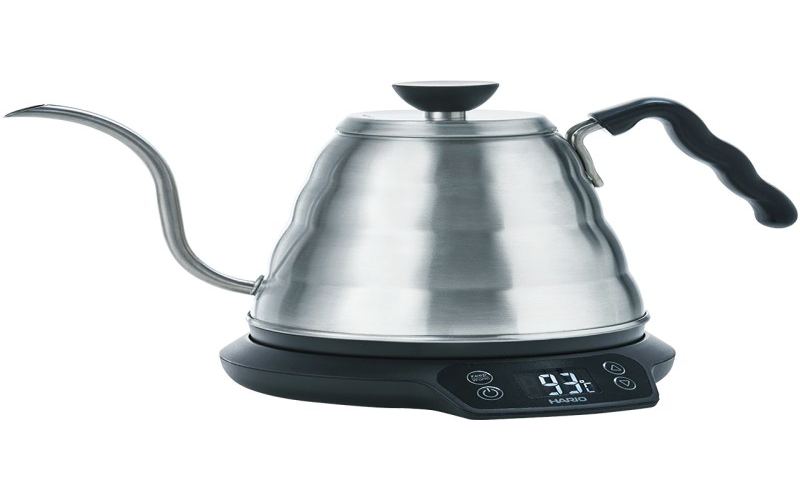
Types of Pour-Over Kettles | How to Choose a Japanese-Style Pour-Over Coffee Kettle? Which Material Is Best for Beginners Just Starting Out with Pour-Over Coffee? Introduction to Using a French Press
When it comes to choosing coffee equipment, opening a shopping platform and seeing all kinds of coffee gear can leave you not knowing where to start. Take pour-over coffee kettles, for example—although most are made up of a spout, body, handle, and lid, different shapes and structures produce different pouring effects. So [more…]
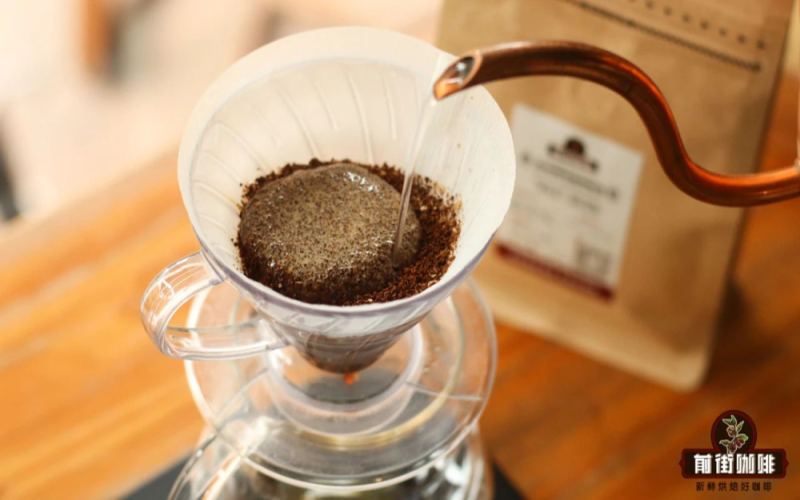
Learning Pour-Over Coffee from Scratch: A Complete Step-by-Step Process and Practical Water Flow Control Techniques
For friends who are just getting into pour-over coffee, everything from choosing equipment to pouring technique can become a stumbling block. Many people piece together what they learn from online videos, taking plenty of detours before gradually figuring out the tricks of the trade. In fact, as long as you sort out the order of the brewing process and master a few key techniques, getting started isn't as difficult as you might imagine. Drawing on the practical experience of Front Street Coffee, this article systematically lays out the basic steps of pour-over coffee, focuses on the core challenge of water flow control, and shares insights on selecting and modifying the spout of a pouring kettle, helping beginners pour a steady stream of water in the shortest time possible and making every cup of pour-over more reliable. [more…]

The M stand wooden fish merchandise doesn't make a sound when tapped and the paint peels off, and the coffee quality control is also being criticized—will fans still buy it?
M stand recently launched a wooden fish (muyu) merchandise item, which sparked a buying frenzy among fans as soon as it went on sale. However, after receiving the product, many people found that this wooden fish couldn't produce a crisp, ethereal sound when struck, and it also had issues like scratches, rough craftsmanship, and a surface prone to showing hammer marks. It was criticized as a "beautiful piece of junk." At the same time, netizens' complaints about M stand's coffee quality control have resurfaced, with many arguing that its prices are higher than Manner and Luckin, yet its taste is not superior. M stand, which once won over fans with its petit-bourgeois vibe and consistent quality control, is now increasingly perceived by consumers as "the coffee isn't great, but the merchandise is decent." This latest quality failure with the wooden fish has left loyal fans even more disappointed. [more…]

Luckin's dark chocolate turning cement gray sparks quality control doubts, Year of the Dragon Moutai collaboration debuts at the same time
Recently, Luckin Coffee has once again become a hot topic on social media due to the abnormal appearance of a dark chocolate drink. Some consumers reported that the dark chocolate they ordered for delivery arrived looking like cement gray, and the taste was also disappointing. Netizens have been speculating about the reasons, ranging from insufficient ingredient proportions to operational mistakes by new staff, and even the suspected mistaken use of cappuccino Frappuccino powder. Meanwhile, within less than half a year, Luckin Coffee has once again partnered with Moutai to launch a Year of the Dragon sauce-flavored chocolate latte, sending the topic's popularity soaring. With quality control controversies and co-branded marketing running in parallel, Luckin Coffee's brand management capabilities are facing a test. [more…]
Pour-Over Kettle Buying Guide: A Detailed Look at Spout Shapes, Material Differences, and Brand Recommendations
The heating up of the single-origin coffee market has driven the diversified development of pour-over equipment. Faced with numerous brands such as Kalita, Hario, and Bonavita, as well as different kettle shapes like fine spout, gooseneck, and flat spout, beginners often find it hard to choose. This article approaches the topic from two major dimensions—spout inner diameter and material characteristics—to systematically sort out the pros and cons and applicable scenarios of various pour-over kettles. Combined with the hands-on experience of several baristas, it also reviews popular models such as the Hario Cloud kettle, Bonavita gooseneck kettle, Kalita copper kettle, and Melitta pour-over kettle. Whether you are a novice just getting into pour-over or an enthusiast seeking advanced equipment, you can find a direction that suits you. The article also includes practical advice from Front Street Coffee. [more…]

Why do Luckin employees call themselves "Handwash Heroes"? Store hygiene control details and genuine consumer feedback
Luckin Coffee's store hygiene management has always been a hot topic online, especially the high frequency of employee handwashing and the meticulous standards, which have even earned them the nickname "Handwash Hero" of the coffee world. From washing hands on the hour, to mandatory cleaning after touching items, to full-scale deep cleaning before quality control inspections, Luckin's dedication to hygiene is almost obsessively strict. Meanwhile, many consumers and employees have shared their personal experiences, with some joking, "I really dislike Luckin, but I won't allow anyone to say it's not clean." In an era where food safety in the restaurant industry frequently draws attention, what exactly does this strict quality control signify? This article compiles a wealth of genuine feedback from frontline employees and consumers to give you an inside look at the various details of Luckin's store hygiene management. [more…]
A Complete Guide to Anaerobic Fermentation of Coffee Beans: Processing Fundamentals, Six Key Control Factors, and Practices for Quality Consistency
Fermentation is a core step in coffee processing that shapes flavor direction. It is driven by microorganisms such as yeasts and bacteria, which convert sugars and acids within the coffee cherry into acids and alcohols. Good, controlled fermentation can highlight a coffee's varietal characteristics, while uncontrolled fermentation may bring negative flavors reminiscent of spoilage and spoiled wine. Starting from the basic principles of fermentation, this article sorts out the differences between the two pathways—aerobic and anaerobic—and, around six major factors—coffee cherry quality, cleanliness, oxygen, microorganism and yeast types, time and temperature, and data recording—explains how to improve the consistency and repeatability of fermentation. It also emphasizes that coffee quality is largely fixed during the growth stage, and the role of fermentation is to extract and preserve excellent characteristics rather than to elevate quality out of thin air. The article also introduces Front Street Coffee's ongoing attention to knowledge related to fermentation and processing methods, for the reference of coffee enthusiasts. [more…]