







Which steps matter most in a pour-over coffee process?
A pour-over coffee process comes down to a fixed order of steps plus steady water flow control. Beginners often piece methods together from scattered videos and stall on uneven pouring, but once the brewing sequence is clear and the kettle is understood, a reliable cup becomes much easier. Water flow decides how evenly the coffee bed is extracted.
Front Street Coffee outlines the basic steps of pour-over and focuses on water control, the core challenge for new brewers. The stream tends to run fast then slow, and the finished coffee bed shows the unevenness. Because control is a skill built through repetition, choosing and adjusting a gooseneck kettle helps develop the muscle memory needed for a steady pour.
For friends who are just getting into pour-over coffee, everything from choosing equipment to pouring technique can seem like a stumbling block. Many people piece together knowledge from various online videos, taking plenty of detours before gradually figuring out the tricks of the trade. In reality, as long as you clarify the sequence of brewing steps and master a few key techniques, getting started isn't as difficult as it seems. This article draws on the practical experience of Front Street Coffee to systematically outline the basic steps of pour-over coffee, with a focus on water flow control—the core challenge—and shares insights on selecting and modifying gooseneck kettles to help beginners pour a steady stream in the shortest time possible, making every cup of pour-over more reliable.
For more specialty coffee knowledge, please follow: Front Street Coffee ( Frontsteet Coffee )
The pour-over coffee process involves quite a few steps, and beginners often need a clear operational guide to help them sort out the sequence of each step. From my observations, many beginners piece things together fragmentarily from various online tutorial videos, using plenty of "crude methods," and only after repeated practice and daily exchanges do they gradually figure out pour-over coffee. Today, Front Street Coffee will walk you through a systematic lesson on pour-over coffee.
In yesterday's content, Front Street talked about the critical impact of water flow on extraction. Once we understand how important water flow is, the next step is naturally hands-on practice—actually brewing coffee. But as the saying goes, hearing it a hundred times is not as good as doing it once yourself. Many friends only realize after they actually start brewing that the water stream isn't as easy to control as they imagined.
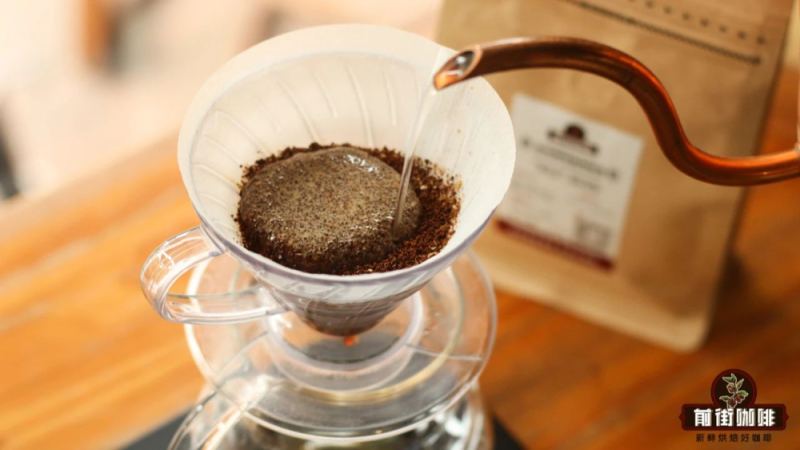
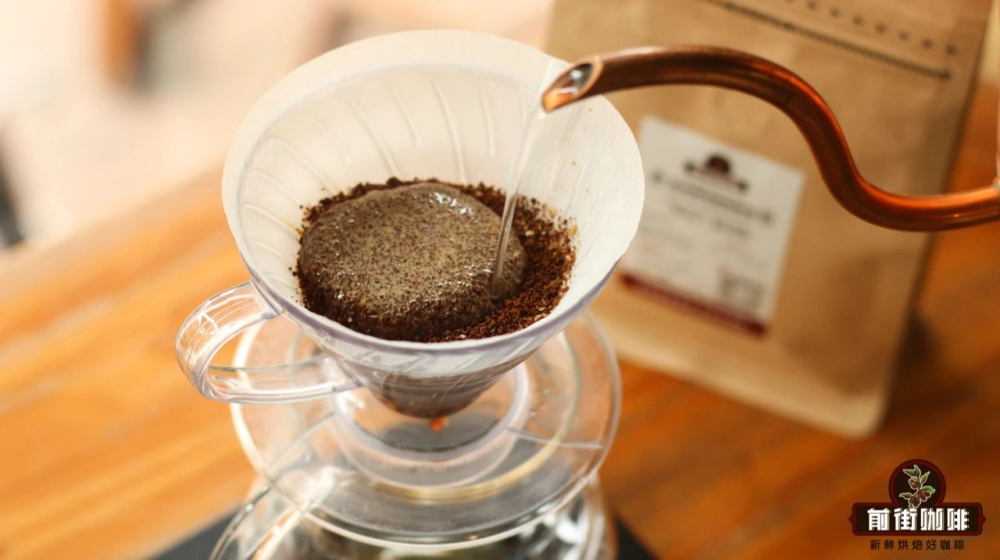
The flow alternates between fast and slow, stops and starts, rises and falls, and your hand shakes as if you're a cafeteria lady serving food—these are all common scenes when beginners first start brewing. After brewing, a look at the coffee bed makes the uneven pouring obvious.
The principle is actually not complicated—"water control" is a skill that requires proficiency. When we're not yet skilled enough, haven't developed muscle memory, and haven't built a rapport with the kettle, it's hard to pour perfectly. But looking at it from another angle, the more you brew, the more proficient you'll naturally become, and the water flow will gradually obey. Generally speaking, a complete beginner who practices consistently for about two and a half weeks can basically pour whatever stream they want at will.
Obviously, for many people, this period is still a bit too long. If you want to shorten this time, it's best to master some pouring tips in advance. In the fastest case, you can pour a relatively steady stream in about 3 days.
Tip 1: Choosing the spout of your pour-over kettle
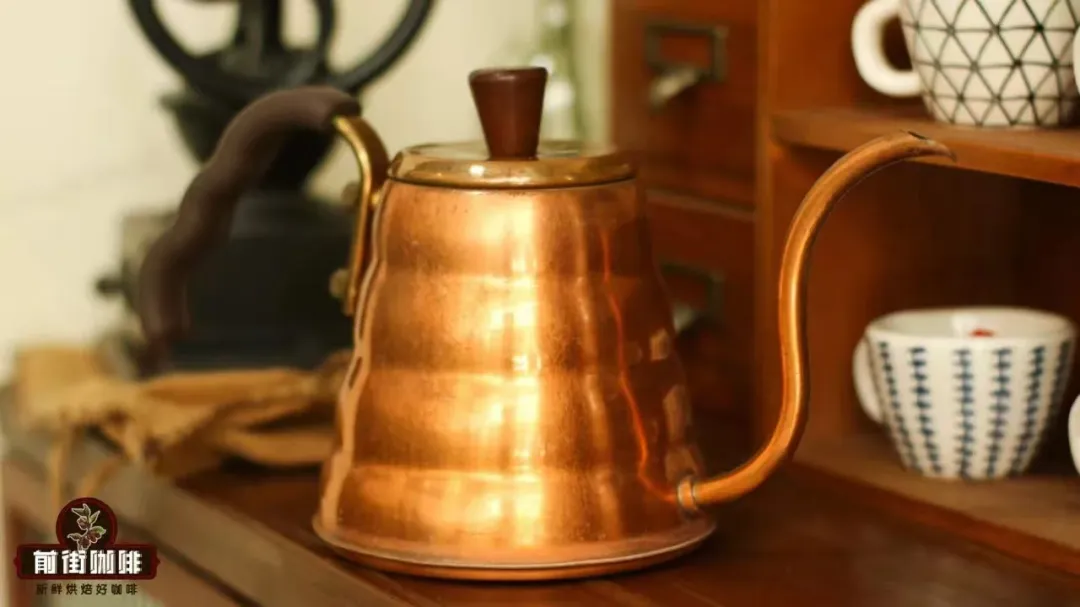
In the article "How to Choose the Spout of a Pour-Over Kettle," Front Street introduced that the shape of the spout has a huge impact on water flow and directly determines the difficulty of water control. Generally speaking, Front Street recommends that beginners prioritize a "gooseneck hawk-beak" kettle when choosing a pour-over kettle—that is, one with a slightly longer neck, a smaller spout opening, and a downward curve. These two features combined help beginners control the water flow more easily.
Of course, you can't have your cake and eat it too—this type of spout has its shortcomings. Limited by the spout design, it's hard to pour drop-by-drop or a larger stream, so the versatility is relatively lower. How to weigh the trade-offs depends on individual needs.
If some friends have already bought a kettle with a spout that's difficult to control, they can also modify the spout like some experienced enthusiasts do. For example, Front Street's own pour-over kettle was modified by using pliers to force a flat spout into a hawk-beak shape, thereby reducing the difficulty of water control. However, there's a prerequisite for modification: the pour-over kettle must be able to withstand prying and be malleable—this point is very critical.


The above content is compiled by CoffeeHunters, a coffee news website.


