







Search Results for: cone-shaped filter paper
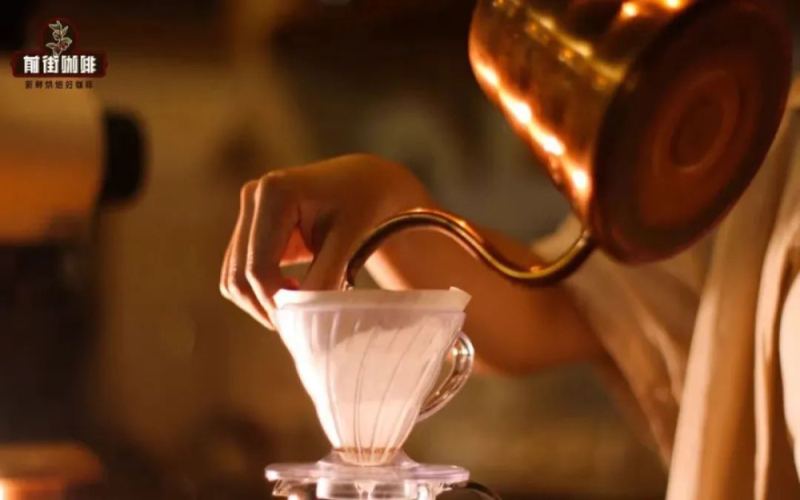
How to properly fold a pour-over coffee filter? Master the key steps for a more perfect fit in the dripper
When brewing pour-over coffee, how well the paper filter fits the dripper directly affects the extraction. Many enthusiasts use a pressing technique yet still find that the filter won't sit flush, and the root cause often lies in the folding step. After customers reported this issue at their stores, Front Street Coffee put together a detailed demonstration of the correct way to fold a cone-shaped paper filter. From folding along the seam and pressing the crease to the technique for securing it once it's in the dripper, every step matters. This article reproduces the entire process, explains how to handle specialty filters such as non-woven ones, and shows how to make the filter sit snugly for iced pour-over without wetting it first—so you can brew a consistent, great-tasting cup at home. [more…]
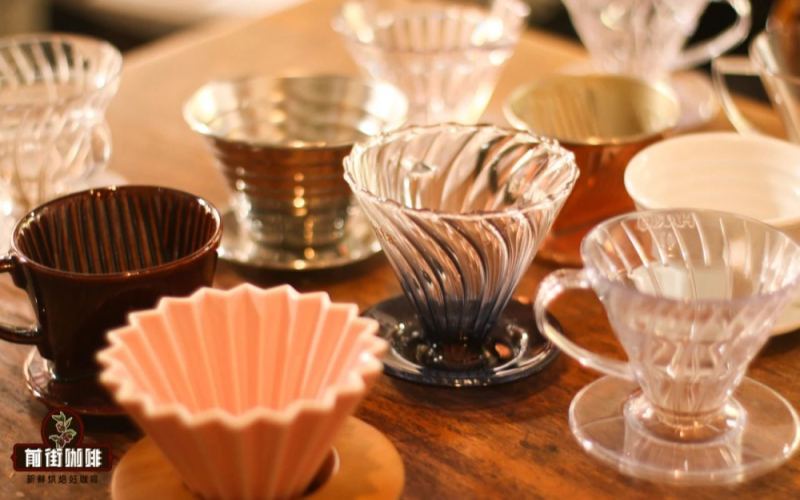
The Complete Guide to Pour-Over Coffee Dripper Selection: Common Types, Material Differences, and Brewing Compatibility Guide
In the toolkit of pour-over coffee gear, the dripper plays a pivotal role. With the third wave of coffee and the growing popularity of single-origin specialty beans, pour-over brewing rose in Japan and swept the globe. Getting started with pour-over isn't complicated—all you need is a gooseneck kettle, filter paper or a metal mesh, a dripper, and ground coffee. Yet the sheer variety of drippers often leaves beginners at a loss. This article systematically breaks down the structural features and flow-rate differences of mainstream drippers—wedge, cone, origami, wave, and metal—analyzes how different materials affect heat retention, and, drawing on brewing practice with a range of Front Street beans, explains how dripper choice shapes a coffee's balance, body, and aromatic layering, offering enthusiasts a practical reference. [more…]

Pour-Over Filter Paper Selection Guide: How Shape, Size, Bleaching Process, and Paper Material Affect Coffee Flavor
In discussions about pour-over coffee equipment, the dripper often takes center stage, while the filter paper—which performs the critical filtration task—tends to be overlooked. In fact, although filter paper accounts for only a small portion of the cost, it directly affects how coffee flavors are presented—common issues such as "fit" and "papery taste" are inseparable from it. When faced with the three mainstream shapes on the market—cone, fan, and cake—along with options like 01/02 sizes, natural and bleached, and different brands' paper textures, how should one make the right choice? Drawing on Front Street Coffee's practical experience, this article systematically sorts through filter paper styles and shapes, model sizes, bleaching processes, and paper texture differences, helping coffee enthusiasts find the one that better matches their own dripper and brewing preferences. [more…]

Practical Tips on How to Correctly Fold Cone-Shaped Pour-Over Coffee Filters and Fit Them to the Dripper
The paper filter for pour-over coffee may look simple, but it actually hides quite a few details. Many coffee enthusiasts have encountered the situation during brewing where one side of the paper filter lifts up after being rinsed with water and cannot fit snugly against the dripper. Although it will not ruin the entire cup of coffee, it does affect the extraction. This article focuses on the folding and fitting issues of conical paper filters, starting with the selection of the dripper and filter paper, and then gradually breaks down the key steps such as folding, creasing, handling the conical bottom, and securing the filter with water, helping you get this detail right in your daily pour-over brewing. Front Street Coffee will also share, based on its own experience, why the resin version of the V60 dripper has more advantages in terms of standardization. [more…]
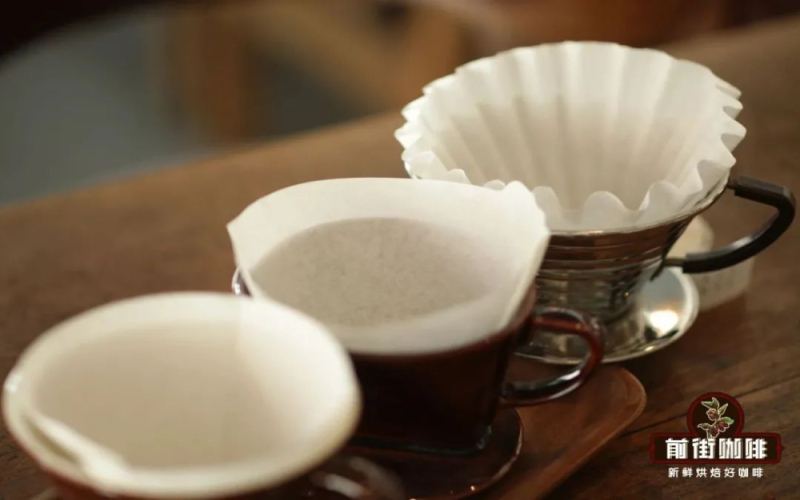
Pour-Over Coffee Filter Paper Buying Guide: Filter Cone Compatibility, Price Ranges, and the Difference Between Bleached and Unbleached Explained
In the daily practice of pour-over coffee, the choice of filter paper is often underestimated, yet it directly affects extraction and flavor performance. Faced with a bewildering array of filter paper products on the market, how do you choose the right shape based on the dripper you use? What are the differences in price and performance between filter papers of different materials and manufacturing processes? This article approaches the topic from the practical angle of dripper compatibility, systematically sorting out the correspondence between wedge-shaped, cone-shaped, and cake filter papers, while also answering the core question of how bleached filter paper differs from natural wood filter paper, with price references included. Whether you are a beginner just starting out or an advanced player looking to fine-tune your brewing details, you will find clear guidance for making a purchase. The article also incorporates insights from the practical experience of Front Street Coffee to offer specific recommendations. [more…]
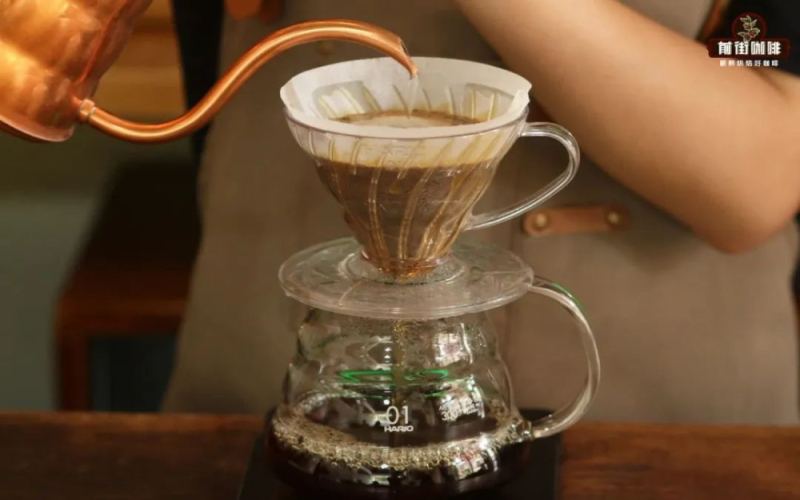
Pouring Differences Between Conical, Fan-Shaped, and Flat-Bottom Drippers: A Full Breakdown of V60, Kalita, and Wave Pouring Patterns
One of the joys of pour-over coffee lies in the extraction differences that different drippers bring. Front Street Coffee often receives questions from beginners: Do you also need to draw circles with a fan-shaped dripper? What should you pay attention to when pouring water with a flat-bottom dripper? This article takes three representative drippers—V60, Kalita, and Wave—as examples, starting from the coffee bed structure, explaining one by one the specific routes for circular pouring, and includes solutions for when the water flow is unstable. Whether you are just getting into pour-over or want to advance your understanding of how drippers and pouring techniques pair together, you will find practical reference here. [more…]
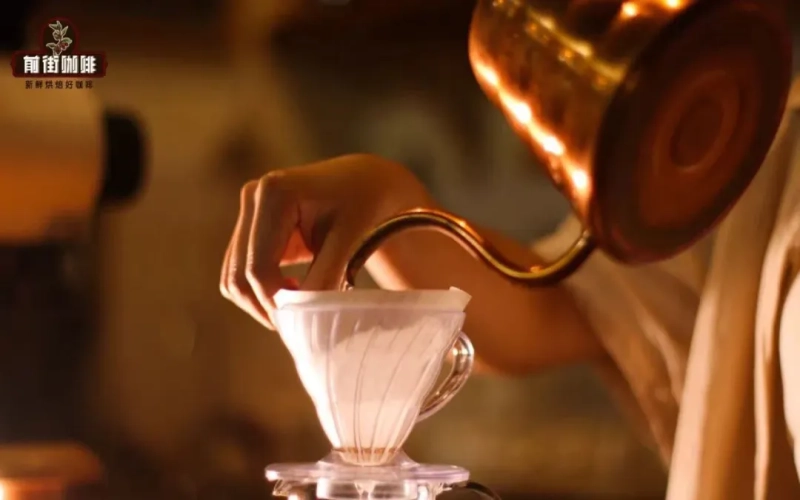
A Detailed Guide to Pour-Over Coffee Filter Folding: How to Correctly Fold Cone Filters, Key Paper Selection Tips, and a V60 Dripper Compatibility Guide
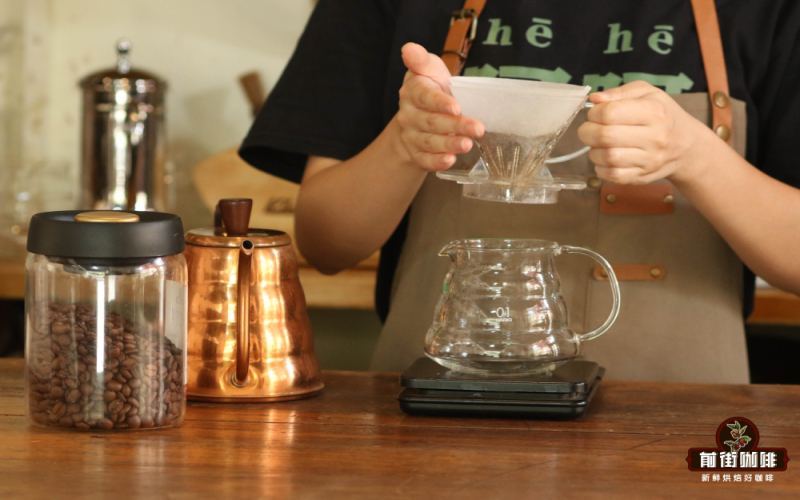
In pour-over coffee, how well the filter paper fits the dripper directly affects the extraction, and one detail many people overlook is how the filter paper is folded. Front Street Coffee has previously shared the tip of "pressing down on the filter paper to improve the fit," but some customers have reported that even after using this method, the filter paper still cannot fully fit the dripper. After an on-site investigation, the root of the problem turned out to be that the filter paper had not been folded correctly. This article will demonstrate in detail the correct folding steps for a cone-shaped filter paper, explain the relationship between filter paper folding and dripper fit, and also address common questions such as whether a V60 dripper requires cone-shaped filter paper and how to choose a suitable filter paper in daily use, helping coffee enthusiasts start from this small detail to improve the consistency of their pour-over brewing. [more…]
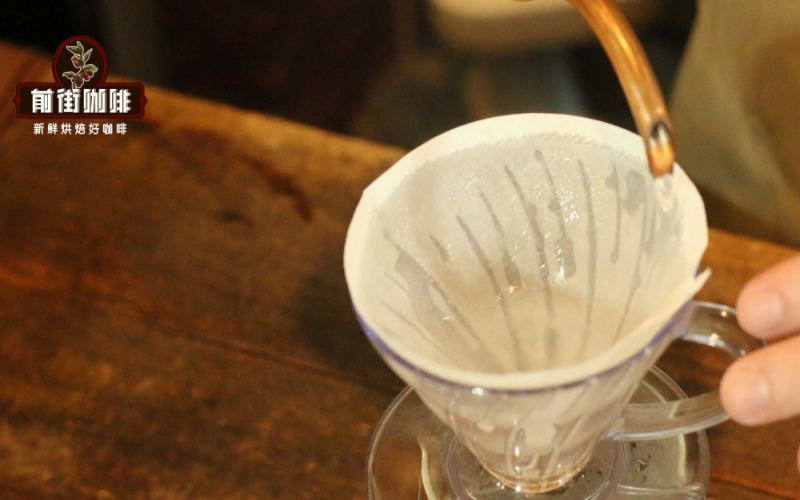
How to Choose and Use Coffee Filters? A Complete Guide to Bleached vs. Unbleached, Cone Filter Parameters, and Three Brewing Methods
Brewing coffee at home—paper filters, metal filters, or cloth filters: how exactly should you choose? This article starts with the difference between bleached and unbleached paper filters, explains why you should rinse your paper filter, and lists the weight and feel of several common cone-shaped paper filters for reference. It also compares metal filters, flannel cloth filters, and drip coffee bags by their pros and cons. Whether you're after a clean, crisp cup or want to keep more of the coffee oils and original flavors, you'll find the right filtration solution for you here, and avoid detours when shopping. [more…]
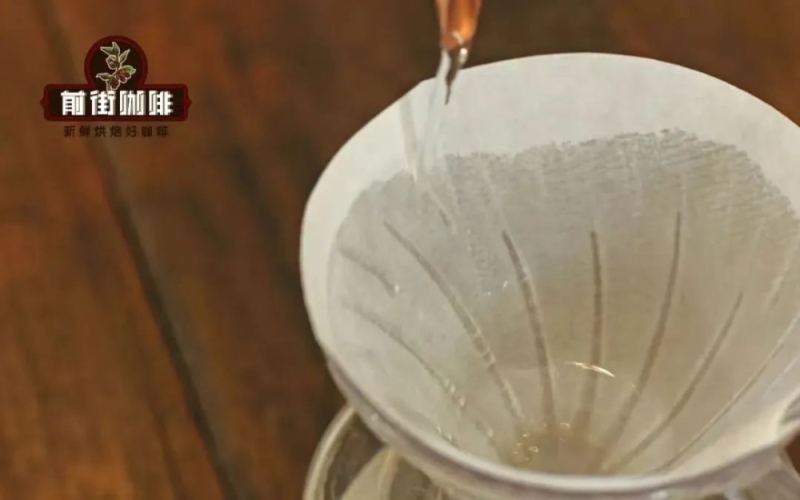
Should You Wet the Filter Paper for Pour-Over Coffee? An Experiment Reveals the Answer from Three Dimensions: Liquid Volume, Concentration, and Taste
When brewing pour-over coffee, should the paper filter really be pre-wetted? This question seems minor, yet it can affect the final liquid volume, concentration, and flavor expression. This time, Front Street Coffee used two drippers, the V60 and Origami, along with two types of filters, conical and cake, to conduct comparative brews with wetted and non-wetted filters, comparing the differences one by one from liquid weight and refractometer data to actual tasting. At the same time, the article also explains in depth why the blooming stage should use twice the amount of water as the coffee grounds, and why the portion of liquid that first contacts the coffee grounds has a lower concentration. If you have also agonized over this detail, you may as well follow the experimental data and see it clearly. [more…]

Beginner's Guide to Making Coffee at Home: Choosing Your First Pour-Over Setup and Practical Tips to Avoid Pitfalls
Specialty coffee is becoming more and more popular, and many friends who are just getting into coffee have begun to toy with the idea of brewing at home. Yet faced with a dazzling array of equipment, how to avoid wasting money and choose gear that truly suits you has become a problem for many beginners. Starting from the importance of coffee bean freshness and fresh grinding, this article goes through the key points for choosing a grinder, dripper, gooseneck kettle, filter paper, server, and digital scale one by one, and includes practical advice from Front Street. Whether you are just starting out or preparing to upgrade your equipment, this guide can help you clarify your thinking, avoid common pitfalls, and build a stable, easy-to-use pour-over setup on a reasonable budget. [more…]
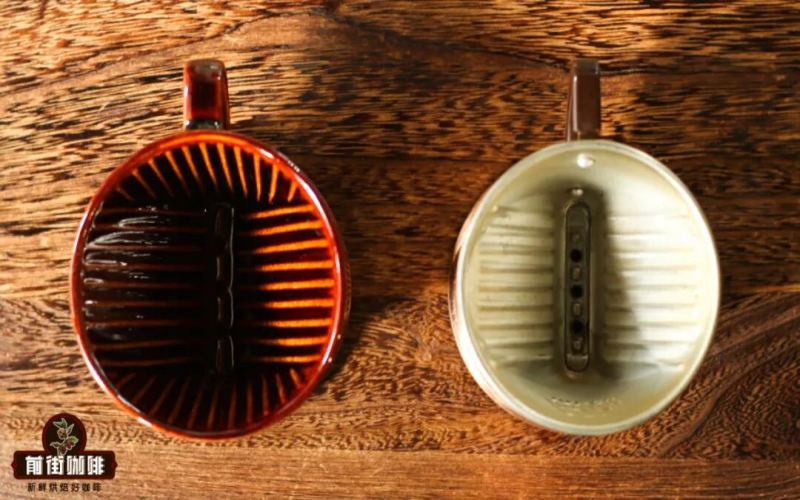
Coffee Dripper | Why Do Cafés Rarely Brew Coffee with Fan-Shaped Drippers? What Extraction Advantages Do Trapezoid Drippers Have, and Which Coffee Beans Are They Suitable For?
Have you ever noticed that, aside from some large chain brands, we hardly ever see trapezoid drip cups in coffee shops? Compared to trapezoid drip cups, cone-shaped and flat-bottom/cake drip cups appear much, much more frequently. So quite a few friends are curious: why do drip cups that use trapezoid [more…]
Which dripper should a pour-over beginner choose? A comprehensive comparison of the pros and cons of flat-bottom cake drippers and V60 conical drippers
For friends who are just getting into pour-over coffee and aren't yet skilled at pouring techniques, choosing the right dripper is often more crucial than honing your skills. Front Street Coffee believes that compared to the V60 conical dripper, which is touted as a "jack of all trades," the cake dripper (also called a flat-bottom dripper) demands less pouring expertise and makes it easier to brew a sweet cup. This article starts with the origin of the cake dripper's name and the extraction principles of its flat-bottom structure, analyzes why it is beginner-friendly and why its sweetness stands out, compares the pros and cons of conical drippers, helps enthusiasts understand the characteristics of different drippers, and includes Front Street Coffee's bean recommendations suited to flat-bottom drippers. [more…]
The Correct Way to Use Coffee Filters and Folding Tips: How Do You Fold Fan-Shaped Filters? How Do You Fix Non-Woven Filters That Don't Fit the Dripper?
In pour-over coffee, the filter paper may seem inconspicuous, yet it directly affects extraction results and flavor performance. This article centers on the usage methods and common issues of filter paper, covering the folding techniques for cone-shaped filters, solutions for non-woven filter paper not fitting the dripper, and details to note in daily use. Whether you prefer unbleached, bleached, or non-woven materials, you can find practical advice here. The article also incorporates Front Street Coffee's brewing experience to help enthusiasts select, fold, and use filter paper more efficiently, making every cup of pour-over more stable and cleaner. [more…]

How to Make a Pour-Over Coffee Filter Fit the V60 Perfectly? A Practical Method for a 95% Fit Rate
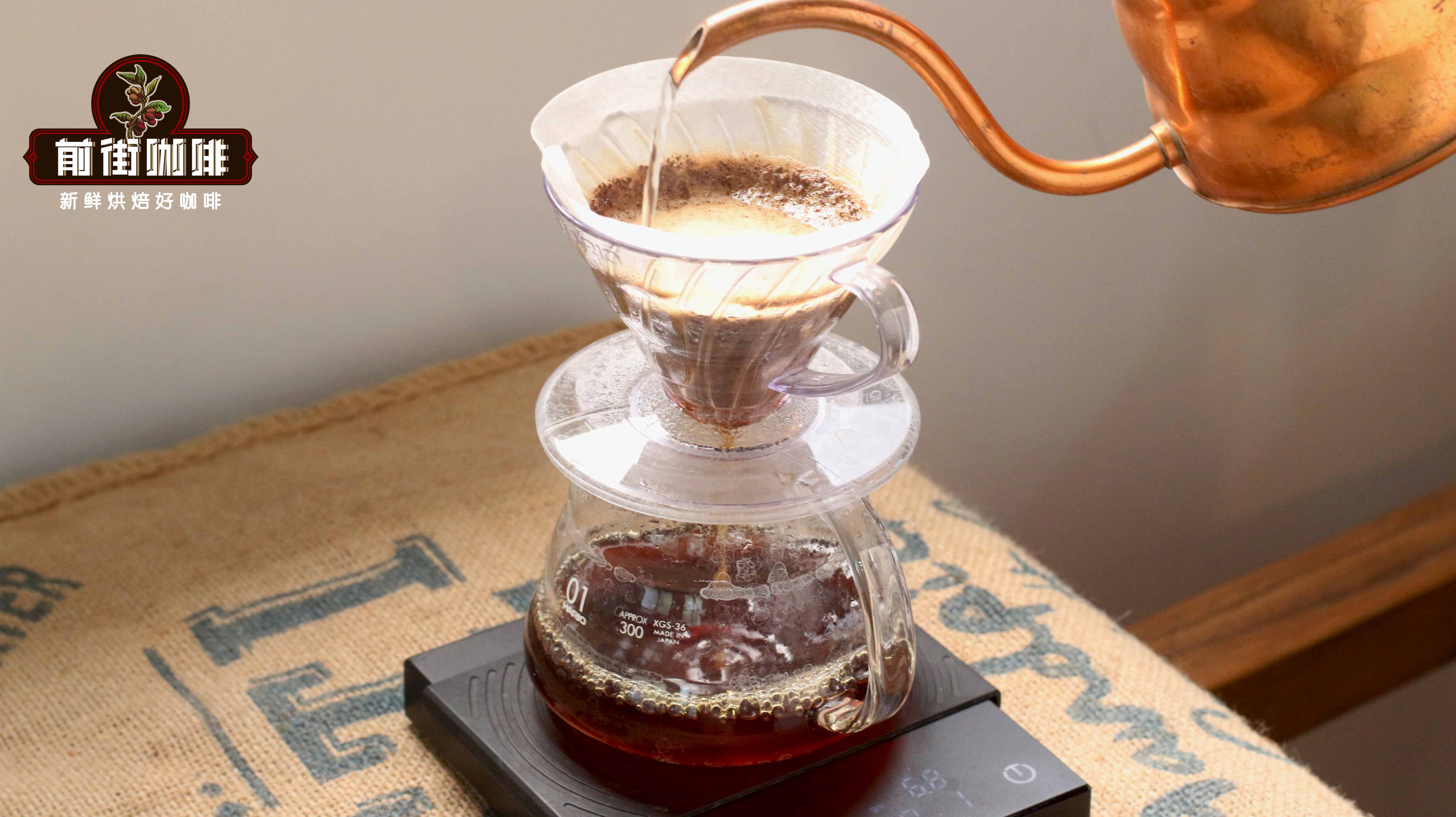
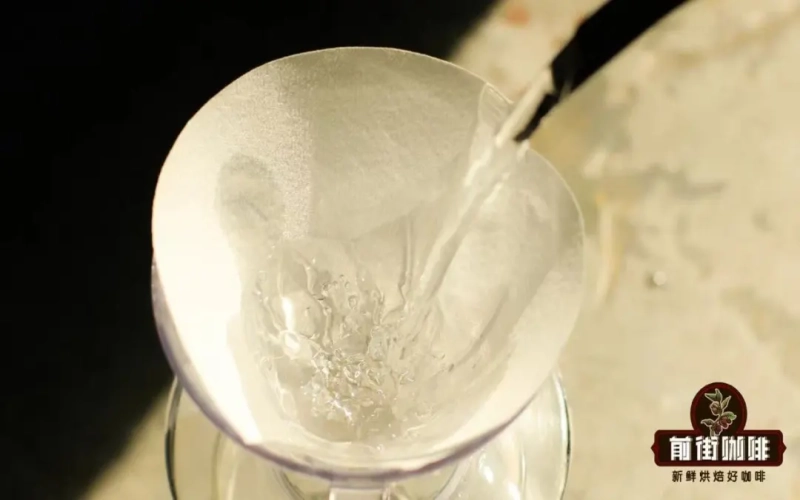
In pour-over coffee, whether the filter paper needs to be pre-wetted has always been a matter of two approaches. Not wetting the filter paper can prevent the coffee grounds from contacting the paper too early and affecting extraction, while wetting the filter paper can wash away the papery off-flavors and dust. But for the V60 dripper with its large guide ribs, how well the filter paper fits is especially critical—Front Street Coffee's experiments show that poor fit noticeably slows the flow rate and brings negative flavors. Based on an analysis of the importance of fit, this article shares a simple and easy method that, using only finger pressure and the force of the water stream, can make the filter paper in a conical dripper fit at a rate as high as 95%. [more…]
A Complete Guide to Pour-Over Coffee Starter Equipment: From Grinders to Drippers – Buying Advice and Brand Recommendations
To brew a delicious pour-over coffee at home, having the right set of equipment is essential. Faced with the overwhelming variety of choices on the market, many beginners often feel at a loss. In fact, as long as you understand the function of each tool and the key points for selecting them, getting started is not as complicated as you might imagine. This article systematically covers the core equipment needed for pour-over coffee, including the grinder, filter paper, gooseneck kettle, dripper, server, and auxiliary tools, and explains in detail how different materials and shapes affect coffee flavor. Whether you are a beginner just getting into pour-over or an enthusiast looking to upgrade your gear, you will find practical purchasing guidance here. [more…]
Analysis of the KONO dripper's design principles and brewing characteristics: How the short-rib structure affects extraction flavor and recommended coffee beans
As a well-known Japanese coffee equipment brand, KONO's cone-shaped dripper occupies an important position in the pour-over coffee world thanks to its unique short-rib design. Starting from the historical origins of the KONO dripper, this article takes a deep dive into how its rib structure slows the flow rate and extends the steeping time by limiting the space for air to escape, thereby improving extraction balance and body. At the same time, in response to the brewing needs of medium-to-dark roasted coffee beans, it shares the real-world parameters used at Front Street Coffee stores, including grind size, water temperature, coffee-to-water ratio, and a three-pour pouring scheme, and recommends a number of classic beans that pair well with this dripper, helping coffee enthusiasts fully master the logic of using the KONO dripper. [more…]
How to Choose a Pour-Over Dripper? From Ribs and Material to Appearance, Understanding the Pros and Cons of Every Type in One Article
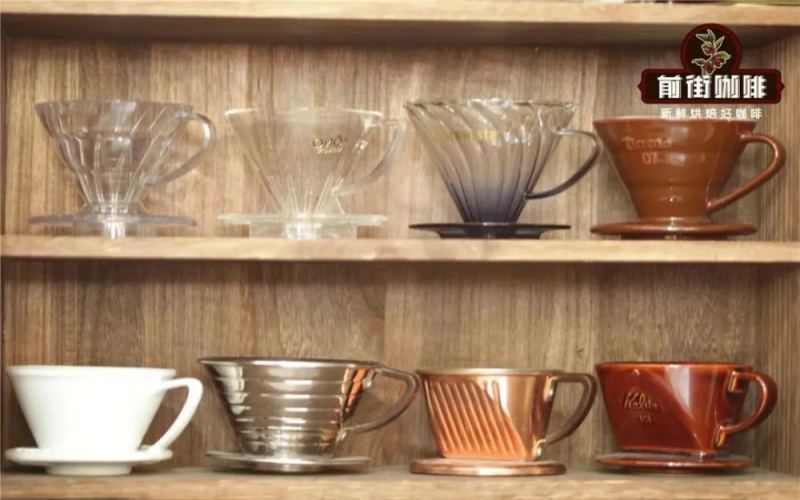
Choosing a handy dripper is the first hurdle for pour-over beginners. The market is flooded with all kinds of drippers, from the classic V60 to oddly shaped strawberry and diamond drippers—what exactly are the differences between them? This article starts with the structural design of the flow channels, explaining how spiral ribs, vertical ribs, and concave flow grooves affect water flow speed, then compares the real-world performance of materials like resin, glass, ceramic, and metal, and finally discusses the involution trend in dripper appearance design. Drawing on years of brewing experience, Front Street Coffee offers functionality-first purchasing advice to help coffee lovers find the dripper that best matches their own brewing style. [more…]
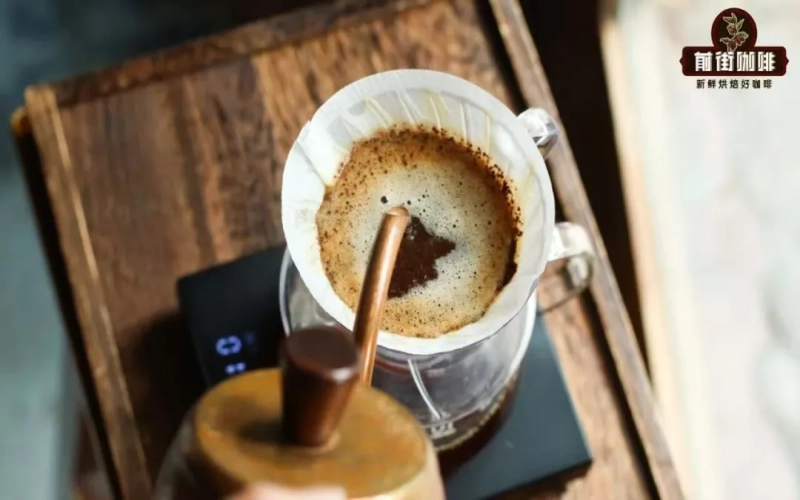
Pour-Over Coffee Dripper Buying Guide: A Full Breakdown of Bed Structure, Flow Rate, and Material, Plus Front Street Recommendations
Faced with a dazzling array of pour-over drippers, many coffee lovers often don't know where to start. In fact, the differences between drippers mainly come down to three aspects: the bed structure, the flow rate, and the material choice. The bed structure determines the evenness of extraction and the layering of flavors—cone-shaped, flat-bottomed, and wedge-shaped each have their own characteristics; the flow rate is affected by the rib design and the size of the outlet, with fast and slow rates leading to completely different flavor profiles; the material affects heat retention and price. Once you understand these differences, you can make a choice based on your personal taste preferences. Front Street Coffee will provide specific buying recommendations at the end of this article—just follow them and you can easily get started. [more…]
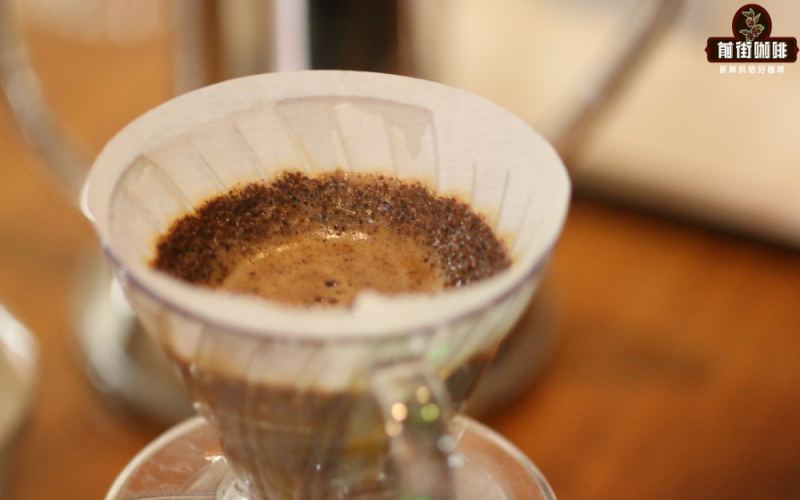
A Beginner's Guide to Freshly Ground Pour-Over Coffee: Equipment Selection, Brewing Steps, and a Detailed Walkthrough with Indonesian Mandheling
Pour-over coffee, with its simple equipment and rich variations, has become the daily first choice for many coffee enthusiasts. Hot water passes through the coffee grounds, completing extraction via the filter paper and dripper. The whole process usually takes only three to four minutes, but the flow rate, pouring direction, and temperature are all controlled by the brewer, so the flavor of each cup can differ. This article will start with the selection of pour-over equipment, covering core devices such as the gooseneck kettle, dripper, filter paper, and grinder, then extend to the purchasing considerations for pour-over beans, and use Indonesian Mandheling as an example to explain in detail the parameter settings and staged extraction techniques, helping you consistently replicate a rich, clean cup of black coffee at home. [more…]
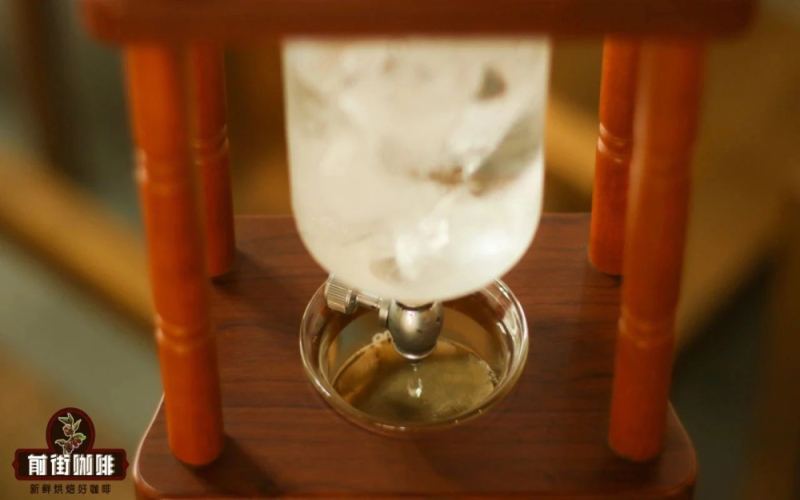
Make Cold Drip Coffee Without a Cold Drip Tower: A Simple Two-Dripper Method and Single-Origin Bean Selection Guide
Entering May, temperatures climb, and cold drip coffee becomes the top choice for beating the heat. However, professional cold drip towers are not cheap, yet are used infrequently, leaving many enthusiasts hesitant. This article will introduce a practical method for making 1-2 servings of cold drip coffee using just two drippers, with no additional equipment needed. At the same time, it will explain the principles of low-temperature extraction, flavor characteristics, detailed steps, and coffee beans suitable for cold drip. Front Street Coffee (FrontStreet Coffee) uses Panama Hartmann Estate red wine process coffee beans as an example to fully demonstrate the entire process from wetting the filter paper to resting and maturation, and shares the final flavor performance, providing coffee lovers with a reproducible home cold drip solution. [more…]