







Search Results for: cold extraction coffee
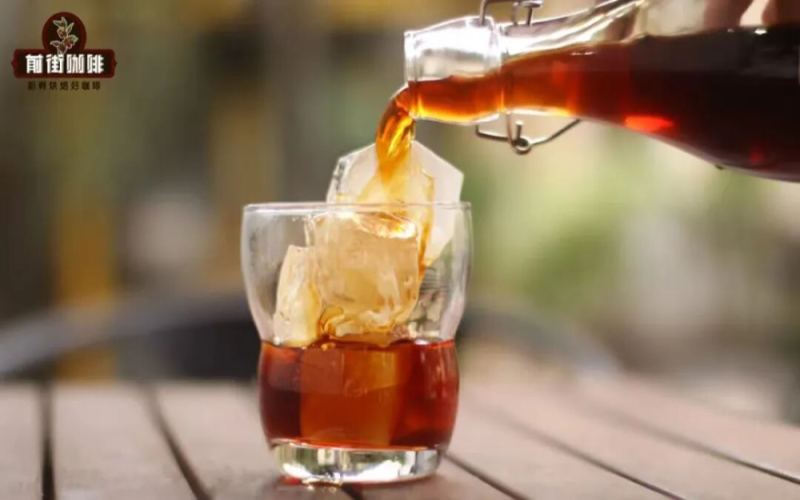
Cold Brew Coffee | How to Make Super Sweet Cold Brew Coffee in a Short Time? What Is the Flavor Difference Between Pressure Cold Brew and Immersion Cold Brew?
Cold brew coffee, put simply, is coffee extracted with cold water. Because it is very easy to make and has outstanding flavor and mouthfeel, cold brew coffee has always been a favorite that most people keep on hand at home. But cold brew coffee is not without its drawbacks; for example, the long time required to make it is [more…]
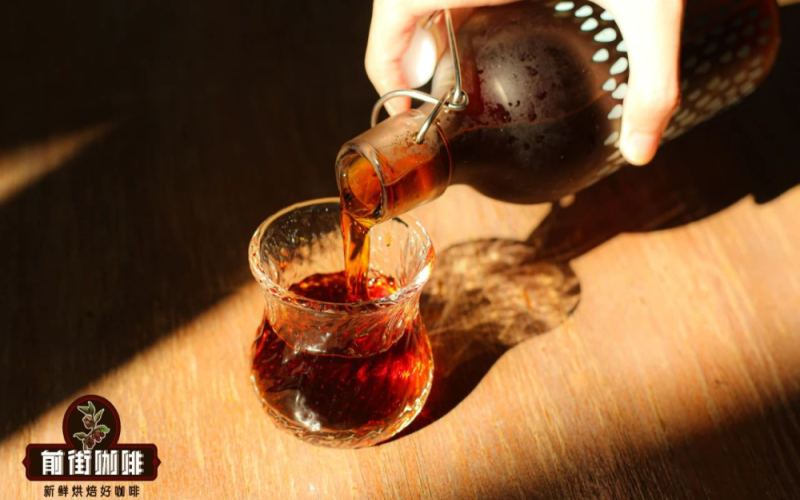
Cold brew coffee grounds-to-water ratio | What are the flavor characteristics of cold brew coffee? What kind of water should be used to brew cold brew coffee grounds? What grind size is suitable for making cold brew coffee?
When summer arrives, the internet-famous iced coffee comes to mind. Indeed, in this scorching summer, a glass of iced coffee instantly makes you feel refreshed. Today, Front Street Coffee is going to talk about one such iced coffee: cold brew coffee. Cold brew coffee has become a favorite among office workers. Why is that? Front Street Coffee believes that cold brew coffee [more…]
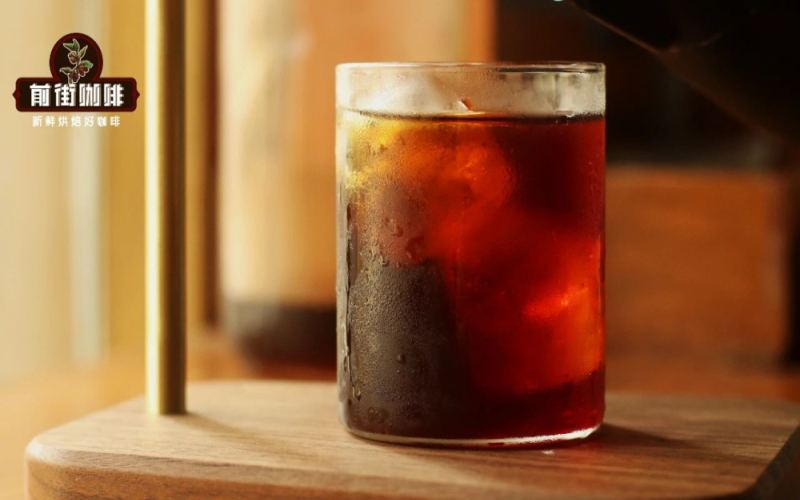
What Does Cold Brew Coffee Mean? Low-Temperature Extraction Principles, Yirgacheffe Cold Brew Method, and Practical Tips
Cold brew coffee has become increasingly popular in recent years. It involves steeping coffee grounds in cold or ice water for an extended period, resulting in a purer, gentler extracted flavor. From the perspective of Front Street Coffee, this article introduces the definition and origins of cold brew coffee, its differences from ice drip coffee, and specific parameters for making cold brew at home. The article also uses Yirgacheffe as an example to explain how to choose coffee beans suitable for cold brew, and provides practical suggestions on grind size, coffee-to-water ratio, and extraction time, helping coffee enthusiasts easily make a smooth and sweet cup of cold brew at home. [more…]
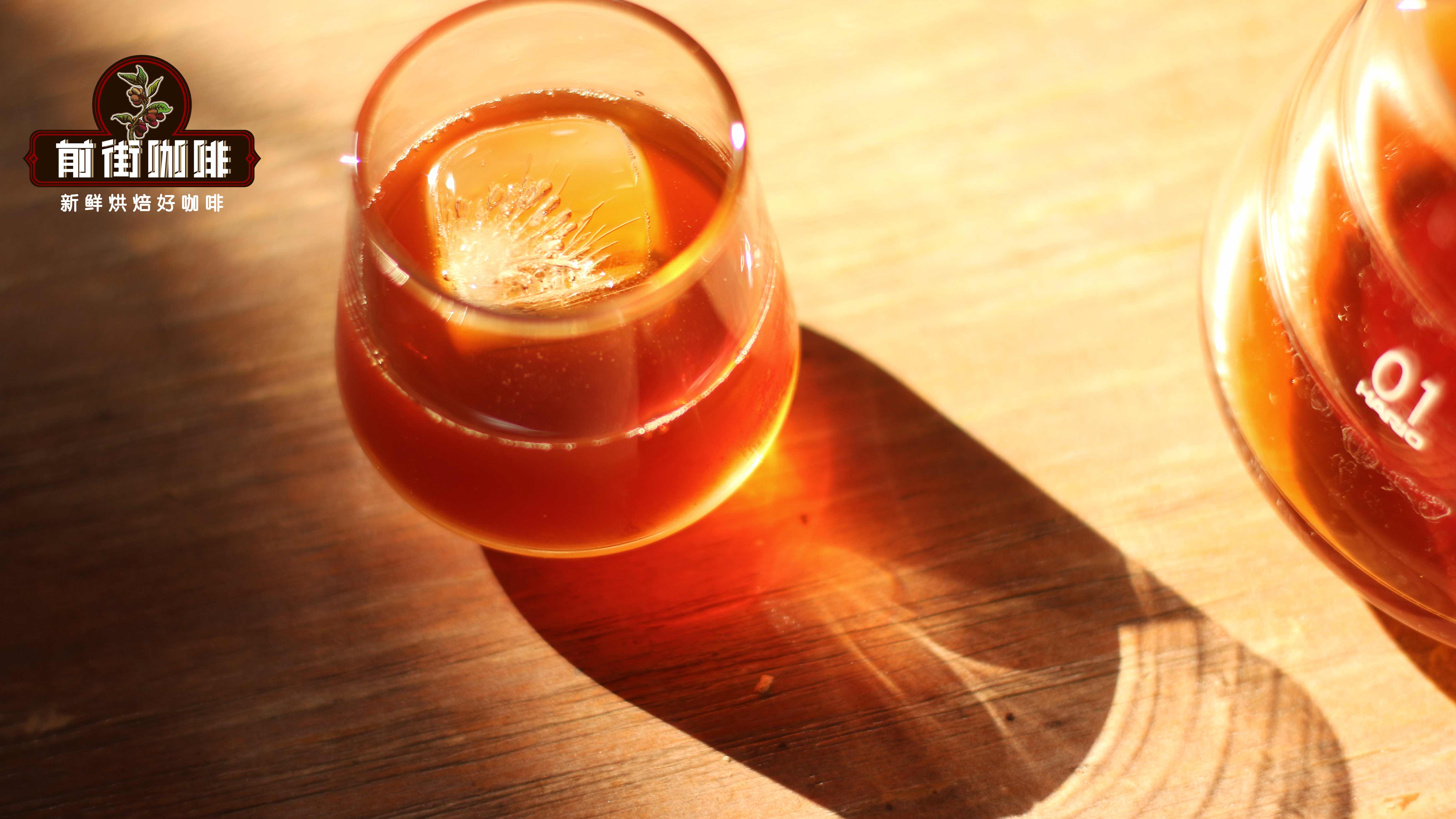
The Complete Guide to Cold Extraction Coffee: Extraction Methods, Parameter Differences, and Flavor Comparison Between Ice Drip and Cold Brew
Neither ice drip coffee nor cold brew coffee relies on high-temperature hot water; instead, they complete extraction entirely with low-temperature water, and therefore take far longer than iced Americano or iced pour-over. Many coffee enthusiasts want to try making these two kinds of coffee at home, but without understanding their extraction principles and operational differences, it is difficult to produce the ideal flavor. Starting from Front Street Coffee's practice, this article first explains the basic principles of low-temperature extraction, then explains the suitable grind size, and next separately breaks down the specific parameters of time and coffee-to-water ratio for ice drip's drip-style extraction and cold brew's immersion-style extraction, and finally uses the same Front Street Ethiopia Yirgacheffe Natural Red Cherry coffee beans for comparison, presenting the differences in mouthfeel and flavor brought by the two methods, to help you find a brewing solution that suits you. [more…]
How to Speed Up Cold Brew Extraction? Can an Espresso Machine Make Cold Brew? Cold Brew Coffee Shelf Life Explained
Cold brew coffee typically requires a steeping time of more than 8 hours, followed by a period of maturation to reveal its full flavor. But many coffee enthusiasts want to shorten the waiting time, so some bloggers have shared a method for "making high-sweetness cold brew in one minute"—using a hand press or espresso machine to extract with cold water at 9 bar of pressure. Front Street Coffee has also experimented with ice-water extraction, and the result was a cup of cold brew that looked decent in just a few minutes, but tasted like little more than coffee-flavored water, with a mouthfeel and strength far inferior to the long-steeped version. This article analyzes in detail the principles and limitations of rapid cold brew, explains why flavor compounds cannot be fully dissolved at low temperatures even under pressure, and offers a more feasible way to shorten the time: appropriately raising the initial steeping water temperature. It also answers common questions such as how long cold brew coffee can be stored. [more…]

Can You Make Cold Brew with Hot or Warm Water? Flavor Comparison Experiment of Quick-Extracted Cold Brew Coffee at Different Water Temperatures
Cold brew coffee usually requires 8 to 12 hours of low-temperature slow extraction, but what if you want to drink it the same day? Raising the water temperature can speed up extraction, but if you use hot water directly, it becomes hot brew, and the floral and fruity aromas and low bitterness unique to cold brew will also disappear. Front Street compared three methods through experiments: conventional 23°C cold water extraction for 10 hours, 40°C warm water extraction for 4 hours, and 92°C hot water blooming followed by room-temperature water extraction for 4 hours. The beans used were Colombia · Hanami, with full berry acidity, floral notes, and pink pepper flavors. The results showed that the 40°C warm water rapid cold brew was closest to the performance of conventional cold brew, with both a fermented feel and clearly presented flavors, making it suitable for friends who want to drink cold brew quickly. [more…]
What exactly is cold brew coffee? Can it only be served iced? A comprehensive analysis of cold brew flavor and key brewing points
Cold brew coffee has gained great popularity among coffee lovers in recent years, but what exactly is it? Does all cold coffee count as cold brew? This article will comprehensively answer common questions about cold brew coffee, from its definition, extraction principles, and flavor characteristics to grinding recommendations and coffee bean suggestions. Cold brew uses cold water below 5°C to steep coffee grounds for a long time, undergoing 8 to 12 hours of fermentation before being filtered, resulting in enhanced sweetness and smoothness and reduced acidity. The article will also clarify that cold brew is not limited to being served cold, and will share a variety of suitable bean lists from Front Street Coffee to help you easily make a full-bodied, delicious cold brew at home. [more…]
Cold Brew Coffee Powder-to-Water Ratio | What Grind Setting for Cold Brew Coffee Beans? What Are the Pros and Cons of Cold Brew? Introduction to Cold Brew Coffee Extraction Principles, Flavor Characteristics, and Water-to-Coffee Ratio
For more specialty coffee knowledge, please follow: Front Street Coffee (Frontsteet Coffee). Cold brew coffee is simple to make, refreshing in taste, low in acidity and rich in flavor, making it very suitable for drinking in the hot summer. Therefore, many people want to make it at home themselves, and so they ask Front Street Coffee for tips on how to extract it and what to pay attention to. [more…]
Cold Brew Coffee Water Temperature | What Is Cold Brew Iced Coffee? What Are the Differences Between Cold Brew and Ice Drip Coffee? Which Tastes Better, Ice Drip or Cold Brew?
In the hot summer, a glass of iced coffee is truly refreshing, but now that autumn has arrived, will iced coffee still be so popular? Front Street tells everyone: absolutely! Because although it's autumn, the temperature is still there, and the taste of iced coffee is still there. Friends who like this flavor still [more…]
Cold Brew, Ice Drip, Nitro Coffee, and Iced Americano: Process Differences, Flavor Comparison, and Home Methods for Four Types of Cold Coffee
Even though they are all iced coffees, cold brew, ice drip, nitro cold brew, and iced Americano actually differ greatly in their extraction methods and flavor profiles. Cold brew soaks coffee grounds in cold water for a long time, taking about 8 to 12 hours to complete, and has a mellow, sweet taste with lower acidity; ice drip, on the other hand, lets ice water pass through the coffee grounds drop by drop, followed by several hours to dozens of hours of refrigerated fermentation, resulting in a more delicate aroma. Nitro cold brew creates dense bubbles and a beer-like texture by injecting nitrogen. Iced Americano is made by cooling and diluting espresso after high-temperature extraction. This article will review the production processes, advantages and disadvantages, and market trends of these coffees, and include practical tips for making cold brew at home, while also retaining bean recommendations such as Front Street Indonesia Mandheling and Front Street Ethiopia Yirgacheffe. [more…]
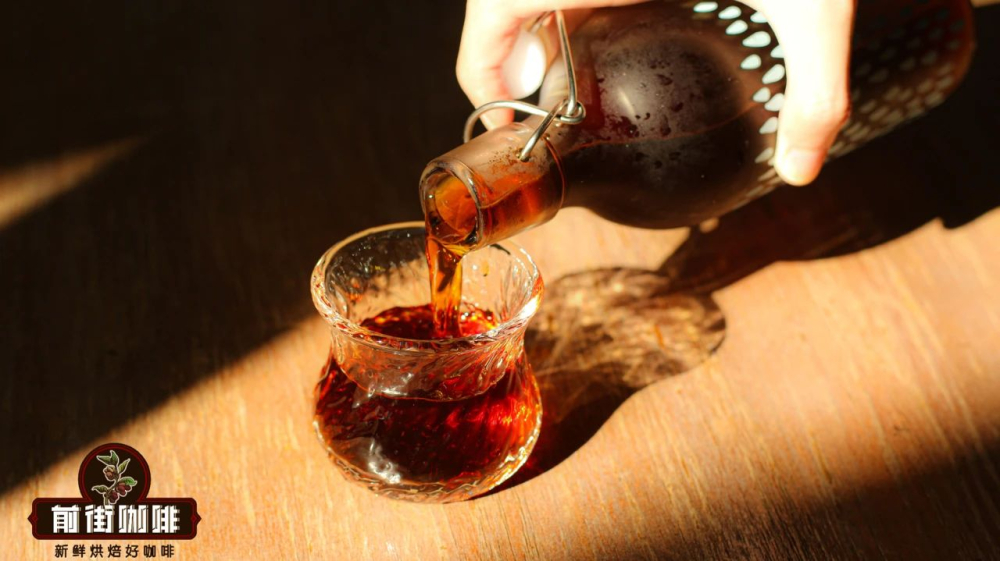
Iced Black Coffee Preparation | How to Make Iced Coffee with Freshly Roasted Coffee Beans? Introduction to Cold Brew Coffee Grind Size, Extraction, Coffee-to-Water Ratio, Taste, and Flavor Characteristics
In this scorching summer, a glass of iced coffee instantly refreshes you. Today Front Street wants to talk to you about cold brew coffee. Cold brew coffee has become a favorite among office workers. Why do we say that? Front Street believes that the reason cold brew coffee is so popular is mainly because it is very simple to make, compared with pour-over coffee. [more…]

Is It Okay to Heat Up Cold Brew Coffee? A Full Analysis of Cold Water Extraction Principles and the Differences Between Ice Drip and Cold Brew
As the weather turns cooler, cold brew coffee sales have clearly declined, and the cold brew at Front Street's stores has also hit a sales slump. Looking at the leftover cold brew in the fridge, a question comes to mind—can cold brew coffee actually be heated? Although Front Street has tried heating various coffees such as pour-over and lattes, it has never actually conducted an experiment on heating cold brew. This article will start from the definition of cold brew coffee, clarify the difference between ice drip and cold brew, explain the core logic of cold water extraction, and actually test the flavor performance of cold brew after heating, to answer this seemingly abstract yet very practical question for coffee enthusiasts. [more…]
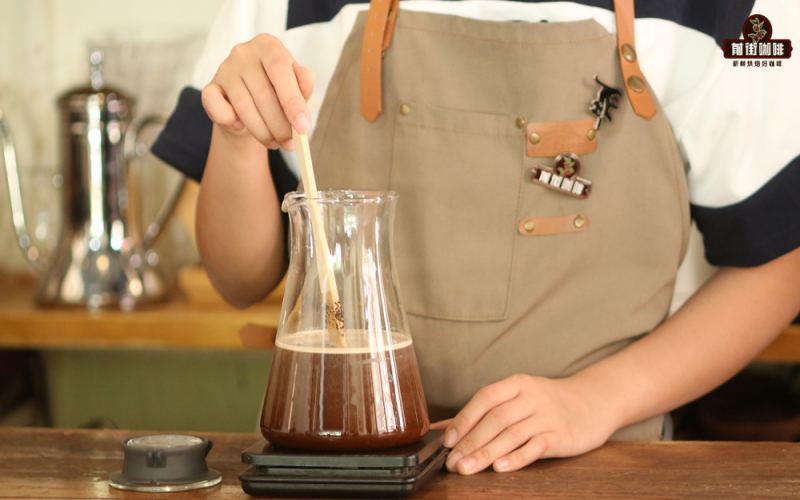
What Is the Difference Between Cold Brew Coffee and Ice Drip Coffee? A Full Guide to Low-Temperature Extraction Principles, Flavor Characteristics, and Brewing Methods
Cold brew coffee has swept across the United States in recent years. It is brewed with ice water or cold water, entirely at low temperatures, producing a clean cup that is low in acidity and bitterness, with a soft, sweet mouthfeel and fruity notes. Cold brew is strictly divided into the immersion style and the ice-drip style, but many people conflate the two. From the perspective of Front Street Coffee, this article sorts out the origins of cold brew coffee, the key points of water temperature and time, its differences from ice-drip coffee in extraction method and flavor layers, and recommendations for coffee beans suitable for making cold brew. Whether you prefer a rich, consistent cup or a bright, layered one, you can find the right one for you. [more…]
What Is Cold Brew Coffee? A Complete Guide to Low-Temperature Extraction, Cold Drip Differences, and Home Cold Brew Making
Cold brew coffee has gained increasing attention from coffee enthusiasts in recent years thanks to its smooth, delicate mouthfeel and low bitterness. But many people don't realize that "cold brew" is actually an umbrella term encompassing two methods: immersion-style cold brew and drip-style ice drip coffee. This article will start from the scientific principles of low-temperature extraction, trace the historical development of cold brew coffee from the Dutch maritime era to Japanese ice drip craftsmanship, analyze the differences in flavor and mouthfeel between cold brew and ice drip, and include Front Street Coffee's detailed home ice drip operating parameters and steps, finally recommending several coffee beans suitable for making cold brew, helping you easily craft a satisfying glass of icy coffee this summer. [more…]
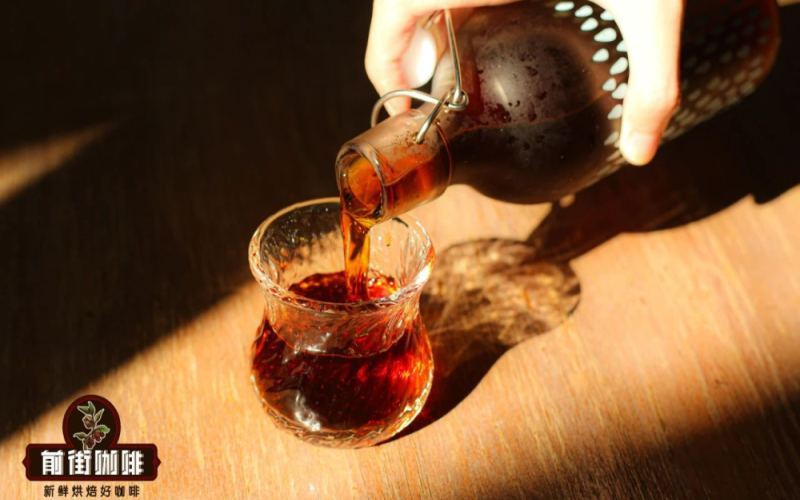
How to Make Delicious Cold Brew Coffee: A Full Breakdown of Grind Size, Coffee-to-Water Ratio, and Flavor Characteristics
In the height of summer, a glass of iced coffee always brings instant refreshment. Cold brew coffee, with its simple preparation and smooth taste, has become a favorite among many office workers. It requires no complicated techniques—just a bottle, a bag of beans, and a night of waiting, and the next day you can enjoy a rich, full-bodied iced coffee. So, what exactly is the difference between cold brew coffee and regular iced coffee? How fine should the grind be? What ratio of coffee to water is appropriate? And how should extraction temperature and time be managed? In this article, Front Street Coffee will systematically explain the brewing parameters, flavor characteristics, and storage methods of cold brew coffee, helping you easily make a delicious cup of cold brew. [more…]
Cold Brew Coffee Complete Guide: A Practical Guide from Coffee-to-Water Ratio and Grind Size to Extraction Time
On a scorching summer day, a refreshing glass of cold brew coffee always perks you right up. Compared with pour-over, cold brew has a much lower barrier to entry—just master a few key parameters like the coffee-to-water ratio, grind size, and steeping time, and you can easily make a rich, smooth iced coffee at home. In this article, Front Street Coffee will walk you through the complete cold brew process in detail, including how to choose the coffee-to-water ratio, how to control grind size, the relationship between water temperature and extraction time, and storage tips after filtering. We'll also analyze the flavor differences between cold brew and hot extraction to help you understand why cold brew tastes less acidic and astringent and feels smoother on the palate. Whether you're a beginner just getting into cold brew or a seasoned brewer looking to fine-tune your parameters, you'll find practical references here. [more…]
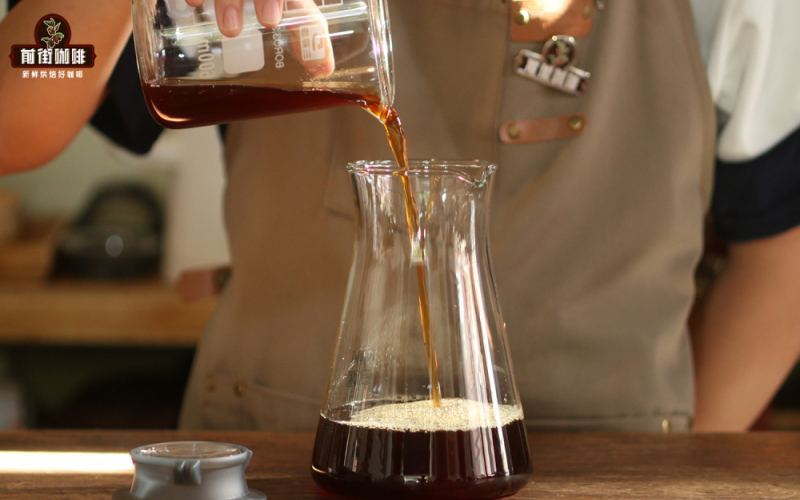
The Complete Guide to Cold Extraction Coffee: Cold Brew Principles, Handcrafting Tips, and Five Bean Recommendations for Cold Brewing
Making a refreshing, easy-drinking cold brew at home isn't complicated. This article centers on the core logic of low-temperature extraction, explains the difference between cold brew steeping and ice drip, analyzes why 4-10°C cold water brings acidity, sweetness, and body into better balance, and provides complete operational details from bean selection and grinding to coffee-to-water ratio and refrigeration time. It also rounds up the flavor profiles of five Front Street Coffee beans suited to cold brew, helping you reliably recreate a foolproof cold brew experience at home, along with storage and drinking suggestions. [more…]
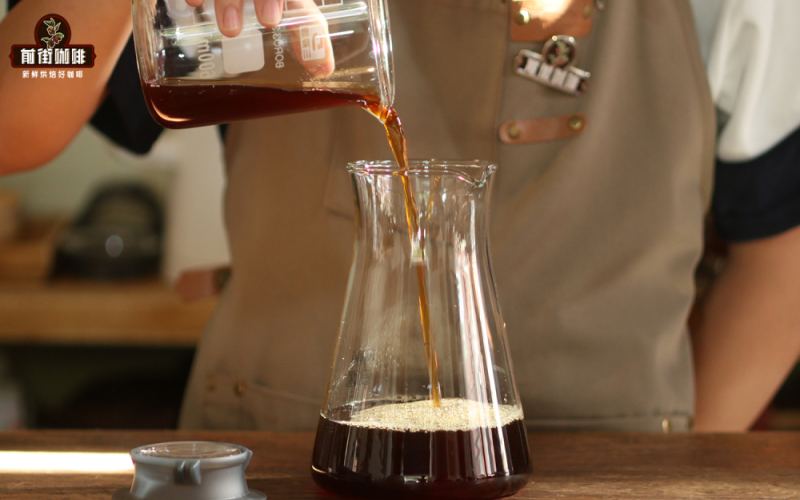
Cold Brew Coffee Water Temperature | Can Hot Water Be Used to Extract Coffee for Making Cold Brew? Which Types of Coffee Beans Are Suitable for Cold Brew Coffee?
Besides being extracted with hot water, coffee can also be made with cold water. Coffee made with cold water is called "cold brew coffee," and it has a distinct character compared to hot-brewed coffee. Cold brew coffee is divided into cold brew steeped coffee and ice drip coffee; cold brew steeped coffee is made by soaking coffee grounds in cold water, while ice drip coffee refers to the use of a drip filtration method. [more…]
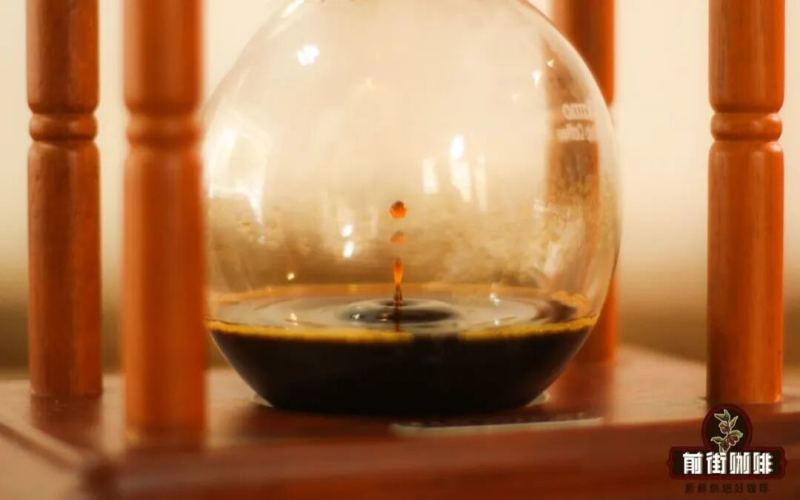
Drip Coffee | How long does it take to make cold brew coffee? What factors affect the brewing time of cold brew coffee?
"Do you have cold brew coffee?" "Yes, today's cold brew is..." "How did it get made so quickly?" "Due to time constraints, the cold brew is all made in advance and kept in the fridge." "So how long does it take to make a cup of cold brew coffee?" This is a conversation that occasionally happens at Front Street Coffee shops. Regarding cold brew coffee, besides the "price" [more…]
A Comprehensive Analysis of Cold Brew Coffee Ground Size, Flavor Characteristics, and Caffeine Content
Cold brew coffee, through its low-temperature, long-duration extraction process, presents a flavor profile completely different from hot brewing. This article will systematically explain the extraction principles of cold brew, how to manage grind size, how to adjust the water-to-coffee ratio, and where its mild sweet-and-sour, clean and smooth mouthfeel comes from. At the same time, using "Front Street · Washed Fruit Dingding" as an example, it shares the specific steps and flavor performance of making cold brew at home, and explains the rough estimation of cold brew caffeine content and the reasons why cold brew turns sour. Whether you are a beginner just starting out or an advanced enthusiast looking to adjust parameters, you can find practical references here. [more…]