








How Does Cold Brew Coffee Change Grind Size and Flavor?
Cold brew coffee is made by soaking ground beans in cold or ice water for at least 12 hours, then filtering the liquid out. Because the water stays cold, fewer bitter compounds and smoky aromas are pulled from the grounds, so the cup tastes softer, sweeter and lower in harsh acidity than hot-brewed coffee. Grind size and steeping time control how strong that extraction becomes.
A coarser grind and a longer soak, from 12 up to 24 or 48 hours, give a fuller body without the astringency that hot water at 82 to 95°C can bring out in under three minutes. The milder profile also means the acids in coffee register as gentle and fruity rather than sharp, and caffeine levels stay moderate because less total extraction occurs.
Cold brew coffee, through its low-temperature, long-extraction process, presents a flavor profile completely different from hot brewing. This article will systematically explain the extraction principles of cold brew, how to manage grind size, how to adjust the water-to-coffee ratio, and where its mild sweetness and acidity, clean and smooth mouthfeel come from. At the same time, using "Front Street · Washed Gudingding" as an example, it shares the specific steps and flavor performance of making cold brew at home, and explains the rough estimate of cold brew caffeine content and why cold brew turns sour. Whether you are a beginner just starting out or an advanced enthusiast looking to adjust parameters, you can find practical references here.
Cold Brew Coffee, namely cold-extracted coffee, is made by soaking ground coffee beans in cold water, usually for no less than 12 hours, and then completing extraction and filtration with specialized equipment. If you want a fuller body, the soaking time can be extended to 24 to 48 hours. Broadly speaking, any process that extracts coffee at low temperature can be classified as cold brew. Low extraction temperature and long duration are precisely the two notable markers that distinguish cold brew coffee from other methods.
The Extraction Principles of Cold Brew Coffee
The method of cold brew is to combine coffee grounds and ice water in a specific ratio, then obtain coffee liquid through slow extraction. Coffee made this way has relatively weaker sourness and astringency—the low-temperature environment plus prolonged contact with the coffee grounds allows smaller-molecule flavor substances to be released, such as floral and fruity notes; while larger-molecule flavor components, like smoky aromas, are not easily extracted.

What Are the Flavor Characteristics of Cold Brew Coffee?
Low-temperature extraction and long-duration extraction are both two major characteristics of cold brew and the main distinctions between it and high-temperature extracted coffee. High-temperature extraction relies on brewing coffee beans with hot water, with water temperature falling between 82 and 95°C, and the time usually not exceeding 3 minutes.
Cold brew itself can better showcase coffee's delicate flavor layers. Its acidity is soft, it carries sweetness, the mouthfeel is bright, and the taste is mellow, capable of expressing the terroir characteristics of specialty coffee producing regions. For this reason, most beans used for pour-over are also suitable for making cold brew. However, to avoid overly prominent bitterness, it is recommended to prioritize light to medium roast beans, such as Front Street · Washed Gudingding, Front Street · Sun-Dried Huakui, and Front Street · Strawberry Candy, all of which are very suitable for beginners to try cold brew at home.
Cold Brew Water-to-Coffee Ratio
Front Street believes that the suitable water-to-coffee ratio for cold brew is about 1:10 to 1:16, and it can be adjusted according to personal preference for strength. Generally, cold brew uses a 1:15 ratio, which gives a more moderate taste; if you prefer a rich mouthfeel, you can also try 1:10.
Cold Brew Grind Size
The finer the coffee is ground, the more substances water can extract in the same amount of time; but if the grind is too fine, over-extraction is likely during the extraction process. Since cold brew is low-temperature, long-duration extraction, it is recommended that the grind size be slightly coarser than beans used for pour-over.
[Front Street · Yirgacheffe Washed Gudingding]
Yirgacheffe Gudingding
Country: Ethiopia
Region: Yirgacheffe Gedeo Zone
Altitude: 1900-2300m
Variety: Heirloom
Processing Method: Washed Grade: G1
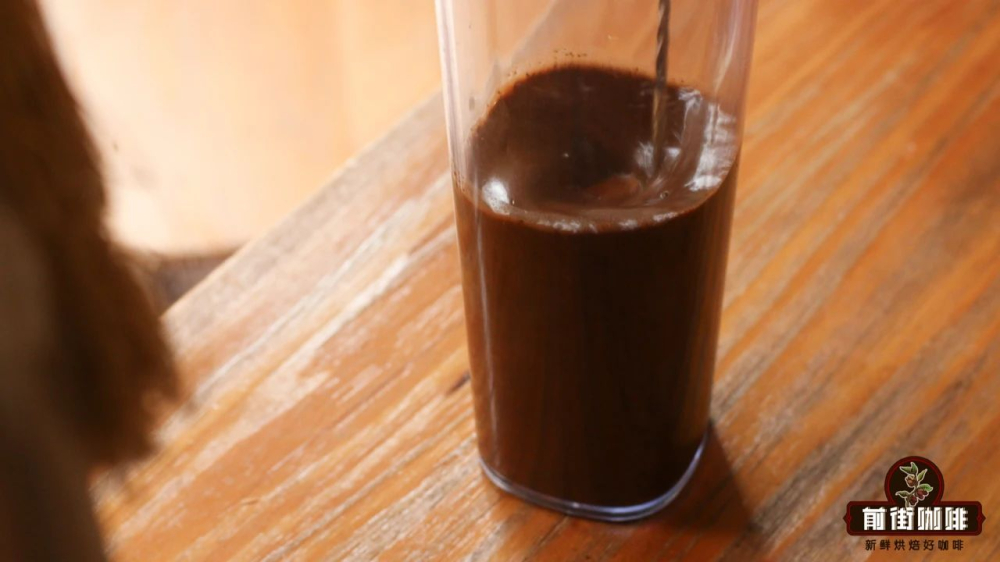
[Front Street · Washed Gudingding Cold Brew Preparation Method]
Coffee dose: 20 grams
Water-to-coffee ratio: 1:12
Grind size: coarse grind (slightly coarser than normal pour-over grind to avoid over-extraction)
Soaking time: 8–10 hours
① First grind the coffee and pour it into a jar, then add 240ml of water.
② Place it in the refrigerator to extract for 13 hours, allowing the coffee grounds to fully contact the cold water.
③ Filter out the coffee liquid with a filter cloth or filter paper.
[Front Street · Washed Gudingding Cold Brew Coffee Flavor Description]
Floral, citrus, berry. After continuing to refrigerate for 5 hours, the berry aroma becomes more prominent, and on entry it is a refreshing citrus profile, lightly sweet, with a clean mouthfeel.
[Advantages and Disadvantages of Cold Brew Coffee]
Advantages: The cold brew method can amplify coffee's flavor and aroma while reducing acidity, and the colder it is, the better it tastes. Because it is not brewed with hot water, the low-temperature ice water does not bring out impurities and bitterness from the coffee beans, so the mouthfeel is clean and pure, fresh, slightly sweet, and smooth.
Disadvantages: Because water and coffee grounds are in contact for a long time, the caffeine content is also the highest, making it very suitable for drinking when you need to stay highly alert. Roughly estimated, a cup of cold brew coffee (200ml/20g beans) contains about 200mg of caffeine;
Does cold brew coffee turn sour? Yes. During the hot brewing process, the oils and acids in coffee beans degrade and oxidize faster than with cold water, which increases the coffee's acidity and bitterness. Cold brewing, relying on low temperature and a longer time, captures more sweet compounds soluble in cold water while avoiding oils and acids.
The above content is compiled by CoffeeHunters, a coffee news website.


