







How Does Cold Extraction Change Coffee Aroma?
Cold brew coffee is made only with room-temperature or ice water, never hot water. Soaking grounds in 4-10°C water for hours extracts sugars and organic acids more fully while keeping bitter compounds locked away, so the cup tastes smoother and more balanced. Cold brew and ice drip are the two main styles, and both depend on low-temperature extraction.
Light or medium roasts work well for cold brewing because they tolerate timing and ratio errors. Grind size, powder-to-water ratio, and refrigeration time all shape the final coffee aroma and body. Front Street Coffee lists five beans suited to cold brewing, with storage and drinking tips.
Making refreshing and smooth cold brew coffee at home is actually not complicated. This article revolves around the core logic of low-temperature extraction, explains the differences between cold brew and ice drip, analyzes why 4-10°C cold water can make acidity, sweetness, and body more balanced, and provides complete operational details from bean selection, grinding, to powder-to-water ratio and refrigeration time. It also organizes the flavor directions of five Front Street Coffee beans suitable for cold brew, helping you stably replicate a foolproof cold brew experience at home, and includes storage and drinking suggestions.
For more specialty coffee knowledge sharing, please follow the WeChat public account: Front Street Coffee (FrontStreet Coffee)
Friends familiar with Front Street content should know that coffee cannot only be extracted with hot water; cold water can also complete the process. Coffee made mainly with cold water as the extraction medium is called "cold brew coffee," and its flavor performance is clearly different from hot brewing methods.
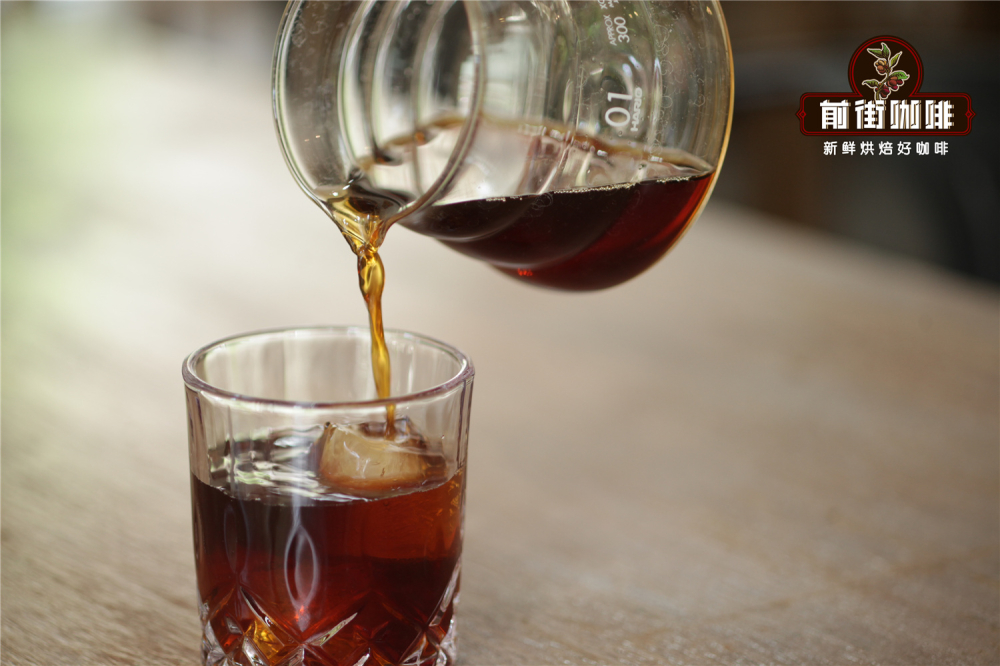
Cold brew coffee is usually divided into two types: cold brew and ice drip. The cold brew method is to soak coffee grounds directly in cold water, while ice drip allows water to drip little by little through the coffee grounds layer to complete extraction. Someone asked Front Street: "Can cold brew coffee be made with hot water?" It needs to be clear that once hot water is used, the final product is no longer cold brew coffee. Cold brew can only use room-temperature water or ice water, and the entire soaking process must be maintained in a low-temperature environment.
Because it only contacts 4-10°C low-temperature cold water throughout, the extraction efficiency is very low, and bitter macromolecules are not easily released. Long-term low-temperature soaking allows compounds such as sugars and organic acids to be extracted more fully, so the acidity, sweetness, and body in the coffee are more balanced.
So how should cold brew coffee be made to taste good? Here Front Street shares a few operational details with everyone.
Choice of coffee beans
If you do not want to fail, Front Street recommends choosing light-roasted or medium-roasted coffee beans, as this will have a higher tolerance for error. Currently, there is a dazzling array of coffee beans with various processing methods and different roast levels on the market. As long as they are single-origin coffee beans labeled for pour-over use, they can all be used to make cold brew coffee. Deep-roasted coffee, under hot water extraction, presents a rich coffee aroma, first mellow and bitter, then sweet in the aftertaste; when made into cold brew, it tastes thick and has an obvious bitterness when drunk at icy temperature.
Recommended cold brew coffee bean one: Front Street Washed Yirgacheffe
Flavor: refreshing lemon and citrus acidity, with honey-like sweetness, a clear mouthfeel, and a clean finish;
Recommended cold brew coffee bean two: Front Street Kenya Little Tomato
Flavor: cherry tomato, smoked plum, black plum, full juicy feel, suitable sweetness and acidity;
Recommended cold brew coffee bean three: Front Street Strawberry Candy
Flavor: rose, grape, strawberry candy, dried blueberry, fruity and sweet;
Recommended cold brew coffee bean four: Front Street 90+ eleta Geisha
Flavor: longan, preserved fruit, grape, fermented aroma, chocolate, mellow mouthfeel;
Recommended cold brew coffee bean five: Front Street Bird of Paradise
Flavor: nuts, cocoa, low acidity, unobvious bitterness, balanced mouthfeel.
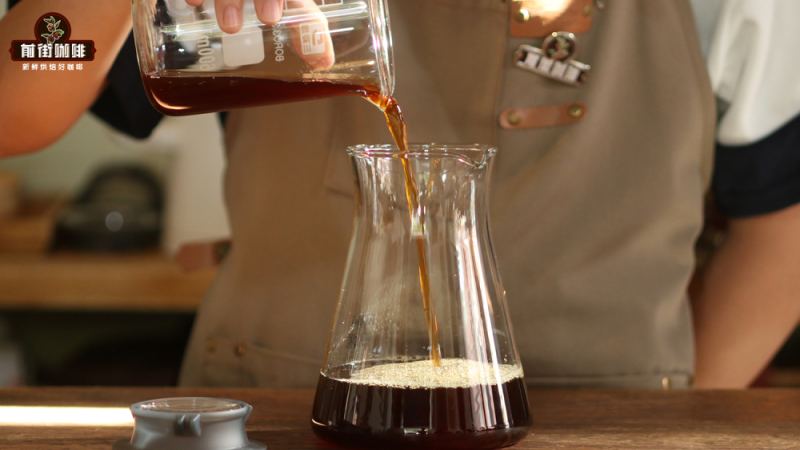
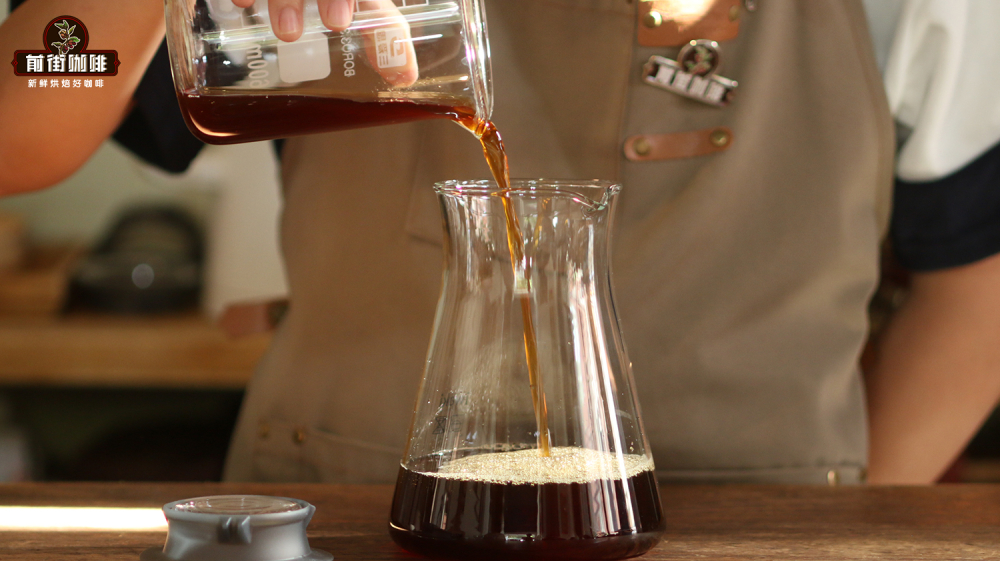
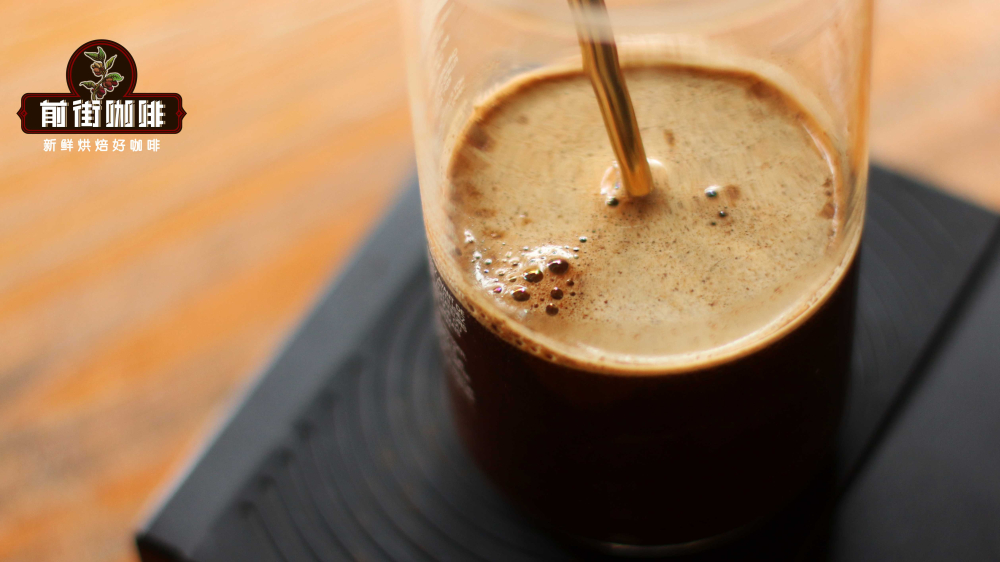
Finally, Front Street will talk about Front Street's cold brew coffee making method! First, for coffee beans, Front Street tends to use medium-light roasted coffee beans. Here, Front Street Panama Butterfly coffee beans are used. Choose a clean container that can be sealed for storage, then prepare 40 grams of Front Street Butterfly coffee grounds, grind to fine sugar (85% passing through a No. 20 sieve) and pour into the container, then add 480 milliliters of cold water at a 1:12 powder-to-water ratio, stir evenly with a wooden stick, and cover with a lid.
After stirring evenly, seal with plastic wrap, place in the refrigerator and refrigerate for 8~12 hours, then take it out and filter out the grounds. After filtering out the coffee grounds, the clear coffee liquid obtained can be drunk immediately, or the filtered coffee liquid can be put into a bottle and continued to be refrigerated for 4 hours, and the flavor and mouthfeel will be even better.
Generally speaking, for the sake of flavor experience and health safety, whether it is ice drip or cold brew, as long as it is an extraction method carried out in a low-temperature environment, Front Street recommends that everyone drink it within 5 days (counting from the production day).
The above content is compiled by CoffeeHunters, a coffee news website.


