







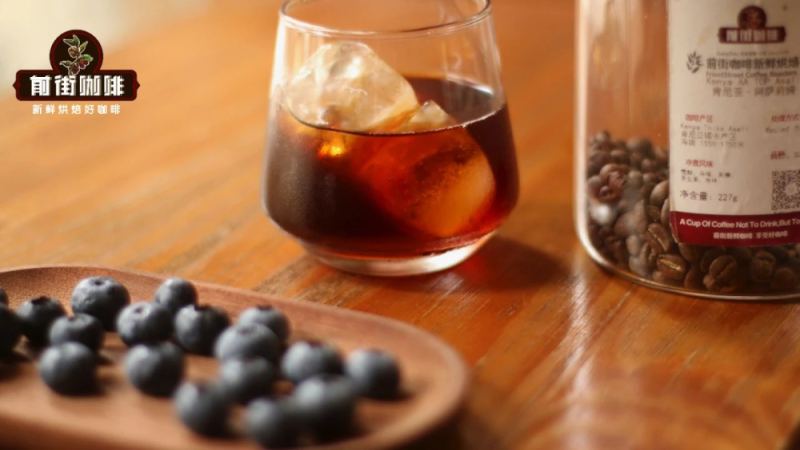
What defines cold brew coffee, and can it be served warm?
Cold brew coffee is coffee grounds steeped in water below 5°C for 8 to 12 hours, then filtered. The long, cold extraction raises sweetness and smoothness while lowering acidity, which is why is cold brew sour is usually answered with no. It is an extraction method, not a serving style, so hot-water coffee that is later chilled is not cold brew.
Cold brew is not limited to iced drinks. In American history, concentrated cold brew was diluted with boiling water and drunk hot before iced coffee became common, and no one needs to boil coffee for it. The method needs no professional equipment, and the finished concentrate can be refrigerated, poured over ice, or used as an ingredient in recipes.
Cold brew coffee has gained popularity among coffee lovers in recent years, but what exactly is it? Does all cold coffee count as cold brew? This article will comprehensively answer common questions about cold brew coffee, from its definition, extraction principles, and flavor characteristics to grinding recommendations and coffee bean suggestions. Cold brew uses cold water below 5°C to steep coffee grounds for an extended period, undergoing 8 to 12 hours of fermentation before being filtered clean, resulting in enhanced sweetness and smoothness with reduced acidity. The article will also clarify that cold brew isn't limited to cold drinks and share Front Street Coffee's selection of suitable beans to help you easily make a full-bodied, delicious cold brew at home.
For more specialty coffee knowledge, please follow our WeChat official account: Front Street Coffee (FrontStreet Coffee)
Cold brew coffee, also called cold water brew, refers to placing coffee grounds in cold water below 5°C, steeping and fermenting for 8 to 12 hours at low temperature, then filtering out the coffee grounds. This method requires no professional equipment and can be easily done at home. The resulting taste is close to iced brew, and it is also a favorite iced coffee at Front Street.
Cold brew coffee has improved sweetness and smoothness, while acidity is relatively reduced. Fundamentally, cold brew is an extraction method, not a drinking method.
Can all iced coffee or cold coffee be called "cold brew"?
Coffee extracted with hot water cannot be considered cold brew coffee, regardless of whether it is ultimately served hot or cold. Cold brew can also be seen as a marketing term. First, it is not coffee that is first extracted with hot water and then refrigerated before sale; instead, it refers to coffee extracted at room temperature or lower. After extraction is complete, the final product can be refrigerated or served over ice.
Is cold brew coffee always served cold?
Cold brew is an extraction method, not a drinking method. It can even be served warm: in American history, concentrated cold brew was diluted with boiling water and mainly consumed as a hot beverage (before iced coffee became popular). Cold brew is also commonly used as an ingredient in many recipes.
How does cold brew extraction work?
Compared to traditional hot water extraction, cold brew extraction is typically conducted at lower temperatures and requires more time. This combination of low temperature and long contact time can produce unique sensory and quality characteristics.
What are the sensory and flavor characteristics of cold brew?
The flavor profile of cold brew coffee can differ significantly from hot-brewed coffee. If you extract the same beans using both cold and hot methods and compare them side by side, the flavors may be similar or completely different. Typical characteristics of cold brew include: less bitterness, smoother mouthfeel, and more delicate flavors.
How should coffee be ground for making cold brew?
If you buy coffee beans from a coffee shop, you can ask the barista to grind them for you, provided you inform them it's for cold brew coffee. Of course, if you want to fully experience the aroma and taste of the coffee, Front Street recommends using a home grinder to grind the beans yourself. Aim for a coarseness similar to granulated sugar, ideally with 80% passing through a Chinese No. 20 standard sieve. This will produce the fullest-tasting cold brew coffee.
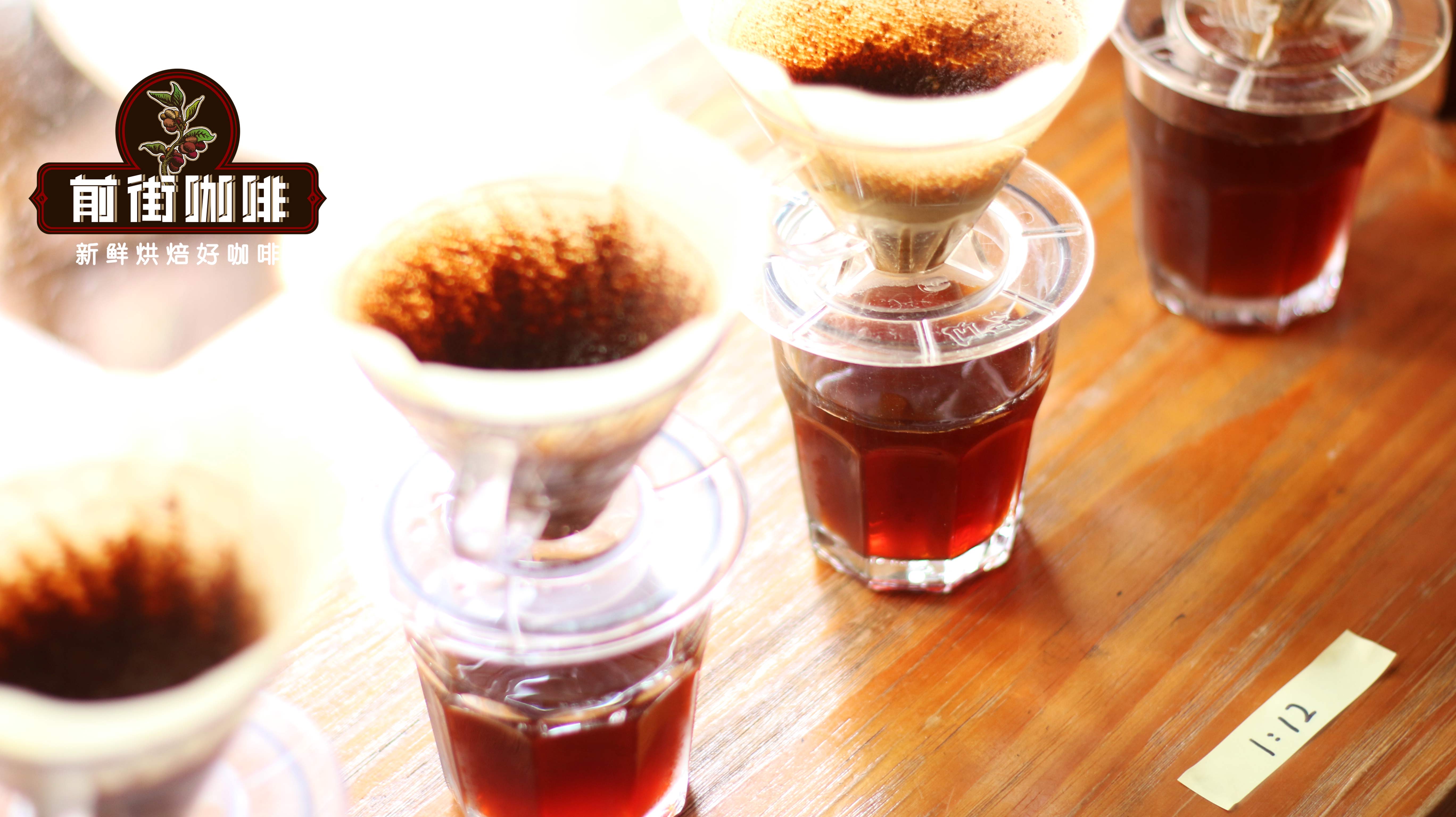
Coffee bean recommendations for making cold brew
Cold brew coffee is extracted by low-temperature steeping, which effectively suppresses the release of bitterness, so there are not many restrictions on bean selection.
If you prefer a sweet-and-sour style cold brew, we recommend three specialty coffee beans: Front Street Fruit Ding Ding, Front Street Strawberry Candy, and Front Street Flower Queen. They are rich in fruity aromas and can showcase delicate sweet-and-sour notes under low-temperature extraction. If you lean toward a balanced flavor, we recommend Front Street, Diamond Mountain, Front Street Kaffa Forest, and Front Street Geisha Village Chaka, which perform well in sweetness, acidity, bitterness, and aftertaste. And if you only love full-bodied dark-roasted coffee, start with these single-origin coffees: Front Street Queen's Estate, Front Street Bird of Paradise, Front Street Golden Mandheling, and Front Street Huila.
The above content is compiled by CoffeeHunters, a coffee news website.


