







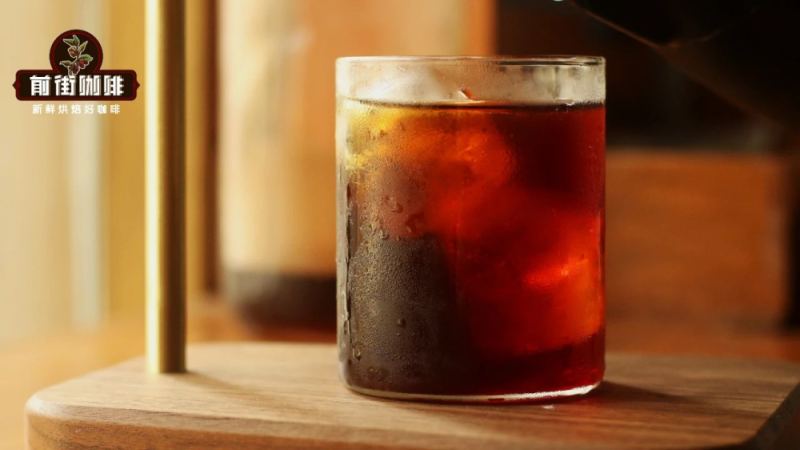
How to Make Cold Brew Coffee With Yirgacheffe Beans
Cold brew coffee is made by steeping coffee grounds in cold or ice water for many hours instead of using hot water. The low temperature pulls out smaller flavor compounds like floral and fruity notes, while heavier smoky and roasted flavors stay behind. The result is a smoother, sweeter cup with clear layers and less bitterness.
Yirgacheffe beans suit cold brew well because their floral and citrus character survives the long steep. A typical starting point is a coarse grind, about a 1:10 to 1:15 coffee-to-water ratio, and 12 to 16 hours in the refrigerator, followed by filtering. Cold brew differs from ice drip coffee, which passes water through grounds slowly at room temperature.
Cold brew coffee has become increasingly popular in recent years. It involves steeping coffee grounds in cold or ice water for an extended period, resulting in a purer, gentler flavor. From the perspective of Front Street Coffee, this article introduces the definition and origins of cold brew coffee, its differences from ice drip coffee, and specific parameters for making cold brew at home. Using Yirgacheffe as an example, the article also explains how to choose coffee beans suitable for cold brew and offers practical advice on grind size, coffee-to-water ratio, and extraction time, helping coffee enthusiasts easily make a smooth, sweet cup of cold brew at home.
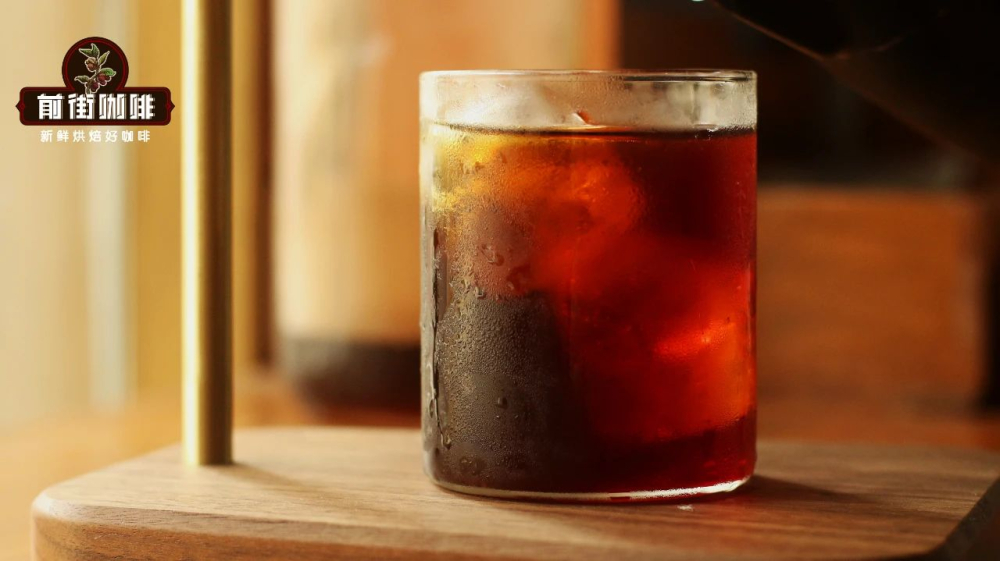
To learn more about specialty coffee, welcome to follow: Front Street Coffee (Frontsteet Coffee)
A glass of iced coffee in the heat of summer—the refreshing feeling needs no elaboration. But now that autumn has arrived, will iced coffee still be as popular as it is in summer? Front Street's answer is: Of course it will! Although the solar term has entered autumn, the temperature hasn't dropped immediately, and the charm of iced coffee remains. Those who prefer this kind of taste will continue to enjoy it.
Many friends initially didn't know that coffee could actually be brewed with cold water, because what we typically encounter is the high-temperature extraction method: grinding roasted coffee beans to a certain coarseness and then using water to extract the flavors. High-temperature extraction causes the tannic acid in coffee to break down into pyrogallic acid, which brings bitterness and acidity.
But Front Street wants to tell everyone: coffee brewed with cold water has a distinctive flavor, and it's quite popular. The reason is that cold brew is a low-temperature extraction—water and coffee grounds come into contact at low temperatures for an extended period, so only smaller-molecule flavor compounds (such as floral and fruity notes) are more easily extracted, while larger-molecule smoky and roasted flavors are difficult to dissolve out. Therefore, cold brew coffee better showcases the characteristics of the coffee beans themselves, going down smoothly with more pronounced layers and a sweeter finish.
Next, Front Street will walk you through cold brew coffee: Cold brew coffee only gradually became popular in the United States in recent years, and that's when people realized coffee doesn't have to be drunk hot—steeping or dripping with cold water can also produce delicious coffee. As for Europe, it may still take some time to truly embrace this new trend. Cold brew coffee is also called cold water brew coffee; the entire extraction process involves only ice water and coffee grounds, making the final product purer. Because of this, cold brew coffee can fully express coffee's subtle flavor characteristics; with mild acidity, it tastes sweet, with a bright, mellow mouthfeel and a faint fruity aroma. At Front Street Coffee (FrontStreet Coffee), cold brew coffee is very popular among friends. Sitting in the shop, slowing down your hurried pace, quietly enjoying the beauty of a cup of coffee.
There are two main reasons cold brew coffee has become popular: first, the younger generation prefers milder-flavored coffee and has relatively lower acceptance of traditional espresso; second, milder coffee also aligns better with health and wellness concepts. Cold brew coffee has lower acidity and bitterness, along with a gentle sweetness, which means it doesn't need added sugar or dairy to adjust the flavor.
Cold Brew Coffee
Where did cold brew coffee come from? Front Street has learned: The Dutch were the first to come up with the cold brew method, which later gradually spread to Japan. At the time, the Dutch needed to transport coffee from their colony Indonesia back to Europe, but there was no hot water on the ships, so they invented the cold water brew method. Interestingly, people at the time believed cold coffee was gentler and didn't upset the stomach, but they didn't know the real reason was that hot water extracts more acidic substances, while cold brew coffee has comparatively lower acidity.
Making coffee with ice water or cold water can be traced back to Japan, commonly known as "Kyoto-style coffee," because this cold-water extraction method was very popular in Kyoto at the time, hence the name. As early as the 17th century, Japanese people had already begun using cold water with various cold brew techniques to make coffee, employing filter or drip methods. These extraction methods and techniques have evolved to this day, giving rise to the most popular, exquisitely designed ice drip coffee makers we see now.

We often talk about cold brew coffee, but what water temperature is actually suitable for extraction? Front Street tells you: Cold brew coffee is made with water at room temperature or lower. The water temperature is usually below room temperature, around 20-22°C. Due to the low water temperature, the coffee-making process is very long, typically requiring 12-48 hours. Cold brew can only extract some smaller-molecule substances, such as floral and fruity flavor compounds, while larger-molecule smoky and roasted flavor compounds are not easily extracted, and acidity is also greatly reduced. However, the biggest shortcoming of this extraction method is its weaker extraction capability, requiring longer contact time between water and coffee grounds.
People always ask which tastes better, cold brew coffee or ice drip coffee. Front Street believes: Both are delicious. Cold brew coffee is richer, while ice drip coffee is brighter and more layered. Everyone has different taste preferences, and ultimately it depends on which one you like.
Front Street Coffee (FrontStreet Coffee) Cold Brew Home Method
Making cold brew coffee is very simple, and the tools don't need to be fancy—just a clean, sealable container will do.
The grind size for making cold brew coffee can reference pour-over coffee (fine sugar consistency). If you don't have a grinder at home, you can go to a coffee shop and ask the owner to grind it for you, or have the coffee bean seller grind it before sending it to you. Currently, coffee beans sold by Front Street Coffee (FrontStreet Coffee) are shipped within 5 days after roasting, defaulting to whole beans, with packaging that is 100% freshly roasted. Those who need it can also leave a note "cold brew grind" after placing an order.
When making cold brew coffee, Front Street chooses 40 grams of coffee grounds, adds 520 milliliters of room-temperature drinking water or ice water, for a coffee-to-water ratio of 1:13. Then stir evenly to let the coffee grounds fully contact the water, seal the bottle and place it in the refrigerator's cold storage compartment, and extract at low temperature for 8 to 12 hours.
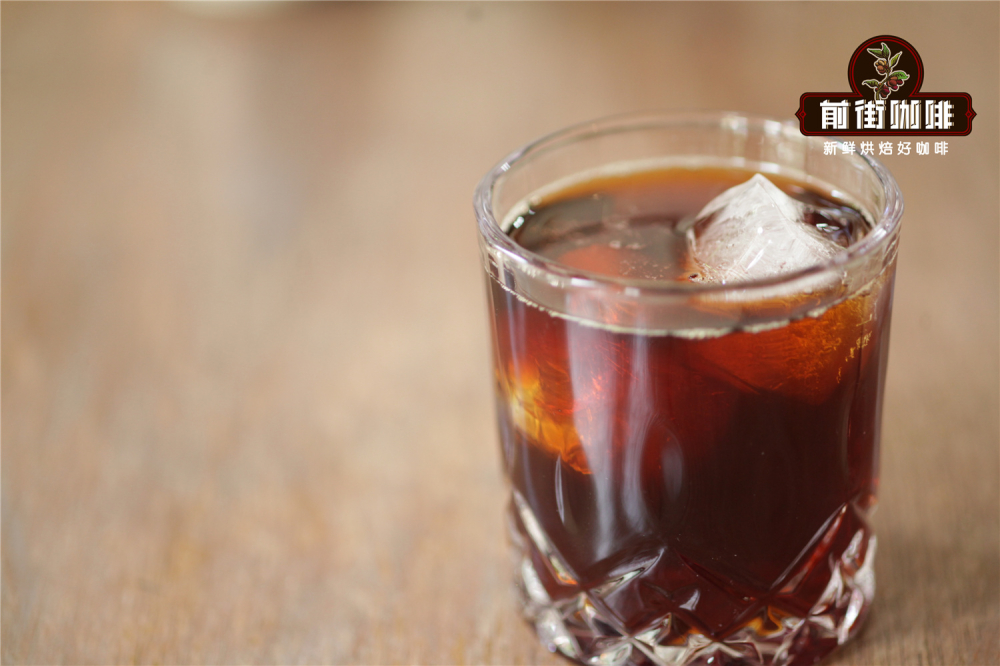
What coffee beans to choose for cold brew?
Front Street typically uses medium-light roasted coffee beans for cold brew, which can be broadly divided into two categories: one is the fermentation-aroma type with prominent flavors, such as Front Street Strawberry Candy, Front Street Mozart, Front Street Flower Moon Night, and Rose Valley; the other is the fresh and clean floral-fruity sweet-and-sour type, such as Front Street Natural Red Cherry, Front Street Fruit Ding Ding, Front Street Washed Butterfly, and Front Street Kenya Little Tomato.
Today, for making home cold brew coffee, we'll use Front Street Yirgacheffe coffee beans for extraction. As one of the representatives of specialty coffee worldwide, Yirgacheffe has a unique citrus and lemon fruity aroma, along with the fragrance of jasmine, fresh and bright floral-fruity notes, and well-layered acidity, clean without any off-flavors. Its rich and well-balanced mouthfeel is Yirgacheffe's captivating characteristic, hailed as the representative of African specialty coffee and enjoying great renown among coffee connoisseurs worldwide.
The so-called Yirgacheffe flavor is beautiful citrus, lemon, berries, and intense floral aroma, along with a clear tea-like quality, making it unforgettable. To express such exquisite flavors and mouthfeel, the coffee's superior growing environment, variety, processing method, as well as roasting and brewing, are all indispensable.
For coffee brewing, Front Street recommends using freshly roasted coffee beans, which allows you to experience the coffee's rich flavors to the fullest. Coffee beans shipped by Front Street Coffee (FrontStreet Coffee) are all within 5 days of roasting, because Front Street deeply understands the huge impact of coffee bean freshness on flavor. Front Street's roasting philosophy is "freshly roasted good coffee," so that every customer who places an order receives the freshest coffee possible. Coffee beans need about 4-7 days of resting, so by the time customers receive them, they're at their optimal flavor.
Front Street Coffee (FrontStreet Coffee) has over fifty varieties of coffee beans from different countries and regions. Whether you want to try making cold brew coffee, ice drip coffee, or Americano, or simply brew single-origin coffee, we can meet everyone's needs! Everyone is welcome to come to Front Street Coffee (FrontStreet Coffee) to explore the wonders of coffee together!
The above content is compiled by CoffeeHunters, a coffee news website.


