







Search Results for: cold brew tea
How Is Cold Water Steeping Different from Hot Water Brewing for Tea? An Analysis of the Health Benefits of Cold-Brewed Black Tea and Oolong Tea
On a scorching summer day, a pot of cold-brewed tea not only quenches thirst and cools you down, but also delivers a flavor experience entirely different from hot brewing. Steeping tea leaves in cold water for an extended period avoids the heavy release of theophylline and tannic acid, making the tea liquor smoother and sweeter; low-temperature cold extraction also draws out more of the sweet-tasting compounds such as amino acids. So what exactly is the essential difference between cold brewing and hot brewing? And what effects do cold-brewed black tea and oolong tea have on the body? This article will give you a complete analysis of the unique appeal of cold-brewed tea, from the underlying principles to brewing methods and ways of drinking it. [more…]
Can Cold Water Really Brew Good Tea? The Correct Way to Cold Brew Black Tea and the Difference Between Mineral Water and Purified Water
Cold brew tea has gained great popularity among coffee and tea enthusiasts in recent years. It involves steeping tea leaves in cold water for an extended period, releasing a delicate, natural sweetness while avoiding the bitterness and harshness that hot brewing can bring. But what kind of water produces the best cold brew? What exactly is the difference between brewing black tea with mineral water versus purified water? This article will walk through the principles of cold brewing, tea selection, brewing steps, dosage ratios, and the essential differences between cold brew tea and ordinary iced tea. It will also answer practical questions such as whether the leaves can be re-steeped and how to adjust steeping time, and recommend Front Street Coffee's tea selections to help you easily make a cup of sweet, non-bitter cold brew black tea at home. [more…]
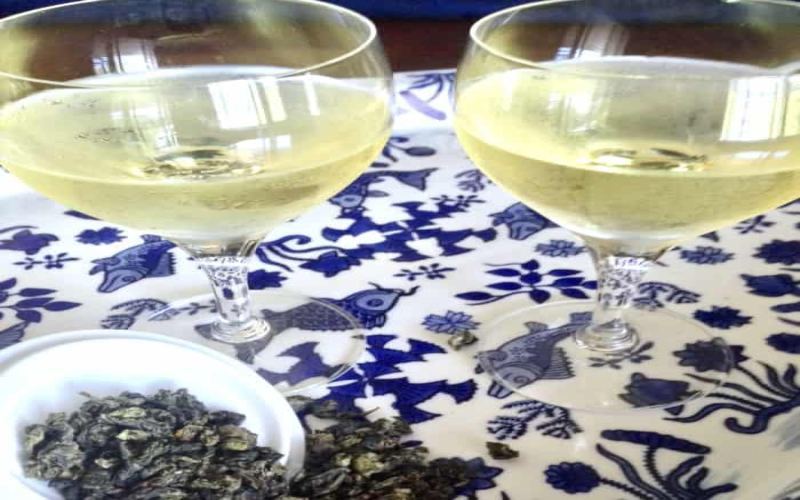
How to Choose Phoenix Dancong for Cold Brew? Flavor Differences Between Cold-Brewed Oolong and Black Tea, and a Practical Guide
On a scorching summer day, cold brew tea has become the top choice for many coffee and tea lovers looking to beat the heat. Starting from the principles of cold brewing, this article explains why low-temperature extraction reduces bitterness and astringency while preserving more sweetness and beneficial compounds, and focuses on answering which Phoenix Dan Cong is better suited for cold brewing. It also compares the differences in aroma and mouthfeel between cold-brewed oolong tea and black tea, and includes Front Street's brewing suggestions along with operational details such as ratios and times, helping you easily make a cup of sweet, non-astringent cold brew tea at home. [more…]
How Long Should You Cold-Brew Iced Black Tea? A Complete Guide to the Correct Brewing Method and the Pros and Cons of Drinking It
Cold brew tea has become increasingly popular in recent years. Not only does it release less caffeine, making it suitable for people sensitive to caffeine, but cold water steeping also reduces the extraction of tannic acid, giving the tea a sweeter, smoother taste without bitterness. However, the cold brewing time varies greatly depending on the form of the tea leaves—broken pieces, strips, and ball-shaped leaves each have their own requirements. Steeping too long can lead to over-extraction and a cloudy, bitter brew. This article provides a detailed guide to the suitable tea types for cold brewing, a time reference chart, the relationship between water temperature and steeping duration, and answers to common questions such as whether overnight tea is safe to drink, helping you easily make a delicious glass of cold brew iced black tea. [more…]
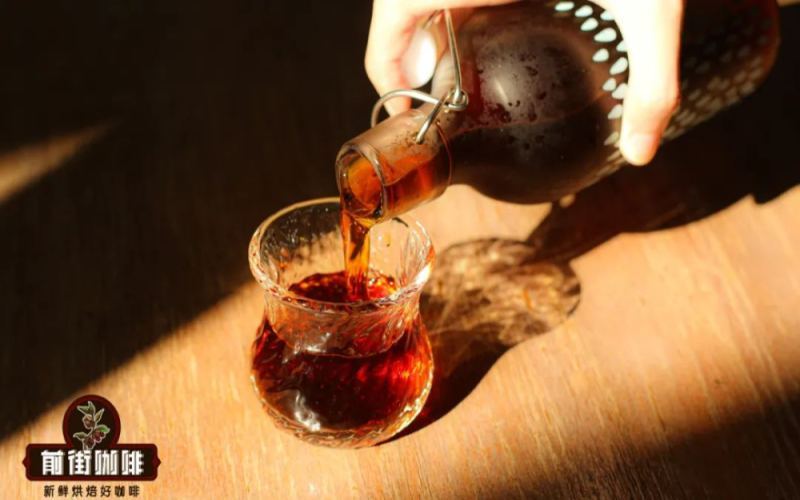
Why Is My Cold Brew Coffee Too Weak? A Complete Guide to Improving Extraction Strength with Tea Bags
Many people making cold brew coffee at home find that even when they use a higher coffee-to-water ratio, the resulting brew still tastes disappointingly weak, and they start to wonder whether they are simply missing professional cold brew equipment. In fact, the problem usually lies in the extraction method itself. In this article, Front Street Coffee will analyze the root causes of weak cold brew and share a practical little trick—using a non-woven tea filter bag to hold the coffee grounds for steeping—so you can significantly boost the strength of your cold brew without buying a dedicated cold brew bottle. The article also verifies the actual effectiveness of tea-bag cold brew through a comparative experiment using two groups of beans, a light roast and a dark roast, and includes specific operational recommendations. [more…]
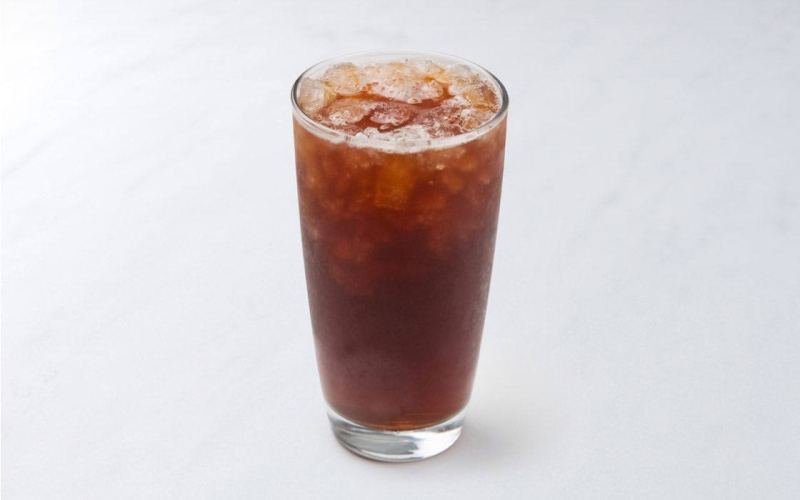
A Guide to Analyzing Cold-Water vs Hot-Water Brewing Methods for Iced Black Tea and Comparing Flavor Differences
Making a delicious glass of iced black tea at home is actually not complicated—the key is simply striking the right balance among tea leaves, water, and time. This article will introduce two ways to make iced black tea: cold brewing and hot brewing. It will go over the steps for each, the types of tea they suit, and the occasions they are best for, and compare the flavor differences between the two methods. The article uses loose-leaf tea for demonstration, but tea bags work just as well. In addition, it will recommend oolong and herbal teas suitable for cold brewing, as well as Front Street Coffee's teaware and tea selections, to help you easily make a satisfying glass of iced black tea at home. [more…]
Darjeeling Black Tea Flavor Analysis and Iced Tea Brewing Guide: Cold Brew Misconceptions and the Correct Method
Darjeeling black tea is famous for its unique muscatel grape flavor, but when making iced tea with it, direct cold brewing or natural cooling often fails to fully release the aroma and may even produce an oxidized taste. Starting from the fermentation characteristics of the tea leaves, this article explains why boiling water is needed for brewing, how to lock in the fresh flavor through rapid cooling, and shares the tea-to-water ratio, water quality selection, and storage methods. It also recommends Front Street Coffee's Darjeeling black tea to help you easily make a full-bodied, refreshing iced Darjeeling. [more…]
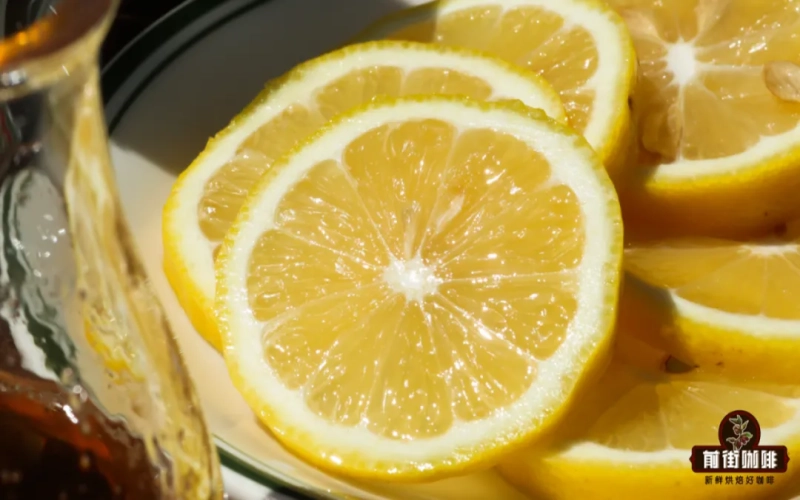
Three Popular Lemon-Infused Coffee Recipes: A Complete Guide from Lemon Syrup to Jasmine Cold Brew
The tart aroma of lemon is naturally suited to adding a refreshing touch to drinks, and incorporating it into coffee specialties can create surprisingly delightful flavors. Starting with the basics of making lemon syrup, this article breaks down in detail three popular lemon specialty coffees on the market—lemon sparkling americano, salted lemon sparkling americano, and jasmine lemon cold brew. Each comes with a clear ingredient list, ratio references, and step-by-step instructions, and特别 explains the advantages of medium-light roasted coffee beans in fruity specialty drinks. Whether you want to recreate café hits at home or seek new inspiration for refreshing summer beverages, this recipe guide offers practical references. [more…]

Where Did Cold Brew Coffee Originate? A Beginner's Guide to Choosing Coffee Bean Flavors for Cold Brew
Cold brew coffee is deeply loved today, but its origins are little known. The earliest documented cold brew coffee comes from the 17th-century Netherlands, when sailors, to cope with long sea voyages, steeped coffee grounds in cold water for over twenty hours to make a concentrate, which both increased the caffeine content and extended shelf life. This method later spread to Japan, where it evolved into drip-style cold brew by combining with the local tradition of cold-brewed tea. When making cold brew, the coffee-to-water ratio is key; Front Street recommends 1:13 for regular drinking and 1:10 for specialty concoctions. In terms of coffee bean selection, medium-light to medium roast beans with prominent acidity, sweetness, or aroma are more suitable. This article will analyze in detail the origins of cold brew, the key points of making it, and recommend several Front Street Coffee beans to help you get started easily. [more…]
The Complete Guide to Brewing Black Tea Correctly: Hot Tea, Milk Tea, Cold Brew, and the Differences Between Hong Kong-Style and Regular Milk Tea Recipes
Black tea gets its rich color and full-bodied taste from full fermentation, but different grades, brewing temperatures, and drinking methods all affect the final flavor. This article systematically sorts out the core knowledge of black tea, from temperature control, spice additions, and timing for hot brewing, to the simmering techniques for Indian milk tea, the cold-brew refrigeration extraction method for iced black tea, and creative drinks such as vodka black tea and hot toddy, along with the standard recipe for Hong Kong-style milk tea, helping coffee and tea lovers fully master the many possibilities of black tea. Whether you prefer it plain or with a rich milky taste, you can find a brewing method that suits you. [more…]
How to Brew Whittard Black Tea for the Best Taste? Comparison with TWG, Complete Brewing Parameters, Cold Brew Method, and Chocolate Recommendations
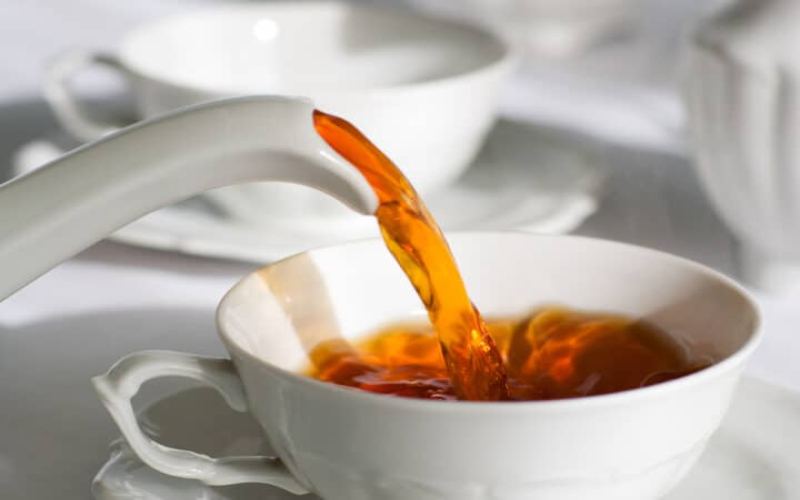
Many people ask whether Whittard or TWG is the better black tea brand to drink, but once you've bought Whittard, the first thing to do is figure out how to brew it. Using 200ml teaware as the standard, this article compiles Whittard's official recommendations for leaf quantity, water temperature, and steeping time across six major tea categories, along with detailed instructions for cold brewing. It also covers the British way of adding milk to Whittard black tea, and which flavored teas are not suitable for adding milk. Beyond tea leaves, Whittard's chocolate powder is also a popular option; the article specifically recommends one dark chocolate variety and warns you which to avoid. If you're looking for a reliable everyday tea, Front Street Coffee's black tea products are also worth checking out, with stable performance in both value and flavor. [more…]

An In-Depth Analysis of Taiwan Baihao Oolong Tea: The Legend of Oriental Beauty Tea and Its Hot and Cold Brewing Methods
Oriental Beauty, scientifically known as Baihao Oolong, is one of the highest-grade fermented oolongs in Taiwanese tea, and is also called Five-Color Tea or Five-Element Tea. Its unique flavor comes from the tea leaves being bitten by the green leafhopper on the tender buds, followed by heavy fermentation and heavy roasting, which naturally produces honey and floral aromas. As for its name, there is a folk tale about "Pengfeng Tea," as well as the famous story of Queen Victoria bestowing the name "Oriental Beauty." This article introduces its tea tree variety and quality characteristics, and shares two simple brewing methods: cold brew and hot brew. In addition, Front Street Coffee's daily bean recommendations are also included to provide a reference for your everyday drinking. [more…]
Which brand is best for cold-brewed Darjeeling black tea? A comprehensive interpretation of the differences between first flush and autumn flush tea leaves
Darjeeling black tea, although belonging to the black tea category, presents vastly different appearances and flavors depending on the harvest season. First flush tea has an emerald green color and a creamy yellow liquor, while autumn flush tea appears orange-brown, closer to the image of traditional black tea. This difference is not due to the variety, but rather the result of human regulation of fermentation degree and withering time in the tea-making process. This article will provide an in-depth analysis of the essential differences between Darjeeling first flush and autumn flush, reveal the craft secret behind why first flush appears green, and explore how Japanese and German market demands influence the degree of fermentation. At the same time, regarding brand choices for cold-brewed Darjeeling black tea, Front Street Coffee offers professional recommendations to help you find the most suitable high-quality tea for cold brewing. [more…]
2023 Starbucks Menu Full Price List: Espresso, Frappuccino, Iced Shaken Tea, and Cold Brew Coffee Prices and Recommendation Rankings
Want to know the latest Starbucks menu prices? This article compiles the 2023 prices for Starbucks' espresso series, Frappuccino series, iced shaken tea series, and cold brew iced coffee series, including lattes, cappuccinos, Americanos, caramel macchiatos, flat whites, various Frappuccinos, iced shaken teas, and cold brew coffee. It also includes a list of the top ten best-tasting Starbucks drinks for coffee lovers' reference. Whether you're looking for the best value or want to try new flavors, this price list can help you make a quick decision. Follow Coffee Workshop and Front Street Coffee for more professional coffee knowledge and specialty coffee bean information. [more…]
How Are Tea-Bag Coffee and Drip Coffee Different? Testing the True Flavor of Filter-Bag Brewing from Hot Brew to Cold Brew
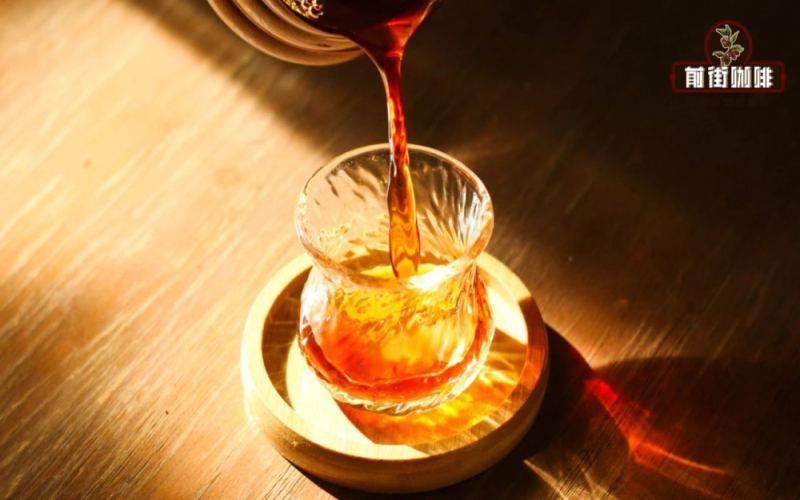
When the weather heats up, everyone's demand for a pick-me-up coffee rises along with it, and a number of new questions have been popping up in the backend. A reader asked Front Street Coffee: can coffee be brewed directly like a teabag? She felt that drip bags require pouring water in stages and controlling the water volume, which isn't convenient enough. This question actually brings up the fundamental difference in extraction principles between two common convenient coffee formats—steeped bags and drip bags. This time, Front Street Coffee used the same batch of beans to conduct a comparison between hot brewing and cold brewing, testing everything from grind size and coffee-to-water ratio to steeping time, in an attempt to figure out whether coffee brewed in filter bags actually tastes good, and which one is more suitable for which scenarios. [more…]
A Complete Guide to Making Cold Brew Coffee at Home: Master the Right Grind and Brewing Method to Easily Achieve a Sweet, Flavorful Cup
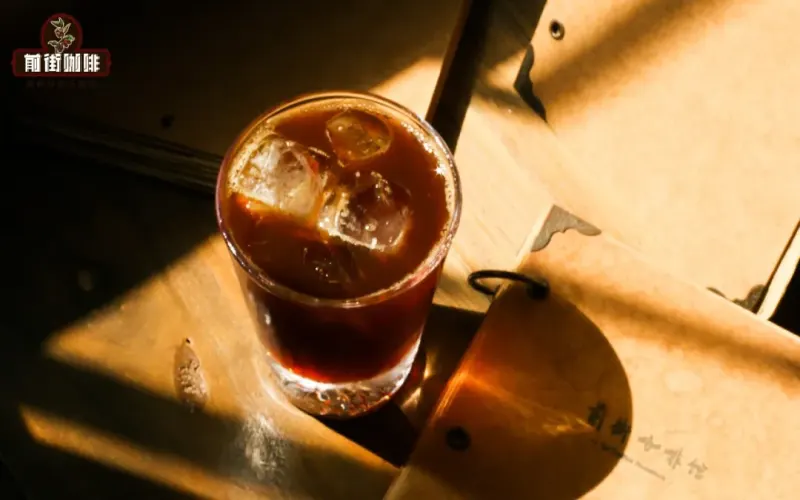
Cold brew coffee is loved by many coffee enthusiasts for its high sweetness, low acidity, smooth mouthfeel, and low barrier to entry. However, many people find when they try it at home that the finished product tastes weak and thin, and even grinding the coffee finer doesn't seem to help. The root of the problem may actually lie in grinding too fine—the fine particles clump together after absorbing water, which instead reduces extraction efficiency. This article will systematically analyze this counterintuitive phenomenon and offer three practical solutions: coarsening the grind, portioning the coffee grounds into tea bags, and stirring at regular intervals during the steeping process. At the same time, Front Street will also share coffee bean selections suitable for cold brew and specific brewing parameters, to help you easily make a rich, full-bodied cup of cold brew coffee at home. [more…]
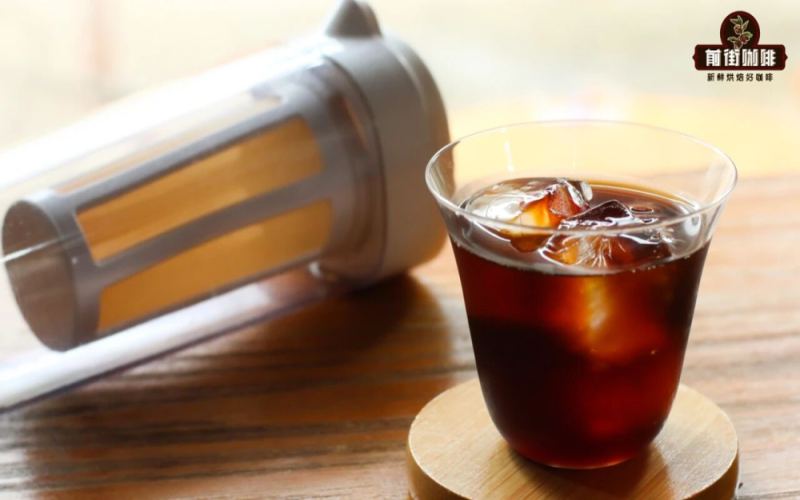
Is the caffeine content of cold brew coffee high? A selection of cold brew coffee beans perfect for summer
Cold brew coffee has swept the globe in recent years, becoming a popular summer drink thanks to its refreshing taste and bright floral and fruity aromas. It is made by steeping coffee in cold water for a long time, similar in principle to cold-brewed tea. However, many people wonder whether cold brew coffee has a higher caffeine content. In fact, the amount of caffeine mainly depends on the bean variety, the coffee-to-water ratio, and the steeping time. In addition to answering this question, this article will also recommend several coffee beans suitable for making cold brew based on different flavor preferences, including Front Street Panama Butterfly, Front Street Strawberry Candy, and Front Street Brazil Queen's Farm, along with brewing suggestions to help you easily make a delicious cup of cold brew. [more…]
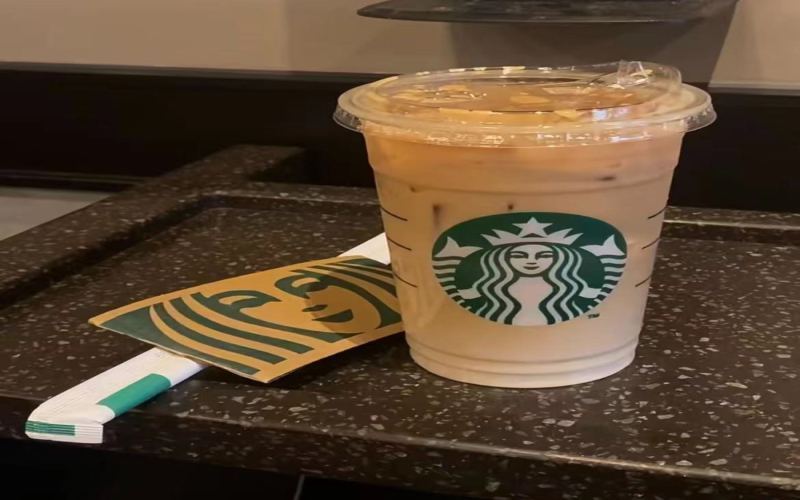
Top Five Most Popular Starbucks Coffees and a 2023 Price Reference for the Full Drink Lineup
Walking into Starbucks but hesitating over the menu? This article rounds up the five most popular drinks among customers right now, including the Oat Latte, Iced Americano, Cold Brew, plus the caffeine-free Matcha Frappuccino and Iced Shaken Berry Hibiscus Tea, explaining each one's features and who it's best suited for. It also includes the 2023 price list for Starbucks' four major series—Handcrafted Espresso, Frappuccino, Teavana, and Cold Brew—covering full pricing from Tall to Grande and Venti, so you can quickly decide based on your budget and taste. Whether you're lactose intolerant, cutting sugar to lose weight, or simply want to try something different, you'll find your next cup here. [more…]

The Complete Guide to Making Cold Brew Coffee at Home: Comparing Three Practical Methods and Analyzing Why Cold Brew Carafes Lose Flavor
As temperatures climb, the demand for iced coffee rises along with them, and easy-to-make cold brew once again becomes a regular in home refrigerators. This article centers on the low-temperature extraction principle of cold brew coffee, explaining how it differs from high-temperature brewing in terms of temperature, time, and flavor expression, and provides core parameters such as coffee-to-water ratio, grind size, and steeping duration. For the three home methods—direct immersion, filter bag/tea bag immersion, and cold brew carafe—it analyzes the pros and cons one by one, especially explaining why cold brew carafes tend to produce weak, thin-bodied coffee with insufficient richness. At the same time, drawing on Front Street Coffee's various single-origin beans and blend options, it offers bean selection advice for different taste preferences. [more…]
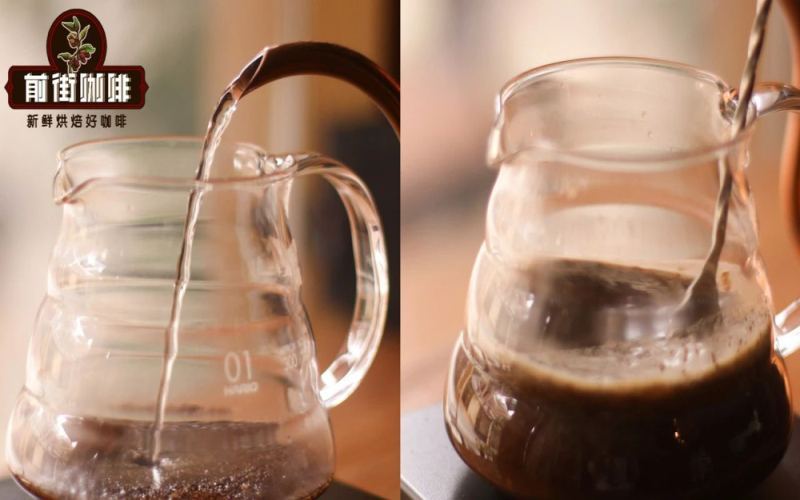
A Detailed Guide to Cold Brew Coffee Grounds-to-Water Ratio and Brewing Method, with Recommendations for Four Front Street Coffee Cold Brew Coffee Beans
What is the difference between cold brew coffee and regular iced coffee? The key lies in using cold water for low-temperature extraction throughout the entire process. This article will provide a detailed introduction to the production points of cold brew coffee, such as the coffee-to-water ratio, grind size, and steeping time, and will also share four coffee beans recommended by Front Street Coffee that are suitable for cold brew—Huakui, Sidra, Little Tomato, and Mozart—presenting rich fruity tea, fermented wine aroma, smoked plum juice, and dark berry different flavor directions, respectively. Whether you want to understand the basic principles of cold brew or want to find a bean suitable for cold brewing, this content can provide practical reference. [more…]