







Search Results for: cold brew making techniques
A Complete Guide to Coffee Brewing Techniques: Flavor Differences and Key Operating Tips for Cold Drip, Pour-Over, and Syphon
The allure of coffee lies not only in the flavors in the cup, but also in the craftsmanship and artistry embedded in the brewing process. From the lively variations of pour-over, to the rich fullness of siphon, to the refreshing mellow depth of cold drip, each extraction method interprets a different facet of coffee. This article takes you into several coffee shops in Beijing, offering an in-depth analysis of four brewing methods—pour-over, siphon, cold drip, and semi-automatic espresso machines—covering equipment selection, coffee bean recommendations, water temperature control, coffee-to-water ratios, stirring techniques, and other practical details. It also specifically presents the flavor expressions of Front Street Coffee's Yirgacheffe, Costa Rica, Mandheling, and other bean varieties under different brewing methods, helping you find the cup that suits you best. [more…]
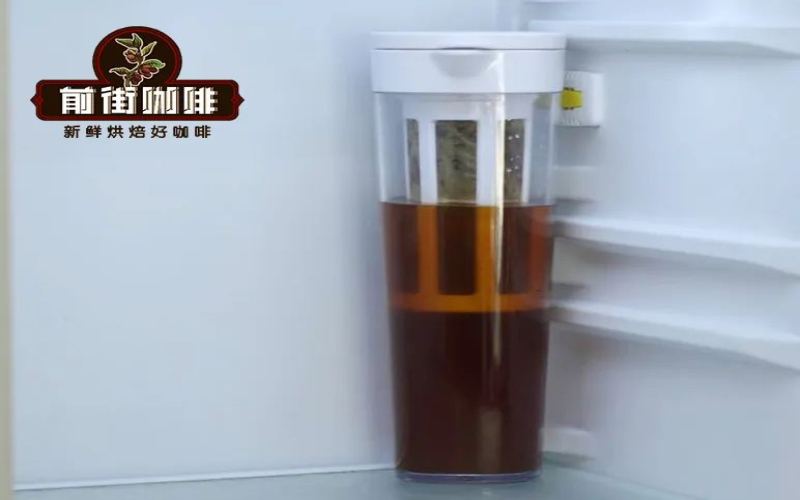
A Complete Guide to Iced Pour-Over, Cold Brew, and Cold Drip Coffee: Brewing Techniques and Storage Times
After the summer solstice, iced coffee becomes the focus of discussion among coffee enthusiasts. Drawing on community opinions, this article systematically organizes the key techniques for making three types of iced coffee: iced pour-over, cold brew, and ice drip. The content covers calculating coffee-to-water ratios, grind size recommendations, adjusting ice quantity, and the optimal drinking window and storage limits for cold brew and ice drip. Front Street also provides specific parameter references for each type of coffee to help you make iced coffee with clear flavor and a full body at home. [more…]

French Press Iced Coffee Recipe | How Can Coffee Beginners Make Cold Brew Coffee at Home with a French Press? What Techniques Are There for Cold Brew Extraction with a French Press?
Everyone knows that making cold brew coffee is very simple and has the lowest requirements—any clean container will do, and a French press is especially handy. Below, Front Street Coffee will demonstrate how to use a French press to make a delicious cup of cold brew coffee~ Advantages of the French press: The French press extracts coffee by immersion. [more…]
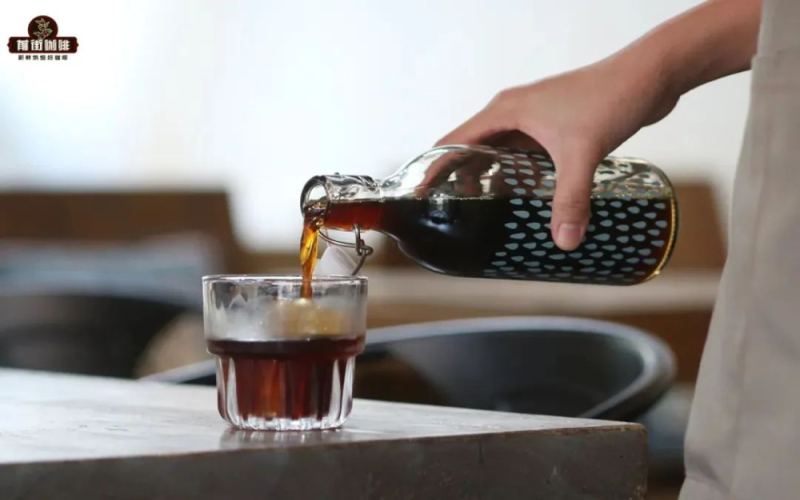
What Causes the Oil Film on Cold Brew Coffee? A Detailed Explanation of Low-Temperature Extraction Principles and Filtration Techniques
Cold brew coffee, with its advantages of simple operation and low cost, has become the preferred way for many coffee enthusiasts to make iced drinks at home. However, many people find in practice that a layer of oil slick unexpectedly floats on the surface of a finished pot of cold brew, and they can't help worrying that the coffee has gone bad or the container was not cleaned properly. Where exactly does this layer of oil come from? In fact, its cause is completely different from that of the Crema on the surface of espresso. This article will focus on the low-temperature extraction principle of cold brew, explain the phenomenon of oil condensation, and share the complete operational details from filter selection to secondary filtration, helping you make a cup of cold brew coffee with a clear mouthfeel and full flavor. [more…]
Where Does the Oil Film on Cold Brew Coffee Come From? A Full Breakdown of Low-Temperature Extraction Principles and Filtration Techniques
Cold brew coffee, with its advantages of simple operation and low cost, has become the go-to choice at home for many coffee enthusiasts. All you need is an airtight container and a low-temperature environment, and after several hours of steeping, you get a full-flavored iced coffee drink. However, many people discover during the process that a layer of oil often floats on the surface of the cold brew liquid, and can't help but wonder whether it has spoiled or the equipment is unclean. Where exactly does this layer of oil come from? And how should it be handled to achieve a clearer taste? This article will provide a detailed explanation of the extraction principles of cold brew, the phenomenon of oil condensation, the selection of filtration equipment, and ways to optimize the drinking experience, while also recommending several coffee beans suitable for making cold brew, helping you easily make a clean, translucent, and outstandingly flavorful cup of cold brew coffee at home. [more…]
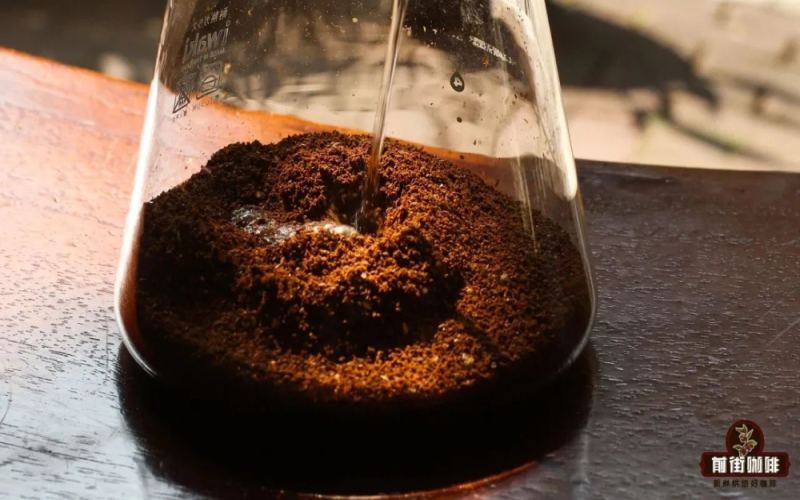
The Complete Guide to French Press Cold Brew Coffee: Bean Selection, Coffee-to-Water Ratios, and Refrigerated Brewing Techniques
Want to drink cold brew coffee without buying extra equipment? A French press can easily get the job done. This article walks through the complete process of making cold brew coffee with a French press, first explaining why immersion extraction has a high margin for error and a low barrier to operation, then combining Front Street's bean selection experience to recommend coffee beans with floral and fruity notes and sweet, mellow types suitable for cold brew. It then uses a 300ml French press, a 1:10 coffee-to-water ratio, and 30g of Front Street Strawberry Candy coffee beans as an example to demonstrate step by step grinding, pouring water, stirring, refrigerating for 8 to 16 hours, filtering, and drinking suggestions, while also adding practical details such as refrigeration storage time and flavor changes, helping you consistently make a clean and smooth cup of French press iced coffee. [more…]

The Complete Cold Brew Coffee Handbook: From Origins to DIY, Easily Master Low-Temperature Extraction Techniques
Cold brew coffee has become increasingly popular in China in recent years. With its refreshing taste and mild, balanced flavor, it has become the summer drink of choice for many coffee lovers. It actually originated in the United States and gradually spread around the world through social media, and Starbucks' official launch of it brought it to the masses. How is cold brew coffee different from regular iced coffee? Why does it taste sweeter and less sour or astringent? And how easy is it to make? This article will walk you through the origins and characteristics of cold brew coffee, compare it with iced coffee, and teach you step by step how to easily DIY a refreshing, delicious cold brew at home. All you need is the right coffee-to-water ratio, then let it steep in the fridge overnight and enjoy it the next day. At the end, there is also a cold brew test of Front Street Coffee's Huakui coffee beans, plus a creative milk-cap cold brew recipe, so don't miss it. [more…]
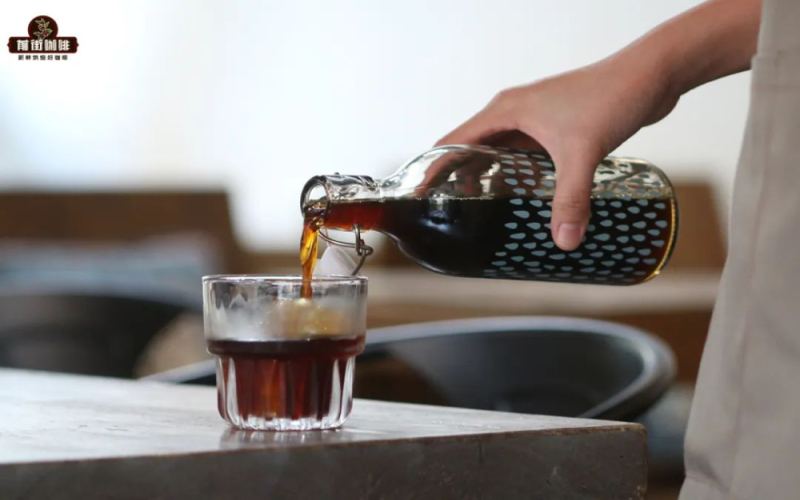
Cold Brew Coffee Complete Guide: Detail Techniques from Coffee-to-Water Ratio to Grind Size and Single-Origin Bean Recommendations
Cold brew coffee presents a refreshing, rich sweet-and-sour flavor through low-temperature slow extraction, but making a satisfying cup requires attention to many details. This article walks through the key points of cold brew coffee production one by one, from bean selection, roast date, tapping and tamping, pre-wetting, and filter paper placement, to grind size, drip rate, coffee-to-water ratio, and finally refrigeration fermentation and storage. It also combines Front Street brand's recommended single-origin beans such as Sidra, Strawberry Candy, Little Tomato, and Huakui, along with a recipe example of Strawberry Candy blended with Red Cherry, to help coffee enthusiasts master the core techniques of low-temperature extraction and reliably reproduce a clean, layered cup of cold brew coffee at home. [more…]

Origins of Cold Brew Coffee | Which coffee beans are suitable for cold brew? How can coffee beginners make cold brew coffee at home? What are the techniques for making cold brew coffee?
As the weather gets hotter, the cold brew coffee at Front Street Coffee is also selling well. Actually, cold brew coffee is not as complicated as everyone believes. Today Front Street will share how to make cold brew coffee and discuss its caffeine content. The origin of cold brew coffee: "In the 1600s, Dutch sailors, from the then-colon [more…]

Three Creative Ways to Drink Cold Brew Coffee: Extraction Techniques, Drinking Timing, and Flavor Characteristics of Ice Drip and Cold Brew
In the height of summer, if the fridge is missing a pitcher of cold brew coffee, it feels like something is missing. But with so many coffee beans to choose from, which one is actually suitable for cold brew? How should cold brew concentrate be stored, and how long can it last? This article draws on the hands-on experience of Front Street Coffee to systematically sort out the two major categories of cold brew coffee—ice drip and cold brew—covering equipment composition, parameter recipes, operating steps, and flavor performance. At the same time, we will also answer a common question: between cold brew and iced Americano, which has more caffeine? In addition, the performance of two beans, Huakui and Sherry, under low-temperature extraction will also be presented one by one, helping you find your own cup of summer iced coffee. [more…]

A Detailed Guide to Cold Brew Coffee Making: From Equipment Structure to Coffee Bean Selection, Master Cold Brew Techniques at Once
The ice drip pot has a unique shape, and its stacked layers often make people mistakenly think they have walked into a laboratory. Many customers who come to Front Street are curious about this set of equipment and want to replicate the store's signature ice drip at home. This article will systematically explain the structure and usage of the ice drip coffee pot, including key parameters such as grind size setting, coffee-to-water ratio, and valve flow rate control, and will share a production example using Costa Rica Mozart coffee beans from the Front Street store. In addition, the article also discusses the idea of choosing beans for ice drip coffee, offering specific coffee bean recommendations one by one according to four categories: tropical fruit fermented type, refreshing and clean type, sweet and mellow type, and flavor blend type, to help readers find the ice drip solution that best suits them. [more…]
Why Is Cold Brew Iced Coffee Smoother? A Clear Explanation from Extraction Principles to Coffee Bean Selection
It's the same coffee grounds plus water, so why do hot brew and cold brew taste so different? Hot coffee is all about aroma and temperature, while cold coffee is a greater test of technique and quality. Starting from the definition, brewing methods, and chemical principles of cold brew coffee, this article compares the differences between hot and cold brewing in flavor, bitterness and acidity, and storage time, and explains why low-temperature slow extraction brings a softer mouthfeel. At the end, drawing on a range of single-origin beans and espresso blends from Front Street Coffee, it offers ideas on what coffee beans are suitable for cold brew, helping coffee lovers find their own cup of iced coffee in summer. [more…]
Analysis of the Oil-Washed Coffee Technique: From Principle to Practice, How Butter and Coconut Oil Reshape Coffee Flavor
The oil-washing method originated in the cocktail world and has now been introduced into the specialty coffee scene, becoming a new favorite among many coffee enthusiasts. It exploits differences in the freezing points of oils and fats to extract aromas from the oils into the coffee liquid, thereby giving the coffee a softer mouthfeel and richer layers of flavor. In this article, Front Street will walk through the origins of the oil-washing method, material selection, step-by-step procedures, and precautions one by one, and will use butter oil-washed Golden Mandheling and coconut oil-washed cold brew coffee as examples to demonstrate the specific production process in detail. Whether you want to DIY at home or want to understand the logic behind those oil-washed specialty drinks in coffee shops, this article can provide practical reference. [more…]
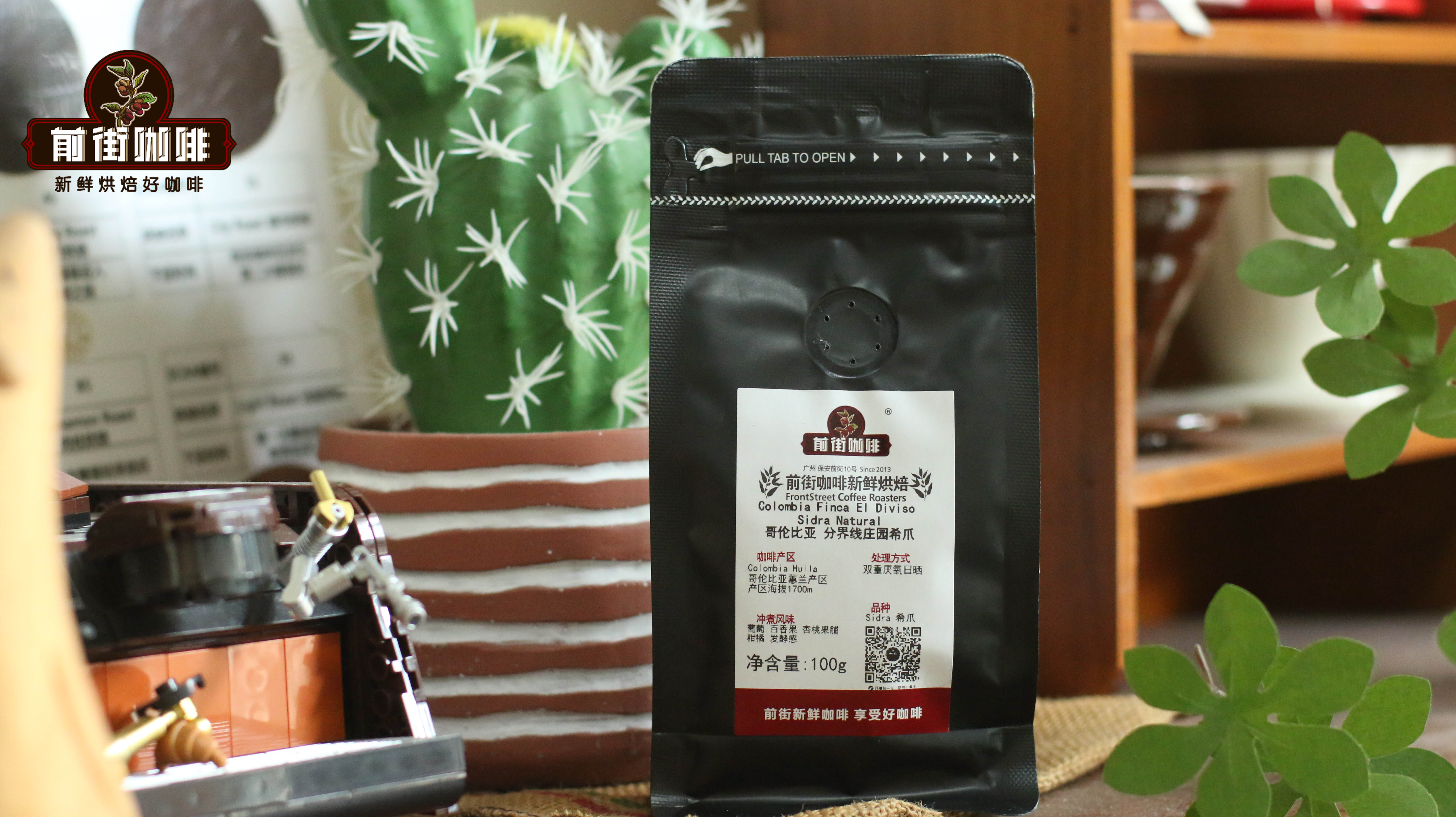
Ice Drip Coffee Beans | What are the techniques for making delicious ice drip coffee? What selected single-origin coffee beans are recommended for ice drip cold brew coffee?
Cold brew coffee refers to a method of slowly extracting coffee aromatic substances by evenly dripping ice water over coffee grounds under normal pressure. Since the low-temperature ice water does not easily extract the bitter substances from the coffee, and the slow flow rate greatly increases the extraction yield, cold brew has a rich but not bitter taste. If you choose a flavor that is more distinctive, [more…]

Which coffee types do coffee connoisseurs prefer? A complete guide to ordering techniques at specialty coffee shops and pour-over, cold brew, and espresso.
For those who truly appreciate coffee, pour-over, cold brew, and espresso are the three most commonly chosen categories of drinks. Pour-over uses hot water and natural gravity for extraction, giving a clean and layered flavor; cold brew uses cold water for a long soak, producing a full-bodied mouthfeel with fruity sweetness; espresso uses pressure to quickly extract a small amount of rich, mellow coffee liquid. Cafes mostly choose single-origin coffee beans for making pour-over and cold brew, while they prefer blended beans for espresso. This article will systematically sort out the differences between single-origin and blended coffee, brewing parameters, espresso blend recipes, and ordering ideas, and share Front Street Coffee's commitment to fresh roasting and consistent output, helping you order exactly the cup you want in a coffee shop. [more…]
Analysis of the Causes of Ice Drip Coffee Bitterness and the Principles of Low-Temperature Extraction | Front Street Teaches You to Master Drip Techniques
Cold brew coffee has a rich, smooth taste with no bitterness or astringency, yet many people who make it at home often run into problems with bitterness or poor dripping. Starting from the principles of low-temperature extraction, this article explains why cold brew coffee is sweeter than pour-over, and breaks down key steps in detail, including bean selection, grind size, dripping speed, coffee-to-water ratio, and serving methods. Front Street Coffee will also share a recipe for making cold brew with a blend of Honduras Lychee Orchid and Geisha Village Red Label, guiding you to a cup of cold brew coffee that is layered and rich, with vinous notes and fruity acidity. [more…]
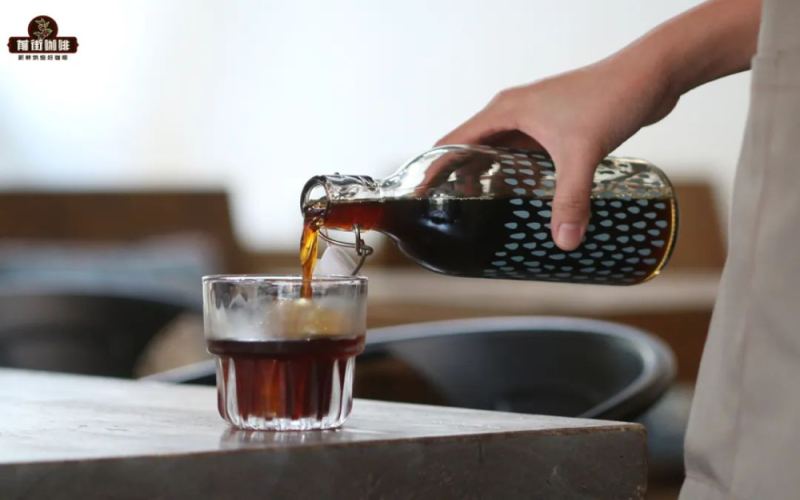
Cold Brew Coffee Grind Size Recommendations | What Are the Coffee-to-Water Ratios and Techniques for Making Cold Brew Coffee? Can Blended Coffee Beans Be Used for Cold Brew Coffee?
What makes a good cold brew coffee? There is no detailed standard; everyone has their own methods and standards. What details should be noted when making cold brew coffee—bean selection, grind size, coffee-to-water ratio, drip rate, storage and shelf life, and so on? Today's article will cover various operational details. [more…]

A Review of Popular Cold Brew Coffee Maker Brands and a Practical Guide: A Full Breakdown from Bean Selection to Cold Brew Fermentation
Cold brew coffee, with its refreshing sweet-and-sour flavor profile brought about by low-temperature extraction, has been gaining increasing favor among coffee enthusiasts in recent years. But if you want to make a delicious batch of cold brew at home, every step matters—from bean selection, grinding, and tamping to drip rate and refrigerated fermentation. This article walks through the complete cold brew-making process, covering in detail how to choose coffee beans based on roast level and freshness, the key techniques for leveling and tamping the grounds, the role of pre-wetting and placing filter paper, the standard range for grind size, how to regulate drip rate and coffee-to-water ratio, and the flavor-enhancing effect of refrigerated resting. The article also recommends several single-origin beans suited to cold brew, including Front Street Coffee's Sidra, Strawberry Candy, and Cherry Tomato, along with specific recipes and operating parameters—making it a useful reference for coffee lovers who want to systematically master cold brew techniques. [more…]

A Complete Guide to Iced Coffee Types and Characteristics: Detailed Brewing Methods for Japanese-Style Iced Pour-Over, Drip Bags, and Cold Brew
On a scorching summer day, a glass of iced coffee is nothing short of a lifesaver. This article systematically breaks down the types and characteristics of coffee beans suitable for making iced coffee, including three Front Street Coffee recommendations—Ethiopia Natural Red Cherry, Panama Elida Natural Typica, and Colombia Diviso Strawberry Claw—and explains in detail three brewing methods that work equally well at home or in the office: Japanese iced pour-over, drip-bag iced coffee, and cold brew, covering key parameters such as coffee-to-water ratio, water temperature, grind size, and pouring technique to help you easily make a refreshing, full-bodied summer drink. [more…]
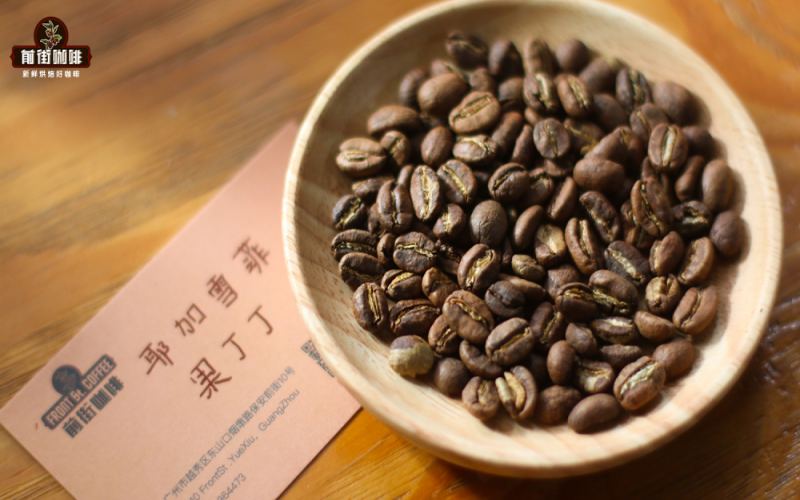
Yirgacheffe Pour-Over Parameters Explained: Brewing Techniques for Washed and Natural Beans and Cold Brew Methods
Yirgacheffe is one of Ethiopia's most iconic coffee regions, and its washed and natural beans each have their own strengths in flavor expression. This article will start with key parameters such as grind size, dripper selection, water temperature, and coffee-to-water ratio to break down in detail the brewing approach for two beans from Front Street Coffee: the washed Gedingding Cooperative and the natural Red Cherry, and will also include the complete steps for making cold brew coffee at home. Whether you want to highlight bright acidity or full-bodied sweetness, you can find corresponding parameter recommendations here, allowing every cup of Yirgacheffe to showcase its refined and captivating flavor layers. [more…]