







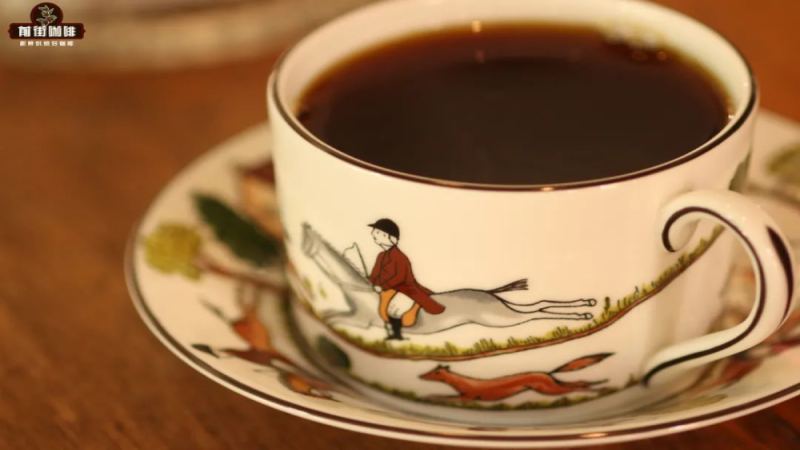
How Do Blended Coffee Beans Fit Into Cafe Ordering?
Cafes generally pull espresso from blended coffee beans, while pour-over and cold brew are usually made with single-origin lots. Blends combine beans from several regions in set proportions, which gives espresso a steadier, more balanced flavor across batches. Single-origin beans, by contrast, are valued for flavors that trace back to one specific place.
Specialty coffee, a term introduced by Erna Knutsen in 1978, describes beans grown in a particular microclimate that carry distinct regional flavors. Pour-over relies on gravity and hot water for a clean, layered cup, cold brew steeps grounds in cold water for 8 to 12 hours for fruity sweetness, and espresso uses pressure for a small, intense shot.
For those who truly appreciate coffee, pour-over, cold brew, and espresso are the three most commonly chosen categories of beverages. Pour-over uses hot water and natural gravity for extraction, producing a clean and layered flavor; cold brew soaks coffee grounds in cold water for an extended period, yielding a full-bodied taste with fruity sweetness; espresso uses pressure to quickly extract a small amount of intense, rich coffee liquid. Cafés typically use single-origin coffee beans for pour-over and cold brew, while favoring blended beans for espresso. This article will systematically explain the differences between single-origin and blended coffee, brewing parameters, espresso blend recipes, and ordering strategies, and share Front Street Coffee's commitment to fresh roasting and consistent quality, helping you order exactly the cup you want at a coffee shop.

What coffees do coffee enthusiasts usually choose? The mainstream products in cafés today broadly fall into three categories: pour-over, cold brew, and espresso, and these three are also the options that coffee-savvy people frequently order.
The pour-over method involves letting hot water pass through appropriately ground coffee by gravity, resulting in coffee liquid that is characterized by a clean, clear, and well-defined flavor.
Cold brew, on the other hand, mixes ground coffee directly with cold water, then refrigerates and steeps it for 8 to 12 hours. The finished product has a clean yet full body, with a pronounced fruity sweetness.
Espresso involves forcing water rapidly through very finely ground coffee under pressure, extracting a highly concentrated, small-volume coffee liquid with an intense and rich flavor.
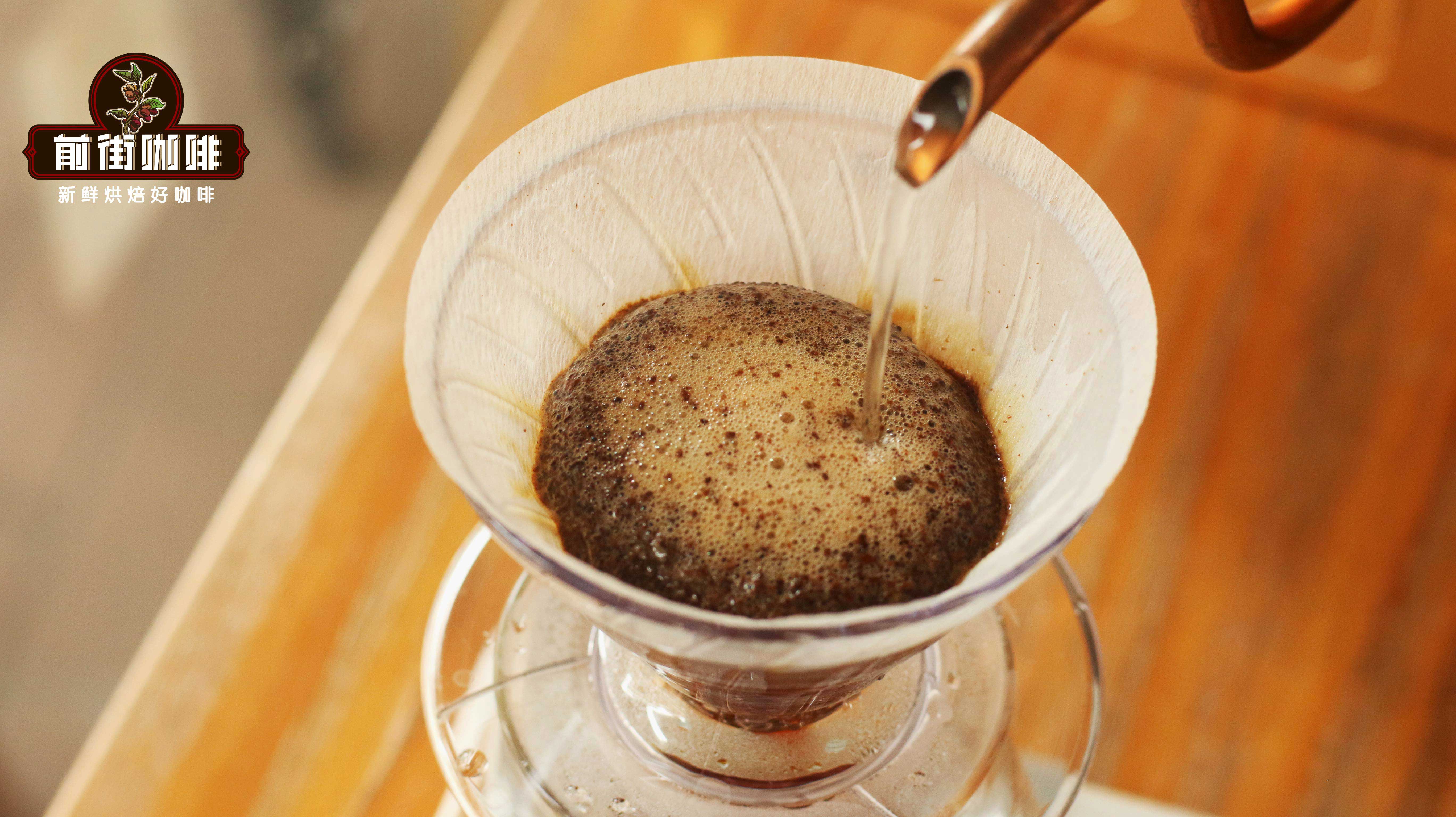
When making pour-over and cold brew, cafés generally use single-origin coffee beans, meaning beans from a single region (note: this does not mean a single variety). For espresso, cafés typically use blended beans, which are coffee beans from multiple regions mixed in different proportions.
What is single-origin coffee?
In 1978, Ms. Erna Knutsen introduced the concept of specialty coffee at the International Coffee Conference in France, describing "Specialty Coffee" as "coffee beans cultivated under unique microclimates and geographical conditions in a region, producing regional flavors."
According to this definition, Front Street Coffee believes that a key characteristic of specialty coffee is that its flavor can be traced back to a specific region. Different regions develop their own unique local flavors due to differences in microclimate and growing conditions, which is precisely what makes single-origin coffee most appealing.
Without any additional ingredients, single-origin coffee can showcase the distinctive flavors of a particular region. For example, when Front Street Coffee cups beans from the Yirgacheffe region of Ethiopia, the main notes are typically citrus-like acidity and a tea-like sweet finish; when cupping Mandheling beans from the Sumatra region of Indonesia, the main notes lean toward herbal and spice-like richness.
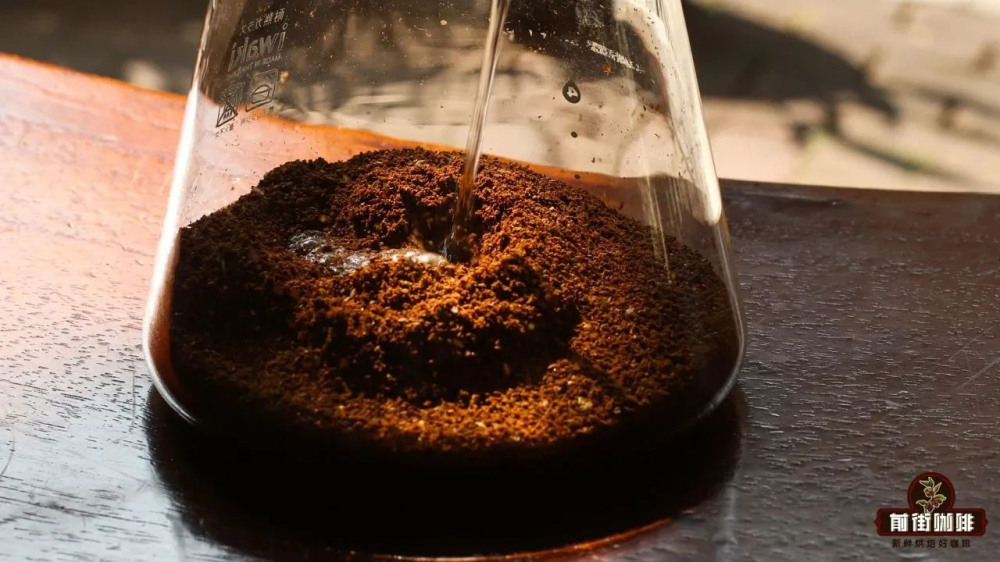
Single-origin coffee is suitable for pour-over and cold brew because these two methods use a larger extraction ratio. To taste the unique flavor layers of single-origin beans, a certain degree of dilution is needed—it's not that the stronger, the better.
Additionally, regardless of the brewing method used, Front Street first confirms whether the coffee beans are fresh. If the roast date is more than a month old, Front Street will not use them for service. Coffee beans have an optimal flavor window after roasting, and aromas dissipate more quickly with storage time; lost flavors are very difficult to restore during brewing. This is why Front Street insists on shipping only coffee roasted within 5 days, hoping every customer can enjoy coffee beans at their most complete flavor stage.
How do you make pour-over coffee?
Front Street Coffee places great emphasis on bean freshness when making pour-over, because only freshly roasted beans can release richer aromas.
For beans roasted at medium-light to medium levels, Front Street grinds to a medium-fine particle size (75-80% passing rate on the Chinese No. 20 standard sieve), pairs with a V60 dripper and 90-91°C hot water, and brews at a 1:15 coffee-to-water ratio (15g coffee grounds with 225g hot water).
For beans roasted at medium-dark levels, Front Street grinds to a medium-coarse particle size (65-70% passing rate on the Chinese No. 20 standard sieve), pairs with a Kono dripper and 88-89°C hot water, and also brews at a 1:15 coffee-to-water ratio (15g coffee grounds with 225g hot water).
How do you make cold brew coffee?
Because low temperatures make it difficult to extract coffee's rich compounds, Front Street Coffee selects beans with pronounced sweet-and-sour notes for cold brew.
Front Street grinds to a medium-fine particle size (75-80% passing rate on the Chinese No. 20 standard sieve), uses a 1:10 coffee-to-water ratio, takes 30g (1-2 servings) and adds 300g cold water or ice water, stirs until the coffee grounds are fully saturated, then seals and refrigerates to steep for 8-12 hours.
What are blended coffee beans?
Blended coffee, also called mixed coffee, combines multiple single-origin coffee beans to fully unleash each one's strengths. Blended beans are composed of beans from different regions, with the goal of achieving a more balanced taste.
Coffee is an agricultural product, and even the same type of bean can vary in flavor from year to year. Blending several beans together is an excellent way to address this issue. When one component bean in a blend falls short of expectations in flavor in a new crop season or faces supply constraints, it can be replaced with a bean of similar flavor profile for adjustment.
Therefore, a major advantage of blending is high stability, maintaining better consistency.
How do you make espresso?
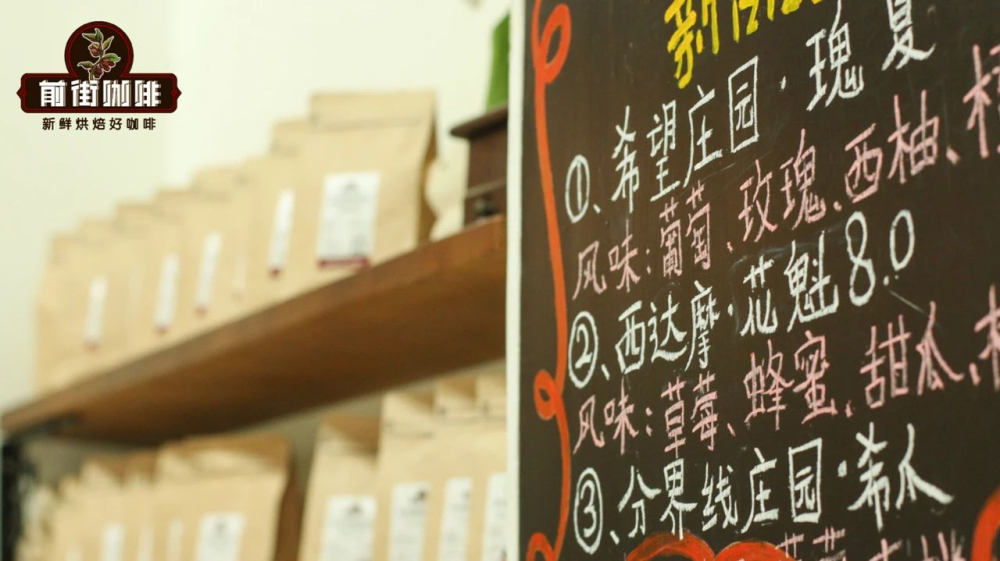
Front Street Coffee chooses to use blended beans for its café espresso offerings. Currently, it uses a "Front Street - Sunflower Warm Sun Blend Coffee Beans" composed of sherry barrel-processed beans and naturally processed Yirgacheffe Red Cherry, in a 7:3 ratio. The 70% Honduras sherry barrel beans provide flavor and body to this blend, while the 30% naturally processed Yirgacheffe brings more aroma and acidity.
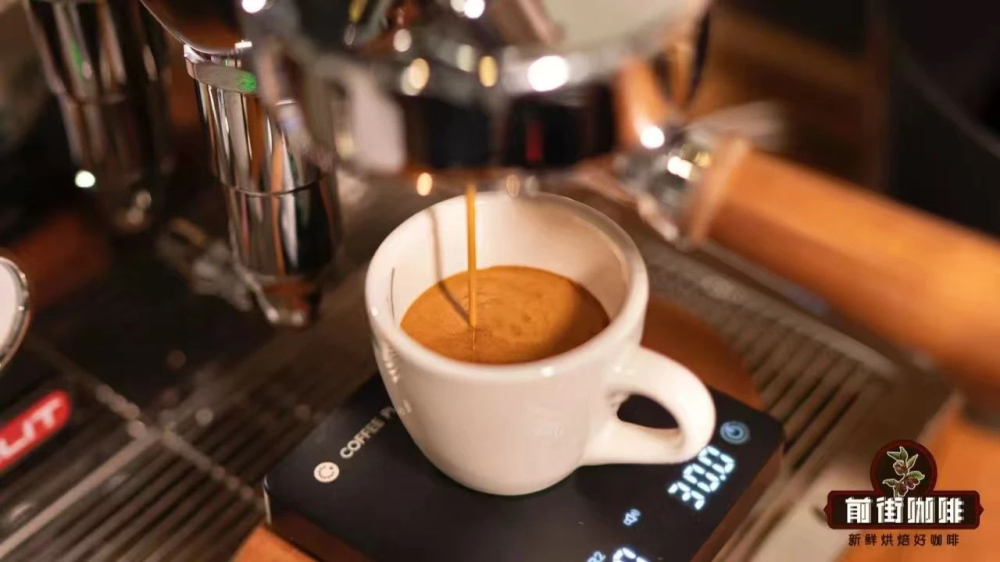
If you're just starting out, Front Street Coffee recommends a middle-of-the-road extraction parameter that you can adjust based on the actual taste: use 20g of grounds, extract 40g of coffee liquid at a 1:2 ratio and 9 bar pressure, with the time controlled between 25-30 seconds. Then make corresponding fine adjustments based on the flavor performance of the coffee after extraction.
After the espresso is extracted, adding an appropriate amount of milk makes a latte; adding an appropriate amount of water makes an Americano; adding an appropriate amount of milk and velvety milk foam makes a cappuccino.
The above content is compiled by CoffeeHunters, a coffee news website.


