







Search Results for: coffee-to-liquid ratio
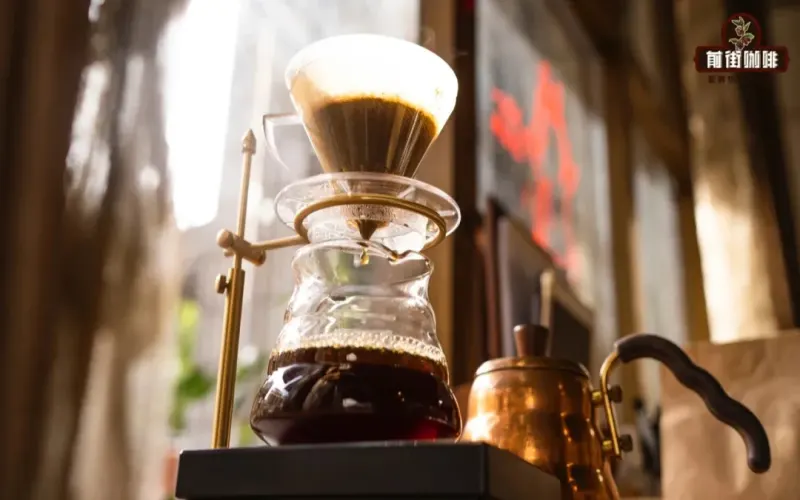
Why Is It Not Advisable for Beginners to Use the Coffee-to-Liquid Ratio? A Detailed Explanation of the Core Differences Between the Coffee-to-Water Ratio and the Coffee-to-Liquid Ratio
There are two main ways to measure coffee for pour-over: the coffee-to-water ratio and the coffee-to-liquid ratio, but Front Street does not recommend that beginners use the coffee-to-liquid ratio to brew coffee. What exactly is the difference between the two? Simply put, the coffee-to-water ratio measures the amount of water poured in, while the coffee-to-liquid ratio measures the weight of the final brewed coffee liquid. The reason the coffee-to-liquid ratio is not quite suitable for beginners is that it does not allow you to accurately know how much water was poured in each time, and you can only rely on experience and visual judgment. A slight lapse can lead to pouring too much hot water at a critical stage, affecting the quality of the final cup. This article will start with the differences between the two and their historical origins, and combine them with a set of comparative experiments done by Front Street using Panama Boquete Geisha to explain the actual effect of blooming water volume on flavor, helping you choose the right measuring method and brew good coffee consistently. [more…]
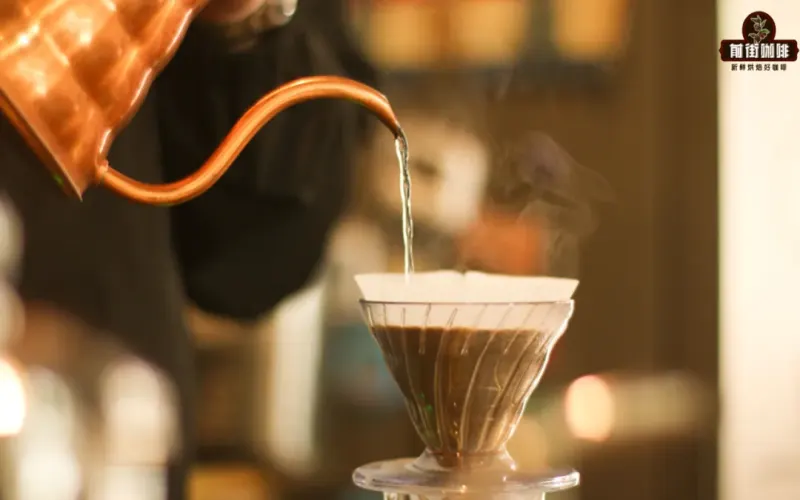
What is the difference between coffee-to-water ratio and coffee-to-liquid ratio in pour-over coffee? How to correctly calculate ratios under the Golden Cup extraction standard
When brewing coffee, the concepts of coffee-to-water ratio and coffee-to-liquid ratio may seem similar, but their meanings are actually quite different. Many beginners often confuse the two, which leads to deviations in the flavor of the final cup. Today, Front Street will break down the definitions, applicable scenarios, and conversion methods of these two ratios in detail, to help everyone control the extraction process more precisely. Understanding the essential difference between the coffee-to-water ratio and the coffee-to-liquid ratio is a key step toward mastering the Golden Cup extraction standard and consistently reproducing good flavor. [more…]
What is the difference between coffee-to-water ratio and coffee-to-liquid ratio in pour-over coffee? The calculation method and conversion logic explained clearly at once
Many friends who are just getting into pour-over coffee often confuse the coffee-to-water ratio with the coffee-to-beverage ratio, and as a result, the coffee they brew always tastes different from what they expected. In fact, although these two concepts differ by only one word, their meanings are completely different, and they cannot even be converted directly on an equal basis. Today, Front Street will explain these two measurement methods, first explaining what each of them represents, then clarifying how the coffee grounds' water absorption affects the final liquid weight, and offering a way to convert between the coffee-to-water ratio and the coffee-to-beverage ratio. Once you understand these, you will have a clearer direction when adjusting pour-over parameters, and it will be easier to consistently reproduce a delicious cup of coffee. [more…]
What Exactly Do Coffee-to-Water Ratio and Coffee-to-Liquid Ratio Mean? A Clear Explanation of Two Key Parameters and Their Conversion Logic
In the brewing process of specialty coffee, the coffee-to-water ratio and the coffee-to-beverage ratio are two core concepts that cannot be avoided. Many people assume they are simply different names for the same thing, but in reality their calculation methods and applicable scenarios differ significantly. This article will start from the basic definitions of these ratios, first explaining the meaning and advantages of the coffee-to-water ratio, then delving into why the coffee-to-beverage ratio cannot be directly equated with the coffee-to-water ratio, and, combined with the water absorption rate of coffee grounds, provide a practical conversion method. Once you understand these two parameters, you will have clearer direction when adjusting your brewing recipe, and it will be easier to consistently reproduce your ideal flavor performance. [more…]
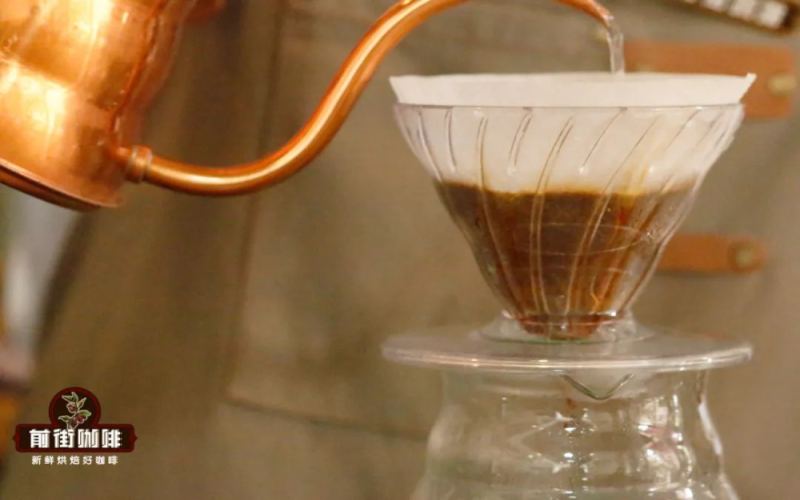
The Difference Between Coffee-to-Water Ratio and Coffee-to-Beverage Ratio Explained: Choosing and Converting Measurement Methods for Pour-Over
In the daily practice of pour-over coffee, the coffee-to-water ratio and the coffee-to-beverage ratio are two concepts that are often mentioned but easily confused. The former refers to the ratio of coffee grounds to the amount of water poured, while the latter measures the relationship between the coffee grounds and the weight of the final brewed coffee liquid. Since coffee grounds absorb about twice their own weight in water during extraction, there is a convertible correspondence between these two ratios. Understanding their differences not only helps in choosing the appropriate measurement method for different brewing scenarios, but also enables coffee enthusiasts to precisely control the extraction results. This article will systematically sort out the definitions of the coffee-to-water ratio and the coffee-to-beverage ratio, the conversion logic, and their respective applicable occasions, and combine them with the practical experience of Front Street Coffee to provide readers with clear operational guidance. [more…]
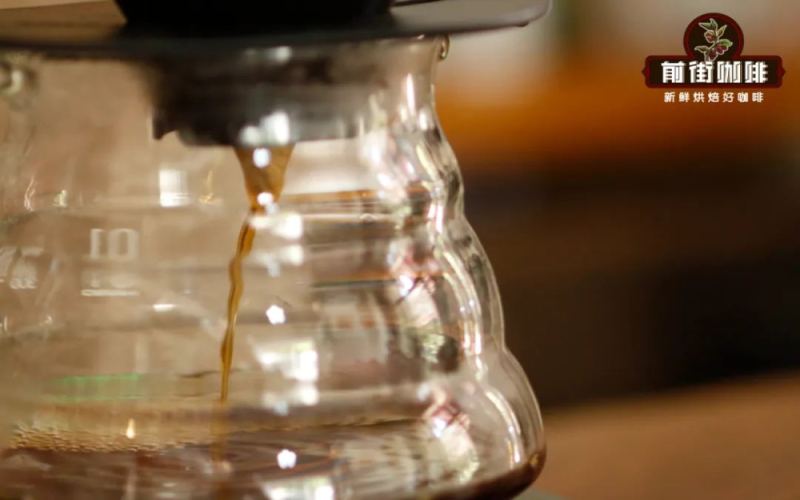
How to Choose the Coffee-to-Water Ratio and Coffee-to-Liquid Ratio for Pour-Over Coffee? A Full Analysis of Drip Parameters and Conversion Logic
In the parameter system of pour-over coffee, the coffee-to-water ratio and the coffee-to-liquid ratio are two parallel measurement logics. The former relies on a digital scale to precisely control the amount of water poured, while the latter judges the final volume of coffee liquid through the markings on a serving carafe. Many classic utensils, such as the Kono serving carafe and the Hario Cloud server, have hidden scale markings that correspond to specific coffee dose designs. The coffee-to-liquid ratio is more flexible when dealing with clogged drippers and deep-roast foam handling, while the coffee-to-water ratio excels in the precision of staged pouring information. The two can also be converted into each other: coffee grounds absorb about twice their own weight in water when saturated, so a coffee-to-water ratio of 1:15 is roughly equivalent to a coffee-to-liquid ratio of 1:13. Only by understanding this logic can reasonable adjustments be made according to different beans and utensils. [more…]
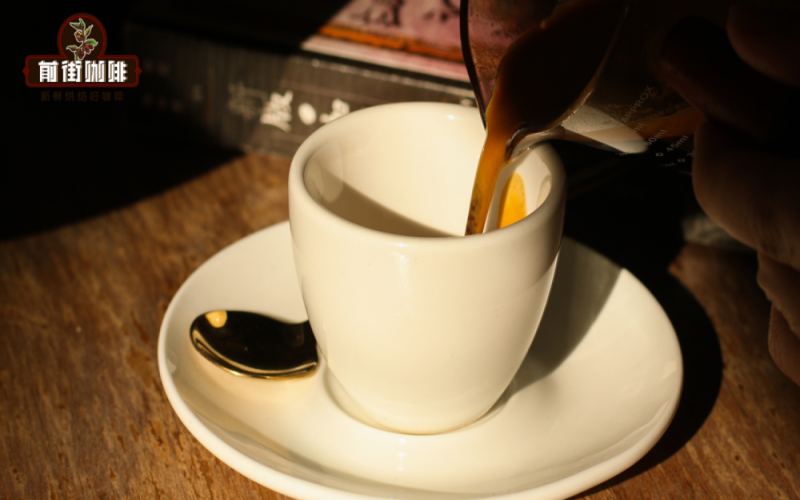
How to Extract Espresso? A Full Analysis of Dose-to-Yield Ratio, Grind Size, and Extraction Time
To make a decent espresso at home, you need to get three things straight: how much coffee you use, how much liquid you extract, and how fine you grind. The standard reference is a 1:2 coffee-to-liquid ratio—about 9 grams of coffee yielding 18 grams of liquid for a single shot, and 18 grams of coffee yielding 36 grams for a double, with the actual output fine-tuned to taste. As for grind size, watch the flow rate: if it runs fast, grind finer; if it runs slow, grind coarser, until the extraction time falls within the right range. The roast level of the beans also matters a lot—medium-dark roasts and darker make it easier to achieve a balanced flavor. Drawing on the real-world parameters of Front Street Coffee's classic blend, this article lays out the extraction logic clearly in one go. [more…]
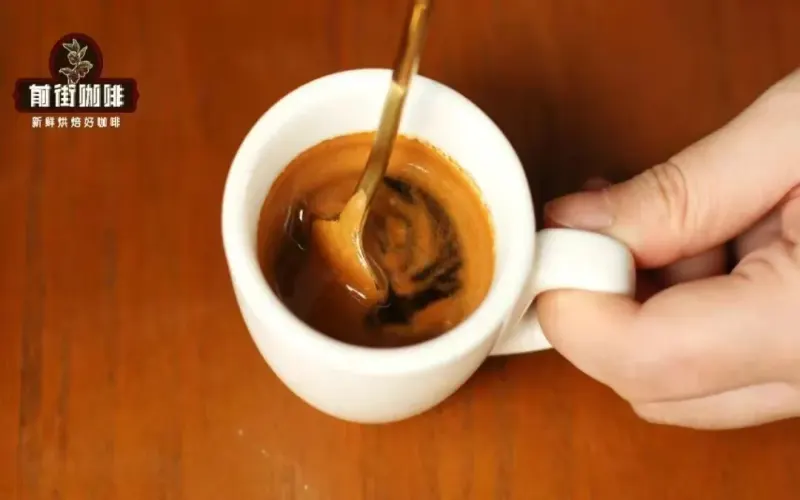
Espresso Extraction Parameters | Why Is the Espresso Brew Ratio 1:2? How Do You Adjust Extraction Time, Coffee-to-Water Ratio, and Water Temperature for Espresso?
Friends often tell Front Street Coffee that they've just bought a new coffee machine but don't know how to dial in a standard espresso. They don't know how much coffee grounds to use, how much liquid weight to extract, or how long it should take. And even if they follow popular extraction formulas like "use 18g of grounds to extract 36ml of coffee liquid," what they end up with [more…]
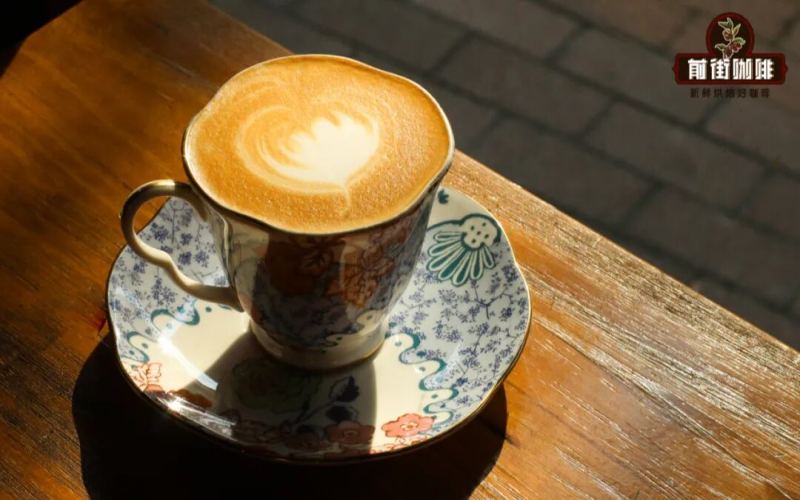
Espresso | What is the golden extraction ratio for espresso? Must the coffee-to-liquid ratio for making espresso be 1:2?
Front Street Coffee believes that after you've been working with espresso for a while, you'll certainly be familiar with the "1:2" brew ratio, because it's often hailed as the "golden ratio" for espresso and is the most commonly used ratio when extracting espresso. Brew ratio refers to the amount of coffee grounds used [more…]
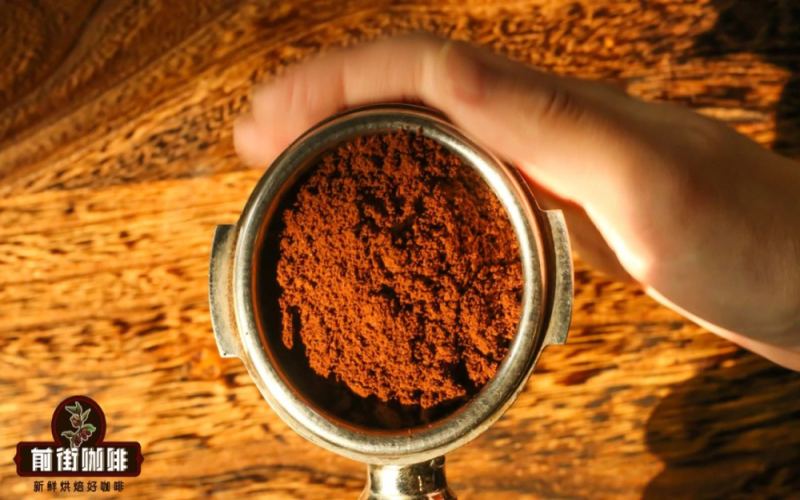
Espresso Coffee Powder-to-Water Ratio | How Many Milliliters Is 1 Shot of Espresso? What Is the Correct Way to Drink Espresso? Introduction to Espresso Extraction Recipes
The standard espresso ratio is 1:2—a single shot uses 9g of grounds to yield 18g of liquid, and a double shot uses 18g of grounds to yield 36g of liquid. When actually pulling a shot, fine-tune based on this brew ratio and the taste. The grind size for espresso is also adjusted by referencing this extraction time: if it runs fast, grind finer; if it runs slow, grind coarser, until the extraction time matches. [more…]
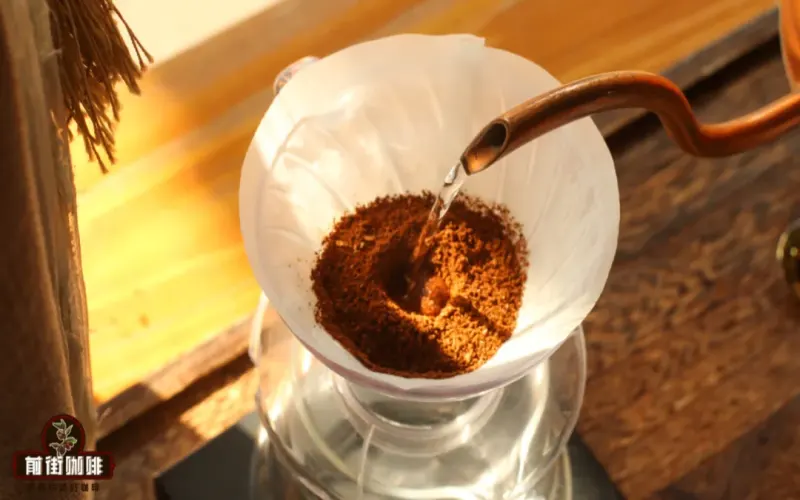
Master these two core formulas to easily make a well-balanced Italian latte
Latte coffee seems simple, but in reality it hides real craftsmanship. Many people follow a recipe, yet the final result always feels like it falls a bit short, and the problem often lies in parameter control. This article starts with the espresso extraction formula and the coffee-to-milk ratio formula, breaking down how to use variables such as the coffee-to-water ratio, extraction time, and milk quantity to bring a latte to a state of balanced flavor and full-bodied texture. Whether you prefer the rich chocolate notes of a dark roast or the bright fruit acidity of a light roast, the article provides corresponding adjustment approaches, and also includes a simple method for iced latte, helping you elevate your latte from "drinkable" to "delicious." [more…]
How Should the Espresso Brew Ratio Be Determined? A Complete Guide from Dose and Grind Size to Extraction Time
To make a decent espresso at home, the coffee-to-water ratio and grind size are two core variables you can't avoid. Standard espresso is usually based on 1:2, with a single shot using about 9 grams of coffee to extract 18 grams of liquid, and a double shot using 18 grams of coffee to 36 grams of liquid, but the actual output still needs fine-tuning based on how it tastes that day. The most intuitive way to judge whether the grind size is right is the extraction flow rate: if the liquid comes out too fast, the grind is too coarse and needs to be made finer; if the liquid comes out too slow, the grind is too fine and needs to be made coarser, until the extraction time falls within a reasonable range. Besides the parameters, the choice of beans is equally key—medium-dark roast blends or darker are more likely to achieve a balanced, stable flavor. This article will organize an actionable set of adjustment ideas around dose, ratio, grind size, and extraction time. [more…]
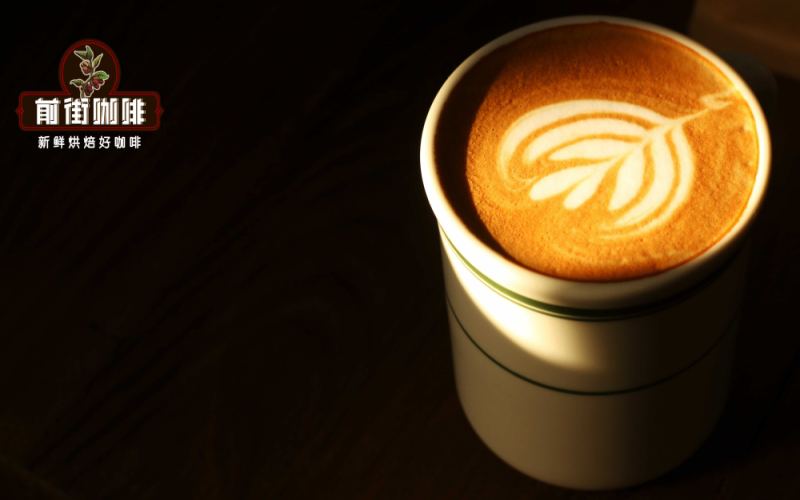
Standard Espresso Extraction Time | What's the Difference Between Americano and Espresso? What Factors Affect the Flavor of Espresso?
Espresso Extraction Standard Time - The Difference Between Americano and Espresso. Front Street Coffee has noticed that many friends have fallen in love with espresso topped with golden crema and hope to make it at home. Compared with pour-over, espresso is made using steam pressure, with scalding hot water passing through the coffee grounds to brew a small [more…]
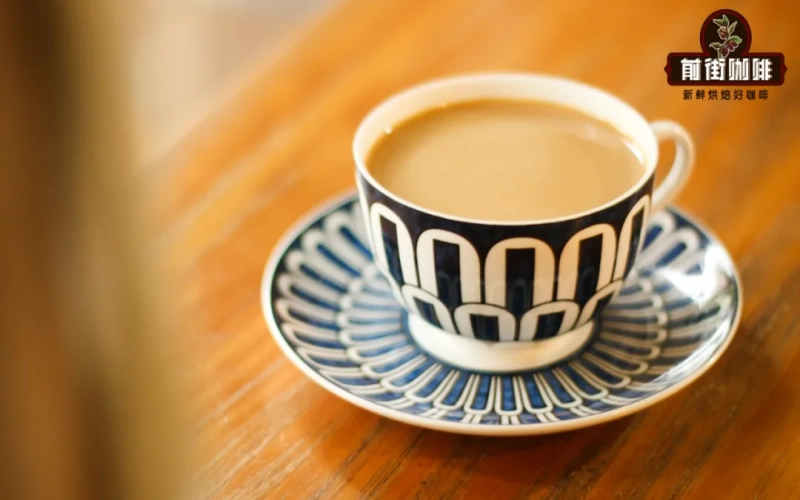
Can Pour-Over Coffee Also Make Milk Coffee? A Complete Guide to Pairing a High-Extraction Pour-Over Base with Milk
When it comes to combining pour-over coffee with milk, most people think of café au lait, but café au lait has a relatively low coffee concentration, and its flavor is easily diluted once milk is added, making it clearly different from an espresso-based latte. Front Street Coffee recently noticed a shop-visit video by a well-known Korean coffee blogger, in which a champion barista used a pour-over method to make a milk coffee with excellent flavor and mouthfeel. This article will focus on the extraction logic of espresso and share how to obtain a very high-concentration pour-over coffee as a base by adjusting the coffee-to-water ratio, grind size, water temperature, and stirring technique, then add milk in an appropriate ratio to create a drink that comes infinitely close to a latte. It will also recommend medium-dark roasted beans suitable for pairing with milk and specific Front Street Coffee products, and include complete brewing parameters and operating steps. [more…]
The Golden Cup Extraction Rate for Espresso | How Can Coffee Beginners Make Espresso at Home? What Grind Size and Coffee-to-Water Ratio Should Be Used to Make Espresso?
Every day before Front Street opens for business, we adjust the espresso extraction parameters first before attending to anything else. This is because all other espresso-based drinks served at Front Street require espresso as their base, so you can imagine how important a delicious shot of espresso is. Espresso is made using a fully automatic/semi-automatic [more…]
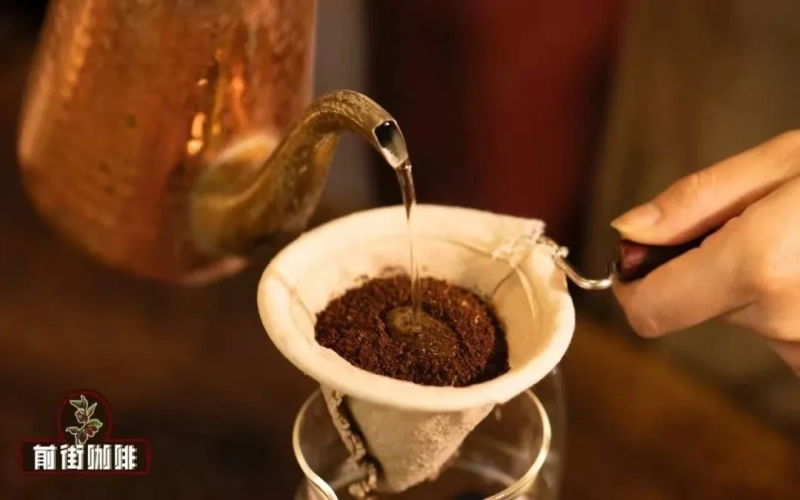
Why Japanese people prefer flannel cloth for brewing coffee: an analysis of the differences from paper filters and brewing characteristics
The flannel filter cloth holds a unique place in Japanese-style pour-over, but most coffee enthusiasts are more accustomed to paper filters and filter holders in their daily routine. This article begins with the historical origins of flannel, explains why it is widely favored in Japan, and analyzes its fundamental differences from paper filters in terms of material structure and extraction performance. The article also demonstrates in detail the complete steps for brewing dark-roasted beans with a flannel filter cloth, including setting the coffee-to-water ratio, pouring technique, and timing control, and compares the flavor with the same Front Street PWN Golden Mandheling brewed using a Kono dripper with a paper filter, helping readers understand the differences in aroma, mouthfeel, and clarity between the two filtration methods. Finally, it explains why domestic cafés rarely use flannel for their brews, providing a practical reference for coffee enthusiasts. [more…]
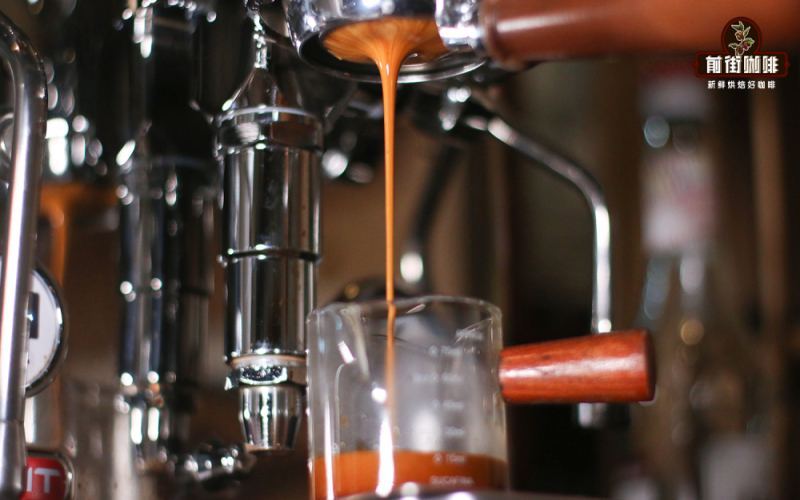
Why Can't Espresso Be Repeatedly Extracted? Explaining the Key to Standard Extraction Time and Coffee-to-Water Ratio
Espresso extraction is a discipline that lives in the details—from the dose-to-yield ratio and grind size to extraction time and flow rate, every variable directly shapes what ends up in the cup. Drawing on the bar experience at Front Street Coffee, this article explains the principles behind espresso extraction, why coffee grounds cannot be extracted a second time, and how pressure and water temperature create that signature layer of crema. It also introduces four Front Street espresso blends suited to different flavor preferences, helping coffee lovers find a stable and delicious espresso recipe for everyday brewing. [more…]
Espresso Extraction Time and Brew Ratio Standards: Why Can't Espresso Grounds Be Reused for Extraction?
To make a standard espresso, variables such as extraction time, coffee-to-water ratio, grind size, flow rate, pressure, and water temperature are all indispensable. Starting from Front Street Coffee's store experience, this article breaks down one by one several key parameters that affect espresso flavor, and explains why espresso grounds cannot be extracted a second time—once soluble aromatic substances have been released to about 22%, continuing to add water will only bring out off-flavor large molecules. In addition, it also summarizes the flavor characteristics of four Front Street espresso blend beans for coffee lovers to choose according to taste preferences. [more…]
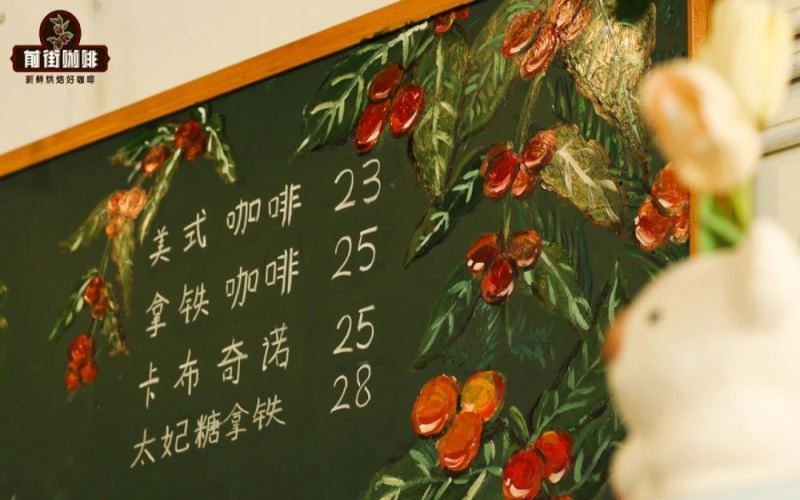
Starbucks Flat White vs. Americano: A Taste and Bitterness Comparison, and an Analysis of the Core Differences Between Flat White and Cappuccino
On Starbucks' menu, Americano, Latte, and Flat White are all very familiar options to consumers, and among them, Flat White quickly became popular after being introduced in 2020. Many people are curious: which is more bitter, Flat White or Americano? And how is it different from Cappuccino? This article will, from the perspective of Front Street, introduce the definition, origin, and cultural background of Flat White, analyze its differences from Latte and Cappuccino in terms of espresso dosage and milk foam texture, and share the specific way Front Street stores make Flat White, including blend bean selection, the coffee-to-liquid ratio of ristretto, and extraction parameters, to help you understand this milk coffee more comprehensively. [more…]
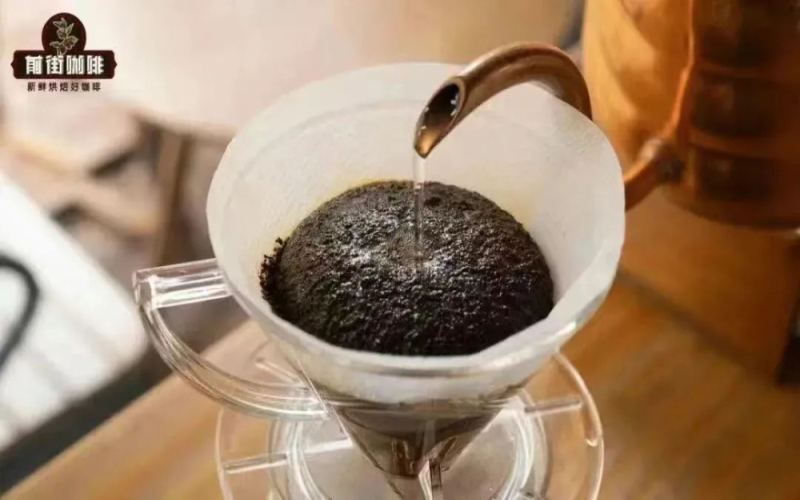
Why Does Japanese Hand-Drip Coffee Favor a Large Dose? Analyzing the Extraction Logic of High Concentration and Low Extraction
Japanese-style pour-over often uses a large dose of 20g or more—what extraction logic lies behind this? Starting from the characteristics of the dark-roasted beans favored by the Japanese, this article explains why they dislike bitterness, why they choose a coarse grind, and how a large dose slows the flow and increases concentration by thickening the coffee bed, ultimately forming a "high concentration, low extraction" style. The article also compares the differences between the Japanese-style coffee-to-liquid ratio and the conventional coffee-to-water ratio, and points out how a long extraction time, combined with a large dose, brings out caramel aroma and a highly sweet, lingering finish. If you are interested in the unique methods of Japanese brewing, or want to understand the concept of high concentration, low extraction discussed by Front Street Coffee, this article will give you clear answers. [more…]