







How Do You Build a Balanced Italian Latte
An Italian latte rests on two formulas: espresso extraction and the coffee-to-milk ratio. Pull the shot at roughly a 1:2 coffee-to-liquid ratio with extraction time near 30 seconds, then combine it with milk at a set proportion. The 1:2 ratio keeps espresso concentrated enough that the milk does not wash out the coffee flavor.
The latte milk coffee ratio is the second lever. Adjust the milk quantity to suit the roast, whether dark and chocolatey or light and fruity, and use the same logic for iced versions while accounting for added cooling and dilution. Controlling concentration and extraction yield keeps the drink balanced rather than thin or bland.
Latte coffee seems simple, but in reality it hides subtle secrets. Many people follow recipes, yet the final product always feels like it's missing something—the problem often lies in parameter control. This article starts with the espresso extraction formula and the coffee-to-milk ratio formula, breaking down how to use variables like coffee-to-liquid ratio, extraction time, and milk quantity to make a latte achieve balanced flavor and a full mouthfeel. Whether you prefer the rich chocolate notes of a dark roast or the bright fruity acidity of a light roast, the article provides corresponding adjustment ideas, along with a simple method for iced lattes, helping you elevate your latte from "drinkable" to "delicious."
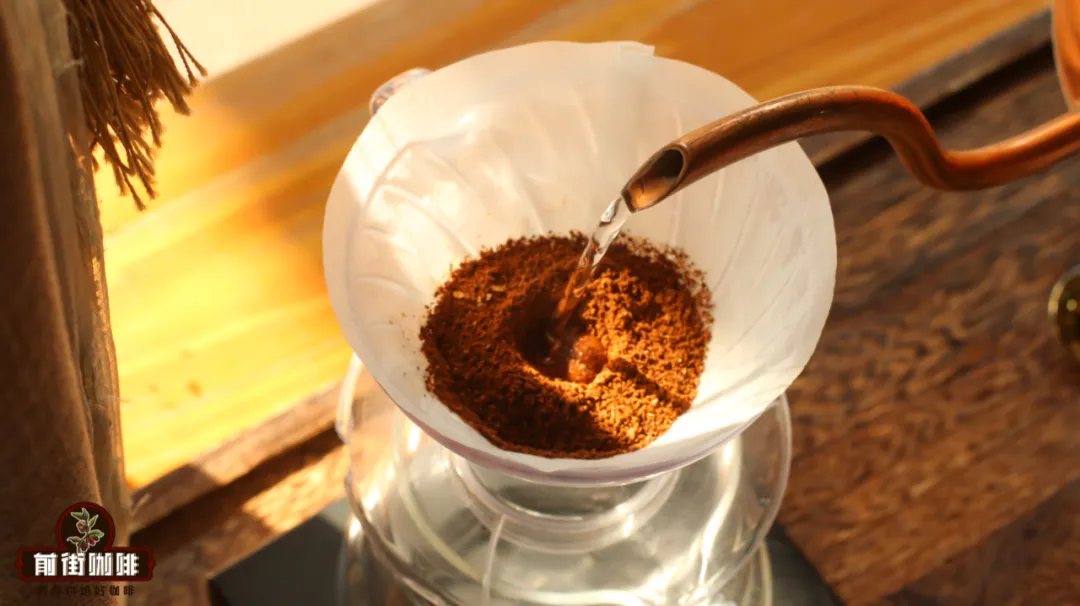





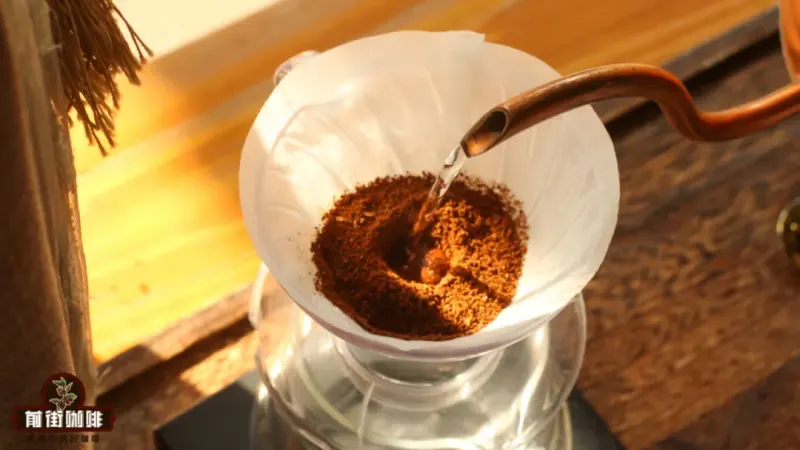
When brewing a pot of coffee, we often set parameters according to some established framework, such as grind size, water temperature, coffee-to-water ratio, and extraction time, with the goal of stabilizing the coffee flavor within a delicious range that most people approve of.
Espresso-making is likewise inseparable from a similar framework, and lattes are no exception. After Front Street Coffee previously shared a latte ratio, some friends gave feedback that what they made always fell a bit short, so today we'll go into detail about the formula needed to make a delicious latte.
The concentration and extraction yield of espresso are the two core variables that determine whether a cup of coffee is delicious, and lattes are naturally no exception. As long as these two indicators are controlled properly, the coffee basically won't taste bad—of course, the premise is that this concentration and extraction yield happen to suit your taste.
For lattes, we need to master two sets of formulas. The first is the espresso extraction formula, and this one is very critical, because the flavor and mouthfeel of a latte depend to a large extent on the espresso itself.
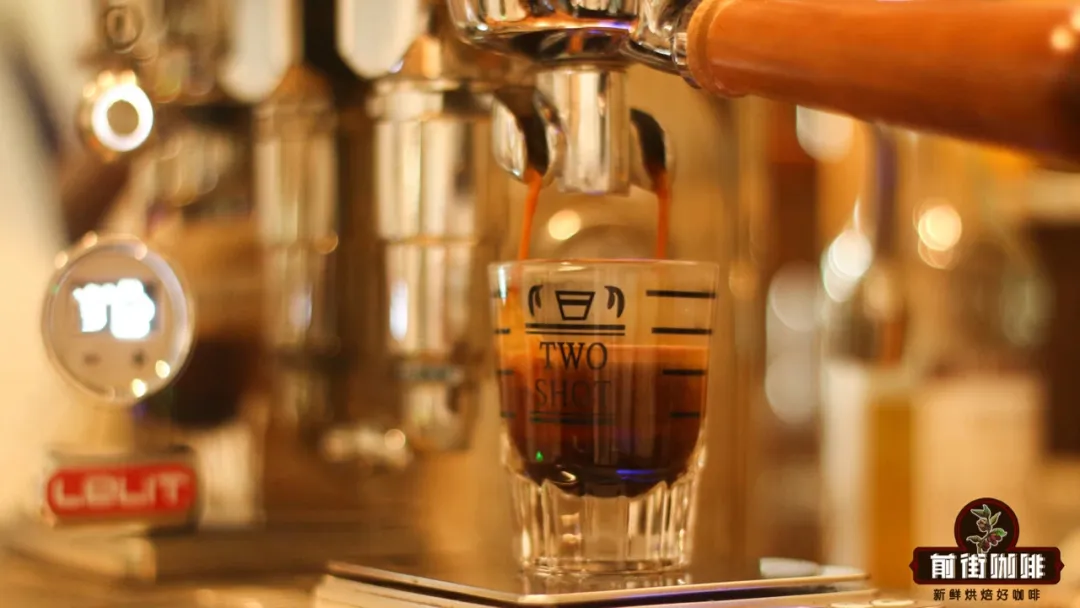
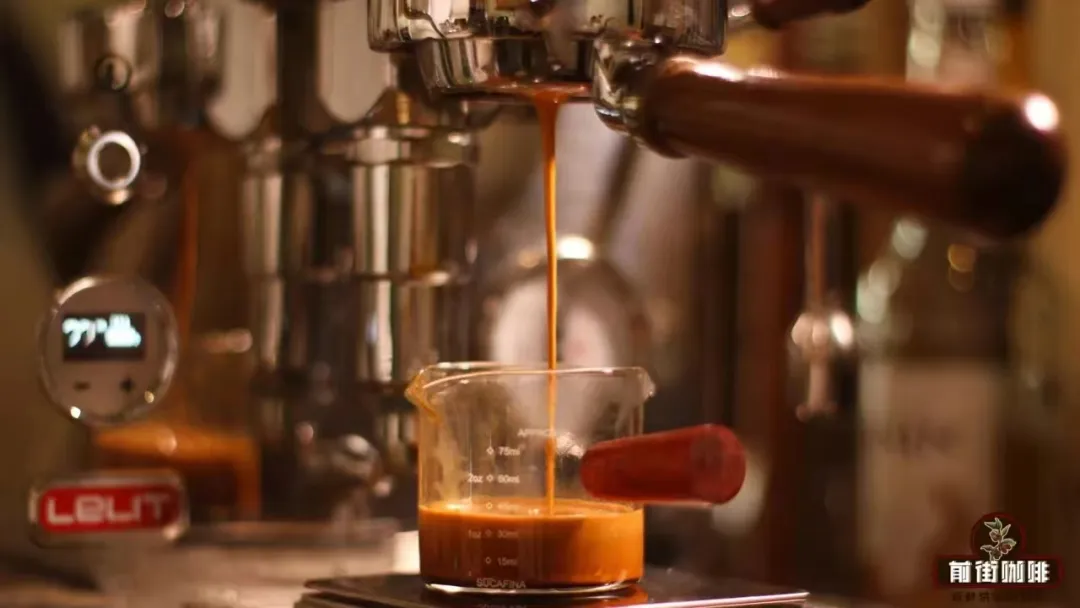
When Front Street Coffee extracts espresso, it usually uses a 1:2 coffee-to-liquid ratio, with extraction time controlled at around 30 seconds. The choice of a 1:2 coffee-to-liquid ratio is to keep the espresso at sufficient concentration—not too much water—so that when using such high-concentration coffee as the base for a latte, the coffee flavor is not easily diluted by milk to the point of blandness, and the mouthfeel does not seem thin.
Setting the extraction time at around 30 seconds, on the other hand, is to allow the coffee to be fully extracted. Many people also use a 1:2 coffee-to-liquid ratio, yet the espresso or latte they make still tastes bland, has a thin mouthfeel, and even carries a sharp acidity. When this happens, the root cause is insufficient extraction yield—many flavor substances in the coffee have not yet had time to dissolve out.
So we need to regulate the extraction yield through the variable of time. Around 30 seconds happens to allow espresso with a 1:2 coffee-to-liquid ratio to achieve relatively sufficient extraction. The main factors affecting the length of time are nothing more than grind size and dose: the coarser the grind and the smaller the dose, the shorter the extraction time; conversely, the longer it becomes.
Take Front Street Coffee's approach as an example. The espresso beans used by Front Street are the medium-dark roasted Front Street Classic Blend from the bean list. When extracting espresso, the dose is set at 20 grams, the time at 30 seconds, and the final result is about 40 milliliters of coffee liquid. The espresso extracted this way has a concentration of about 12%, with a rich and balanced entry, where flavors such as chocolate, nuts, and caramel are all clearly presented. Even as the base for a latte, its performance is by no means inferior.
Now that the espresso formula is covered, next comes the formula for coffee and milk, or more appropriately, the ratio. The ratio of coffee to milk directly determines the taste of the latte: add too much milk, and the latte's coffee flavor becomes weak; add too little milk, and the coffee flavor becomes too strong, tasting bitter and unpleasant to drink.
If you're making it for yourself, just adjust it according to personal preference. But if you're serving it to guests, Front Street Coffee still recommends referring to the taste that the general public prefers, or the "look" that everyone has in mind for what a latte should be.
Generally speaking, the latte taste recognized by most people is a balance between coffee and milk—the coffee flavor does not steal the show, nor is it completely drowned out by the milk flavor, and the sweetness is relatively prominent. To make such a latte, you need to add a sufficient amount of milk to the espresso to suppress the rich coffee flavor.
Take Front Street Coffee as an example. The espresso, as described above, is made with the medium-dark roasted Front Street Classic Blend, with a flavor dominated by roasting-type aromas such as chocolate and caramel, and is relatively intense. When making a latte, Front Street Coffee adds 200 milliliters of milk to the espresso to balance the bitterness, that is, it is made at a 1:5 ratio.
The latte made this way has very prominent sweetness, with coffee and milk not overwhelming each other but complementing each other, and the mouthfeel is also full and smooth—quite good.
If the coffee beans you use are on the lighter-roasted side, Front Street Coffee would suggest using a larger ratio, such as a 1:4 coffee-to-milk ratio.
Because the flavor of light-roasted coffee is not as intense as that of dark-roasted coffee, once too much milk is added, it can easily cover up the coffee flavor, so the amount of milk needs to be appropriately controlled to avoid excessively masking the coffee's expression.
In addition, when extracting espresso with medium-light roasted beans, it is best to also adjust the extraction yield, especially when this espresso is to be used for a latte, trying to extract more substances from the beans. This way the coffee taste will be more balanced, not too sour, and will not create too abrupt a contrast with the milk.
If you want to make an iced latte, simply reduce the milk slightly from the original basis, then add 80 to 100 grams of ice cubes, and it's done—very simple to make.
- END -
The above content is compiled by CoffeeHunters, a coffee news website.


