







Search Results for: coffee-growing region
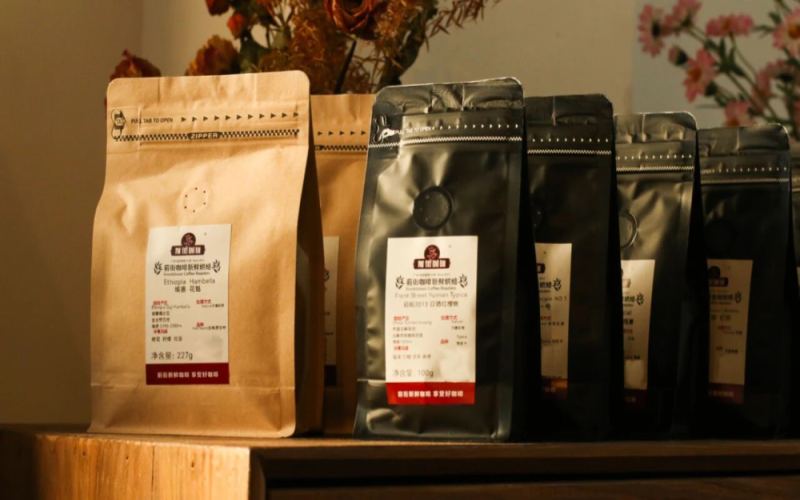
Recommendations for Fruity, Aromatic Pour-Over Single-Origin Beans | Why Does Coffee Have Fruity Flavors? Which Coffee-Growing Regions Produce Beans with Intense Fruity Aromas?
Front Street Coffee - Introduction to the Fruity and Floral Notes of Coffee Beans The factors that influence coffee flavor mainly fall into the following four categories. Below, we will explain how to choose the coffee beans that suit you best from four aspects: variety, origin, processing method, and roast level. Why does coffee have fruity notes? The reason coffee smells (and tastes) "fruity" ultimately comes down to [more…]
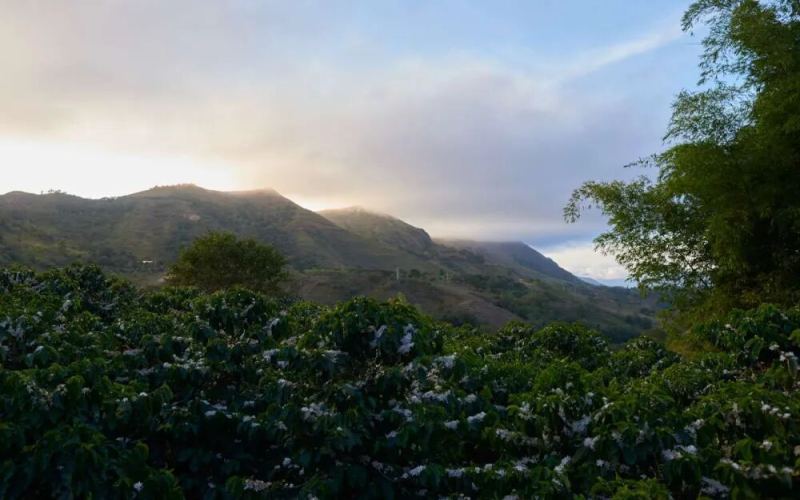
Colombian Coffee Beans | What Are Colombia's Specialty Coffee Regions? Why Does Colombian Huila Coffee Have a Chocolate Flavor?
Everyone who has visited a Front Street Coffee shop knows that Front Street offers a huge variety of coffee beans. For some beginners, this can actually be a bit unfriendly, because a wide selection often means consumers need broader coffee knowledge to choose the type they like. Fortunately, the baristas at Front Street are always patient in consult [more…]
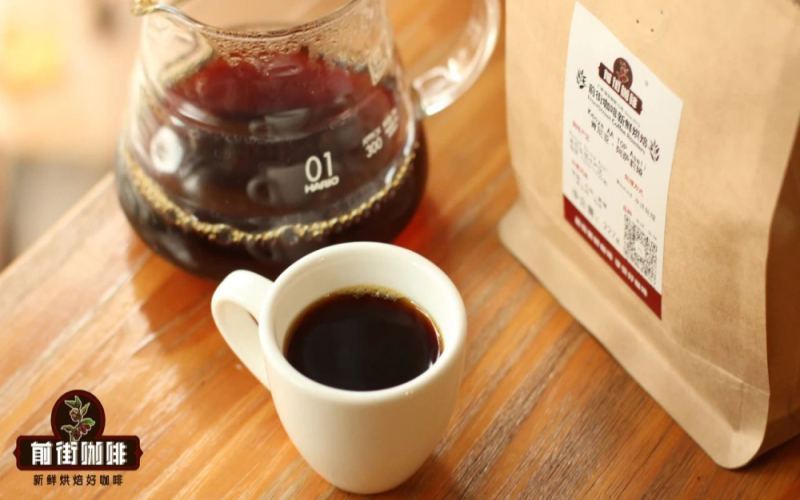
An In-Depth Analysis of Kenyan AA Coffee: Origin Terroir, Grading System, and the Causes of Its Bright Fruit Acidity
On the African continent, beyond Ethiopia, Kenya is equally a presence that cannot be overlooked in the specialty coffee landscape. Anyone who has come into contact with specialty coffee, after experiencing how remarkably vivid coffee acidity can be, will almost always ask the same question: where does the coffee with the most prominent acidity come from? The brewers at Front Street Coffee often point to Kenya in their answer. Kenyan coffee is renowned for its clean and translucent cup, full and rounded body, and highly recognizable fruity acidity, conquering the taste buds of countless coffee lovers. This article will systematically review Kenya's coffee-growing terroir, historical evolution, characteristics of the top ten producing regions, and official grading standards. Using the washed fermentation process as an entry point, it will explain the reasons behind the formation of its signature flavors, and finally include the specific brewing recipe for Front Street Kenya Azalea for reference. [more…]
Has Front Street Coffee closed down? Is Front Street Coffee no longer open? Front Street Relocation Notice
Relocation Notice: In the winter of 2025, Front Street Coffee moved from its original location at No. 10 Bao'an Front Street, Dadao Road to the nearby No. 315 Donghua East Road, Yuexiu District, Guangzhou. Front Street Coffee is a store in Guangzhou that sells freshly roasted coffee beans, offering dozens of coffee beans from major coffee-growing regions around the world. [more…]
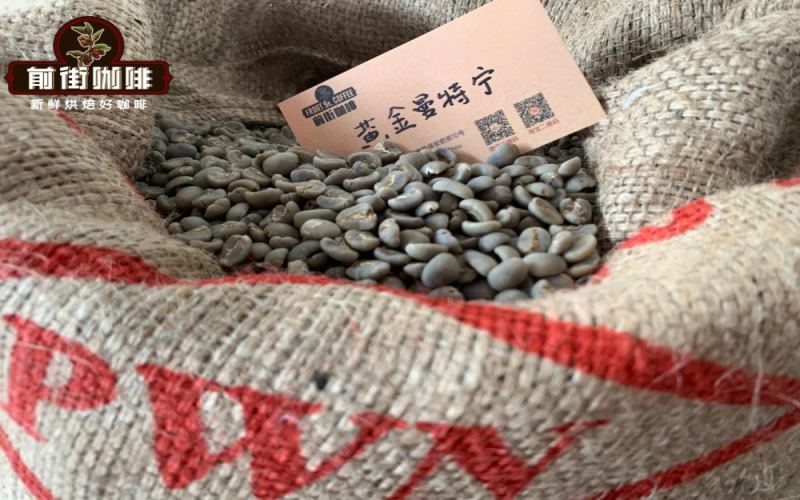
Introduction to Specialty Coffee in Asia | Where Are the Coffee-Growing Regions of Indonesia? An Introduction to the Flavor, Taste Characteristics, and Brand Tier of PWN Golden Mandheling Coffee Beans
As the exclusive brand of PWN Green Beans Company, the unique Mandheling coffee with the addition of the word "Golden" has become a famous representative of Indonesian specialty coffee. In this article, Front Street Coffee will explain the unique features of PWN Golden Mandheling coffee. Authentic Golden Mandheling coffee—Front Street Coffee's daily bean list includes two Indonesian [more…]
An In-Depth Analysis of Tanzania's Coffee Bean Grading System and the Flavor of the Kilimanjaro Region
Tanzanian coffee is grown in the fertile soils of the East African Rift Valley, structured around bright acidity and medium body, interwoven with blackcurrant, sweet citrus, and floral notes, suitable for both hot and iced drinks. This article systematically reviews its washed processing characteristics, estate bean grading logic, and transportation aging risks, explains in detail the terroir of core producing regions such as Kilimanjaro, Moshi, and Arusha, and introduces representative brands such as Africafe and Tanica Cafe as well as the cultural origins of the "coffee gentleman." It also focuses on industry developments such as Tanzania's promotion of domestic sales and the addition of six new coffee-producing regions, providing coffee enthusiasts with a comprehensive and professional guide to the producing region. [more…]
A Complete Guide to Hawaii's Coffee Regions: From Growing History to Kona Flavor and Specialty Bean Roasting
The Hawaiian Islands lie south of the Tropic of Cancer, and thanks to their volcanic soil and tropical climate, they produce coffee that is recognized worldwide as exceptional. The Kona growing region is the most famous, yet the history of coffee cultivation in Hawaii has been full of ups and downs—from its first introduction in 1825 to infestations of pests and diseases, and then the rise of small estates, spanning nearly two centuries. This article examines the full picture of Hawaiian coffee, from the history of its growing regions and flavor characteristics to the Kona certification system and emerging sub-regions such as Kau, Hamakua, and Puna, and explores how roasters like Front Street Coffee bring out its distinctive charm. [more…]
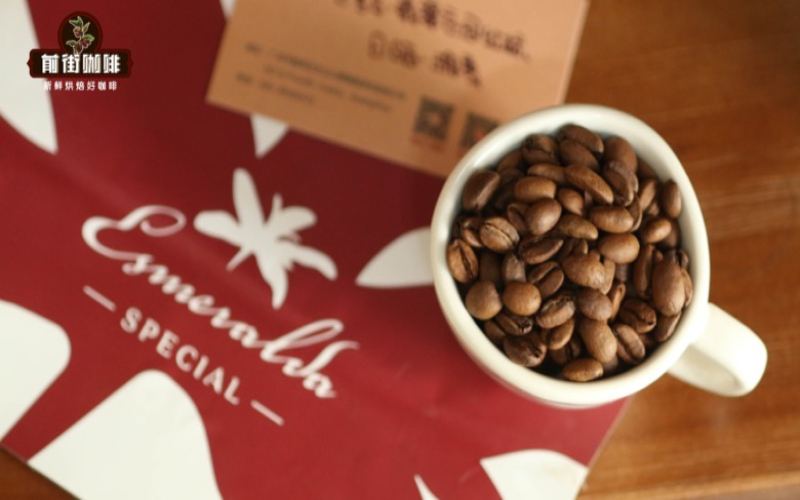
Pour-over Origins and Altitude vs. Flavor: Why High-Grown Beans Have More Prominent Sweetness and Acidity
The altitude of a coffee-growing region is one of the underlying variables that shape flavor in the cup. The same variety, processed the same way, can taste noticeably different depending on the altitude at which it is grown. Understanding how altitude affects flavor can help pour-over enthusiasts choose regional beans more precisely. The core advantage of high-altitude regions lies in the temperature difference between day and night. [more…]
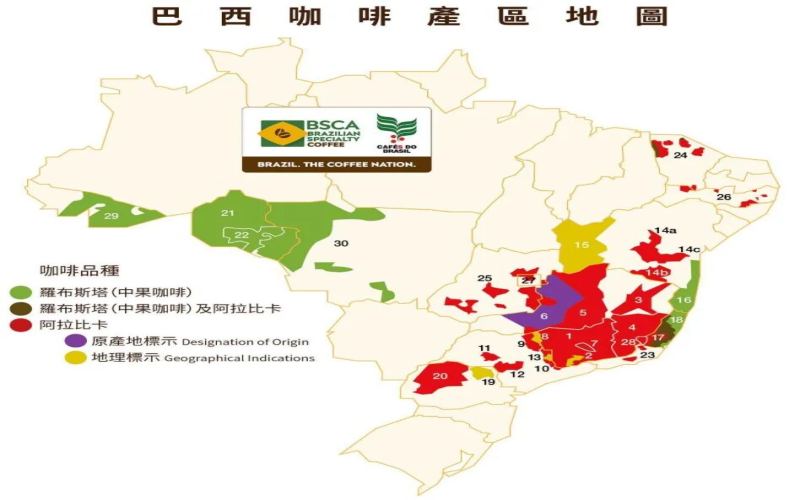
Main Coffee-Producing Regions in Brazil | What Are the Green Coffee Bean Grading Standards in Brazil? How Do You Describe the Flavor of Brazilian Coffee Beans?
What are the characteristics of Brazilian coffee, given that Brazil is the world's largest coffee-producing country? As a South American coffee, Brazilian beans have a relatively balanced flavor, low acidity, and a smooth mouthfeel, making them very suitable for use in espresso blends. Therefore, Front Street Coffee's basic blend, specialty blend, and commercial blend all use Brazilian beans as their base beans. Brazilian coffee [more…]
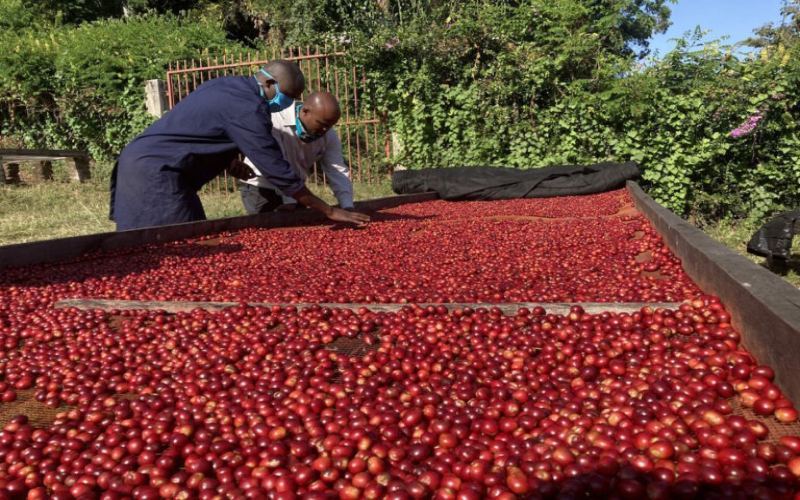
Complete Guide to Kenya PB Round Beans: From SL28 and SL34 Varieties to the K72 Washed Process
Although Kenya is not the birthplace of coffee, its high altitude, large day-night temperature difference, and phosphorus-rich soil give rise to coffee beans with a distinct flavor. This article will guide you through Kenya's coffee-growing geography, the origins of the SL28 and SL34 varieties, the AA and AB grade classifications, and exactly what the unique PB round beans are. At the same time, we will also introduce the Kenya 72-hour washed processing method (K72) recommended by Front Street Coffee, and how to brew a cup of Kenyan coffee with bright acidity and rich layers using the pour-over method. [more…]
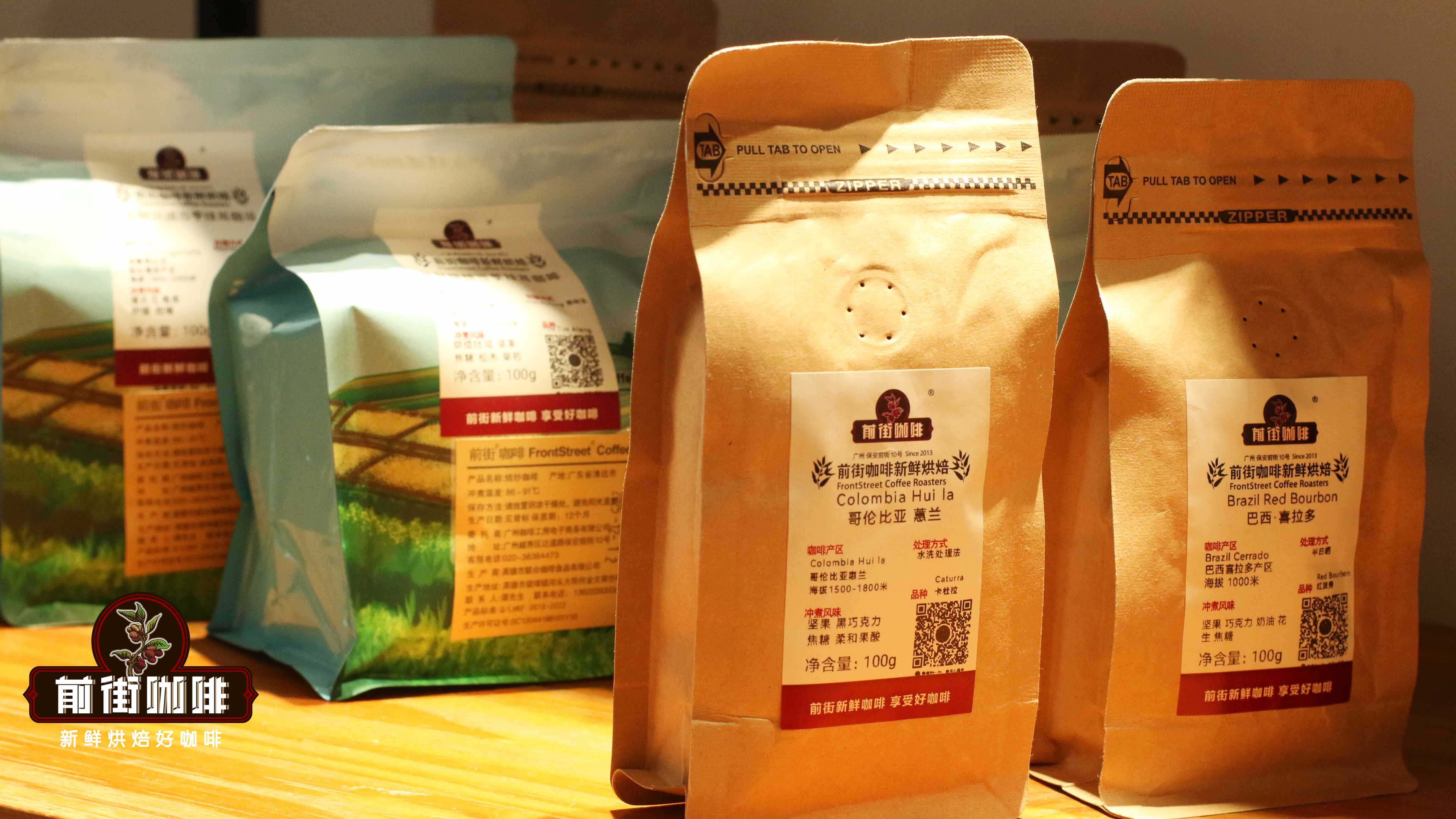
Pour-Over vs. Espresso | What's the Difference Between Hand-Ground Coffee and Machine Coffee? What Types of Hand-Ground Coffee Beans Are There? Recommendations for High-Value Light, Medium, and Dark Roast Pour-Over Beans
What is the difference between hand-ground coffee and machine coffee? We'll take the most common espresso machine as the representative of machine coffee, while hand-ground coffee is most commonly used to make pour-over coffee. Today, Front Street will compare the differences between the two and also recommend the types of coffee beans suitable for hand grinding. Machine [more…]
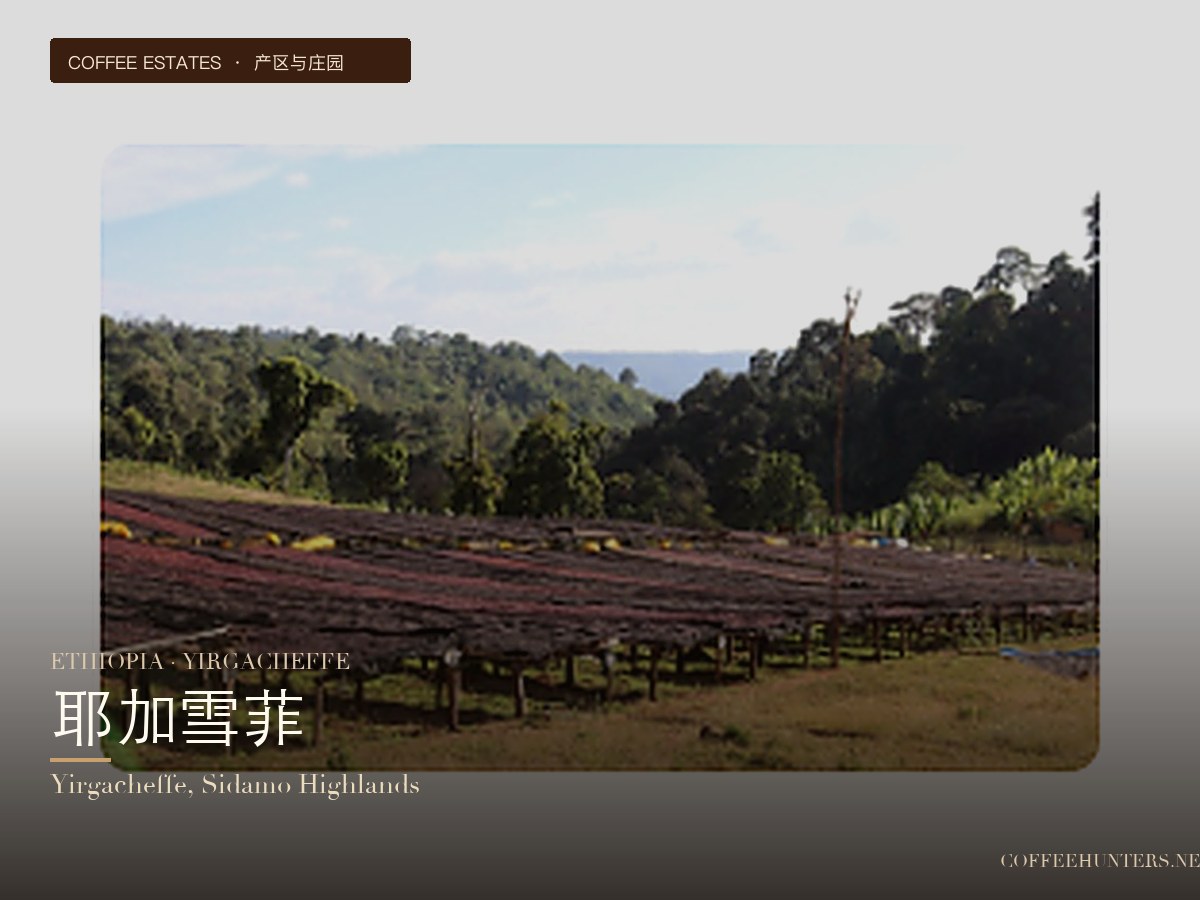
Ethiopia · Yirgacheffe: The Floral-Fruity Doctrine of the Sidamo Highlands
Yirgacheffe is Ethiopia's most iconic specialty coffee region, renowned worldwide for the clean floral and citrus notes produced by its washed processing. This article takes you from history, geography, varieties, and processing methods all the way to the flavors in the cup, offering an in-depth understanding of the origins of this floral-and-fruity doctrine. [more…]

Fruity and Floral Drip Coffee Recommendations | Is Yirgacheffe Single-Origin Coffee Expensive? Is Ethiopian Washed Gutingting Suitable for Making Freshly Ground Coffee Drip Bags?
Yirgacheffe is one of the most famous coffee-growing regions in Ethiopia, and it is also a single-origin coffee that many beginners must get to know. Its highly distinctive flavor, affordable price, and guaranteed quality have made Yirgacheffe one of the top representatives of floral and fruity coffee in the specialty coffee world. What makes Yirgacheffe special? [more…]
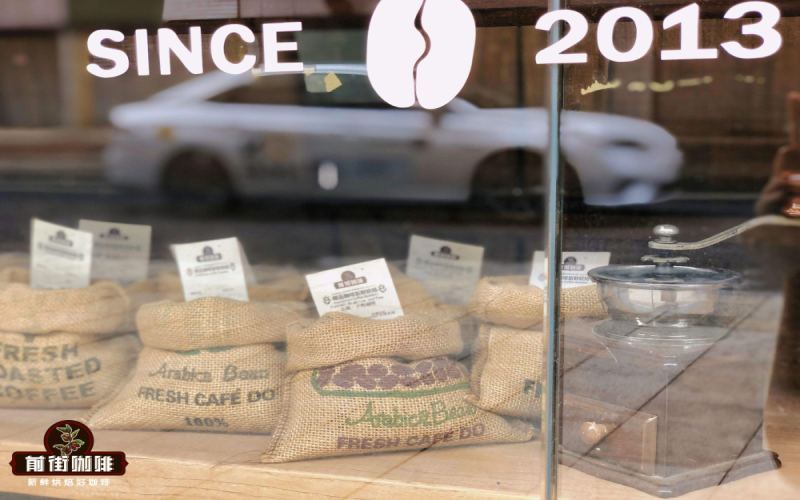
A Complete Guide to Jamaican Blue Mountain No. 1 Coffee Beans: Origin, Estate Analysis, Classic Flavor, and Pour-Over Parameters
Blue Mountain coffee is the classic of classics in the minds of many coffee lovers, and Blue Mountain No. 1 is the highest grade among Jamaican Blue Mountain coffees. Which regions and estates does it actually come from? Why is it so highly sought after despite its high price? This article will cover the historical origins of Blue Mountain coffee, the altitude grading system of Jamaica's producing regions, and methods for identifying raw beans by appearance, all the way to the Clifton Farm Blue Mountain No. 1 sold at Front Street Coffee stores, along with a complete pour-over recipe and flavor description under medium-dark roasting, helping readers gain a comprehensive understanding of this top-tier coffee bean and learn how to tell genuine Blue Mountain coffee from fakes on the market. [more…]

Colombian Coffee Regions | Is Colombian washed Huila coffee suitable for pour-over coffee beginners? What are the flavor characteristics of Colombian washed coffee?
When Front Street recommends coffee beans for beginners just getting into pour-over coffee, they always put the washed Colombian Huila beans first, because compared with the bright acidity of Yirgacheffe beans or the higher body of Mandheling beans, Colombian beans really are extremely [more…]

Pour-Over Coffee Starter Guide | How Should Beginners Choose Beans for Their First Pour-Over? 6 High-Value Classic Staple Coffee Beans Across Light, Medium, and Dark Roasts
Many people believe that experiencing the charm of great coffee begins with pour-over. But as a beginner who hasn't yet gotten started, it's easy to feel overwhelmed by the endless varieties. So if you're interested in deepening your coffee knowledge, it's recommended that newcomers first try the representative varieties from the world's famous coffee-producing regions, so you can figure out what you like. [more…]
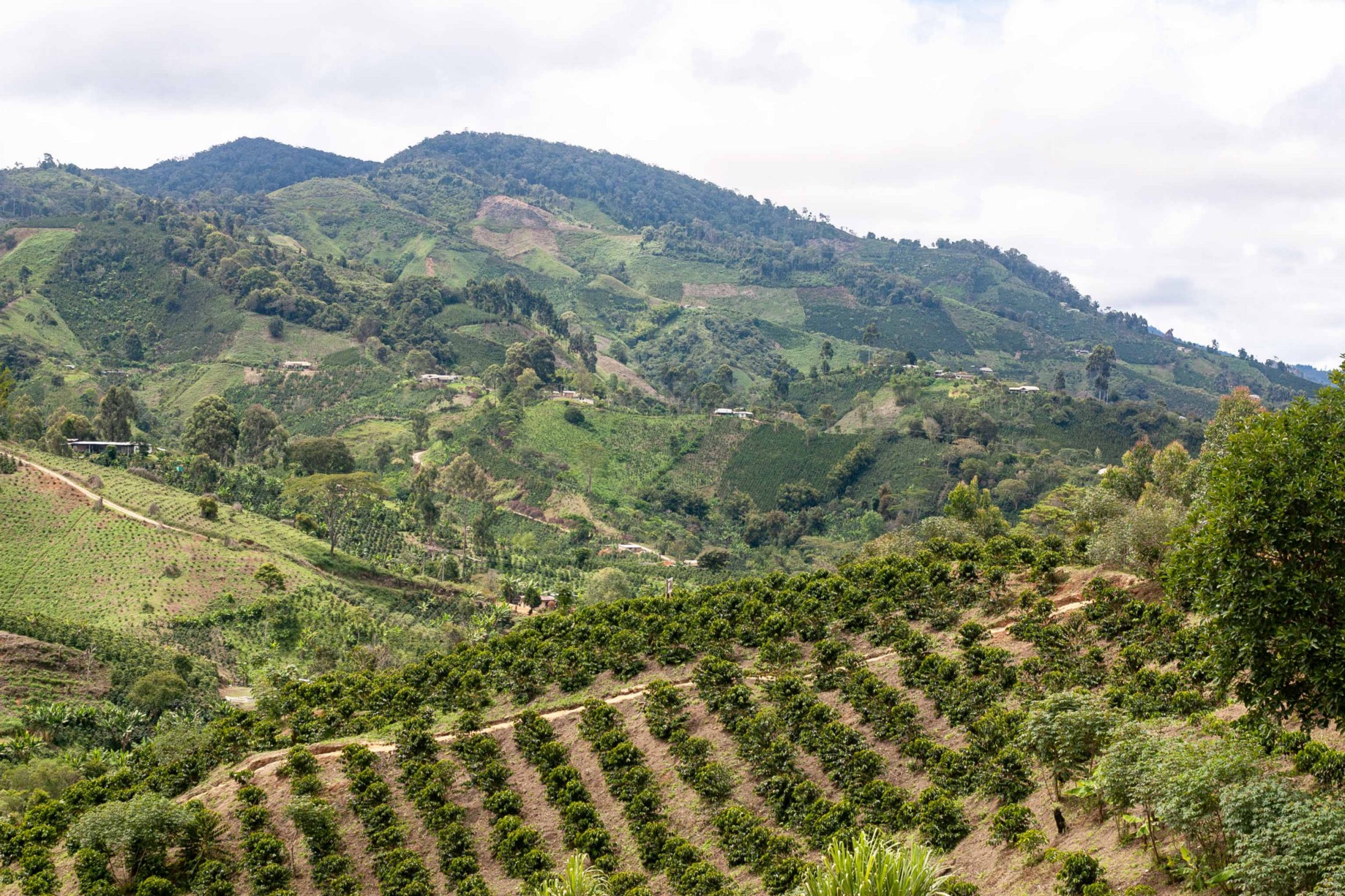
Colombian Coffee Beans | Introduction to Major Coffee Producing Regions and Flavor Characteristics of Colombia Medellín and Huila
For more specialty coffee knowledge, please follow: Front Street Coffee (Frontsteet Coffee) Today, Colombia is the world's second-largest producer of Arabica coffee beans. Colombian coffee is renowned for its unique flavor and the mild yet rich aroma that every cup exudes. [more…]
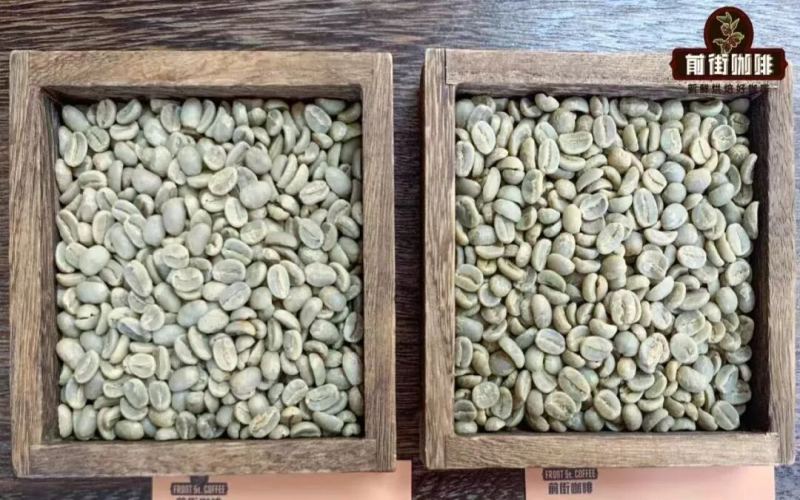
PNG coffee | Why does Papua New Guinea coffee have the name "Little Blue Mountain"? What are the flavor characteristics of the Sigri Estate Bird of Paradise washed Typica?
Because Blue Mountain coffee was overly famous in the last century, many related "borderline" products appeared on the market at that time. For example, Blue Mountain flavor coffee, Blue Mountain blend coffee, and so on—they almost all have nothing to do with Blue Mountain and are purely products that profit off the Blue Mountain name. And yesterday, a customer, while purchasing [more…]

Espresso Tasting | Which specialty coffee beans make good-tasting espresso? What are the ways to drink Italian-style espresso?
For more specialty coffee knowledge, please follow: Front Street Coffee (Frontsteet Coffee) Espresso has always been known as the "soul of coffee"! However, because Espresso has a rich mouthfeel and strong flavor, it is often hard for people to accept. But once [more…]

Espresso Blend Coffee Bean Recommendations | What Is a Coffee Blend? Which Coffee-Producing Regions' Beans Are Suitable for Blending? Introduction to Espresso Blend Principles and Coffee Bean Variety Ratios
Front Street Coffee · The Art of Blending Coffee Beans and Sharing an Espresso Blend Recipe Blending coffee, also known as mixed coffee, is the practice of combining various single-origin coffee beans to fully bring out the strengths of each one. Blended beans [more…]