







Search Results for: coffee yield per mu
The Changing Landscape of Yunnan Small-Bean Coffee: Arabica Cultivation Status, Flavor Characteristics, and Future Trends
Yunnan's coffee planting area has climbed from over 300,000 mu in 2008 to more than 1.4 million mu today, with output once accounting for over 99% of the national total. Yet the expansion of the industry's scale has not been smooth sailing. Since 2012, international coffee futures prices have continued to decline, leaving Yunnan coffee farmers struggling at the edge of the cost line; the 2014 harvest season was hit by a triple blow of drought, cold damage, and the abandonment of harvesting, causing output to plummet from an expected 100,000 tons to less than 60,000 tons, while purchase prices, driven by factors such as drought in Brazil, saw their largest single-month increase in 20 years. Lincang, as an emerging main producing area, rose rapidly, and companies such as Lingfeng Coffee began implementing quality traceability systems. This article will review the cultivation situation, flavor characteristics, and future development trends of Yunnan Arabica coffee beans. [more…]
Brazilian Bourbon Coffee Beans | Where Does Brazilian Yellow Bourbon Come From? Variety Characteristics and Flavor Profile of Yellow Bourbon
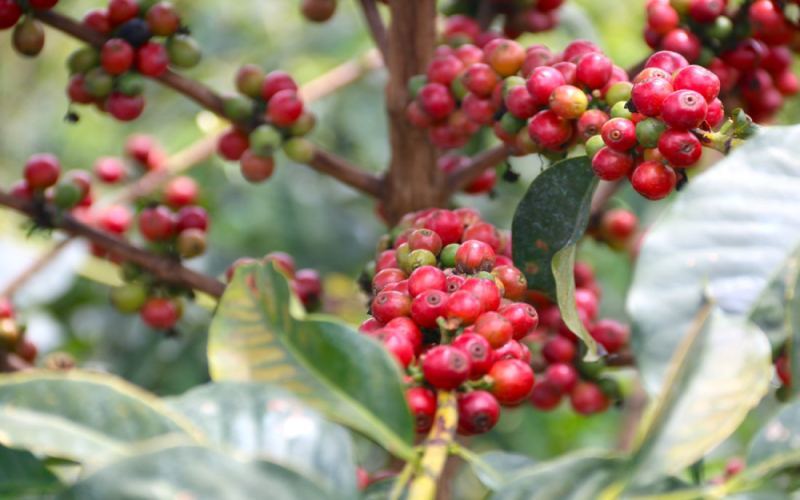
The coffee cherries of most varieties turn red when ripe, but the Yellow Bourbon variety is known for its ripe cherries that are yellow, and Yellow Bourbon is regarded as a precious variety in Brazil. In recent years, this variety has been highly praised by coffee buyers and roasters, partly because of its unique and high-quality flavor. [more…]
The Origin, Flavor Characteristics of the Brazilian Yellow Bourbon Coffee Variety, and Front Street Roasting Recommendations for Queen's Farm
Yellow Bourbon is a rather legendary variety in Brazilian coffee. With its distinctive yellow appearance when ripe and outstanding flavor performance, it has attracted considerable attention in the specialty coffee world in recent years. Its history can be traced back to a natural mutation of Red Bourbon in the 19th century. Later, through systematic research by the Campinas Agronomic Institute (IAC), its genetic mechanism and cultivation characteristics were gradually clarified. Although its yield is relatively low and its disease resistance is weak, Yellow Bourbon often displays a flavor profile in cupping characterized by prominent sweetness and bright citrus acidity. This article reviews the variety's origins, genetic principles, and key cultivation points, and introduces the Yellow Bourbon from Fazenda Rainha in Brazil, along with Front Street Coffee's roasting approach and flavor description. [more…]
The Century-Long Planting History and Variety Evolution of Yunnan Small-Bean Coffee: Industrial Transformation from Typica to Catimor
Yunnan coffee has traveled a long and winding road of growth, from the first coffee seedling introduced by missionaries a century ago to its current status as a common choice in specialty coffee shops. This article traces the complete story of Yunnan small-bean coffee—its cultivation origins, the evolution of varieties, and the upgrading of the industry—and also explores the distinct characteristics of the two varieties, Typica and Catimor. For coffee lovers who want to understand the flavors of the Yunnan growing region or who are currently choosing a Yunnan single-origin bean, this article offers a comprehensive reference ranging from historical background to practical brewing, and it also includes Front Street Coffee's Yunnan bean brewing recipe and flavor description. [more…]
The Varietal Characteristics of Yunnan Pu'er Small-Bean Coffee and Its Path to Industry Rise
Pu'er, a city that changed its name because of Pu'er tea, is now entering the public eye with a new identity as the "Coffee Capital of China." The Tropic of Cancer passes through it, placing it on the same latitude as Cuba, the kingdom of coffee, and its exceptional climate conditions make it an ideal growing region for Arabica coffee. From Nestlé's arrival and layout in 1988 to today, when international giants such as Starbucks and Kraft are competing to purchase its beans, Pu'er's coffee industry has gone through more than thirty years. Through vivid details such as coffee farmer Zhang Kui's cultivation story, technical assistance from international experts, and cup quality control, this article presents the varietal advantages, current state of the industry, and future business opportunities of Pu'er Arabica coffee, while also introducing Front Street Coffee's continued attention to and recommendations for Yunnan coffee. [more…]
Yunnan Small-Bean Coffee Beans: Catimor and Typica | Is the Catimor variety Arabica or Robusta? What flavor characteristics does Yunnan Catimor coffee have?
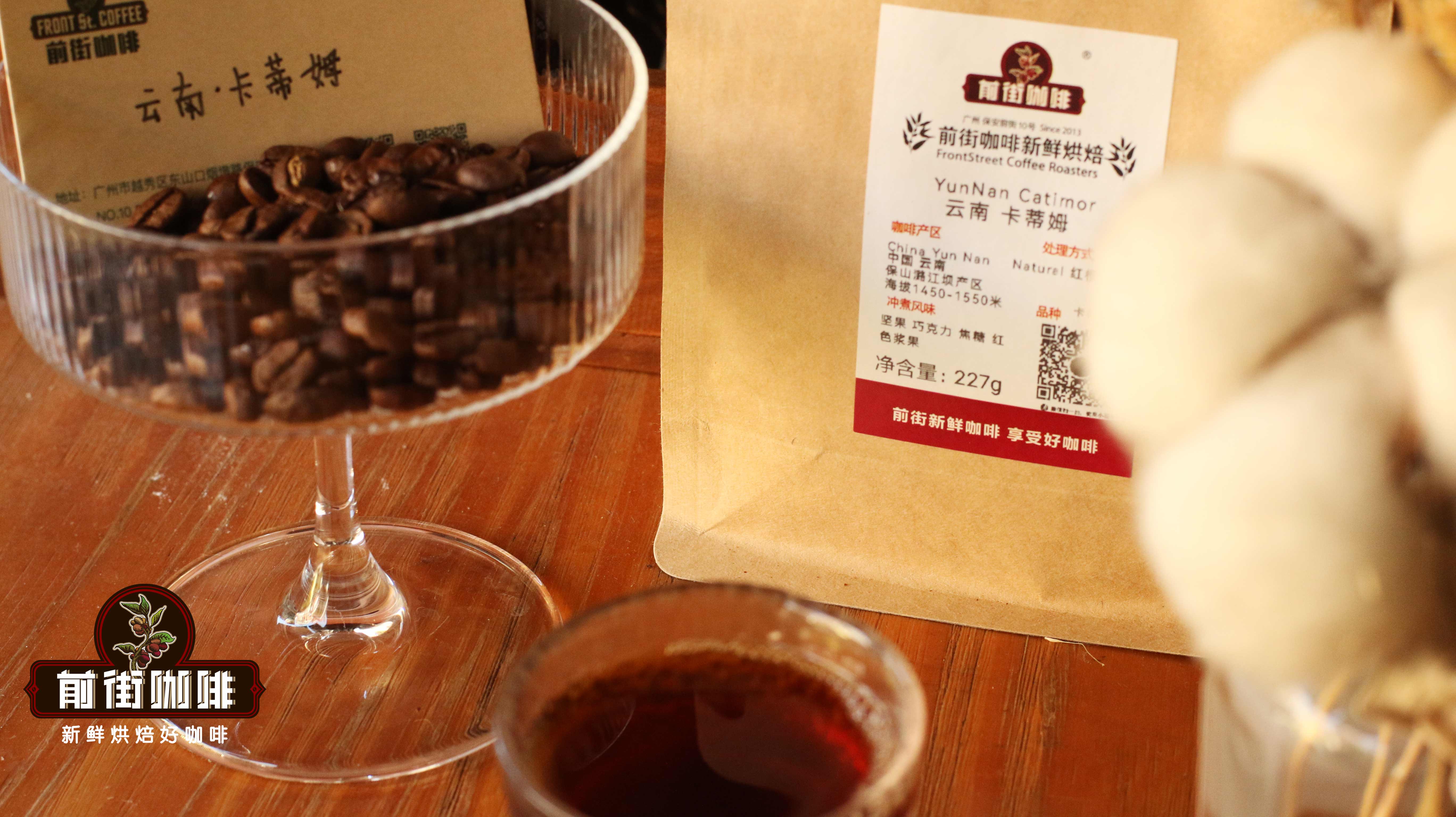
Yunnan coffee beans have stood out in recent years in green coffee competitions, frequently appearing in the public eye. And like a dark horse, they have gradually emerged in the specialty coffee market. Today, Front Street will share with you the development of Yunnan coffee in recent years. To understand the history of Yunnan coffee cultivation, you should know that Yunnan's [more…]
Analysis of Yunnan small-bean coffee varieties: From Catimor to Typica—flavors, origins, and brewing suggestions
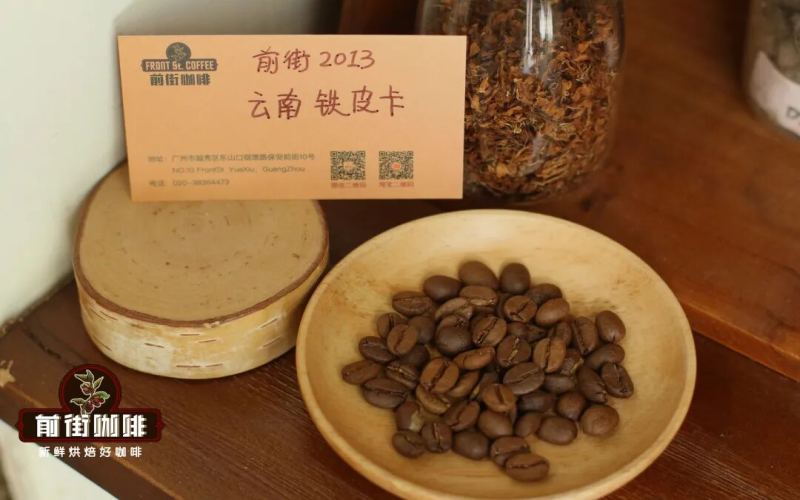
Yunnan, as the core coffee-growing region in China, nurtures small-bean coffee that is rich but not bitter, aromatic but not harsh, with a slight fruity note, thanks to its low latitude, high altitude, and abundant rainfall. The most common variety on the market is Catimor, but a small amount of Typica is still grown—for example, Front Street Coffee's estate in Lincang cultivates Typica. This article systematically reviews the variety classification, morphological characteristics, main producing regions, processing methods, and brewing parameters of Yunnan coffee, and includes flavor descriptions of Front Street Coffee's washed Yunnan small-bean, natural Catimor, and 2013 natural Typica, helping enthusiasts gain a comprehensive understanding of Yunnan coffee's past and present. [more…]
Are Yunnan Pu'er coffee beans really unsalable? An analysis of the price per kilogram of small-bean coffee and the market truth
In April of this year, Yunnan's coffee industry was overshadowed by rumors of "unsold coffee beans," which once made coffee farmers and industry insiders uneasy. But what is the truth? The main production area of Pu'er has only 3,000 to 4,000 tons of coffee beans left, including some of poor quality. Truly high-quality beans are still in short supply, and quality is the most worrying issue behind this storm. This article takes an in-depth field visit to Pu'er, sorting out the quotation trends for small-bean coffee, the ins and outs of the unsold rumor, and the real situation of intermediaries and coffee farmers amid this price fluctuation, and talks with "Coffee Madman" Liu Minghui to restore the current situation and future of Yunnan coffee. [more…]

Ethiopian Coffee Exports Set New Record, Five-Year Plan Aims for $6 Billion Target
Recently, Ethiopia announced that its coffee export revenue for the 2025/26 fiscal year exceeded US$3 billion for the first time, reaching a historic high. Ethiopian Minister of Agriculture Adisu Arega stated that coffee export revenue for this fiscal year grew by 13% compared with the previous fiscal year, and the coffee industry continues to remain the country's largest agricultural [more…]
洪都拉斯2024年COE冠军拉萨尔萨庄园:水洗瑰夏夺冠之路
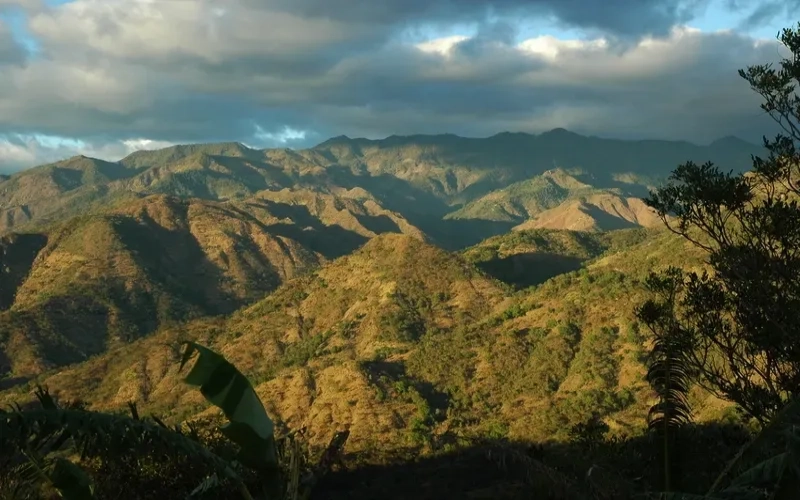
洪都拉斯作为中美洲第二大、世界第十大咖啡出口国,凭借优越的地理与气候条件,成为精品咖啡的重要产地。2024年,洪都拉斯迎来举办COE(卓越杯)的20周年,欧巴拉卡产区表现尤为抢眼,前十名中占据八席。来自该产区的拉萨尔萨庄园(La Salsa)以水洗瑰夏斩获91.21分,一举夺得COE冠军。庄园主Benjamin Paz Muñoz继2022年后再度问鼎,其实力可见一斑。本文带你了解洪都拉斯的咖啡风土、欧巴拉卡产区的风味特色,以及拉萨尔萨庄园的品种与运营故事。前街咖啡也持续关注这款冠军豆的后续表现。 [more…]
Caffeine Effects | What are the benefits of drinking black coffee? How many cups of Americano can you drink per day at most? Which is more refreshing, hot Americano or iced Americano?
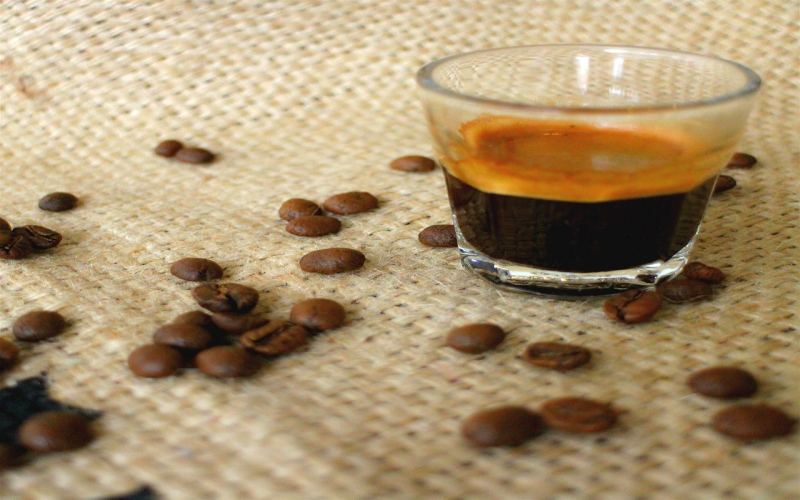
The most primitive purpose of coffee is to refresh the mind. Whether it's an espresso you drink and go, the drip coffee maker that's a fixture in the office, or even a pour-over single-origin coffee you make a special trip to the coffee bean shop for, they all have the function of refreshing you. It's just that everyone chooses the appropriate one based on different requirements for the scenario, function, and taste. [more…]
Yunnan Arabica Coffee Brands | Which Producing Region Has the Best Authentic Yunnan Arabica Coffee Beans? Recommendations for High-Quality Yunnan Pour-Over Coffee Beans for Beginners
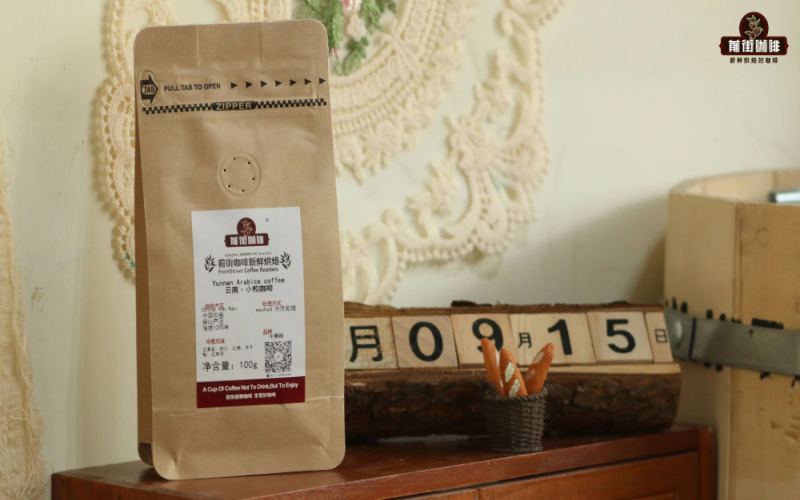
In recent years, thanks to the efforts of many people, the quality of Yunnan coffee has continued to improve and has won considerable recognition, and there are many fans of Yunnan coffee here in China. For those who have never tried Yunnan coffee, you must be curious about what it tastes like. Why choose the small-bean coffee from the Baoshan growing region? At present, Yunnan Province's coffee [more…]

Arabica Coffee | What are the three main categories of coffee beans? What coffee variety is Yunnan coffee? Recommended Yunnan specialty coffee suitable for beginners
For professional coffee knowledge exchange and more coffee bean sharing, please follow Front Street Coffee (FrontStreet Coffee). In plant taxonomy, coffee belongs to the Rubiaceae family, under which there are at least over a hundred coffee species, with about eighty confirmed varieties of coffee trees, among which those used for drinking coffee [more…]

Panama Hacienda La Esmeralda | Is Diamond Mountain coffee a Geisha variety? What grade are Diamond Mountain coffee beans? How does sun-dried Diamond Mountain coffee taste?
Panama - La Esmeralda Diamond Mountain. Introduction to coffee cultivation at La Esmeralda Estate. La Esmeralda Estate is located on the outskirts of Boquete in southwestern Panama. When it was first established, it was a diversified farm, with coffee only [more…]
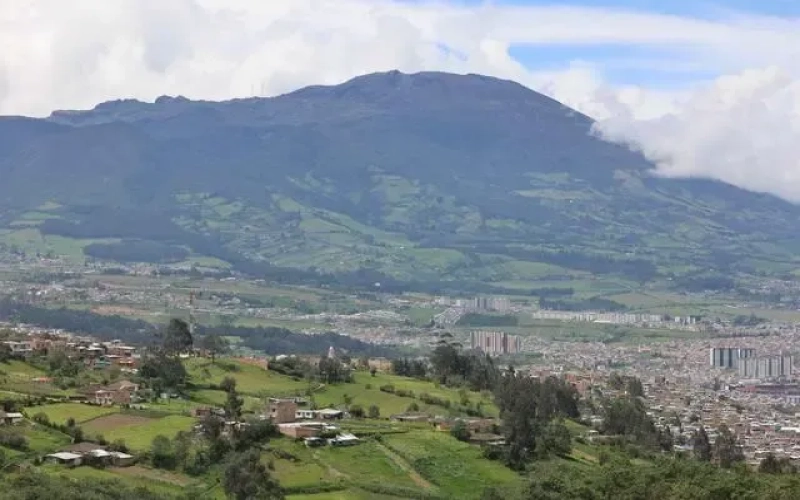
哥伦比亚娜玲珑产区深度解析:从FNC崛起到圣塔安娜庄园COE亚军之路
南美洲安第斯山脉纵贯,孕育了众多咖啡生产国,哥伦比亚便是其中的佼佼者。历经战乱与社会动荡后,哥伦比亚咖啡产业凭借FNC的规范管理与独特地形气候,逐步发展为全球第三大咖啡产国。在考卡、慧兰等知名产区之外,娜玲珑省正以高复杂度风味与花香特质崭露头角,圣塔安娜庄园更在2023年哥伦比亚COE中斩获亚军。本文带你深入了解娜玲珑产区的自然条件、历史脉络,以及圣塔安娜与波西米亚庄园的瑰夏种植故事。前街咖啡持续关注哥伦比亚精品咖啡动向,为爱好者带来一手产区资讯。 [more…]
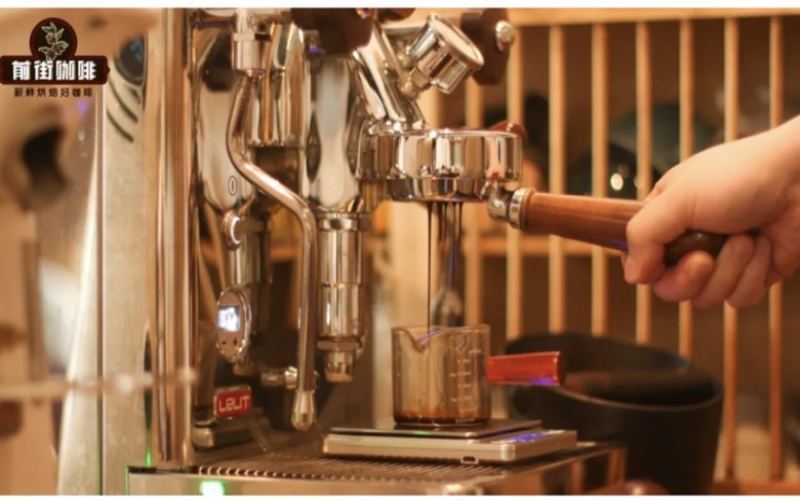
The Daily Rhythm of Home Espresso: The Time and Cost of a Latte
Integrating a home espresso machine into daily life comes down to turning the brewing process into a stable, repeatable habit. From start-up to cleanup, the full rhythm of making a latte takes about eight to ten minutes, and once you're proficient, the routine flows naturally, like brushing your teeth in the morning—no need to think twice. The machine takes about five minutes to preheat, and during that time you can grind and weigh the coffee. [more…]

Specialty Coffee in China | What coffee variety is Yunnan small-batch coffee? Recommended Yunnan single-origin specialty coffee beans that are great for pour-over
When it comes to coffee cultivation, people may first think of famous coffee-growing regions such as Africa and Central and South America. In fact, Yunnan in China had records of coffee cultivation as early as 1904, and today it has even ranked among the world's coffee producers. "Yunnan small bean" is appearing more and more frequently in domestic coffee shops, [more…]
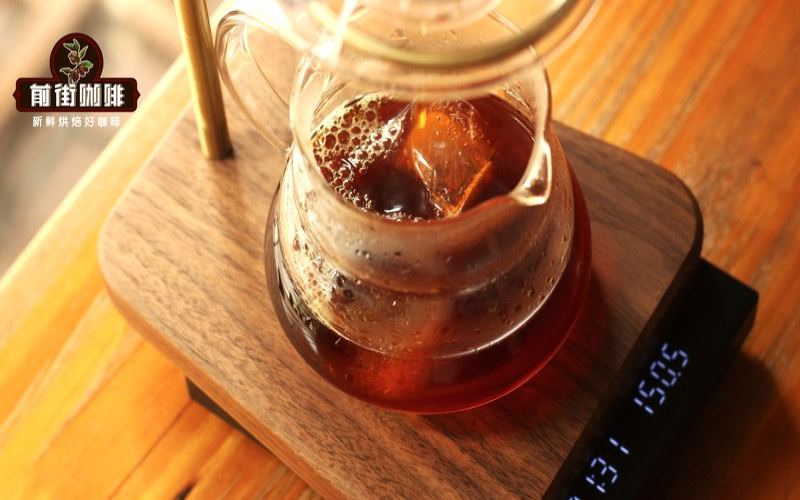
Light, Medium, and Dark Roasts: Dialing In SOE on a Home Machine Like This
A cup of SOE can showcase the floral and fruity acidity of a light roast, the caramel sweetness of a medium roast, or even the cocoa notes and heavy body of a dark roast. Home espresso machines are not only suitable for blends—as long as the machine can heat stably, build pressure, and is equipped with a suitable single-shot basket, it can pull single-origin espresso. What truly matters [more…]

SOE Before and After Dial-In: How Bean Age Rewrites Extraction Parameters
When coffee beans have just finished roasting, they are still continuously releasing carbon dioxide internally, and the aromatic compounds are also in a stage of re-stabilizing. If you make an SOE directly at this point, the espresso may have abundant foam, but not necessarily a clear sweetness. Home espresso machines can absolutely make SOE; the key is to treat bean age as one of the extraction conditions, so that the grind [more…]
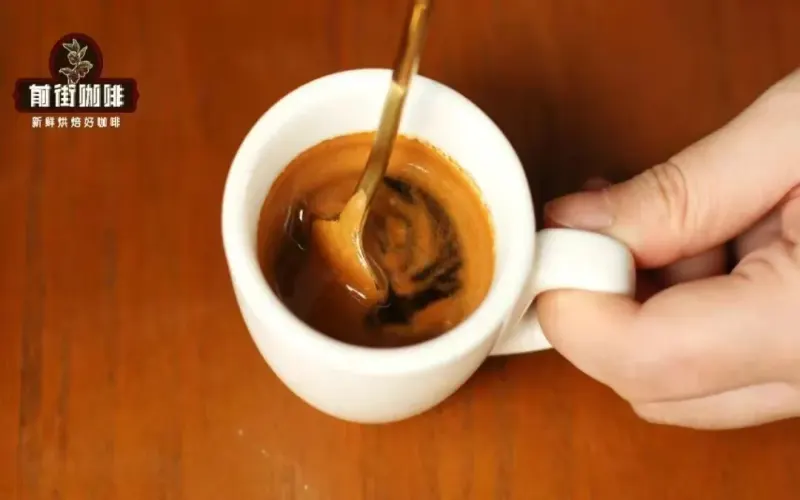
Espresso Extraction Parameters | Why Is the Espresso Brew Ratio 1:2? How Do You Adjust Extraction Time, Coffee-to-Water Ratio, and Water Temperature for Espresso?
Friends often tell Front Street Coffee that they've just bought a new coffee machine but don't know how to dial in a standard espresso. They don't know how much coffee grounds to use, how much liquid weight to extract, or how long it should take. And even if they follow popular extraction formulas like "use 18g of grounds to extract 36ml of coffee liquid," what they end up with [more…]