







Yunnan, as an important coffee-growing region in China, has a century-long history of small-bean coffee. This article will start with the origins of Yunnan coffee, introduce the distribution of major production areas, and provide a detailed comparison of the characteristics and differences among Typica, Catimor, Bourbon, and other varieties. At the same time, it will also share Front Street Coffee's planting practices in Lincang, Yunnan, as well as pour-over brewing suggestions and flavor performance for Yunnan coffee, giving you a comprehensive understanding of the basic knowledge and unique charm of Yunnan specialty coffee beans.
China is world-famous for tea, but the history of coffee cultivation on this land can also be traced back very far. Surprisingly, more than a hundred years ago, deep in the mountains of Yunnan, drinking Western-style coffee was as ordinary as drinking Eastern soy milk, and the rich aroma of coffee had already lingered by the fire pits of this small mountain village for more than a century. Coffee is originally a foreign species, and as an "imported product," people usually assume that coastal cities were the earliest places where coffee was introduced to China, but the facts are exactly the opposite. Yunnan, located inland in the southwest, was instead the place where people first encountered the mellow richness originating from the distant African continent.
As their love for coffee deepens, more and more friends pursue the pleasure of brewing coffee at home. Coffee, as one of the most popular beverages in the world, fills every moment of life with its rich aroma and always evokes relaxed and romantic scenes. Whether at home, in the office, or on various social occasions, people are drinking coffee, and it has gradually become integrated with fashion, modern life, work, and leisure entertainment. Every coffee lover has their own preferences when choosing coffee.
The history of Yunnan coffee can be traced back to 1892, when a French missionary brought coffee seeds from abroad into Yunnan and successfully planted them in the valley of Zhukula Village in Binchuan County. Today, among the tens of thousands of coffee trees in the village, 24 are over a hundred years old, and 1,325 are over 70 years old. Zhukula coffee is known as the "living fossil" of Chinese coffee.
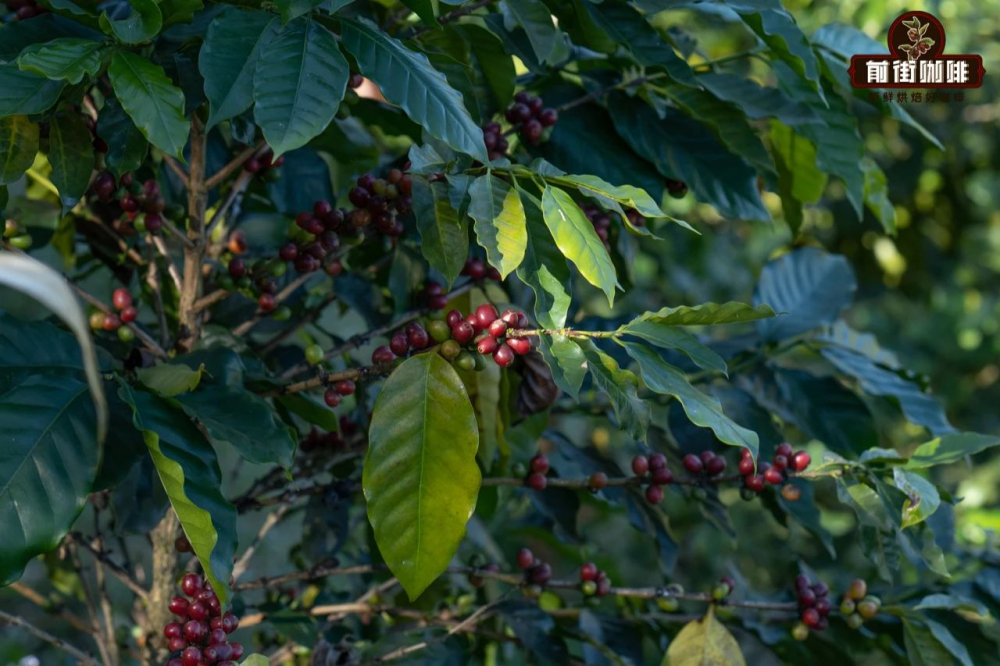
The history of coffee cultivation in Yunnan can be traced back to 1904, when French missionary Tian De Neng brought Typica coffee seeds from Vietnam into Yunnan and successfully planted them in Zhukula Village, Binchuan County. This is regarded as the beginning of Yunnan coffee and is usually called small-bean coffee, commonly known domestically as Yunnan small-bean coffee. Small-bean coffee refers to Arabica coffee beans, and because the beans are relatively small, it is also called small-fruit coffee; Robusta coffee is called medium-fruit coffee, while Liberica belongs to large-fruit coffee. Morphological characteristics: small tree or large shrub, 5 to 8 meters tall. The base is usually much branched, and old branches are grayish white. Nodes are swollen, and young branches are hairless. Leaves are thinly leathery, ovate-lanceolate or lanceolate, with a long acuminate apex, cuneate or slightly obtuse base, entire or slightly wavy margins, and hairless on both sides. Several cymes are clustered in the leaf axils, and the corolla is white and fragrant. The berry is broadly elliptical and red when mature, 1.2 to 1.6 cm long, and the seed is 0.8 to 1.0 cm long. The flowering period is from March to April.
Yunnan has no distinction of four seasons, only a dry season and a rainy season. Most coffee-producing areas are similar, which is also the fundamental reason why some production areas use the natural sun-dried method. Entering June marks the beginning of the rainy season in the production areas, followed by three to four months of rainfall, which is the most favorable period for planting coffee. Only by planting seedlings at this time, and after being nourished by several months of rain, can strong roots grow to survive the first dry season, which lasts as long as half a year.
Major Coffee-Producing Areas in Yunnan
The western and southern parts of Yunnan Province lie between 15°N and the Tropic of Cancer. Most areas are 1,000 to 2,000 meters above sea level. The terrain is mainly mountainous and sloping, with significant undulation, fertile soil, abundant sunshine, ample rainfall, and large temperature differences between day and night. These unique natural conditions create the special flavor of Yunnan small-bean coffee: strong but not bitter, aromatic but not harsh, with a slight fruity note.
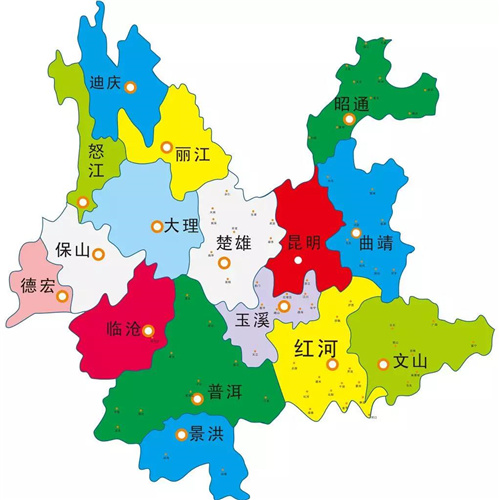
In southern and western Yunnan, Pu'er, Xishuangbanna, Wenshan, Baoshan, Dehong, Lincang, and other places are all distribution areas for Yunnan small-bean coffee cultivation.
Dehong: Enjoying the reputation of "China's Home of Coffee." The coffee cultivation altitude in Dehong Prefecture is all above 1,000 meters, of which 30,000 mu is planted on mountainous land above 1,600 meters. In addition, Dehong Prefecture mainly uses organic fertilizer and organic pesticides for coffee cultivation. The coffee produced is of excellent quality, making it one of the rare high-quality coffee-producing areas in the world.
Baoshan: Coffee cultivation in Baoshan began in the mid-1950s, and the first coffee seedling was introduced from Southeast Asia by the late patriotic overseas Chinese Mr. Liang Jinshan. In recent years, with the expansion of international trade, the small-bean coffee of Lujiangba has become even more widely known. European and American countries as well as Arab countries, especially merchants from the UK, the US, Egypt, and Hong Kong and Macao, regard it as a top-grade coffee, and demand exceeds supply. In December 2010, after review by the General Administration of Quality Supervision, Inspection and Quarantine of China, it was decided to implement national geographical indication product protection for "Baoshan Small-Bean Coffee."
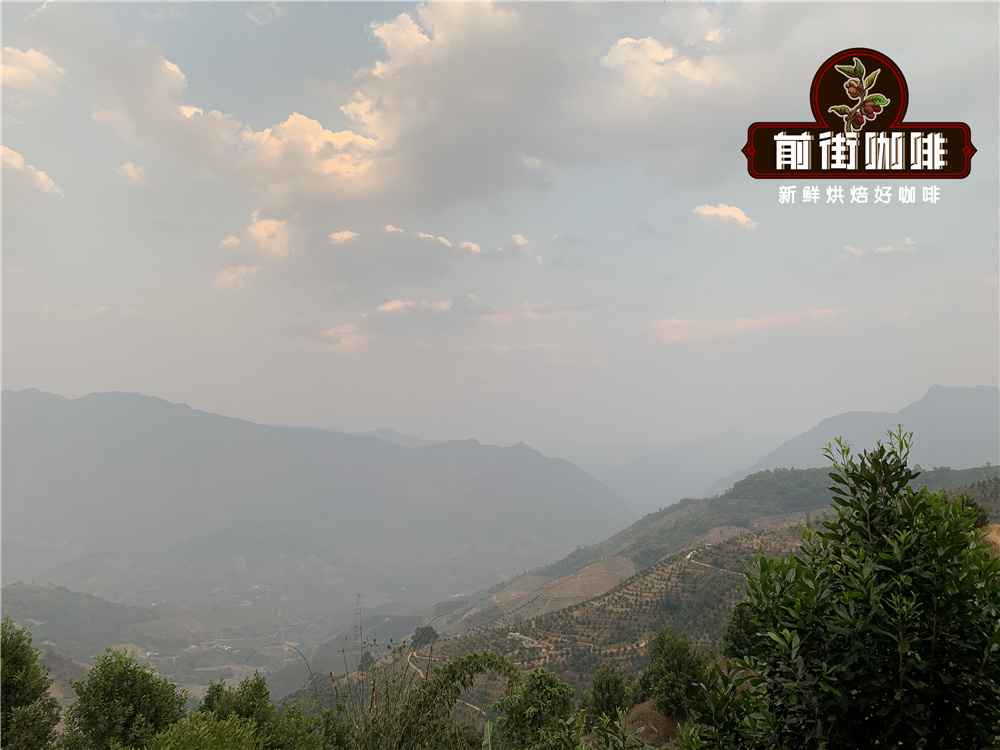
Lincang: Its unique geographical location and climatic conditions have made Lincang the focus of many coffee enterprises. Locally, high-quality coffee seedling bases of 200 mu and 100 mu were established successively in Mengding Town, Gengma Autonomous County, and Lincang Xingfu Farm, and coffee cultivation was carried out in Gengma, Zhenkang, Yunxian, Cangyuan, Yongde, and other places.
FrontStreet Coffee established its own estate in the Lincang production area of Yunnan. Front Street selected and bred the Typica variety, which belongs to the pure Arabica species and has better flavor than the Catimor variety currently widely planted in Yunnan. From seedling cultivation to the first fruiting, it takes at least 4 to 5 years, which is also the reason why Yunnan coffee farmers are unwilling to cut down and replant even though they know Catimor has a slightly inferior flavor. The first batch of self-produced Yunnan coffee beans from Front Street, produced in 2020 to 2021 and named "Front Street 2013," received unanimous praise.
Pu'er: Pu'er, a tea hometown, has a 150-year history of coffee cultivation. In the early 1990s, Pu'er City began cultivating coffee as an advantageous pillar industry to adjust the industrial structure and help farmers increase income and become prosperous.
Front Street Yunnan Coffee Bean Varieties
The most widely planted coffee bean in Yunnan at present is Catimor. In the Baoshan area, there are still small amounts of Typica and Bourbon coffee beans cultivated. Although they all belong broadly to the Arabica species, these varieties still differ greatly in essence.
Catimor coffee beans: Catimor is a combination of the Arabica species and the Robusta species. Robusta has excellent resistance to leaf rust and rich oils, high yield, and is easy to cultivate. After hybridizing with the Arabica species Typica, Catimor possesses 25% Robusta genes, which not only improves resistance to leaf rust and retains rich oils, but also inherits part of the rich taste of the original Typica variety. Therefore, most Yunnan estates began planting Catimor on a large scale.
The reason Yunnan does not cultivate Typica and Bourbon varieties: Catimor is low-priced and can only be sold as bulk goods, about 15 to 20 yuan per kilogram, and the selling price can hardly cover the cost of picking labor and fertilizer, so farmers are unwilling to invest in management and care. Typica and Bourbon have low yields and are susceptible to disease, with high management costs and longer exploration cycles, not to mention whether they can develop a unique flavor. On the one hand, coffee farmers have not yet established an awareness of specialty coffee; on the other hand, even if they understand it, having to cut down old trees and spend several years replanting is something farmers will inevitably avoid.
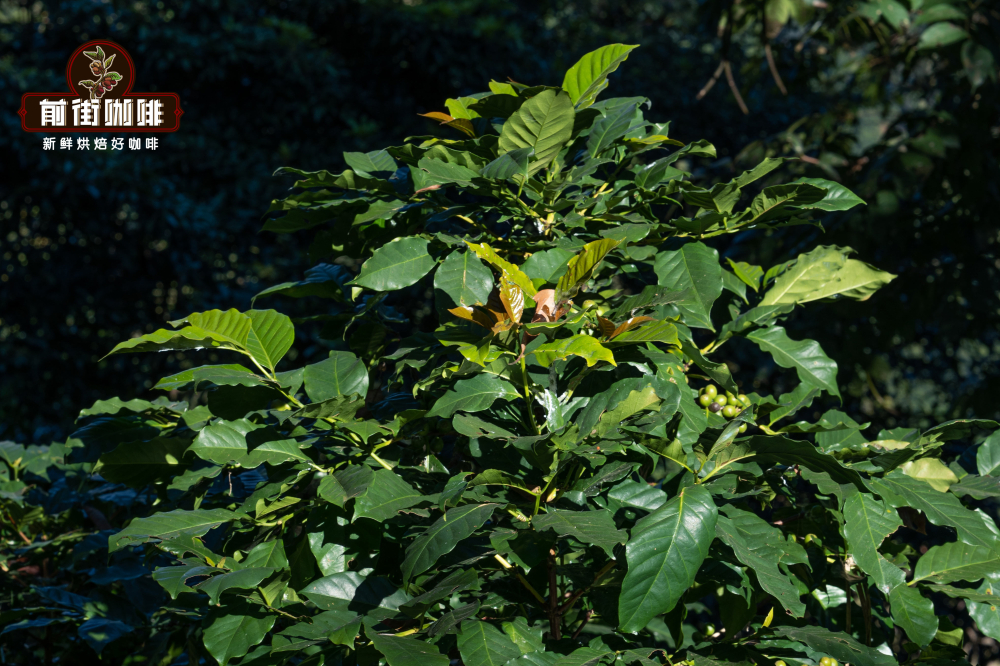
Typica coffee beans: The most classic high-quality Arabica variety, from which many commercial improved varieties currently originate. Typica coffee beans perform extremely well in taste and are recognized as a specialty coffee variety, but the yield is very low and it is susceptible to rust disease, requiring more manpower for management. Typica originated in Ethiopia and southeastern Sudan and is the most widely cultivated coffee variety in the Western Hemisphere. The plant is relatively robust but not tolerant of light, and yields relatively high in Hawaii. The top leaves of Typica are copper-red, hence it is called red-top coffee.
Bourbon coffee beans: This variety originated from Typica and spread after being planted by the French on Bourbon Island (now Réunion Island) in 1708. Bourbon also has a beautiful aroma and rich taste, with higher yield and growth vigor than Typica. It is suitable for cultivation in areas from 1,200 to 2,000 meters, but its resistance to pests and diseases is relatively weak, and it is more sensitive to strong winds and heavy rainfall. Bourbon is the variety second only to Typica among small-bean coffees. The main branches initially grow upward at 45 degrees to the trunk and droop as they bear fruit. The side branches have denser nodes, bear more fruit, and have higher yield. However, the berries are smaller and ripen more slowly. The tender buds and leaves of Bourbon are green, hence it is called green-top coffee.
Coffee Bean Processing Methods
Yunnan coffee includes washed processing and natural sun-dried processing. Whether sun-dried or washed, each has its own flavor. If possible, Front Street recommends trying both!
Washed processing method: Coffee farmers first pour the picked coffee berries into a large water tank. Underdeveloped inferior beans will float to the surface, while mature and plump fruits sink to the bottom. At this point, the defective beans floating on the surface are removed. Then the outer skin and pulp of the coffee fruit are removed with a pulping machine, and at this stage a slippery mucilage still adheres to the coffee beans. The coffee beans with mucilage are placed into a fermentation tank for 16 to 36 hours, during which microorganisms break down the mucilage. After fermentation is completed, a large amount of clean water is used to rinse off the remaining mucilage on the coffee beans. Finally, the washed coffee beans are dried in the sun. The washed processing method has both soft and intense acidity, moderate body, and sweet, spicy aromatics.
FrontStreet Coffee Brewing Suggestions for Front Street Yunnan Small-Bean Coffee
Front Street recommends using a V60 conical dripper. The V60 has a larger opening, and together with its unique spiral curved ribs, it allows air to escape more easily, thereby improving extraction quality. The mouthfeel may not be thick enough, but the fruity acidity and obvious aroma of Yunnan coffee brought out by its high concentration are one of its major features.
Dripper: Hario V60, water temperature: 88°C, dose: 15 grams, coffee-to-water ratio: 1:15, grind size: medium-fine grind (75% passing through a Chinese standard No. 20 sieve)
【 Front Street 2013 Sun-Dried Typica Coffee Flavor】 Thick mouthfeel, prominent sweet-and-sour sensation, with citrus and berry notes, a hint of fermented wine aroma, caramel-like sweetness, creamy finish, and black tea-like tea sensation.
【Front Street Washed Yunnan Small-Bean Coffee Flavor】 Herbal, nutty aroma, chocolate, caramel.
【Front Street Sun-Dried Yunnan Catimor Coffee Flavor】 Flavor performance: nuts, chocolate, spices, caramel, plum.
The above content is compiled by CoffeeHunters, a coffee news website.


