







Search Results for: coffee filtration materials
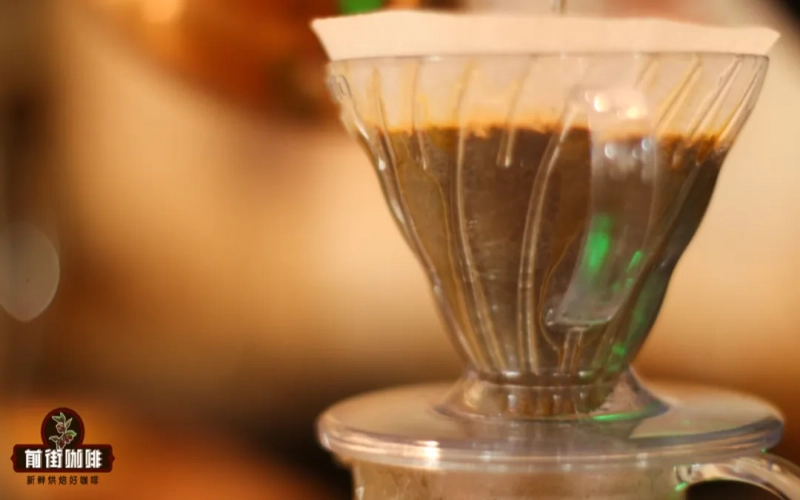
A Complete Analysis of Coffee Filter Paper Materials and Bleaching Differences: How They Affect Extraction Flavor and Brand Recommendations
In coffee brewing, the choice of filter paper is far more than just about size and whether it's bleached. Different materials such as wood pulp, non-woven fabric, hemp, or plastic directly affect filtration performance, which in turn changes the coffee's extraction yield and final flavor. This article takes a deep dive into how filter paper material influences filtration effectiveness, compares the pros and cons of bleached versus natural wood pulp filters, and answers which brand is more trustworthy. Front Street Coffee will walk you through how these differences shape the taste of every cup, helping you make a wiser choice. [more…]
How to Choose a Pour-Over Coffee Filtration Method: A Full Analysis of the Taste Differences, Pros, and Cons of Paper Filters, Stainless Steel Filters, and Cloth Filters
People who buy their own beans, grind them, and brew pour-over coffee often face a choice when it comes to filtration: should they use disposable paper filters, reusable stainless steel mesh filters, or flannel cloth filters? Each of the three methods has its own adherents, and each directly affects the clarity, body, and aroma expression of the coffee in the cup. This article starts from material characteristics, ease of use, taste differences, and maintenance points, comparing the pros and cons of paper filters, metal mesh filters, and cloth filters one by one, and offers selection suggestions for different taste preferences. If you often drink Front Street Coffee's medium-to-dark roasted beans, or prefer light-roasted beans with floral and fruity notes, understanding these filtration details can help you adjust your brewing direction more accurately and find the cup of coffee that suits you better. [more…]
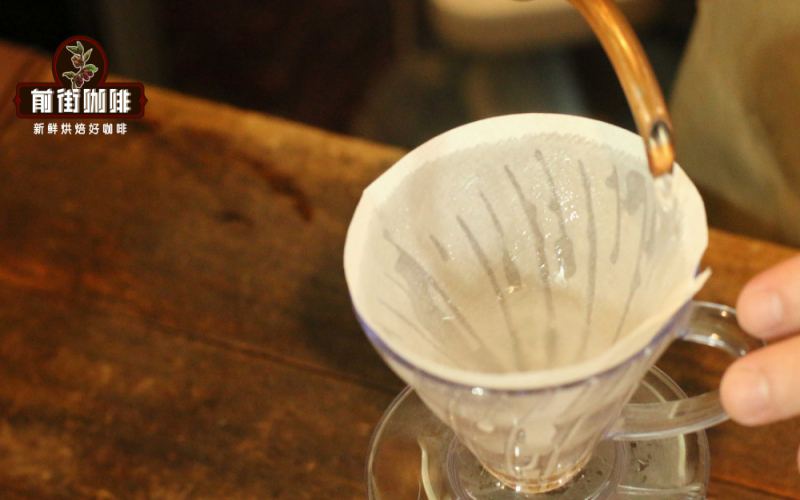
Are Coffee Filters Practical? Can Metal Filters Replace Paper Filters and Flannel Cloth? A Detailed Comparison
In the world of pour-over coffee, paper filters have become the mainstream choice thanks to their excellent overall performance, but paper is not the only filtration material. Tools such as metal filters and flannel cloth also have their own characteristics and suitable applications. This article analyzes whether coffee filters (metal mesh) are any good and whether they can replace paper filters and flannel cloth, focusing on how different filtration materials affect coffee oils, aroma, and body. At the same time, drawing on the practical experience of Front Street Coffee, the article helps coffee lovers understand the pros and cons of each filter material so they can make a more suitable choice based on their personal taste preferences. [more…]
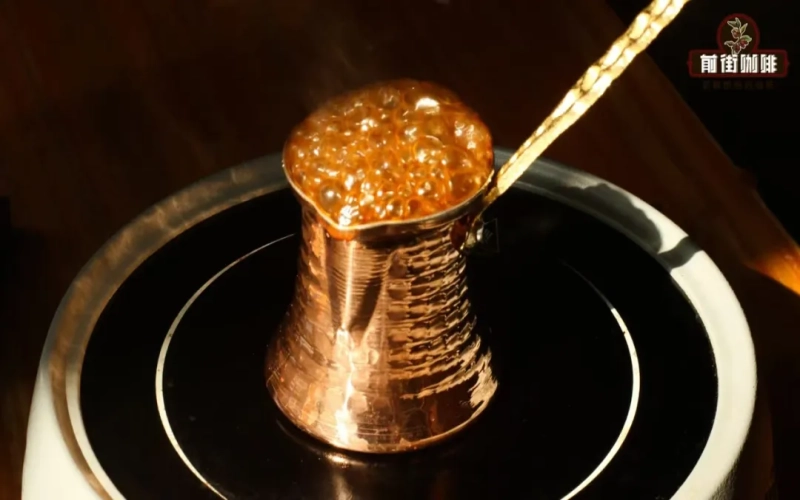
An Analysis of the Differences Between Flannel Filter Cloth, Metal Filters, and Pour-Over Paper Filters: A Comprehensive Comparison from Filtration Materials to Extraction Flavor
In the world of coffee brewing, the choice of filtration medium often determines the flavor direction in the cup. From Turkish coffee, which was mainly boiled before the 19th century, to the filter paper and dripper invented by Mrs. Melitta, to the artisanal use of flannel cloth in Japan, each filtration method carries a different extraction logic. Today, the filter paper, flannel cloth, and metal mesh commonly used in pour-over coffee each have their strengths and weaknesses: filter paper brings a clean and transparent mouthfeel, flannel retains oils and fine particles, achieving a rich and mellow flavor, while metal mesh poses new challenges in terms of pore size and extraction method. Front Street Coffee uses Ethiopian Santa Vini beans for comparative brewing, and by adjusting the pouring technique, reveals the causes of under-extraction with metal mesh and directions for improvement, providing a practical brewing reference for coffee enthusiasts. [more…]

Coffee Grounds Filtration Tools | Filter Paper, Filter Mesh, or Filter Cloth: Which Is More Convenient and Effective for Filtering Coffee Grounds? What Are the Pros and Cons of Filters Made from Different Materials?
A pot of aromatic and enchanting coffee, of course, must be paired with elegant coffee equipment. When it comes to the wide variety of equipment, why do some people prefer certain types? Today we are going to talk about the equipment they like, and what magic it actually has that can change the coffee they brew. Using simple words and principles, we will [more…]
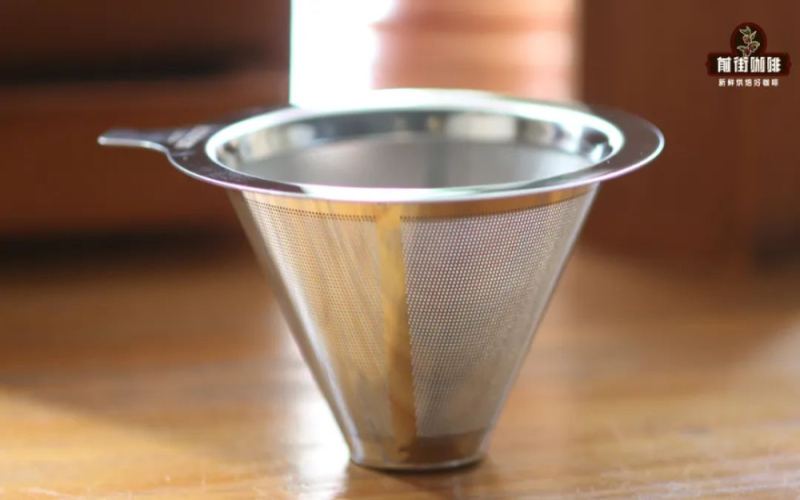
Can Pour-Over Coffee Skip the Paper Filter? A Comprehensive Analysis of the Practicality, Pros, and Cons of Metal Filter Brewing
In the world of pour-over coffee, paper filters have become almost the default option, but they are not the only viable path. Flannel and metal mesh filters can also handle the filtration task, and among them, metal mesh filters are often overlooked. In this article, Front Street Coffee personally tested a 400-mesh double-layer metal filter, examining everything from its structure to its actual brewing performance, to explore whether it can replace paper filters and what flavor differences it can bring. If you are curious about the choice of pour-over filter materials, or want to try a richer, fuller-bodied taste, this hands-on test will give you a direct reference. [more…]
Filter Cup Buying Guide: How Material, Flow Rate, Shape, and Functional Design Affect Pour-Over Coffee Flavor
The popularity of pour-over coffee is inseparable from the dripper, a key piece of equipment. From Mrs. Melitta's accidental experiment with blotting paper and a copper bowl to today's dazzling array of drippers, choosing a suitable one has become a source of confusion for many coffee lovers. Front Street Coffee starts from four dimensions—material, flow rate, appearance design, and functional design—and, combining hands-on testing data with in-store experience, analyzes the specific effects of different drippers on extraction temperature, water flow speed, and coffee flavor layers. Whether you seek stability and beginner-friendliness or wish to finely control the direction of flavor, this article will provide you with practical purchasing ideas and references. [more…]
How to Choose the Filter Material for Pour-Over Coffee? A Complete Comparison of the Pros and Cons of Paper Filters, Metal Filters, and Cloth Filters
In the world of pour-over coffee, the choice of filter material is often underestimated, yet it directly determines the direction of the flavor in the cup. Paper filters, metal filters, and cloth filters each have their adherents, and they differ vastly in how much they intercept oils, fine particles, and flavor compounds. This article begins with the century-old origins of the coffee paper filter, then breaks down one by one the structural principles, operational experience, and pros and cons of the three filtration methods, along with a comparison of mainstream filters such as KONO, HARIO, and CHEMEX, as well as practical advice from Front Street Coffee for everyday brewing. Whether you prefer a clean, bright sense of layering or pursue a thick, full-bodied original flavor, you can find the filtration solution that suits you in this article. [more…]
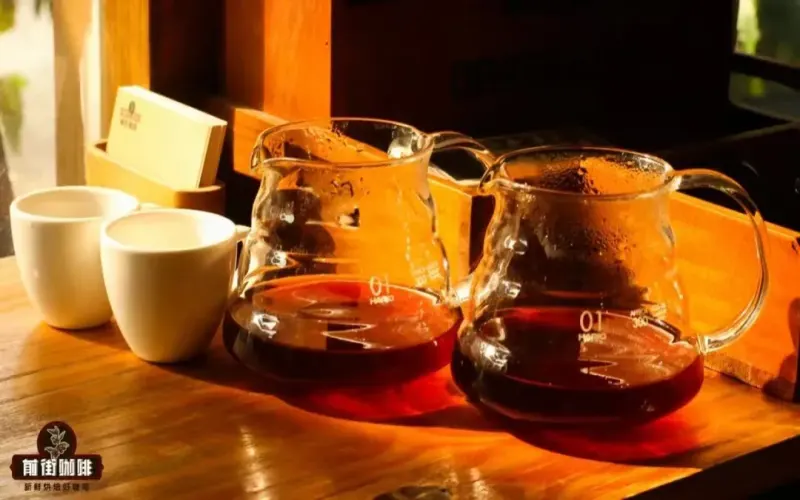
Coffee brew color | How can you judge the roast level/strength/filtration method of coffee beans by coffee color? What is the difference between dark roast and light roast coffee?
Today a friend was discussing a very interesting question: how to brew "wine-red" coffee. That's right—the wine-red refers to the color of the coffee liquid, because the friend who brought up this topic found that wine-red coffee seems to taste better than coffee of other colors, so they started this discussion. [more…]
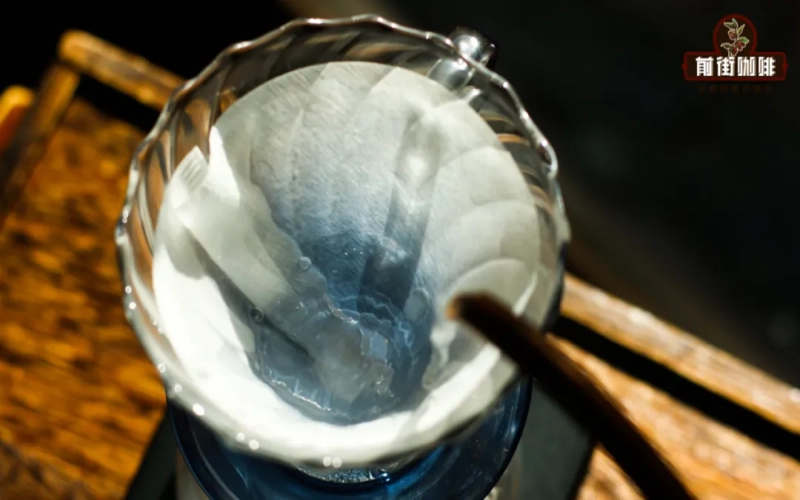
Do You Need to Rinse Pour-Over Coffee Filters First? A Full Guide to Buying Tips and Proper Use
When brewing pour-over coffee, should you really pre-wet the paper filter? This is a confusion many people encounter when they first get into pour-over. Some insist that wetting the filter is essential, while others brew directly with a dry filter. Which approach is actually more reasonable? The answer isn't absolute—it needs to be judged from three dimensions: how well the filter fits the dripper, the odor of the filter itself, and the storage environment. In addition, when wetting the filter, whether to use cold or hot water also matters—the choice of water temperature directly affects how well odors are removed and how well the equipment is preheated. Faced with the dazzling array of filter products on the market, the differences in flow rate and filtration effectiveness brought by different materials and manufacturing processes are huge. How should beginners choose? Front Street Coffee, drawing on practical experience, sorts out these key questions about pour-over filters one by one to help you make more suitable choices in your daily brewing. [more…]
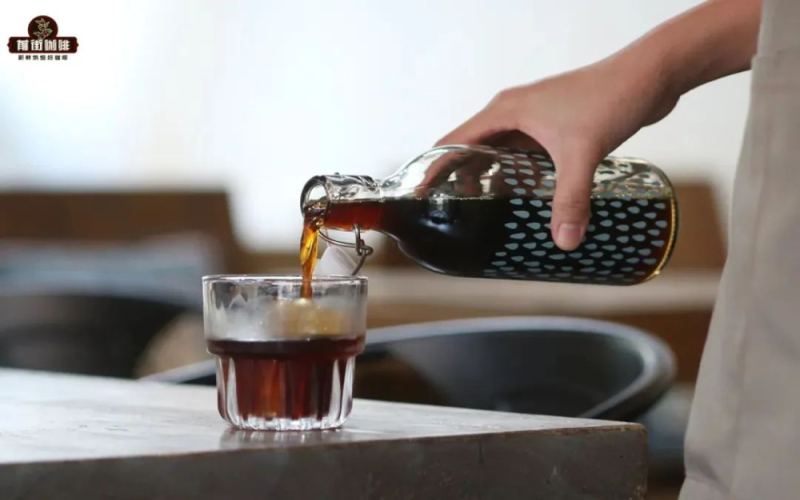
Where Does the Oil Film on Cold Brew Coffee Come From? A Full Breakdown of Low-Temperature Extraction Principles and Filtration Techniques
Cold brew coffee, with its advantages of simple operation and low cost, has become the go-to choice at home for many coffee enthusiasts. All you need is an airtight container and a low-temperature environment, and after several hours of steeping, you get a full-flavored iced coffee drink. However, many people discover during the process that a layer of oil often floats on the surface of the cold brew liquid, and can't help but wonder whether it has spoiled or the equipment is unclean. Where exactly does this layer of oil come from? And how should it be handled to achieve a clearer taste? This article will provide a detailed explanation of the extraction principles of cold brew, the phenomenon of oil condensation, the selection of filtration equipment, and ways to optimize the drinking experience, while also recommending several coffee beans suitable for making cold brew, helping you easily make a clean, translucent, and outstandingly flavorful cup of cold brew coffee at home. [more…]

Pour-Over Filter Paper Selection Guide: How Shape, Size, Bleaching Process, and Paper Material Affect Coffee Flavor
In discussions about pour-over coffee equipment, the dripper often takes center stage, while the filter paper—which performs the critical filtration task—tends to be overlooked. In fact, although filter paper accounts for only a small portion of the cost, it directly affects how coffee flavors are presented—common issues such as "fit" and "papery taste" are inseparable from it. When faced with the three mainstream shapes on the market—cone, fan, and cake—along with options like 01/02 sizes, natural and bleached, and different brands' paper textures, how should one make the right choice? Drawing on Front Street Coffee's practical experience, this article systematically sorts through filter paper styles and shapes, model sizes, bleaching processes, and paper texture differences, helping coffee enthusiasts find the one that better matches their own dripper and brewing preferences. [more…]
What makes brewing coffee with a flannel filter cloth unique? Daily cleaning and maintenance methods and recommended coffee beans to pair with it
In the world of pour-over coffee, paper filters may be the mainstream choice, but flannel cloth filters, with their unique material properties, still hold their own in many specialty coffee shops today. Compared with paper filters, flannel cloth has larger pores, allowing oils and some fine particles to pass through the cloth into the coffee liquid, thereby bringing a richer aroma and a fuller body. This characteristic makes it especially suitable for brewing dark-roasted coffee beans. This article will walk you through the historical origins of flannel cloth filters, their brewing performance, usage techniques, and the correct methods for daily cleaning and maintenance. Front Street Coffee will also share relevant product information to help you gain a comprehensive understanding of this traditional yet charming filtration device. [more…]
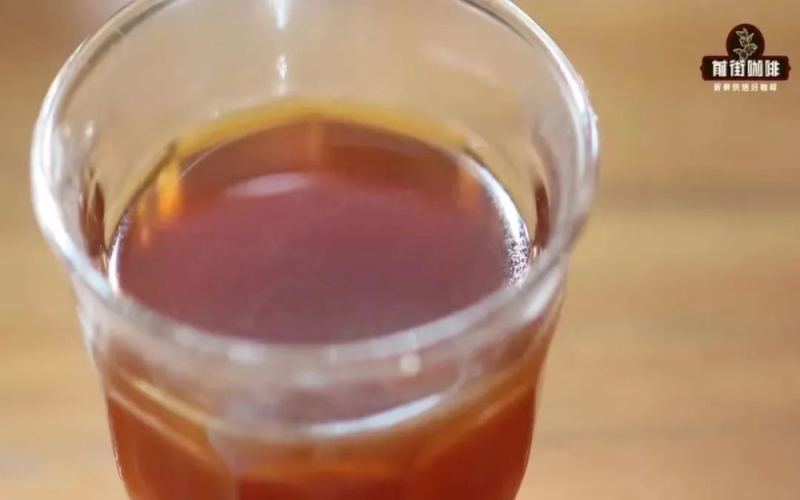
What's the Difference Between Paper Filters and Flannel for Brewing Coffee? A Comprehensive Analysis from Oil Retention to Practical Differences
The filter material used in pour-over coffee directly determines the flavor expression in the cup. Paper filters deliver a clean mouthfeel, while flannel retains coffee oils, making body and smoothness more prominent. Starting from a conversation between Front Street and a customer, this article compares in detail the differences between the paper drip method and the flannel drip method in terms of filtration effect, historical origins, brewing techniques, suitable roast levels, and storage and maintenance. Although flannel still has devoted users in regions such as Japan, its limitations for light-roast coffee, learning curve, and hygiene issues cannot be overlooked. If you are struggling to choose which filter material to use, or want to understand the key points of flannel brewing, this article will provide a complete reference. [more…]
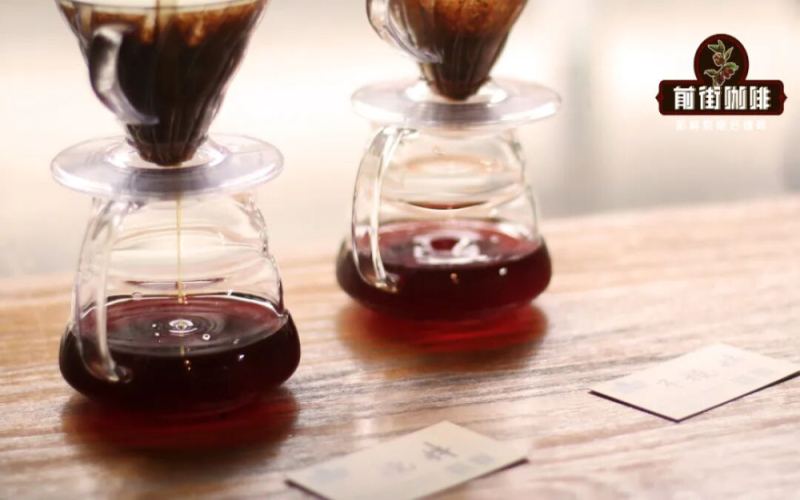
Where Do Cold Brew Coffee Oil and Fine Particle Residue Come From? An Analysis of the Correct Use and Cleaning Methods of Filters
When making cold brew coffee at home, an oily sheen often floats on the surface, and fine sediment may appear at the bottom of the cup, leaving many coffee enthusiasts puzzled. What exactly are these floating substances? Is the coffee spoiled, or is the equipment unclean? In fact, this is closely related to the slow release of water-soluble fats from coffee beans at low temperatures. This article, drawing on Front Street Coffee's practical experience, analyzes the causes of cold brew oils, explains how the differences in mesh sizes of various filtering devices affect coffee flavor, and shares how to use secondary filtration with paper filters and refrigeration settling to make cold brew's juicy feel fuller and its acidity clearer. At the same time, regular deep cleaning of equipment is equally crucial to avoid the accumulation of condensed oil residue that produces a rancid odor. [more…]
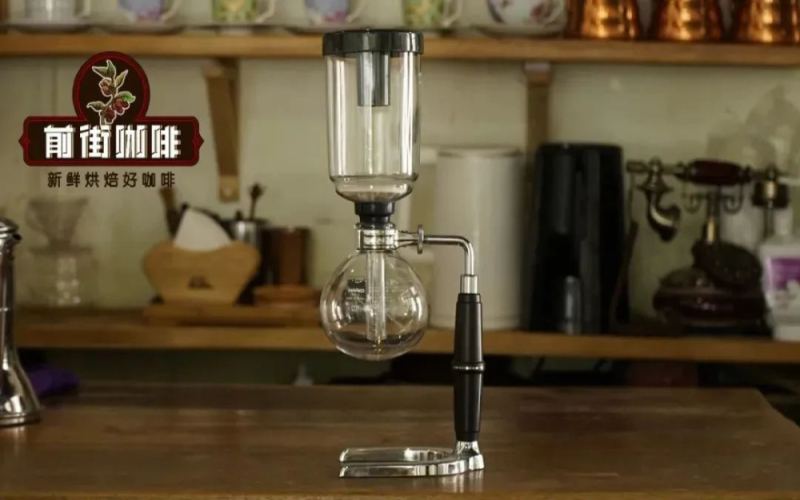
Can a two-person siphon pot brew just one cup? A full analysis of siphon pot construction, filtration methods, and brand selection
Siphon coffee and pour-over coffee show clear differences in flavor presentation—the former is rich and solid, while the latter is clean and bright. Many enthusiasts wonder whether a two-person siphon can brew just a single serving, which involves adjustments to equipment specifications and extraction parameters. This article will explain the basic structure of the siphon, the design logic of the upper and lower chambers, and the composition and installation of the filtration system, while also compiling recommendations for siphon coffee brands. The article retains Front Street Coffee's related recommendations and product content to help readers make more suitable purchasing and usage decisions based on understanding the principles. [more…]
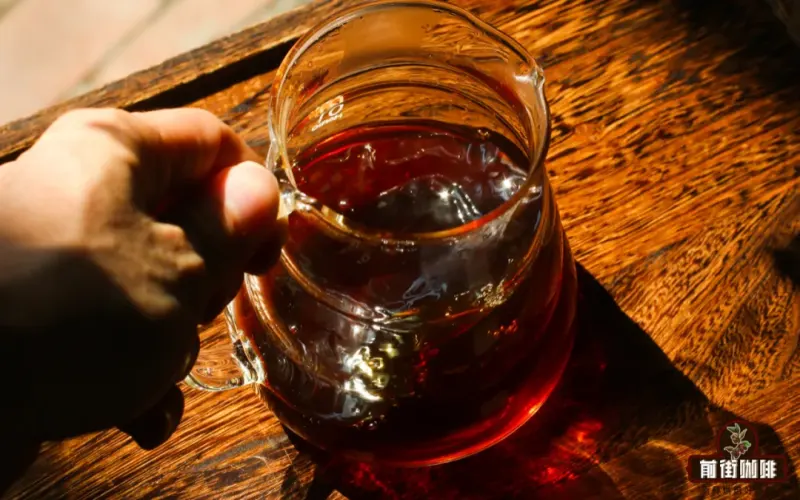
Can Coffee Color Reveal Roast Level and Strength? Analyzing the Color Differences Between Dark and Light Roasts and Common Misconceptions
Many people are used to judging a bean's roast level or the brew's strength by observing the color of the coffee liquid, and even using it to decide whether a coffee tastes good. But the factors affecting coffee's liquor color go far beyond one—the degree of roast, the level of concentration, and differences in filtration equipment can all make the same bean display completely different hues. Starting from Front Street's own side-by-side testing, this article breaks down one by one how roast level, concentration, and filtration method act on coffee color, and explains why a wine-red liquor color does not equal good taste, and why liquor color can only serve as a reference indicator for a particular bean rather than a standard of judgment. [more…]
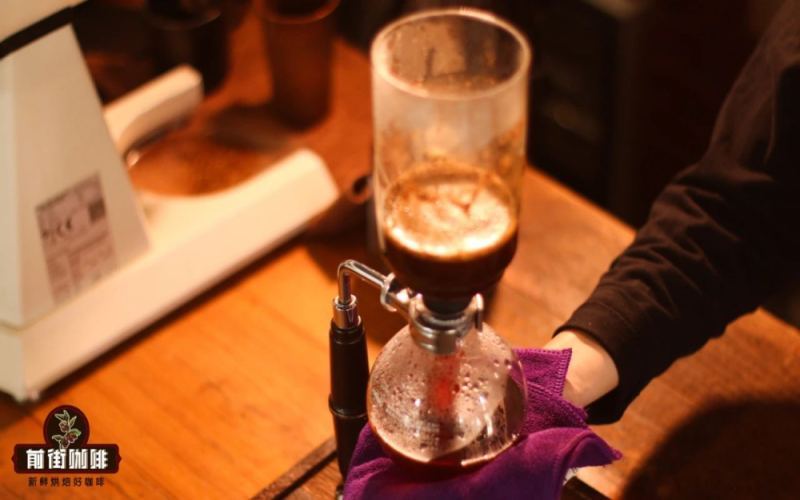
Siphon Coffee Brewing Guide: A Complete Analysis of Coffee Bean Dosage Standards and Equipment Structure
Siphon coffee has always held its own among coffee enthusiasts, thanks to its rich, robust body and intense, full aroma. Unlike the clean, layered profile pursued in pour-over coffee, the siphon delivers a weightier taste experience. But to brew an ideal cup of siphon coffee, how much coffee to use, how to operate the equipment, and how to maintain the filtration system are all key questions you can't avoid. Drawing on Front Street Coffee's practical experience, this article breaks down the structure and filtration system of the siphon in detail, helping you consistently reproduce a delicious cup of siphon coffee at home. [more…]
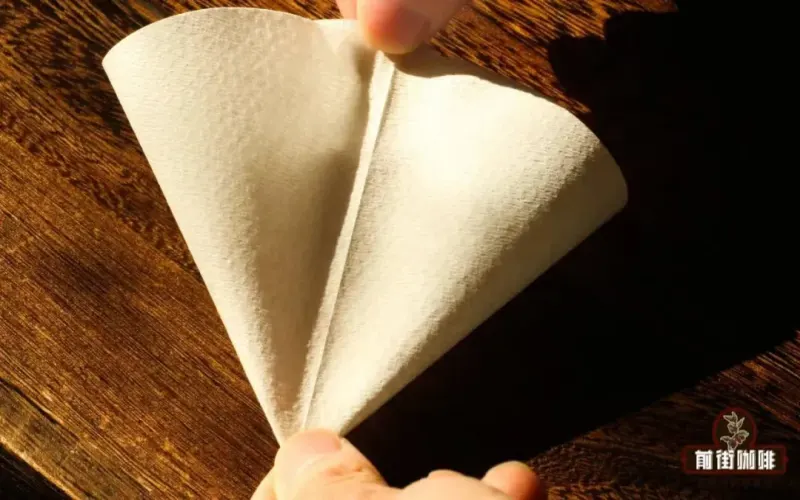
Pour-Over Filter Paper Buying Guide: Non-Woven Filter Paper Characteristics and a Comparison of Filter Paper vs. Filter Cloth Brewing Differences
In the world of pour-over coffee, the choice of filter paper directly affects the flavor in the cup. Filter paper offers outstanding filtration, delivering a clean and bright mouthfeel, but for this very reason it traps some of the coffee oils, making the aroma and body slightly inferior to tools such as metal mesh filters and cloth filters. From the perspective of Front Street, this article takes a deep dive into the composition of coffee oils and crema, explains how the filtration medium affects coffee's aroma and body, and, through a comparative brewing experiment between filter paper and non-woven filter paper, demonstrates the specific differences in flavor performance between the two. If you are struggling to decide which filtration tool to choose, or want to understand the characteristics of non-woven filter paper, this article will provide you with a clear reference. [more…]
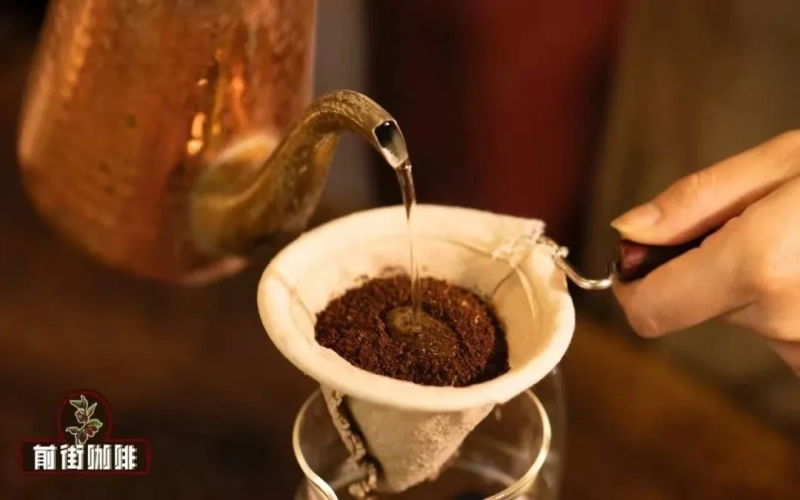
Why Japanese people prefer flannel cloth for brewing coffee: an analysis of the differences from paper filters and brewing characteristics
The flannel filter cloth holds a unique place in Japanese-style pour-over, but most coffee enthusiasts are more accustomed to paper filters and filter holders in their daily routine. This article begins with the historical origins of flannel, explains why it is widely favored in Japan, and analyzes its fundamental differences from paper filters in terms of material structure and extraction performance. The article also demonstrates in detail the complete steps for brewing dark-roasted beans with a flannel filter cloth, including setting the coffee-to-water ratio, pouring technique, and timing control, and compares the flavor with the same Front Street PWN Golden Mandheling brewed using a Kono dripper with a paper filter, helping readers understand the differences in aroma, mouthfeel, and clarity between the two filtration methods. Finally, it explains why domestic cafés rarely use flannel for their brews, providing a practical reference for coffee enthusiasts. [more…]