







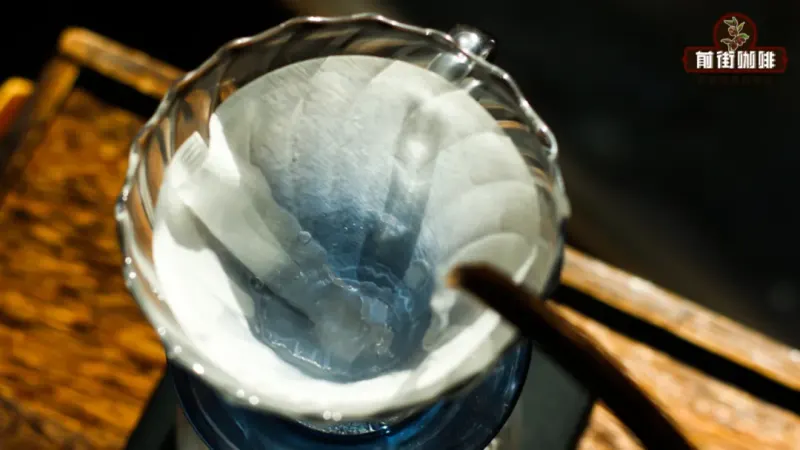
Should You Rinse Pour-Over Coffee Filters? A Practical Guide
When you brew pour-over coffee, pre-wetting the paper filter is a common question. You can decide by checking three things: how well the filter fits the dripper, whether the filter has a papery smell, and where it was stored. A snug fit helps water flow evenly. If the filter smells like paper or has been sitting out, rinsing with hot water removes dust and odor and preheats the dripper. For beginners, rinsing is a reliable habit.
Buying filters can be confusing because materials and manufacturing affect flow rate and filtration. Look for filters that match your dripper shape and size, and choose unbleached or oxygen-bleached paper if you want to avoid a papery taste. Store filters in a sealed bag or container away from dust and strong odors. When brewing, rinse the filter with hot water, discard the rinse water, then add coffee grounds and proceed. This simple step improves consistency and taste.
When brewing pour-over coffee, should you really pre-wet the paper filter? This is a common confusion for many people just getting into pour-over. Some insist that wetting the filter is essential, while others brew directly with a dry filter. Which approach is actually more reasonable? The answer isn't absolute—it needs to be judged from three dimensions: how well the filter fits the dripper, the filter's own odor, and the storage environment. In addition, whether to use cold or hot water when wetting the filter also matters, as the water temperature directly affects deodorizing effectiveness and equipment preheating. Faced with the dazzling array of filter products on the market, different materials and manufacturing processes bring huge differences in flow rate and filtration performance—how should beginners choose? Front Street Coffee draws on practical experience to sort through these key questions about pour-over filters one by one, helping you make more suitable choices in your daily brewing.
Should the filter be pre-wet?
Many friends just getting into pour-over coffee often find themselves stuck in a dilemma: "Should I wet the filter before brewing?" This confusion often arises because someone told you that wetting the filter is a necessary step, but in actual brewing, you frequently see others using it dry. So the question arises—is it really necessary to pre-wet the paper filter before brewing coffee?
Front Street's view is that beyond personal habit, this should be judged based on actual circumstances. We can weigh it from three dimensions: how well the filter fits the dripper, the filter's own taste, and the filter's storage environment.
Fitting the dripper:
Many drippers, like the V60, have numerous guiding ribs distributed along the walls. These ribs not only prop up the filter and leave space for coffee grounds to release gas, but also guide the flow of water. For the ribs to truly function, the prerequisite is that the filter must fit snugly against the dripper.
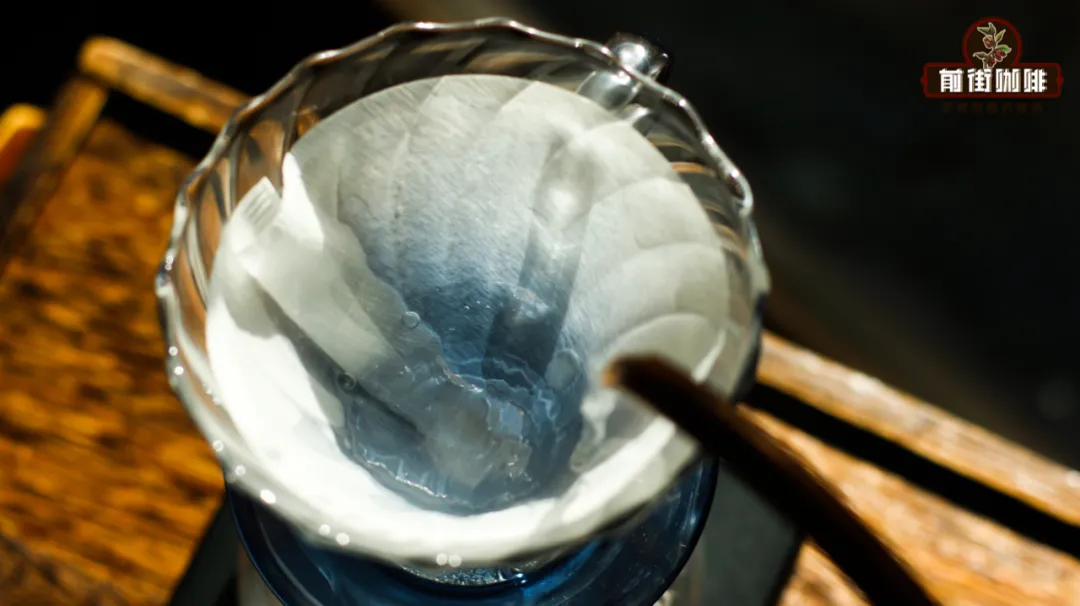
There are several ways to make the filter fit the dripper, such as pre-wetting the filter with water, or weighing it down with coffee grounds. For beginners, if you're not yet skilled with the latter method, Front Street recommends using clean water to wet the filter so it adheres to the dripper—this approach is the most reliable.
The filter's storage environment:
Where the filter is stored is also a factor in deciding whether to pre-wet it. If the filter has been exposed to an open environment for a long time, it easily picks up dust in daily life—in that case, you need to rinse away surface contaminants by pre-wetting. Conversely, if the filter is always stored in a well-sealed place and isn't easily contaminated by dust, then you can decide whether to wet it based on personal preference or other conditions.
The filter's smell:
The last point is the filter's odor. The main purpose of wetting the filter in the early days, besides making it fit the dripper, was to remove the paper pulp smell inherent to the filter. Many filters, due to manufacturing limitations, retain a noticeable paper pulp odor. If not dealt with beforehand, this smell mixes into the coffee liquid during brewing, giving the final cup a faint papery taste.
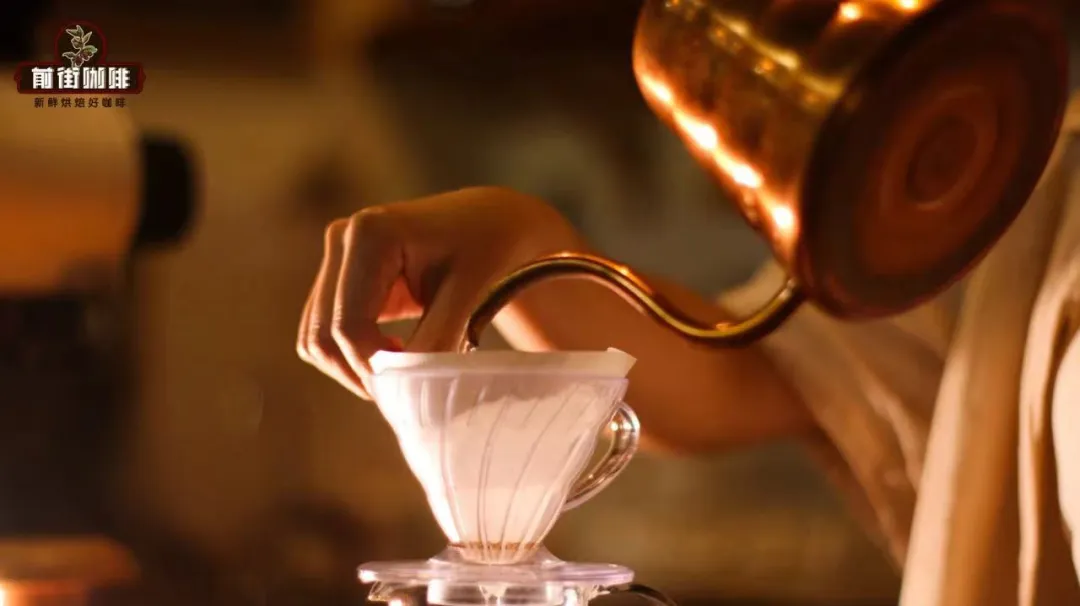
However, with advances in production technology, many filters today no longer have a noticeable paper pulp smell, so some filters don't need deodorizing treatment. Therefore, whether to pre-wet the filter also depends on whether the filter itself has a noticeable odor. So how do you judge whether a filter has a strong papery smell?
The method is simple, though a bit abstract to describe—rinse the filter with a small amount of hot water, then taste the water that passed through the filter separately to see if there's an obvious papery taste. (Front Street is just offering a way of thinking here—you don't necessarily have to actually try it...
)
Should you use cold or hot water to wet the filter?
Next, let's talk about water temperature when wetting the filter. Once we've decided to wet the filter, the immediate consideration is what temperature of water to use—and there's quite a bit to consider here too.
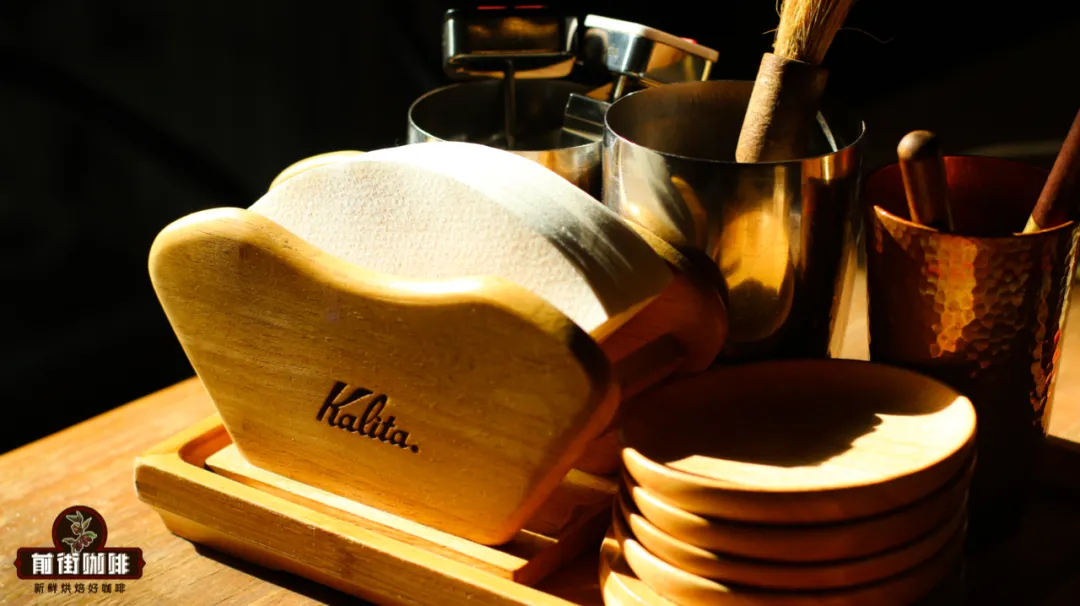
If the purpose of wetting the filter is to remove the papery smell, then the water should preferably be on the hotter side. The logic is the same as how hot water accelerates the dissolution of coffee flavor compounds—hot water (hot water) can also more effectively dissolve out the papery smell.
In addition, the water temperature for wetting the filter also depends on whether you need to preheat equipment such as the dripper and server. If the dripper is made of a material with high specific heat capacity like ceramic, it's best to use hot water to wet the filter. This is because such drippers, without preheating, will first absorb the heat from the brewing water to warm themselves up, thereby affecting extraction. The same logic applies to whether to preheat the server, except that it affects the coffee liquid rather than the water.
How should you choose a filter?
Choosing a filter is also a headache for beginners. The difficulty isn't in the filter's shape, but in its flow rate and filtration performance. Front Street often says that the differences between filters are as vast as the differences between humans and chimpanzees. In the article "The Differences Between Filters," Front Street shared how different filters have different flow rates and filtration behaviors.
For example, Japan's Sanyo Sangyo developed the T-83, T-90, and T-92 filters suited to different roast levels by adjusting the filter's structure and thickness to change flow rate.
Filters of different materials also have their own characteristics. Wood pulp filters have strong filtration performance, intercepting almost everything other than the coffee liquid to ensure a clean-tasting cup; non-woven fabric filters are the opposite—their filtration performance is relatively weak and won't block coffee oils from passing through. Because of this, coffee brewed with non-woven fabric filters shows more prominent aroma and concentration. This is also what Front Street shared in the article "Switch the Filter, and Your Coffee Will Be More Aromatic and Concentrated."
There are many similar examples, and Front Street won't list them all here. Many friends are dazzled by all this information and thus hesitate to settle on a filter. But there's really no need to overthink it—Front Street suggests buying conventional wood pulp filters first to practice with, and after mastering the basic logic of coffee brewing, then trying other filters with different effects to experience different approaches.
Some friends also worry about buying filters with a strong papery smell or poor quality. In that case, Front Street recommends choosing products from well-known, major-brand manufacturers when buying filters. Never mind whether the papery smell is strong or not—at least quality can be better guaranteed.
- END -
The above content is compiled by CoffeeHunters, a coffee news website.


