







Search Results for: coffee cultivation methods
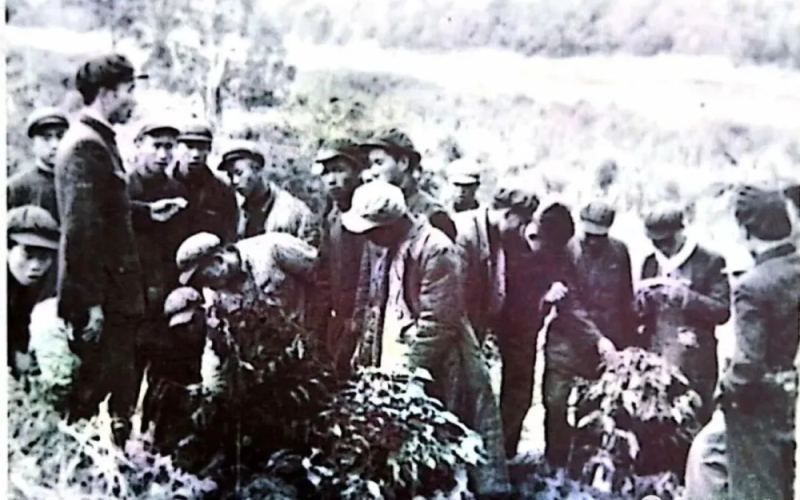
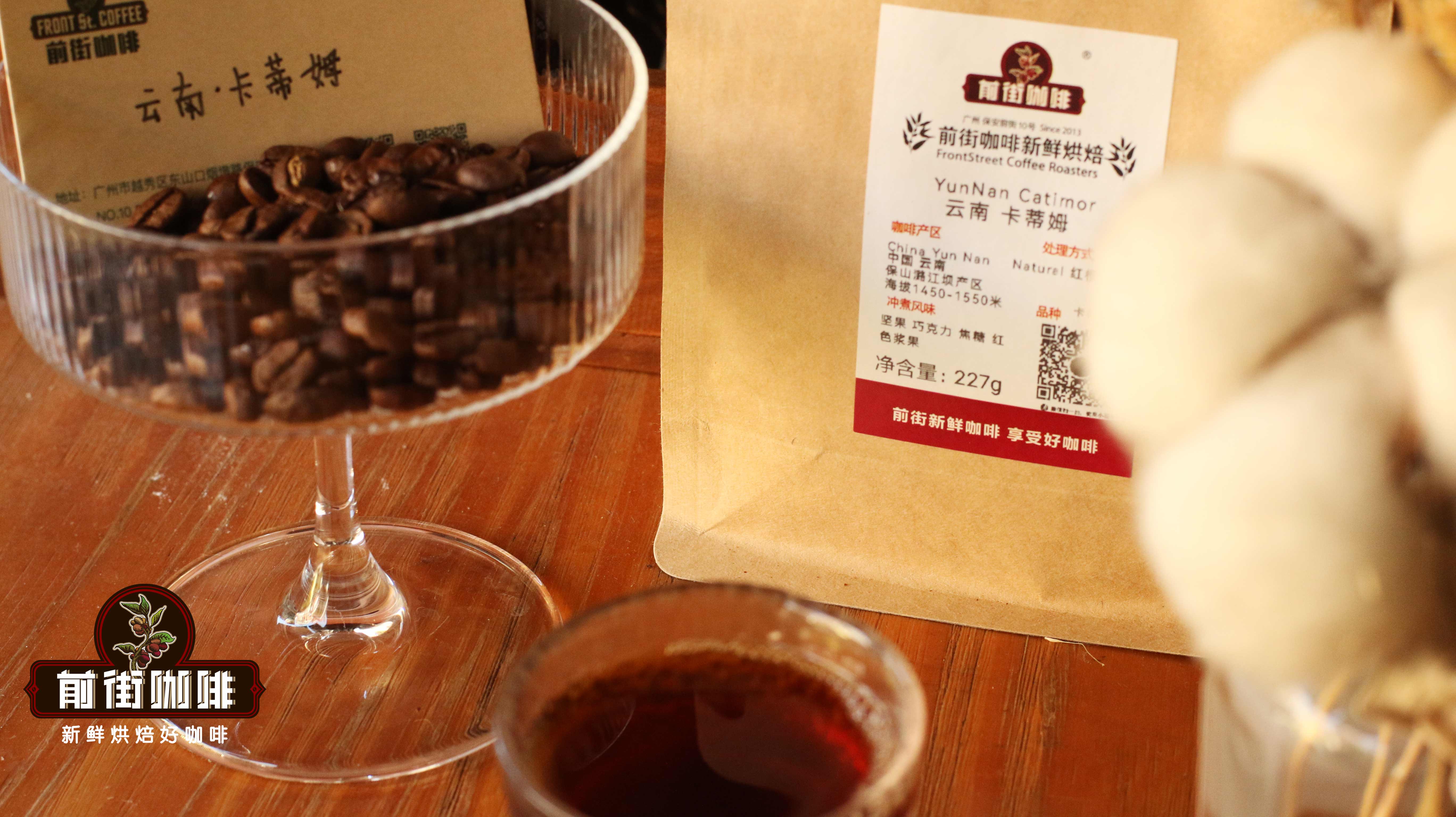
Yunnan Catimor Coffee Flavor Analysis: A Comprehensive Overview of Regional Distribution, Variety Characteristics, and Processing Methods
Yunnan coffee has been actively venturing into the specialty coffee sector in recent years. Although it started relatively late, it demonstrates considerable development potential thanks to its exceptional natural conditions. Front Street Coffee operates a coffee estate in Baoshan, Yunnan, dedicated to cultivating the Typica variety. This article will systematically review the cultivation history of Yunnan coffee, the distribution of major producing regions, variety characteristics, and differences in processing methods. It will focus on analyzing the flavor profiles of the two major varieties, Catimor and Typica, and introduce several Yunnan coffee beans produced by the Front Street Coffee estate. Whether you are encountering the Yunnan producing region for the first time or wish to gain a deeper understanding of Catimor's taste characteristics, this article can provide valuable reference. [more…]
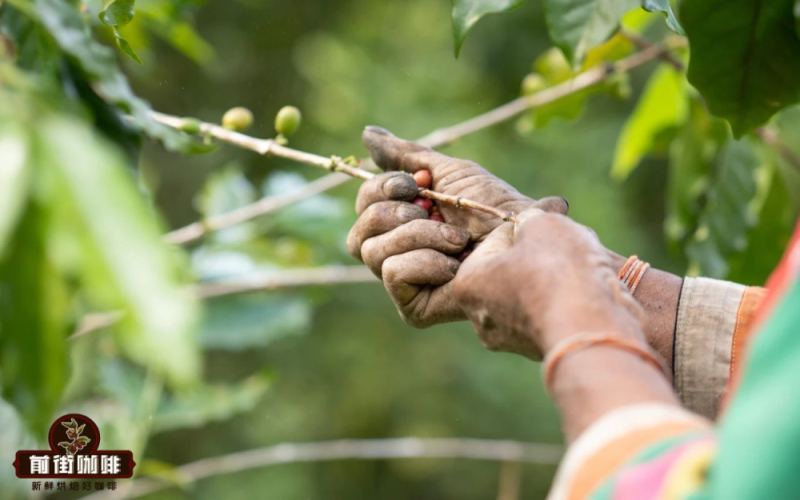
A Century of Yunnan Small-Bean Coffee Farming and an Analysis of Its Varieties and Flavors | Front Street Coffee's Journey of Reviving Typica from Scratch
In recent years, Yunnan coffee has frequently won awards in green bean competitions, gradually becoming a producing region that cannot be ignored in the specialty coffee market. This article traces the historical thread of Yunnan coffee from the introduction of Typica a century ago, through the shifts of three waves of cultivation, to Catimor now accounting for 99% of production. It analyzes why Yunnan coffee focuses more on processing methods than on varieties, and records the complete story of Front Street Coffee's choice to start planting Typica from scratch and its eight-year exploration of the path toward specialization. [more…]
Overview of Ethiopian Specialty Coffee Varieties, Cultivation, and Market: A Comprehensive Analysis from Heirloom Varieties to Processing Methods
As the birthplace of Arabica coffee, Ethiopia has nearly 2,000 recorded coffee varieties and is a pilgrimage site for countless coffee lovers. This article systematically sorts out the variety classification, cultivation patterns, and processing techniques of Ethiopian coffee, analyzes the distribution characteristics of long-shaped beans and small-shaped native varieties in different producing regions, and introduces in detail four cultivation forms, including forest coffee and garden coffee. It also provides an in-depth explanation of the complete processes of the natural method, washed method, and semi-washed method and their representative beans, including popular products such as Front Street Coffee Huakui and Front Street Coffee Gedeb Cooperative, taking you through a comprehensive understanding of the coffee charm of this magical country. [more…]

Yunnan Small-Bean Coffee Catimor Variety Flavor Analysis: Single-Origin Characteristics and Front Street Coffee Bean Recommendations
Yunnan coffee has emerged in the specialty coffee market in recent years, and its unique terroir conditions and varietal characteristics have attracted much attention. This article provides an in-depth analysis of the flavor characteristics of single-origin Yunnan coffee beans, with a focus on the origin and flavor performance of the Catimor variety, while also comparing the differences with varieties such as Typica and Bourbon. The article also thoroughly reviews the cultivation history of Yunnan coffee, the distribution of major producing regions, and the washed processing method, and includes roasting and brewing recommendations for the Yunnan Typica and Catimor coffee beans under Front Street Coffee, providing coffee enthusiasts with a complete guide to Yunnan coffee. [more…]
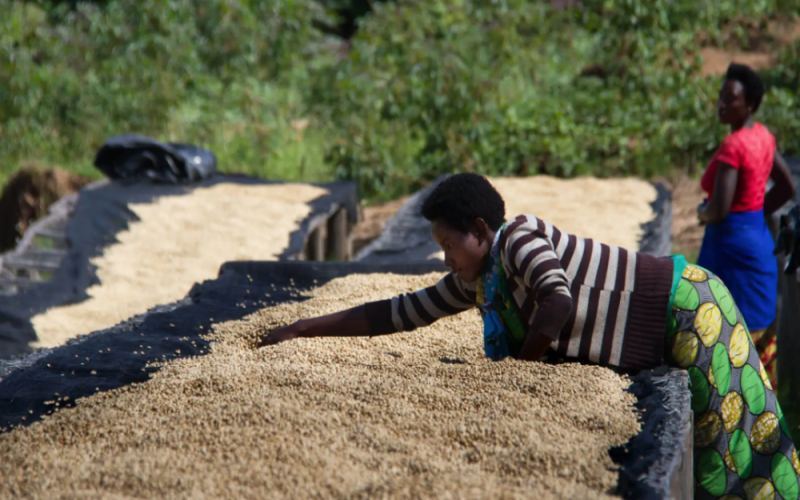
Exploring African Coffee Origins: A Comprehensive Analysis of Ethiopian Coffee Varieties, Cultivation Models, and Processing Methods
Africa is an important coffee-producing region globally, and Ethiopia, as the birthplace of Arabica coffee, has nearly 2,000 recorded varieties, making it truly a "grand garden" of coffee varieties. This article begins with the structure of the coffee berry to analyze why Ethiopian coffee beans vary in size and have low uniformity, introduces four cultivation models including forest coffee and garden coffee, and explains how the three processing methods—natural, washed, and semi-washed—affect flavor. The article also incorporates specific products from the Front Street Coffee brand, such as Kaffa Forest, Huakui, Fruit Dingding, and Yirgacheffe, to help coffee enthusiasts understand the sources of Ethiopian coffee's diversity. [more…]
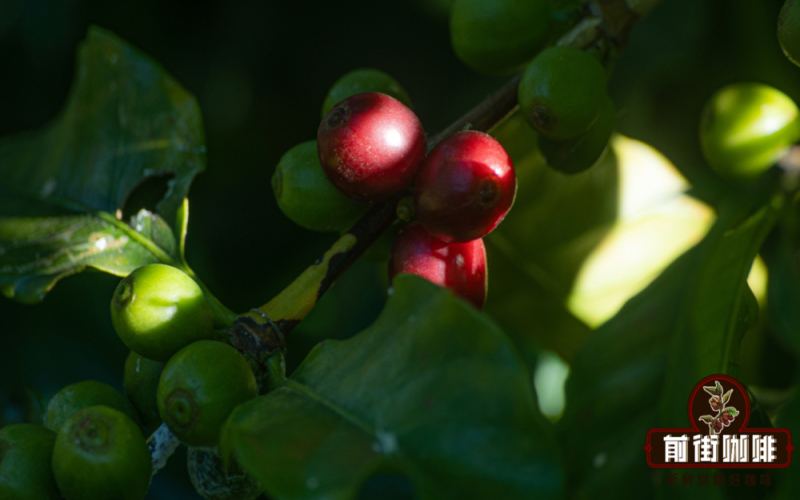
A Comprehensive Analysis of Coffee Cultivation and Varieties in Yunnan: Flavor Comparison of Catimor and Typica and Front Street's Practices in the Producing Region
Yunnan, as China's core coffee-producing region, has performed impressively in the specialty coffee market in recent years. This article focuses on the planting varieties, growing region conditions, and processing methods of Yunnan coffee, with emphasis on introducing the characteristic differences between the two major varieties, Catimor and Typica. It reviews the terroir overview of major producing regions such as Dehong, Baoshan, Lincang, and Pu'er, and shares Front Street Coffee's production philosophy of cultivating Typica in Baoshan and adhering to washed and natural processing. The article also includes specific information on three products—Front Street 2013 Typica, Yunnan Small-Bean Catimor, and Yunnan Natural Catimor—as well as roasting and pour-over parameter suggestions, making it suitable for enthusiasts who wish to gain a deeper understanding of Yunnan coffee. [more…]
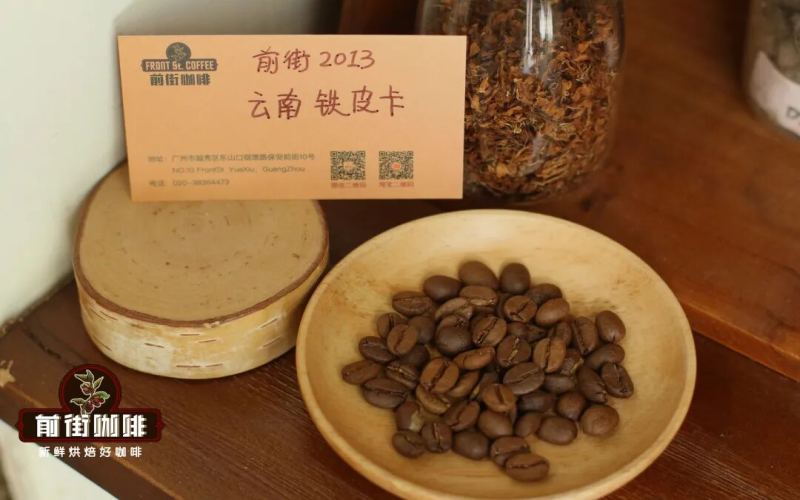
Yunnan Small-Bean Coffee Beans: Catimor and Typica | Is the Catimor variety Arabica or Robusta? What flavor characteristics does Yunnan Catimor coffee have?
Yunnan coffee beans have stood out in recent years in green coffee competitions, frequently appearing in the public eye. And like a dark horse, they have gradually emerged in the specialty coffee market. Today, Front Street will share with you the development of Yunnan coffee in recent years. To understand the history of Yunnan coffee cultivation, you should know that Yunnan's [more…]
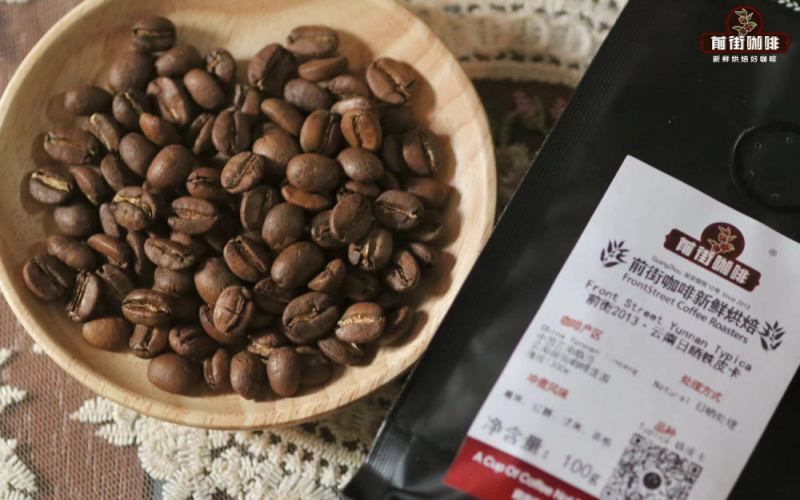
A Complete Guide to Yunnan Specialty Coffee Regions: Cultivated Varieties, Processing Methods, and the Flavor of Front Street's Own Sun-Dried Typica
In recent years, Yunnan coffee has attracted much attention in the specialty coffee circle. How good is its quality really? This article systematically reviews the basic landscape of Yunnan coffee from the perspectives of growing regions, variety structure, and processing methods, and uses Front Street Coffee's sun-dried Typica from its own estate in Lincang as an example to present the true flavors that Yunnan coffee can display under traditional processing. The article also introduces the natural conditions of the two representative producing regions, Baoshan and Lincang, as well as the cultivation history, harvesting details, and brewing parameters of Front Street Coffee 2013 coffee beans, helping readers gain a comprehensive understanding of the current status and potential of domestically produced specialty coffee. [more…]
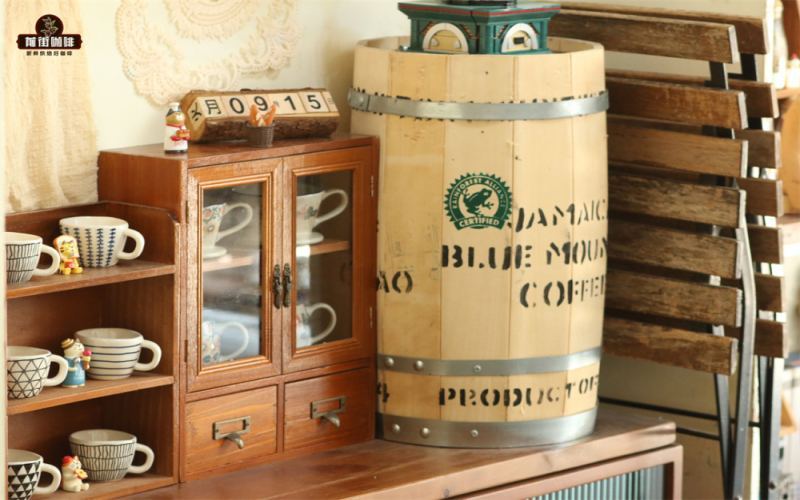
Arabica Coffee Bean Buying Guide: Major Origin Brand Recommendations and the Deep Reasons Why Prices Are Higher Than Robusta
Why are Arabica coffee beans generally more expensive than Robusta? Which Arabica origins around the world are worth paying attention to? Starting from plant taxonomy, this article systematically sorts out Arabica's flavor advantages and cultivation shortcomings, and introduces one by one the variety characteristics, processing methods, and grading standards of core producing regions such as Brazil, Colombia, Panama, Guatemala, Costa Rica, Jamaica, Ethiopia, Kenya, and Indonesia. At the same time, drawing on the store selection experience of Front Street Coffee, it provides coffee lovers with a complete cognitive framework from producing region to cup, helping you find the one that suits your taste among a dazzling array of bean lists. [more…]
Complete Guide to Arabica Coffee: Origins, Variety Characteristics, and Processing Method Flavor Guide
Coffee belongs to the Rubiaceae family, with over a hundred known species, but commercial cultivation is dominated by three major types: Arabica, Robusta, and Liberica. Among them, Arabica, with its outstanding aroma and flavor, accounts for over seventy percent of global production and is the core raw material for single-origin and specialty coffee. This article will systematically review the varietal characteristics, advantages and disadvantages, and sub-varieties of Arabica, and introduce one by one the cultivated varieties, processing methods, grading standards, and flavor profiles of representative producing countries such as Brazil, Colombia, Panama, Guatemala, Costa Rica, Jamaica, Ethiopia, Kenya, and Indonesia. It will also incorporate Front Street Coffee's sourcing experience and recommendations to help coffee enthusiasts build a complete framework for understanding origins. [more…]
A Comprehensive Analysis of Coffee Bean Varieties: Arabica Variety Classification and Representative Beans from Major Global Origins
Coffee, as a plant of the Rubiaceae family, has over a hundred known species, but only three cultivated varieties are actually used for drinking: Arabica, Robusta, and Liberica. Among them, Arabica occupies about seventy percent of global production with its exceptional flavor and aroma, making it the top choice for single-origin and specialty coffee. From Ethiopia's native Typica and Bourbon to the Geisha that has swept the market today, Arabica subspecies are rich and diverse, each with its own characteristics. At the same time, origins such as Brazil, Colombia, Panama, Guatemala, Costa Rica, Jamaica, Ethiopia, Kenya, and Indonesia, by virtue of their unique terroir and processing methods, shape distinctly different coffee flavors. Front Street Coffee offers more than 50 different regional coffee beans in its stores, meeting diverse taste needs. This article will systematically sort out coffee variety classification, the advantages and disadvantages of Arabica, and representative global origins, taking you to gain a deeper understanding of the rich landscape of the coffee world. [more…]
Yunnan Coffee's Century-Long Cultivation Journey and Variety Changes: Front Street 2013 Typica Natural Flavor Analysis
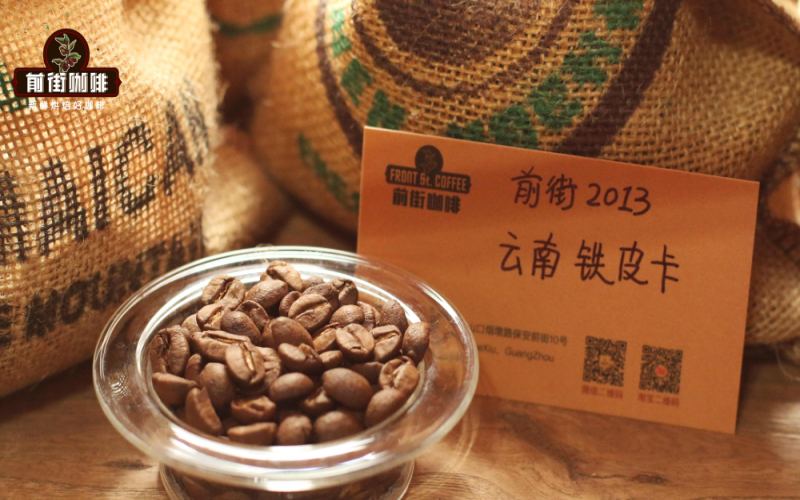
Yunnan coffee has been appearing frequently in green bean competitions in recent years, gradually moving from a niche origin to the specialty market. But many people don't know that this land has been growing coffee for over a century, from the earliest Typica to the Catimor found everywhere today, having gone through three waves of ups and downs in its development. Limitations of altitude conditions, the trade-offs of variety replacement, the debate between processing methods and varieties—these are all key to understanding Yunnan coffee. Front Street Coffee chose a long and difficult path: growing Typica from scratch, and after eight years finally delivering the answer known as "Front Street 2013." This article will trace the historical threads of Yunnan coffee and describe in detail the flavor performance of this fully self-produced natural Typica. [more…]
Tracing the Origins of Yunnan Typica Coffee Variety: Lincang Estate Cultivation, Washed and Natural Processing Methods, and Detailed Cupping Flavor Analysis
In the landscape of Yunnan coffee, Catimor has long held a dominant position, but Typica, a classic Arabica variety, has also taken root and grown in some estates. Front Street Coffee has established its own estate in the Lincang growing region, selecting and cultivating the Typica variety, and after several years of cultivation, has launched the "Front Street 2013" series. This article systematically examines the full picture of Yunnan Typica coffee, from variety characteristics, growing region distribution, and processing method differences to specific brewing parameters and flavor performance, while also comparing the flavor differences between Front Street's washed Yunnan Arabica and sun-dried Catimor, providing coffee enthusiasts with a complete Yunnan coffee tasting reference. [more…]
Exploring Ethiopian Yirgacheffe: Cultivation Traditions, Processing Methods, and Analysis of Its Citrus and Floral Flavors
Yirgacheffe is one of Ethiopia's most renowned specialty coffee origins. Its name comes from the local town and it has now become an iconic symbol of African specialty coffee. With high altitude and a mild climate, over a thousand years of cultivation history and processing traditions have produced unique washed Arabica beans, known for lemon, floral notes, honey sweetness, and citrusy acidity. This article will guide you through a comprehensive understanding of the charm of Yirgacheffe coffee from the perspectives of its origin background, cultivation patterns, and flavor characteristics, and share Front Street Coffee's recommendations and key tasting points. [more…]
From Cultivation to Processing: A Comprehensive Guide to Specialty Coffee Basics and Coffee Tree Varieties
Coffee has become an indispensable beverage in many people's daily lives, but behind a good cup of coffee lies a complete chain from coffee tree cultivation, regional distribution, and varietal differences to harvesting and processing. This article will systematically introduce the basic knowledge of the coffee tree, including its botanical classification, suitable growing conditions, its white flowers and red fruit, as well as the characteristics and origins of the three major varieties: Arabica, Robusta, and Liberica. At the same time, it will also explain in detail the harvesting methods for coffee beans and processing methods such as the dry method and wet method, helping you gain a more comprehensive understanding of the ins and outs of specialty coffee. If you want to personally experience the flavor differences brought by different origins and processing methods, you may want to check out Front Street Coffee's related product recommendations. [more…]
A Complete Analysis of Costa Rican Coffee Flavor Characteristics and Origin Varieties: From Cultivation History to Honey Processing
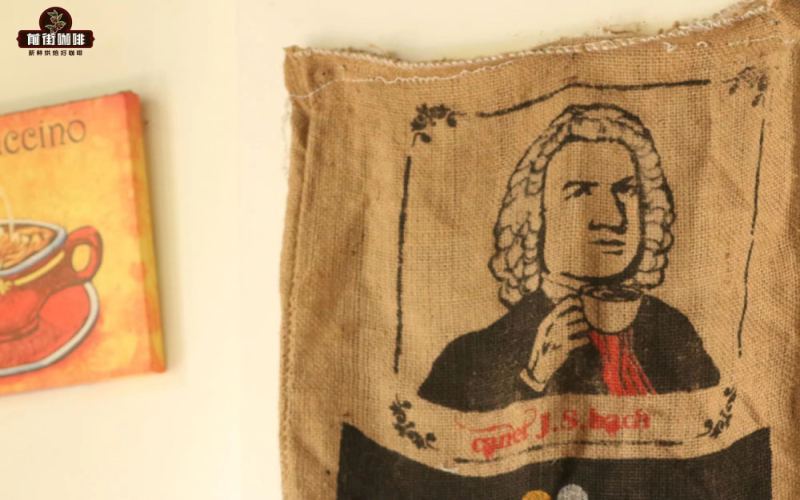
Costa Rican coffee is renowned for its sweet fruity and floral notes, rich and exuberant aroma, and bright, pleasant acidity. Front Street Coffee's bean list features several coffee beans from Costa Rica, and Front Street believes this is thanks to the country's meticulous cultivation management and diverse honey processing methods. This article will guide you through Costa Rica's coffee cultivation history, the distribution of its eight major production regions, main varieties, and green bean grading, while also providing an in-depth analysis of the principles and classifications of honey processing. It will also introduce the flavor profiles and brewing suggestions for Front Street's washed Tarrazú everyday drinking bean and the Musician Series Mozart, helping you gain a comprehensive understanding of this Central American specialty coffee powerhouse. [more…]
Starbucks Yunnan Reserve Coffee Bean Origin Traceability and Full Analysis of Catimor and Typica Variety Flavors
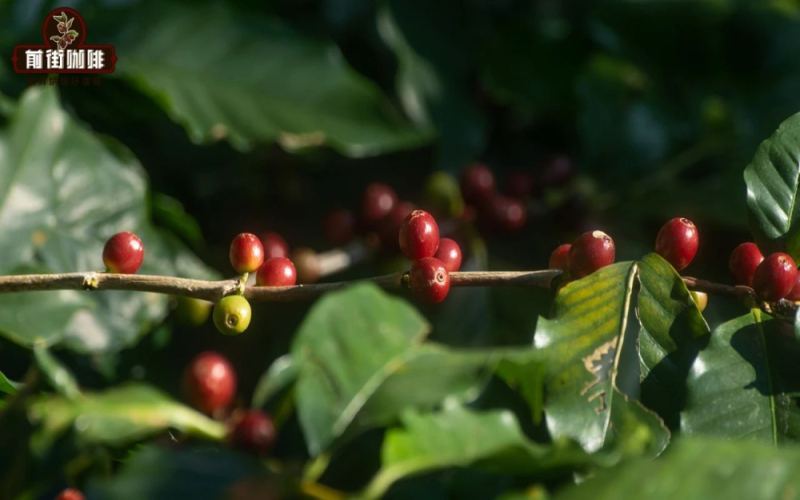
Yunnan coffee has been gaining increasing attention in the specialty market in recent years. Starbucks has continuously released Yunnan single-origin Reserve beans since 2017, as evidenced by the latest two products: the Puer Baoshan Blend and the Qingkai Farm. Front Street Coffee also owns an exclusive Arabica plantation in Baoshan. This article will start with the flavor characteristics of Starbucks' two Yunnan Reserve beans, systematically reviewing Yunnan coffee's origin advantages, the features of its four major producing regions, a century of cultivation history, the main cultivated varieties (Typica, Bourbon, Catimor), and processing methods. It will also include information on two single-origin beans produced by Front Street Coffee's Yunnan coffee estate, helping coffee enthusiasts fully understand the potential and charm of Yunnan coffee. [more…]
An Analysis of Yunnan Coffee's Varietal Diversity and Flavor Characteristics: The Current State of Catimor and Typica Cultivation and Front Street Coffee's Practices
Yunnan coffee has now become the core representative of China's coffee industry, accounting for about 98% of the nation's total production. From Dehong and Baoshan to Lincang and Pu'er, Yunnan's natural advantages—high altitude, abundant sunshine, and fertile soil—give rise to distinctly characteristic coffee flavors. This article will guide you through the main varieties of Yunnan coffee—the differences between Catimor and Typica, the cultivation features of each major producing region, and how sun-dried and washed processing methods affect flavor. At the same time, Front Street Coffee's cultivation and roasting practices in Lincang will provide enthusiasts with a complete reference from bean variety to brewing. [more…]
Ethiopian Coffee Cultivation Geography and Flavor Analysis of the Sidamo Specialty Region
Ethiopia is hailed as the birthplace of coffee, and its unique highland geography and climate have given rise to a myriad of specialty coffees with diverse flavors. This article will guide you through Ethiopia's coffee-growing geography, processing methods, and export overview, with a focus on the flavor characteristics of the Sidama region. From forest and semi-forest to garden cultivation, from washed to natural, every step shapes the coffee's personality. Front Street Coffee recommends a variety of Ethiopian beans, allowing you to savor the rich aroma of the Roof of Africa in your own home. [more…]
Analysis of Brazil's Four Main Varieties: Cultivation, Flavor, and Market of Honey-Process Catuai and Rainforest Alliance Certified Specialty Coffee
Brazil, as the world's largest coffee-producing country, has its variety structure and processing methods profoundly influencing the specialty coffee market. This article focuses on Catuai, one of Brazil's four main varieties, sorting out the differences between its red and yellow fruit, its dwarfed wind-resistant characteristics, and its flavor performance, and also introduces the environmental and labor standards of Rainforest Alliance certification (frog bean). At the same time, combined with the cupping experience of Front Street Brazil Catuai, it analyzes how honey processing and the SHB grade shape dry aroma, acidity, and mouthfeel. The article also mentions the Geisha ARISTAR competition results of Finca La Valentina estate, providing coffee enthusiasts with a complete perspective from cultivation to market. [more…]