







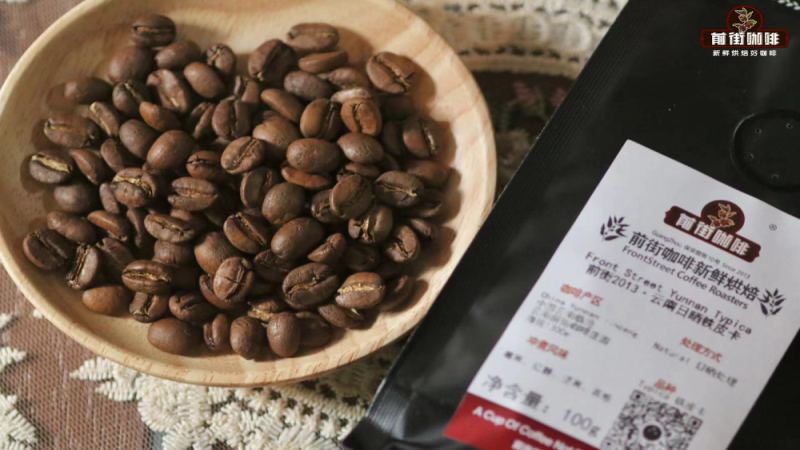
Yunnan coffee has garnered much attention in the specialty coffee circle in recent years—how good is its quality really? This article will systematically outline the basic landscape of Yunnan coffee from the perspectives of growing regions, variety structure, and processing methods, and use Front Street's sun-dried Typica from its own estate in Lincang as an example to present the authentic flavors Yunnan coffee can express under traditional processing. The article also introduces the natural conditions of the two representative producing regions, Baoshan and Lincang, as well as the cultivation journey, harvest details, and brewing parameters of Front Street 2013 coffee beans, helping readers gain a comprehensive understanding of the current state and potential of domestic specialty coffee.
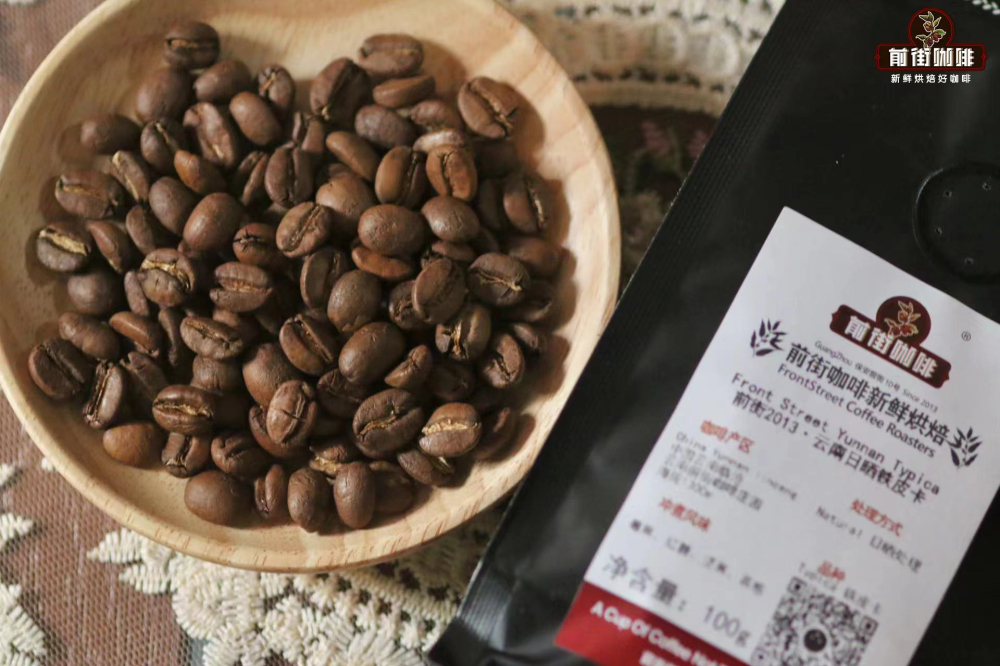
As a representative of domestic coffee, Yunnan coffee has always been a hot topic of discussion among coffee enthusiasts, especially regarding its quality. In this article, Front Street will introduce the quality characteristics of Yunnan coffee beans and share what Front Street's own Yunnan coffee tastes like.
Yunnan Arabica Coffee Where Exactly Is It Grown?
The term "Arabica" is used to distinguish it from the Robusta variety grown in China's Hainan producing region; essentially, like most producing regions worldwide, it belongs to the Arabica species. Currently, the primary variety cultivated in Yunnan coffee is Catimor.
Coffee trees prefer warm climates; they can tolerate higher temperatures but cannot withstand cold, and ample sunlight is more favorable for growth. The ideal cultivation temperature range is 16 to 21 degrees Celsius. For this reason, the zone centered on the equator, between 25°N and 25°S, is known as the "World Coffee Golden Belt." Yunnan happens to fall within this golden belt. Most of the province's areas lie at elevations between 1,000 and 2,000 meters, with sloping soils rich in nutrients, abundant sunshine, plentiful rainfall, and significant temperature differences between day and night—all natural conditions highly favorable for the growth of coffee trees.
Coffee cultivation in Yunnan is mainly concentrated in the southwestern part of the province, forming four major producing regions: Baoshan, Dehong, Pu'er, and Lincang. The three Yunnan coffee beans currently on Front Street's bean list come from Baoshan and Lincang respectively.
The history of coffee cultivation in Baoshan can be traced back to the mid-1950s, when the patriotic overseas Chinese Mr. Liang Jinshan first introduced the crop. The local warm, frost-free climate throughout the year is highly suitable for the growth and development of Arabica coffee. In particular, the unique dry-hot valley climate of the Lujiangba area, with gentle year-round temperature changes and distinct day-night temperature differences, gives Baoshan Arabica coffee its distinctive sweet aftertaste; combined with reasonably low rainfall, it creates highly favorable conditions for coffee cherry growth. Front Street therefore selected Baoshan Arabica coffee as one of its representative everyday beans from the region, allowing everyone to experience the taste of Yunnan Arabica coffee firsthand.
What Processing Methods Are Used for Yunnan Coffee Beans?
In the past two years, many Yunnan coffee beans using special processing methods have appeared on the market, enhancing aroma by adding flavor substances, leading some friends to mistakenly believe this is the original taste of Yunnan coffee. This is not the case. Most Yunnan coffee farmers have limited production conditions and cannot afford expensive processing equipment, so the vast majority of Yunnan coffee beans still rely on natural processing methods—namely washed and sun-dried.
Washed process: First, pour the coffee cherries into a water tank and use buoyancy to remove mixed impurities and unripe berries. Then use a depulper to remove the outer skin and most of the pulp, and place the beans into a clean fermentation tank. During fermentation, the mucilage layer produces acidic substances that separate it from the beans. After that, rinse off the remaining mucilage with clean water to obtain raw beans still covered in parchment (i.e., parchment coffee). Finally, dry them depending on weather conditions (or use machine drying), reducing the moisture content of the raw beans to around 12%, then remove the parchment with a huller to finally obtain the green coffee beans.
Front Street has always believed that to understand Yunnan coffee, one should start from the flavor of the coffee itself, rather than using novel processing methods to mask its original taste. Therefore, all the coffee beans on Front Street's bean list use traditional washed and sun-dried methods. The everyday bean representing Yunnan Arabica coffee presents the region's distinctive flavors through washing. Front Street also has a popular coffee bean called "Front Street 2013," whose name clearly indicates it is an exclusive Front Street product. It comes from Front Street's own estate in Lincang, Yunnan, uses the elegantly flavored Typica variety, and employs natural sun-drying to enhance the coffee's sweetness.
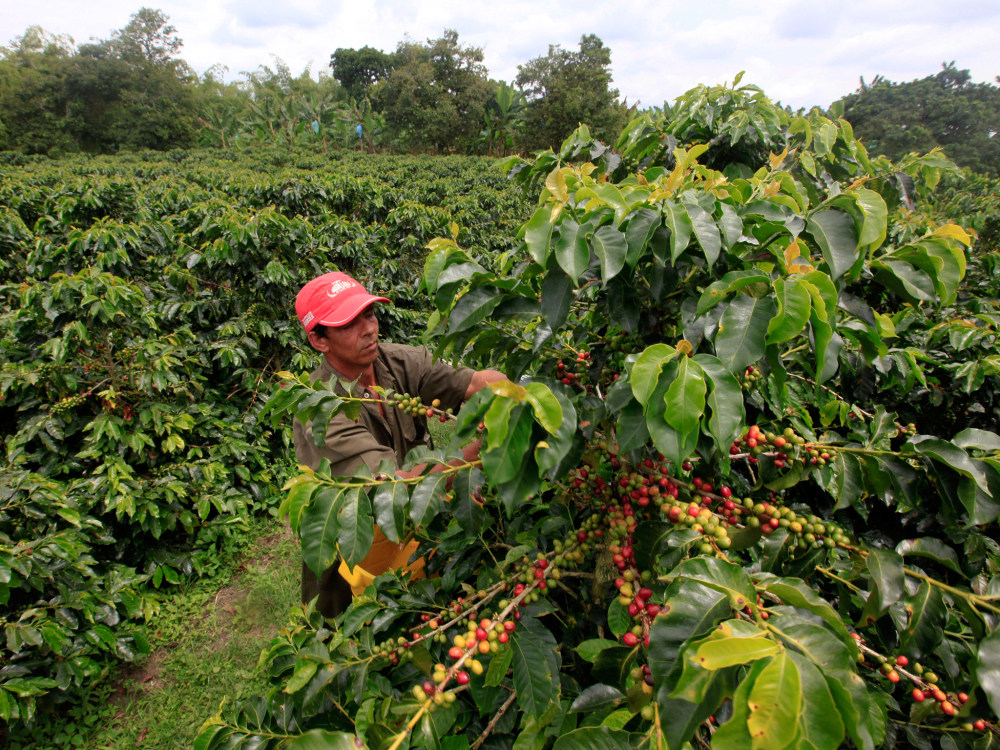
Yunnan Coffee Beans Grown by Front Street
During the early years of studying coffee knowledge, Front Street conceived the idea of growing coffee itself, and in 2013 set off for Lincang, Yunnan, beginning the journey of cultivating coffee trees. From site selection, seed selection, seedling cultivation, planting, harvesting, processing, to roasting, everything was done entirely by Front Street colleagues, accumulating extensive experience and knowledge about varieties, altitudes, and processing methods.
Lincang, Yunnan, is influenced by both the warm, humid air currents from the Indian Ocean and the southwest monsoon. The four seasons are indistinct, but the dry and rainy seasons are clearly differentiated. Rainfall is relatively abundant, sunshine hours are long, and the frost period is very short—some areas even remain frost-free year-round. The three-dimensional climate characteristics are prominent, making it highly suitable for Arabica coffee cultivation. Front Street specifically chose the most original Typica. Typica has an elegant, pure flavor, but is also famously low-yielding and poor in stress resistance, so Front Street invested considerable effort in cultivation management. After 5 to 6 years of cultivation, in 2020 Front Street finally harvested its first batch, processed by sun-drying, and named it "Front Street 2013."
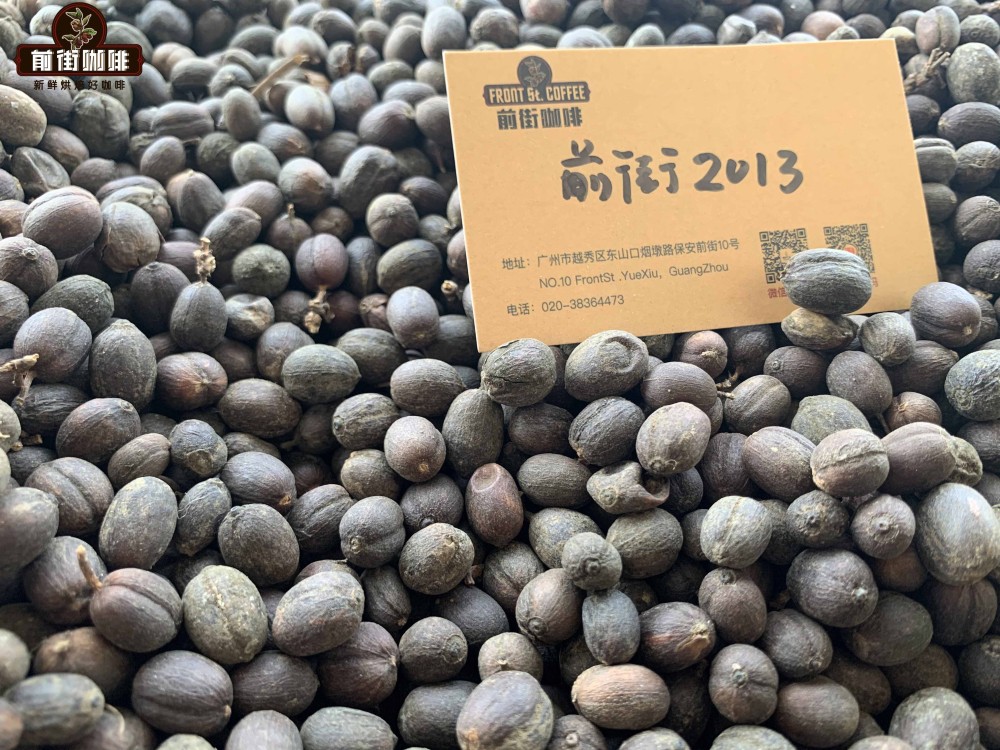
Every November, the cherries of the coffee trees planted by Front Street ripen one after another. Front Street arranges for workers to pick the red coffee cherries one by one, then spreads the fresh cherries out under the sun to dry naturally. Once the coffee beans have dehydrated to a purplish-red color and reached the target moisture content, they are sent for hulling and roasting.
How Does Front Street Yunnan Coffee Taste?
Comparing with the flavor profile of Yunnan coffee, Front Street believes that Yunnan coffee overall belongs to a balanced, moderate style, with both acidity and a rich bitterness. Therefore, Front Street chose a medium roast. Through cupping this sun-dried Typica, Front Street captured aromas of plum, dried fruit, chocolate, nuts, and black tea, with all flavors blending perfectly and sweetness particularly prominent.
FrontStreet Coffee Pour-Over Parameters:
Dripper: hario v60
Dose: 15g
Water temperature: 90 degrees Celsius
Grind size: 75% passing through a No. 20 sieve
Water-to-coffee ratio: 1:15
Three-stage pouring: First, wet the coffee bed with twice the amount of water as the coffee grounds, wait for it to form a dome and bloom for 30 seconds. Then, pour in a thin stream in circles from the inside out. Pause the stage at 125g. When the coffee bed drops to half the height of the dripper, continue pouring the third stage with the same thin stream until 225g. After all the coffee liquid has drained, remove the dripper. The entire process takes about 2 minutes.
Front Street 2013 Coffee Bean Flavor Profile: The dry aroma carries faint notes of caramel and nuts. On the palate, chocolate is the main tone, accompanied by brown sugar-like sweetness and slight fruit acidity, with some black tea notes in the aftertaste. The overall flavor is relatively complex and layered.
The above content is compiled by CoffeeHunters, a coffee news website.


