







How Does Typica Coffee Fit Into Yunnan's Growing Regions?
Typica, a classic Arabica variety, does grow in Yunnan even though Catimor dominates the province's coffee output. Front Street Coffee planted Typica on its own estate in the Lincang growing region and released the results as the Front Street 2013 series, offering a washed Yunnan small-bean coffee and a sun-dried Typica for comparison.
Yunnan is China's largest coffee-planting province, and its low latitude, high altitude, ample rainfall, and moderate sunshine sit inside the belt between 15 degrees north and the Tropic of Cancer. Beans are uniform and plump, and the cup is described as rich without bitterness, aromatic without harshness, with a slight fruity note. Typica differs from the widely planted Catimor as an arabica variety.
In the landscape of Yunnan coffee, Catimor has long dominated, but Typica, a classic Arabica variety, has also taken root and grown in some estates. Front Street Coffee has established its own estate in the Lincang growing region, selecting and cultivating the Typica variety, and after years of dedication, has launched the "Front Street 2013" series. This article systematically examines the full picture of Yunnan Typica coffee, from variety characteristics, regional distribution, and processing method differences to specific brewing parameters and flavor performance, while also comparing the flavor differences between Front Street's washed Yunnan small-bean coffee and sun-dried Catimor, providing coffee enthusiasts with a complete Yunnan coffee tasting reference.
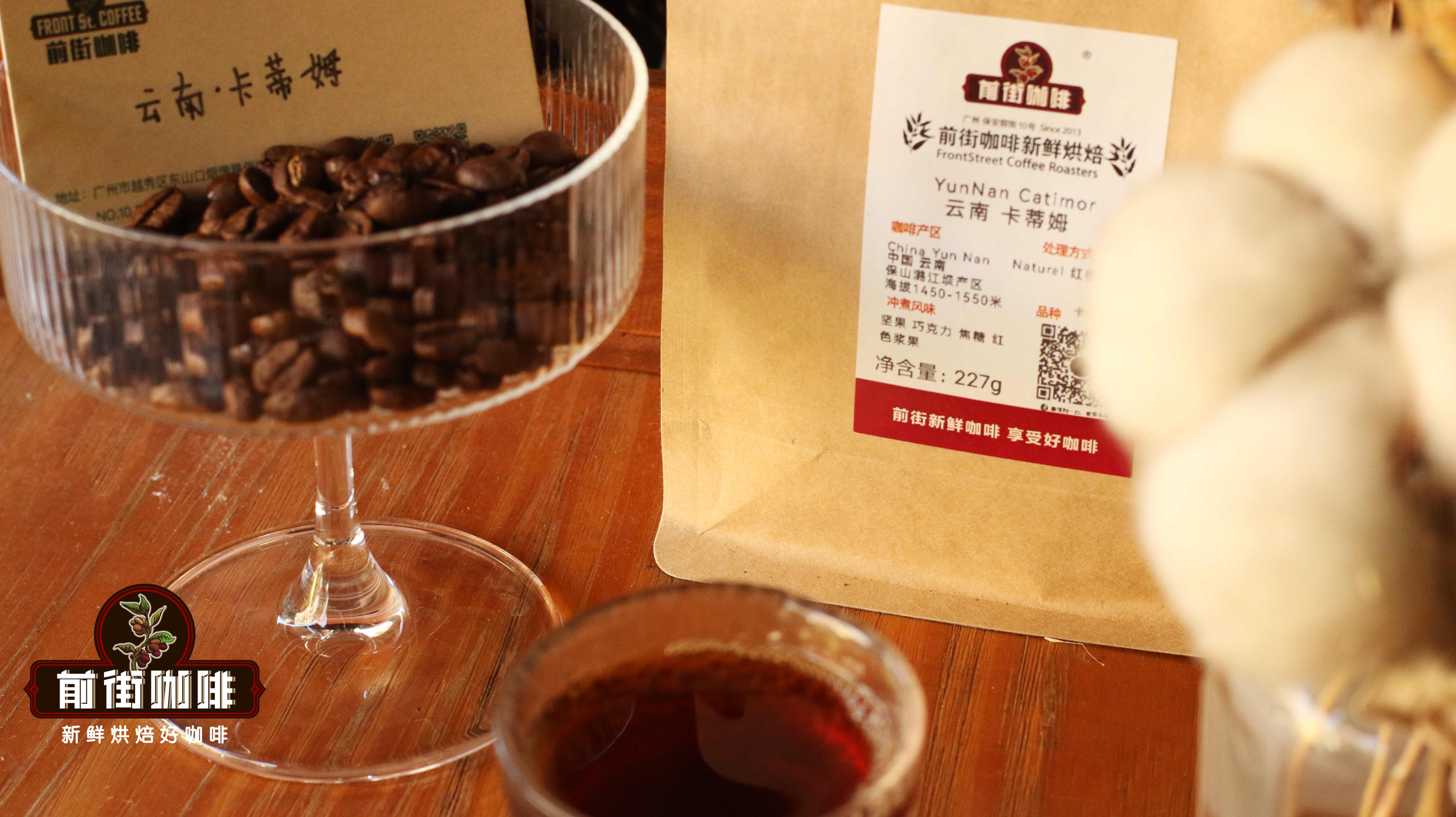
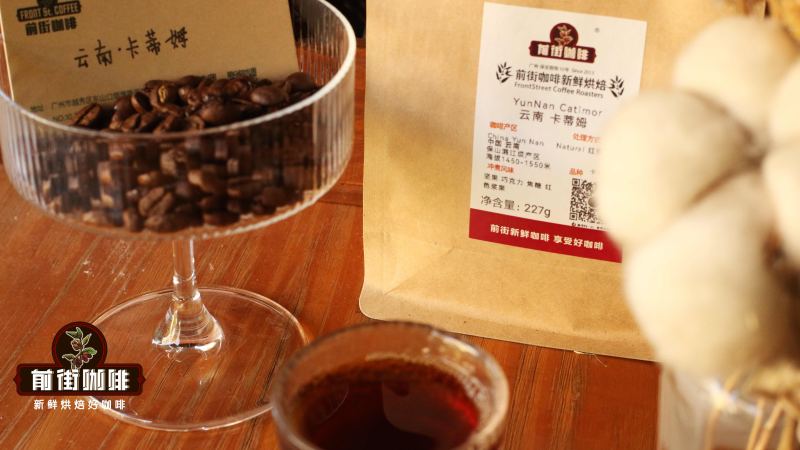
In the domestic market, Catimor accounts for the vast majority of Yunnan coffee in circulation. However, Yunnan is not entirely without Typica. Taking the Lincang growing region as an example, Front Street Coffee established its own estate there, specifically planting the Typica variety, producing Front Street 2013 Sun-Dried Typica coffee. Of course, Front Street's product line also retains the Catimor variety, such as the Front Street Washed Yunnan Small-Bean Coffee and Front Street Sun-Dried Catimor Coffee on the bean list.
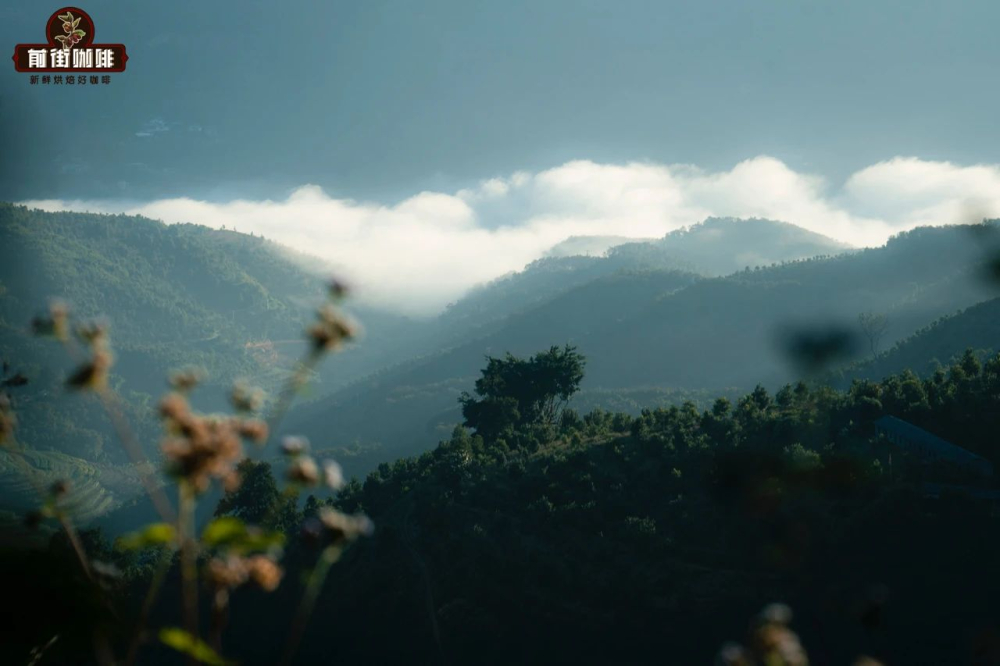
Yunnan is the province with the largest coffee planting area in China, and its geographical and climatic conditions are quite favorable—low latitude, high altitude, abundant rainfall, and moderate sunshine. The zone between 15 degrees north latitude and the Tropic of Cancer is widely recognized as an ideal region for coffee cultivation, truly a golden growing belt. Such an environment gives Yunnan coffee its characteristic richness without bitterness and aroma without harshness, with a slight fruity note.
Yunnan coffee is often called "Yunnan small-bean," with beans of uniform size and high plumpness, full-bodied on the palate yet balanced. Front Street has a particular affection for Yunnan coffee, because it is coffee produced from the Chinese people's own land. Front Street currently has two Yunnan small-bean coffees: one is Catimor, and the other is Typica. The so-called "small-bean coffee" actually refers to the Arabica species, named for its relatively small beans, also called small-fruit coffee; Robusta is called medium-fruit coffee, and Liberica belongs to the large-fruit coffee category.
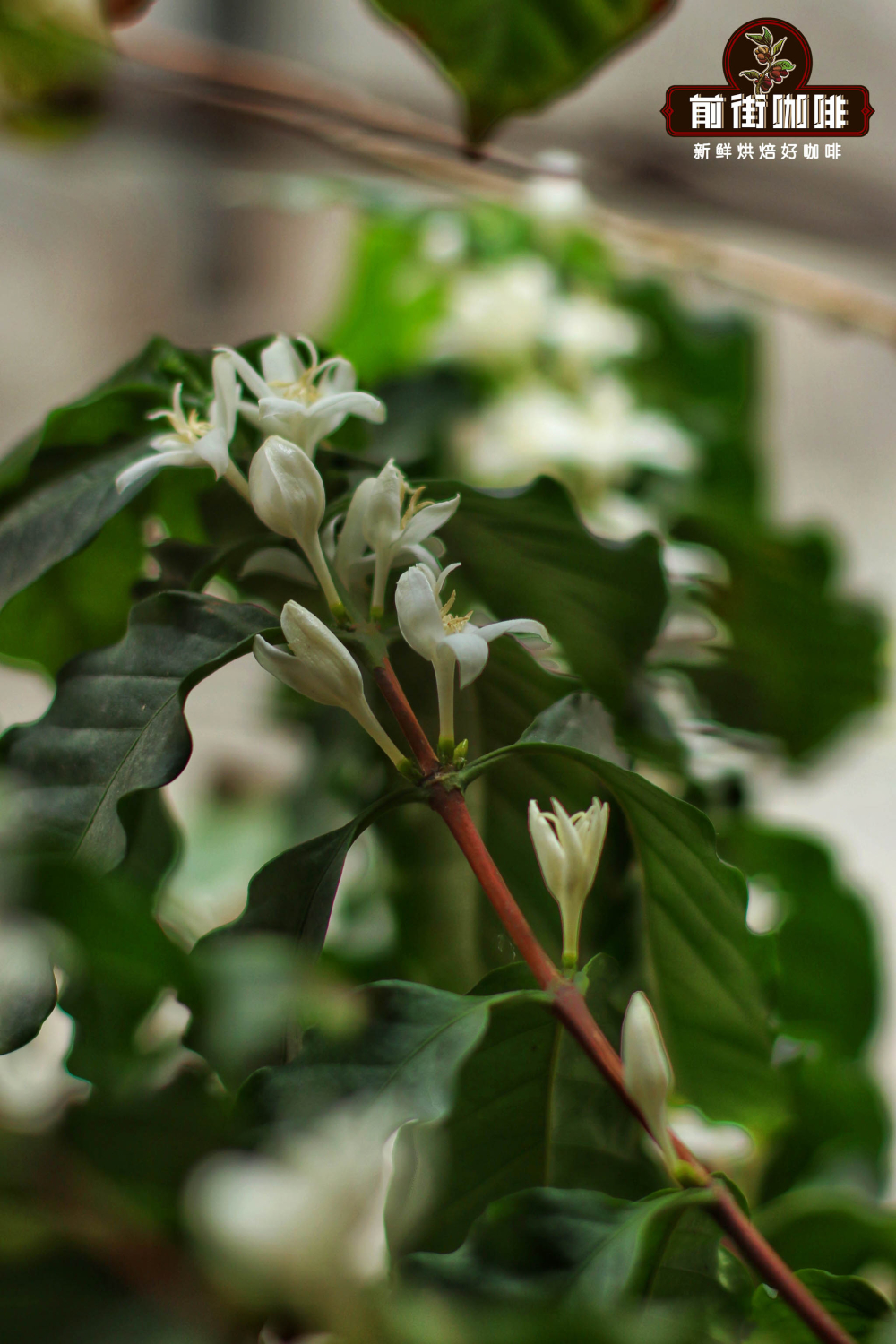
Morphological characteristics: Small-bean coffee is a small tree or large shrub, with a height reaching 5 to 8 meters. The base is usually multi-branched, with old branches appearing grayish-white. The nodes are swollen, and young branches are hairless. The leaves are thinly leathery, ovate-lanceolate or lanceolate, with long acuminate tips, cuneate or slightly obtuse bases, entire or slightly wavy margins, and hairless on both surfaces. Several cymose inflorescences are clustered in the leaf axils, and the corolla is white and fragrant. The berry is broadly elliptical when ripe, red, 1.2 to 1.6 cm long, with seeds 0.8 to 1.0 cm long. The flowering period is from March to April.
Yunnan Small-Bean Coffee
Although China is a nation of tea, coffee has existed on this land for a long time. In 1892, Yunnan small-bean coffee was introduced to mainland China, and thereafter this foreign species gradually multiplied on Eastern soil, with a cultivation history of more than a century to date.
From initially satisfying only missionaries' personal drinking needs to now developing into a regionally significant economic crop, coffee in China has gone beyond mere introduction and imitation. Through continuous exploration, cultivation, and improvement, coffee varieties suited to China's geographical environment continue to emerge, and roasting methods that match Chinese consumers' tastes are becoming increasingly diverse. Compared with imported beans, Yunnan coffee beans have an obvious freshness advantage. Imported beans require transoceanic shipping and a lengthy customs inspection process; by the time they reach domestic distributors at various levels, often more than half a year has passed, and freshness is out of the question. Domestic coffee, however, can be roasted within days, something imported beans cannot match. Coupled with the year-by-year improvement in the quality of Yunnan coffee beans, Yunnan coffee can now be seen in almost every cafe.
Yunnan Coffee Growing Regions
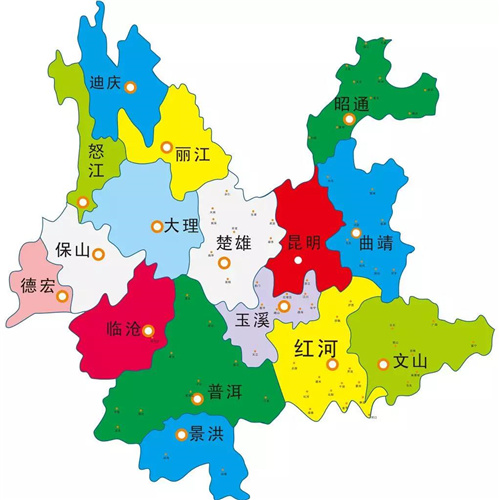
Yunnan's coffee-growing areas are mainly distributed across Lincang, Baoshan, Simao, Xishuangbanna, Dehong, and other regions.
Baoshan: Baoshan has an average annual temperature of 21.5°C, with an extreme maximum temperature reaching 40.4°C, and basically no frost throughout the year, making it widely recognized as the most suitable origin for small-bean coffee. The locally cultivated small-bean coffee is known for being rich without bitterness, aromatic without harshness, with small, uniform beans, a rich mellow fragrance, and a fruity note. Tasting experts from the International Coffee Organization once classified Yunnan coffee among Colombia's wet-processed small-bean coffees, considering its quality to be among the finest globally. The raw materials for Front Street Yunnan Small-Bean Coffee come precisely from Baoshan.
Lincang: With its unique geographical location and climatic conditions, Lincang has become a hot spot of attention for many coffee enterprises. The region has successively established high-quality coffee seedling bases of 200 mu and 100 mu in Mengding Town of Gengma Autonomous County and Lincang Xingfu Farm, and has promoted coffee cultivation in Gengma, Zhenkang, Yunxian, Cangyuan, Yongde, and other areas.
FrontStreet Coffee has established its own estate in the Lincang growing region of Yunnan. Front Street selected and cultivated the Typica variety, a pure Arabica variety whose flavor performance is superior to the Catimor commonly planted in Yunnan today. Typica requires at least 4 to 5 years from seedling to first fruiting, which is why Yunnan coffee farmers, even knowing that Catimor's flavor is somewhat inferior, are reluctant to cut down and replant. Front Street's first self-produced Yunnan coffee beans from the 2020 to 2021 harvest were named "Front Street 2013" and received widespread acclaim.
Yunnan Coffee Varieties
Currently, coffee planted in Yunnan is mainly Catimor, but a small amount of Typica is still grown in the Baoshan area.
Catimor: Hybridized from the Arabica and Robusta species. Robusta has good resistance to leaf rust and rich oils, with high yield and easy cultivation. After hybridization with Arabica Typica, Catimor acquired about 25% Robusta genes, thereby improving leaf rust resistance, retaining rich oils, while also inheriting some of Typica's original rich flavor. For this reason, most estates in Yunnan choose to plant Catimor on a large scale.
Typica: The most classic high-quality Arabica variety, from which many commercial improved varieties originate. Its flavor performance is excellent, and it is widely recognized as a specialty coffee variety, but its yield is extremely low and it is susceptible to rust disease, requiring more manpower for management. Typica originated in Ethiopia and southeastern Sudan and is the most widely cultivated coffee variety in the Western Hemisphere. The plant is relatively robust but not tolerant of strong light, and yields well in Hawaii. Typica's top leaves are copper-red, hence it is also called red-top coffee.
For this reason, Yunnan coffee in the past was mostly used for instant coffee or as commercial beans. But today, the quality of Yunnan coffee continues to improve, and the name of China's Yunnan coffee is gradually appearing on the world stage, with Yunnan coffee also emerging in the specialty coffee field.
Coffee Bean Processing Methods
Yunnan coffee mainly uses the washed processing method, while some sun-dried processed coffee also exists. For example: Front Street Washed Yunnan Small-Bean Coffee, Front Street Sun-Dried Catimor Coffee, and Front Street 2013 Sun-Dried Typica Coffee. The washed and sun-dried processing methods each have their own flavor characteristics.
Washed processing method: Coffee farmers first pour the harvested coffee cherries into a large water tank; underdeveloped, inferior beans float to the surface, while ripe, plump fruits sink to the bottom, at which point the defective beans floating on the surface are scooped out. Then a pulping machine removes the outer skin and pulp of the coffee fruit; at this point, a slippery mucilage layer still adheres to the surface of the coffee beans. The mucilage-covered coffee beans are placed in a fermentation tank for 16 to 36 hours, during which microorganisms break down the mucilage. After fermentation is complete, the remaining mucilage on the coffee beans is rinsed off with plenty of clean water. Finally, the washed coffee beans are spread out to dry. The washed processing method has both soft and intense acidity, moderate body, and combines sweetness with spice.
FrontStreet Coffee Brewing Recommendations for Front Street Yunnan Small-Bean Coffee
Front Street recommends using a V60 conical dripper. The V60 has a larger opening, and with its unique spiral curved ribs, air escapes more easily, thereby improving extraction quality. The body may not be thick enough, but the Front Street Yunnan coffee's fruity acidity and distinct aroma brought by its high concentration are a major feature.
Dripper: Hario V60, Water temperature: 88°C, Coffee dose: 15 g, Coffee-to-water ratio: 1:15, Grind size: medium-fine grind (75% passing through a Chinese standard No. 20 sieve)
[Front Street 2013 Sun-Dried Typica Coffee Flavor] Heavy body, prominent sweet-and-sour sensation, with citrus and berry notes, a hint of fermented wine aroma, caramel-like sweetness, creamy finish, and black tea character.
[Front Street Washed Yunnan Small-Bean Coffee Flavor] Herbal, nutty aroma, chocolate, caramel.
[Front Street Sun-Dried Yunnan Catimor Coffee Flavor] Flavor performance: nuts, chocolate, spices, caramel, plum.
The above content is compiled by CoffeeHunters, a coffee news website.


