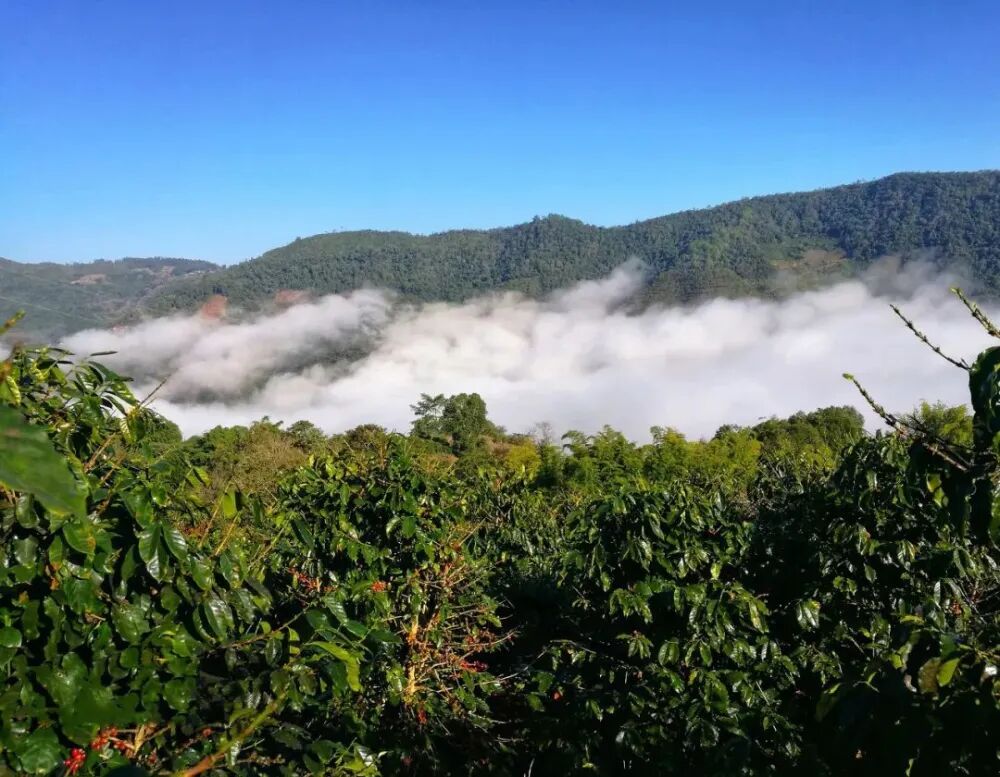
In recent years, Yunnan coffee beans have stood out in green bean competitions, frequently appearing in the public eye. Like a dark horse, they have gradually emerged in the specialty coffee market. Today, Front Street will share with you the development of Yunnan coffee in recent years.The History of Coffee Cultivation in YunnanIt should be noted that coffee cultivation in Yunnan has a history of over a hundred years. A century ago, the coffee variety in Yunnan was not the ubiquitous Catimor of today, but Typica, a variety that underwent two waves of development in Yunnan. In 1904, French Catholic missionary Tian Deneng entered the Dali region of Yunnan via Vietnam to preach, establishing a church in Zhukula Village and planting a batch of Typica coffee trees nearby. This Typica is what we often call Arabica small-bean coffee, which is the original origin of Yunnan small-bean coffee.The first wave of development occurred in the 1960s when, to repay loans to the Soviet Union, Yunnan Agricultural Reclamation cultivated coffee, with products purchased by the state foreign trade department. At that time, coffee cultivation was distributed across several agricultural reclamation farms: Baoshan Lujiang Farm, Xincheng Youth Farm, Dehong Zhefang Farm, Ruili Farm, Wanding Farm, Wenshan Babu Farm, and Tianbao Farm. The varieties were locally propagated Typica and Bourbon variants, and the total coffee cultivation area of the reclamation farms had reached 50,000 mu. Later, as the repayment work concluded, the foreign trade department no longer actively purchased, and due to the spread of coffee leaf rust infection, which caused large-scale death and the felling of trees to prevent the rampant spread of the disease, theshrankcultivation area was reduced to less than 3,000 mu. The second wave of development came in the 1980s during the reform and opening-up period. In 1988, Nestlé decided to support the development of Yunnan's coffee industry, introducing the Catimor variety for widespread cultivation in Yunnan. Because of this development, Catimor replaced the ancient Typica variety in Yunnan, becoming the main variety and accounting for 99% of Yunnan's coffee production. Catimor is a hybrid variety, and it can also be classified as Arabica. The third wave of development came after 2000 when, alongside China's economic boom, the concept of specialty coffee was introduced. At the same time, scientific development was applied to the selection and cultivation of Yunnan coffee. Currently, the journey toward specialty coffee in Yunnan is still ongoing.Why has Yunnan coffee in recent years emphasized processing methods?Although Yunnan lies within the coffee-growing belt suitable for coffee production, its elevation is mostly around 1,000 meters, which is merely the qualifying standard for growing high-quality Arabica coffee. Not all of Yunnan is suitable for coffee cultivation; only Baoshan, Lincang, Simao, and Dehong in southern Yunnan are suitable for growing coffee. With the popularity of specialty coffee in recent years, Yunnan, as a representative origin, certainly cannot be absent. But you will find that,when we discuss other origins, the order is typically origin, variety, and then processing method,whereas when discussing Yunnan coffee, it feels like more emphasis is placed on processing methods rather than variety.When specialty coffee was introduced, China did not prioritize coffee development. By the 1980s, under the guidance of coffee giant Nestlé, Yunnan began cultivating the higher-yielding, more disease-resistant Catimor variety. With Nestlé's support, the coffee harvested by Yunnan farmers was purchased by Nestlé at reasonable prices for use as raw material in instant coffee. During our era of rapid economic development, developed regions introduced the concept of specialty coffee, while Yunnan, dominated by farmers with yield as the primary goal, generally produced coffee of lower quality due to high yields.
 Today, Yunnan's coffee development already has extensive Catimor coffee trees, and we are well aware that this raw coffee originally supplied to Nestlé cannot leap to specialty coffee overnight. Therefore, the pursuit of specialty coffee in Yunnan has split into two development paths. One is to use existing beans, imitating Colombia, and employ new processing methods to alter the coffee's flavor, making it dependent on processing methods for its flavor. Here, you will see a peculiar phenomenon: a barista sometimes seems to avoid mentioning special processing methods as if taboo, but later, when recommending Yunnan coffee, they mostly recommend Yunnan beans with special processing. The second path is to start from scratch, selecting suitable locations, planting excellent coffee varieties, adopting scientific cultivation management, and step by step cultivating high-quality Yunnan coffee.In 2011, Yunnan coffee reached a historic high price. Even when international coffee futures repeatedly hit new highs in 2022, that price level was still not reached. That year, many Yunnan coffee farmers began replanting coffee, but prices soon hit a trough again—this is the law of agriculture.Therefore, even with the rise of specialty coffee now, they are unwilling to spend five years replacing the original Catimor variety. Those still growing coffee would rather use current coffee beans for customized processing—if you want natural, they give you natural; if you want anaerobic, they give you anaerobic—it only takes a month. But starting from the basics, from variety to washed processing to determining flavor through the traditional route, requires at least five years or more. Moreover, at the time of planting, how can you guarantee that what you plant now will bloom and bear fruit with good results five years later?Facing these two paths, Front Street chose the long latter one.Front Street Coffee's Exploration of Coffee Cultivation in YunnanMany people's impression of Front Street Coffee is "a warm little shop that roasts its own beans." This year marks Front Street Coffee's twelfth year, but what many don't know is that Front Street's coffee cultivation actually began half a year earlier than its roasting. Front Street Coffee was formerly known as "Dazhen Coffee," named because in 2013, we wanted to grow coffee in a place in Guangdong called Dazhen. After we grew Catimor seedlings to 20 cm, more than half a year had passed before we finally understood the relationship and sequence among variety, elevation, and processing method.Choosing the right variety, planting it at the appropriate elevation, and experimenting after maturity to find a processing method that expresses a distinctive flavor—this is the only logical relationship that Front Street believes can give specialty coffee a clear regional flavor. So we abandoned the plan to grow coffee in Guangdong. Because the original roasting location was on Bao'an Front Street, we renamed "Dazhen Coffee" to "Front Street Coffee." At Front Street, while roasting coffee, we continued forward with our ideas about specialty coffee cultivation. We successively visited the Tropical Crops Research Institute (Institute of Tropical Agricultural Sciences), which conducts in-depth research on coffee cultivation and houses the Ministry of Agriculture's coffee germplasm bank, as well as a few coffee farmers growing specialty coffee. We clarified why Yunnan does not cultivate the mainstream specialty varieties Typica and Bourbon, and by chance, found suitable land in Yunnan's main coffee-producing areas.
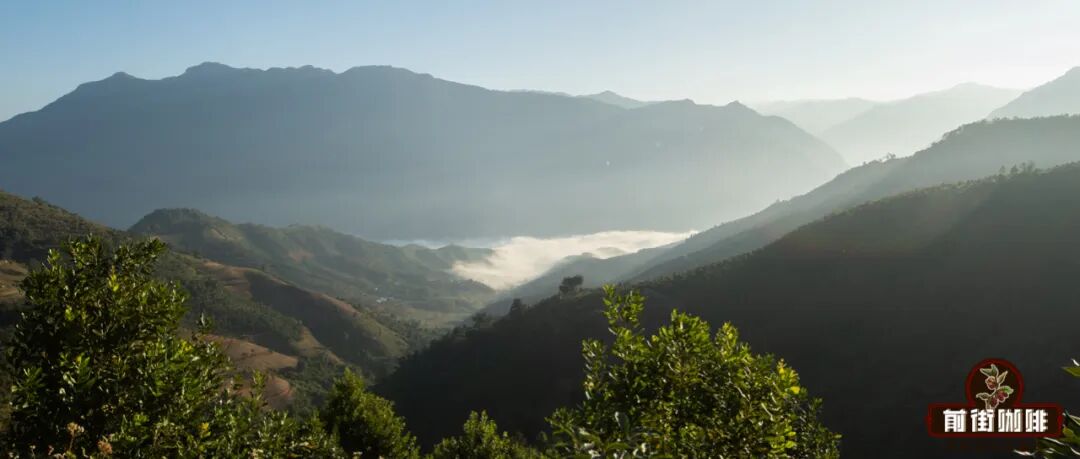
 Arabica coffee beans have elevation requirements for cultivation, requiring elevations above 1,000 meters. For better flavor, the cultivation elevation must be higher. However, the elevation of Yunnan's general mountain ranges is only at the qualifying line, which is a disadvantage for Yunnan coffee. To compensate for the elevation deficiency, with good coffee varieties as a prerequisite, superior agronomic management is necessary. Front Street did not purchase an existing coffee estate's Catimor for direct harvesting and processing. Instead, it bought a piece of mountain land suitable for coffee cultivation and started from the variety. Even if the land is excellent, if we discuss most specialty coffee by saying its foundation is origin, variety, elevation, and processing method, but ignore these points when trying to make good Yunnan coffee, it is actually very difficult to achieve specialty flavor. Choosing a path of growing coffee from scratch was actually a forced choice. When planting, we didn't know whether it would yield good results years later, but at least we addressed the foundational points of specialty coffee. After all, history's conclusion chose Arabica's Typica, Bourbon, and Geisha.
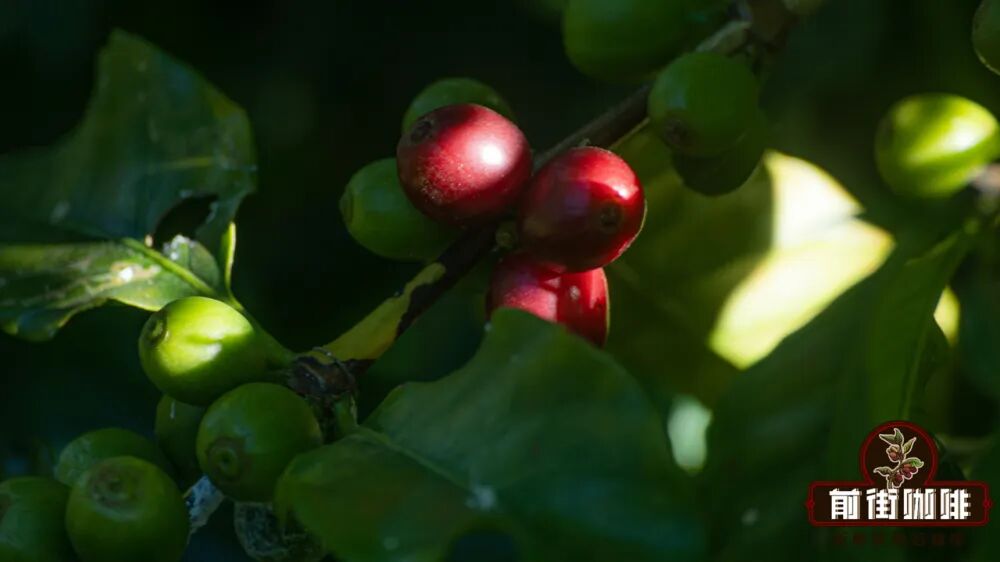
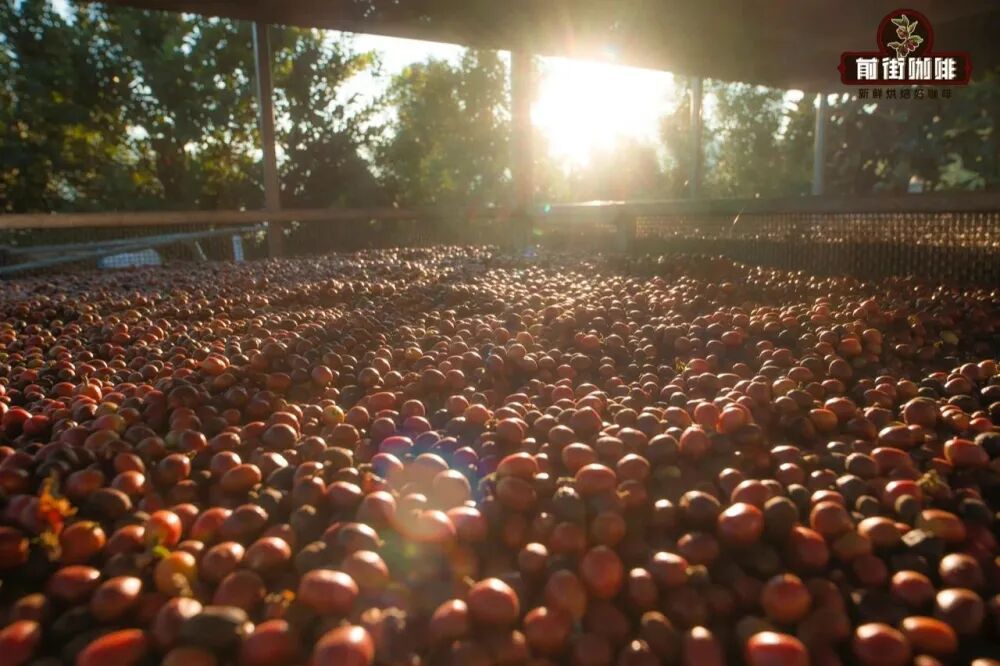
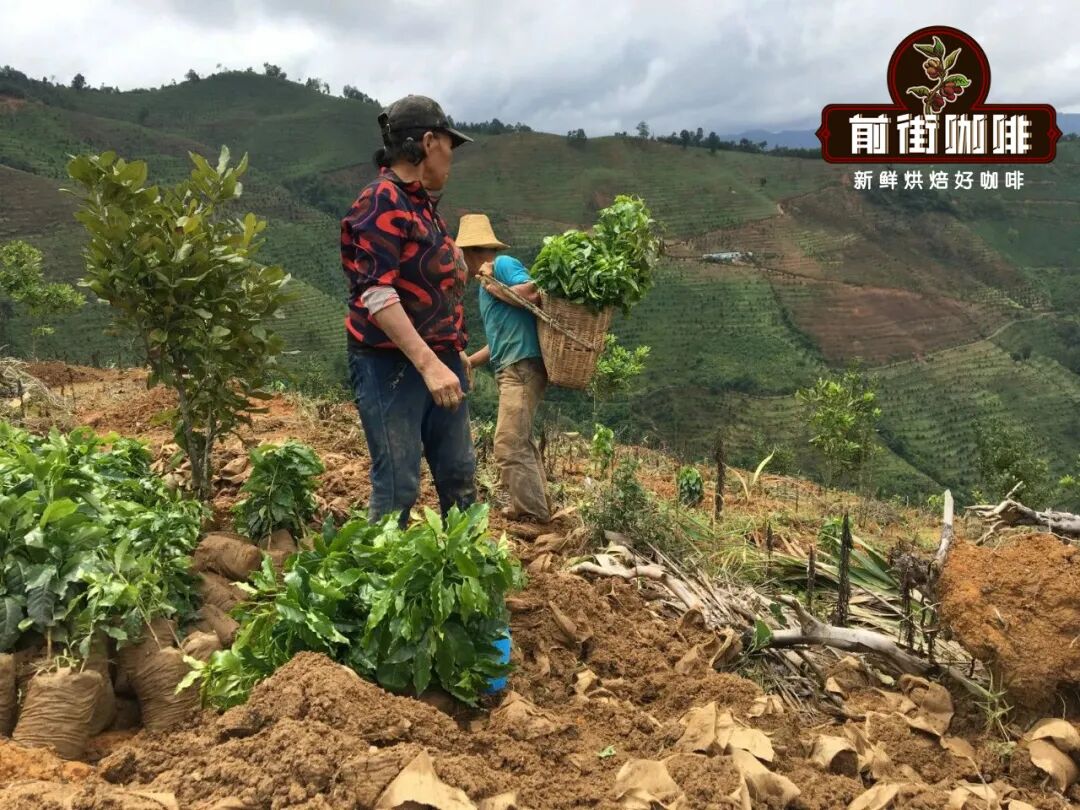
 The main Yunnan coffee variety grown by Front Street is Typica, an Arabica variety with excellent flavor among coffees, to document this long Yunnan specialty coffee experiment. At the same time, Typica has a very low yield, only one-third that of Catimor, which is why it is more expensive. Also, Typica and Bourbon are very susceptible to coffee leaf rust, which is one of the biggest reasons farmers are unwilling to grow what they call the old variety, Typica. Yunnan has no four seasons, only a dry season and a rainy season. Most coffee-producing areas have similar conditions, which is the fundamental reason some origins use natural processing. Entering June marks the beginning of the rainy season in the producing areas, and the next three to four months will be rainy, the most favorable period for planting coffee. Only by planting seedlings at this time, with several months of rain nourishment, can they develop a robust root system to survive the first dry season, which lasts half a year.
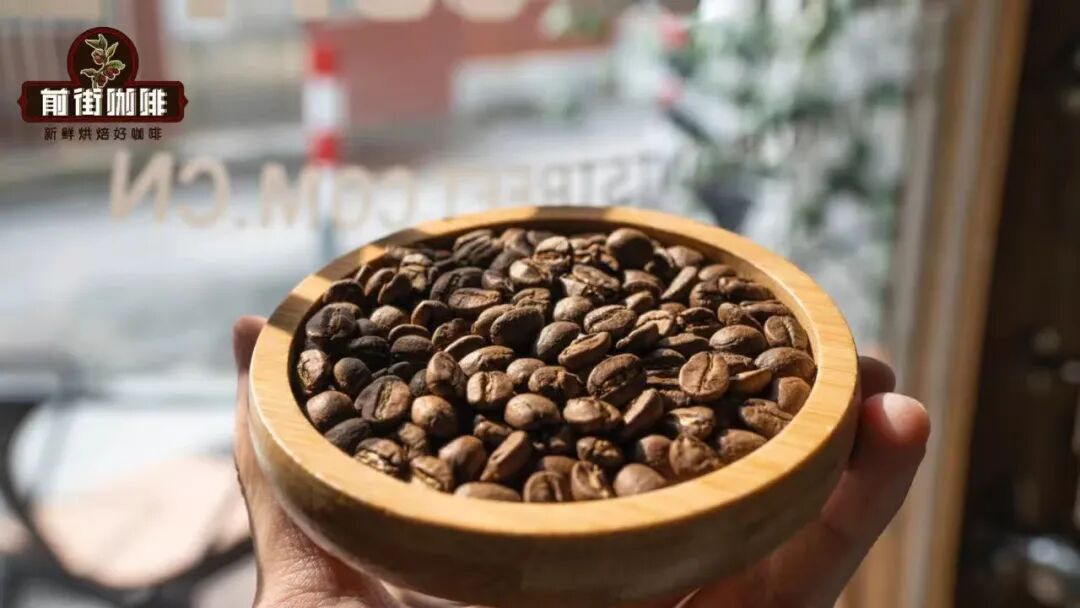
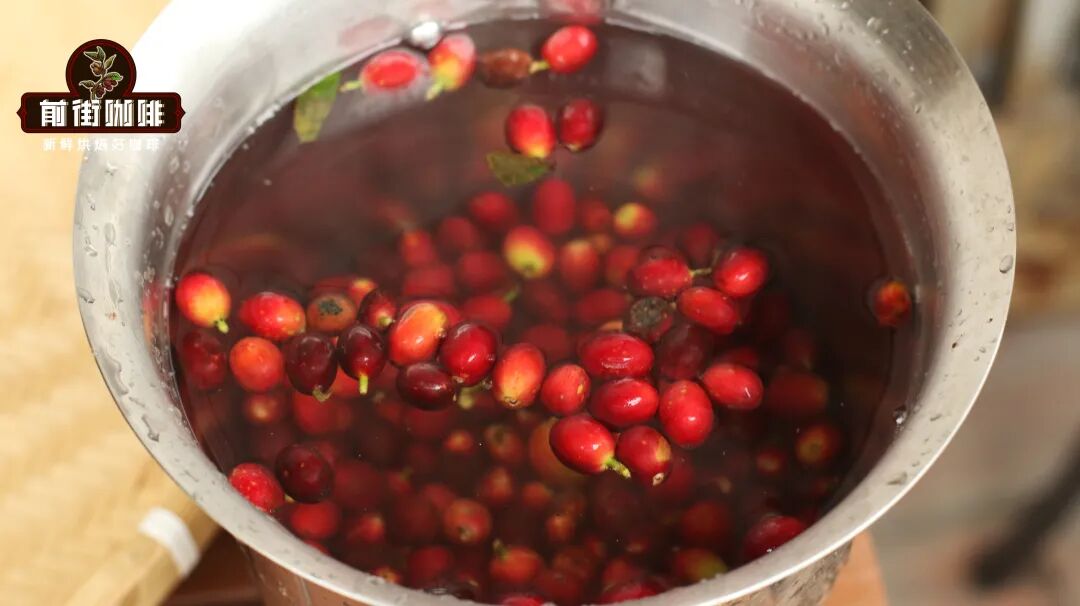
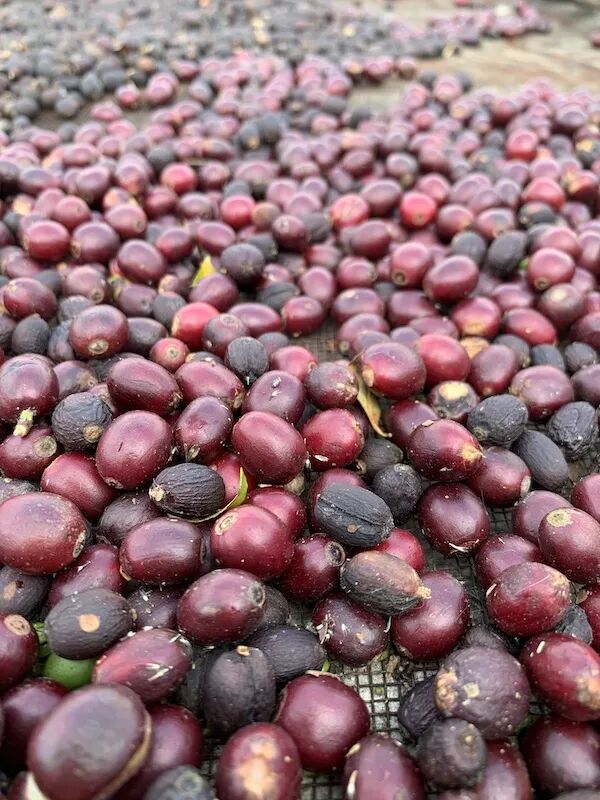
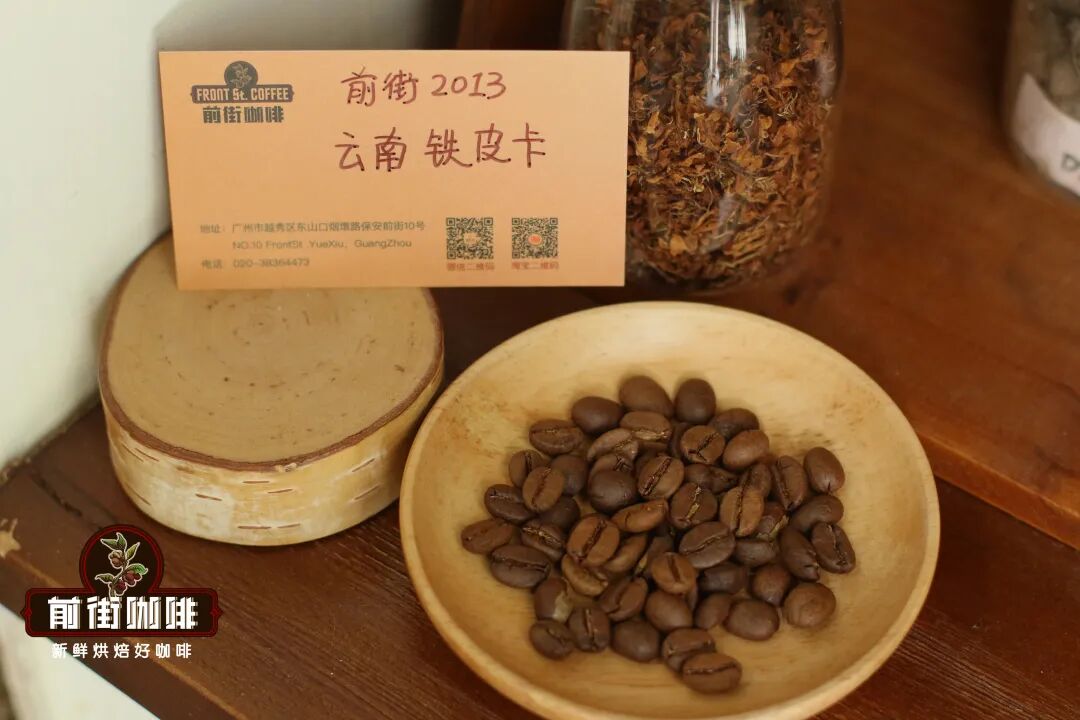
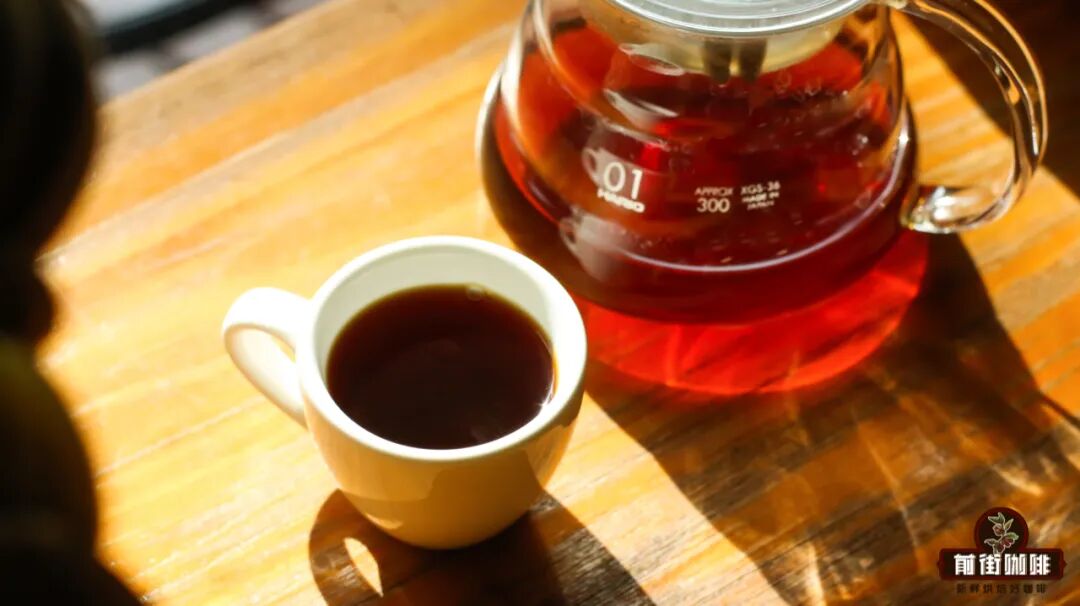
 Growing coffee from scratch is also a highly time-consuming endeavor. Coffee takes three to four years from seedling to first fruiting, and then experimenting with suitable processing methods and ultimately reproducing them takes at least five years to obtain the first batch of coffee. No one guarantees that a single attempt will produce top-quality specialty coffee. Front Street firmly believes there is no such easy thing in this world. After multiple rounds of variety selection and refining experiments after fruiting, several more years pass.After seven years, Front Street finally produced presentable results: this batch of only 200 kilograms of Typica coffee beans, processed naturally. To document the journey over these years, this batch of coffee beans was named "Front Street 2013" and sold in stores. For this cup of coffee, we spent eight years.So how does this fully self-produced batch of Front Street coffee beans taste?Coffee-to-water ratio: 1:15Grind size: fine sugar coarseness (80% passing through Chinese standard No. 20 sieve) Front Street brewing method: staged extraction. Use 30 grams of water for a 30-second bloom, then pour in a slow circular stream until 124 grams for a stage, and when the water level is about to expose the coffee bed, continue pouring until 227 grams and stop. When the water level is about to expose the coffee bed, remove the dripper. (Timing starts at the beginning of the bloom.) Total extraction time is 2 minutes. Tasting notes: Front Street 2013 Yunnan natural Typica coffee also has nutty tones. The body is more solid than Front Street's washed Yunnan coffee, the acidity is slightly lower than Front Street's washed Typica Yunnan coffee, but the sweetness is a bit more, with higher balance, berry-like acidity, mingled with brown sugar and a slight tea note.
The above content is compiled by CoffeeHunters, a coffee news website.