







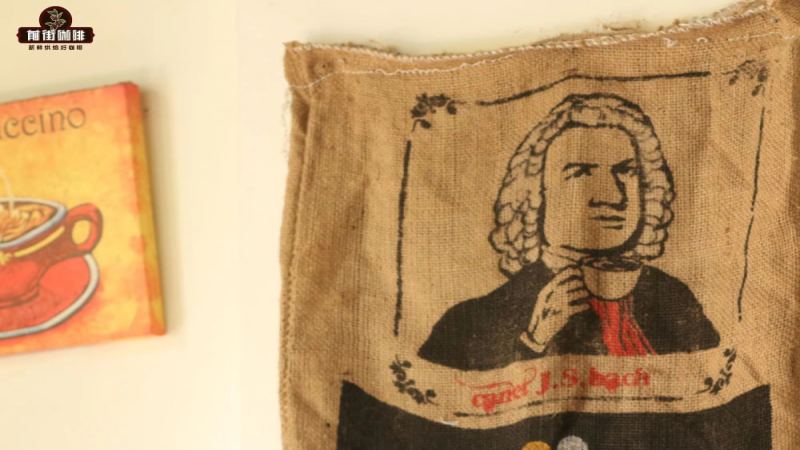
What do Costa Rican green coffee beans owe their flavor to?
Costa Rican coffee shows sweet fruity and floral notes, a lively aroma, and bright, pleasant acidity. That profile comes from careful cultivation and from honey processing, where some mucilage stays on the green coffee beans during drying. Highland volcanic soil, a stable climate, and abundant rainfall across the Central Plateau support those flavors.
Coffee reached Costa Rica from Cuba in 1729, giving the country nearly 300 years of growing history. After independence from Spanish rule in 1821, the government handed out free coffee seeds and land concessions to expand planting. ICAFE, the national coffee institute, now counts 29,918 farming households across eight producing regions.
Costa Rican coffee is known for its sweet fruity and floral notes, rich and vibrant aroma, and bright, pleasant acidity. Front Street Coffee's bean list features several Costa Rican coffees, and Front Street believes this is thanks to the country's meticulous cultivation management and diverse honey processing methods. This article will walk you through Costa Rica's coffee growing history, the distribution of its eight major regions, its main varieties and green bean grading, and take a deep dive into the principles and classifications of honey processing. It will also introduce the flavor profiles and brewing suggestions for Front Street's washed Tarrazú daily drinker beans and the Musician Series Mozart, helping you gain a comprehensive understanding of this Central American specialty coffee powerhouse.
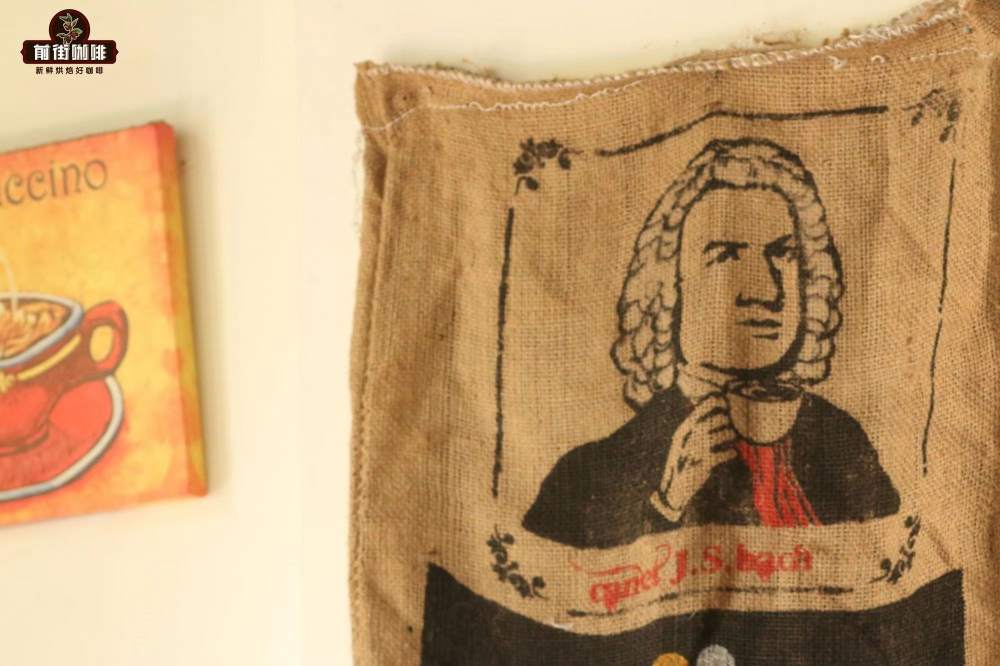
Costa Rican coffee typically displays sweet fruity and floral notes, a rich and vibrant aroma, and fresh, pleasant acidity. Front Street's bean list also includes several Costa Rican coffees. With such alluring flavors, Front Street believes this is inseparable from the country's careful cultivation and its unique and diverse honey processing methods.
Costa Rica
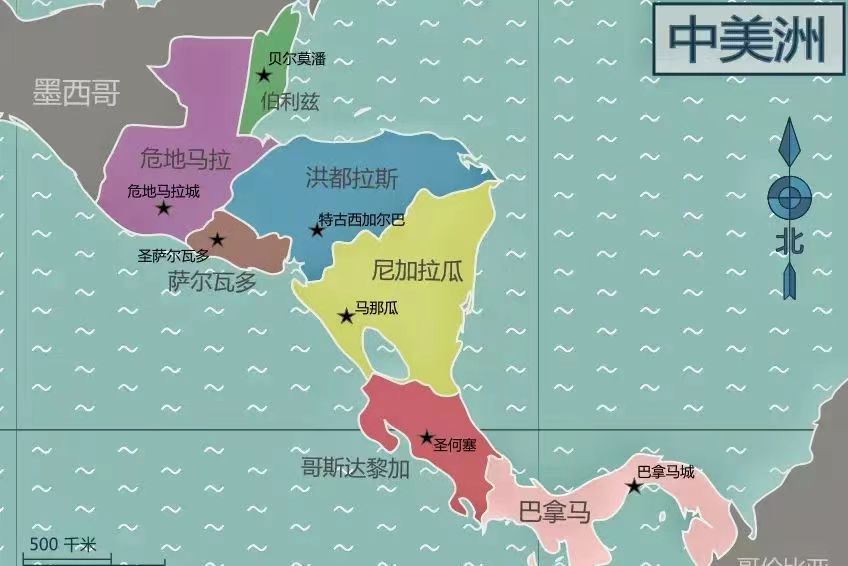
As can be seen on the map, Costa Rica is located at the isthmus of Central America, with Nicaragua to the north and Panama to the southeast.
Costa Rica is connected throughout by high mountains, and the Central Plateau features volcanic terrain. The fertile volcanic ash soil has low acidity, the year-round climate is suitable, and rainfall is stable and abundant. These various factors have made coffee here the country's main agricultural product.
Coffee Growing History
As the first Central American country to introduce coffee cultivation, Costa Rica has a long history of coffee growing and highly mature coffee production techniques. Coffee was introduced to Costa Rica from Cuba in 1729, giving it nearly 300 years of cultivation history. After gaining independence from Spanish colonial rule in 1821, the local government encouraged and promoted cultivation by granting land concessions and distributing free coffee seeds to farmers. According to data from the Costa Rican Coffee Institute (ICAFE), there are now 29,918 coffee farming households, showing how widespread coffee cultivation is in Costa Rica.
In addition, the Costa Rican government has strict regulatory systems and comprehensive laws for the coffee industry. In 1989, it enacted a ban on cultivating the lower-quality Robusta variety. In 2001, the Costa Rican Coffee Institute began overseeing the coffee industry and launched the National Coffee Plan, requiring each coffee-producing region to sign a quality improvement agreement, with processors committing to accept and process only ripe coffee cherries, thereby safeguarding coffee bean quality.
Coffee Regions
Costa Rica has eight major coffee-producing regions: Brunca, Turrialba, Tres Ríos, Orosi, Tarrazú, Valle Central, Valle Occidental, and Guanacaste.
Each region differs in altitude, climate, and soil characteristics, so the coffee flavors are distinctive as well. Among them, the highest-altitude Tarrazú region is also the most well-known. Front Street believes that washed Tarrazú coffee best represents the characteristics of Costa Rican coffee, so it chose washed Tarrazú as Front Street's Costa Rican daily drinker bean.
FrontStreet Coffee: Costa Rica Tarrazú Coffee Beans
Region: Costa Rica Tarrazú
Altitude: 1,500 meters
Varieties: Caturra, Catuai
Processing Method: Washed
Flavor: Sweet orange, honey, toffee, nuts
Tarrazú Region
What sets Tarrazú coffee apart from other regions is its high altitude, roughly 1,200–1,700 meters, which increases the temperature difference between day and night. Coffee cherries need longer to mature and absorb more nutrients. The harvest season runs from December to March of the following year. At high altitudes, coffee beans are hard and plump, with high acidity and prominent fruity flavors.
As a well-known local origin, Tarrazú is located south of Costa Rica's capital, San José, and coffee cultivation and management here receive great attention. Tarrazú coffee is mainly grown on the La Minita estate. With its inherently superior terroir, little fertilizer is needed, and hand-picking and sorting make the coffee cherries here even better in quality.
Honey Processing
There are four more common methods of processing green coffee beans in Costa Rica: natural, washed, honey, and red wine fermentation. In addition to the classic natural dried method and the washed method more common in Central America, there is the local innovative honey processing method.
Farmers use machines to remove the skin and pulp from harvested coffee cherries, then place the beans with the mucilage layer still attached in the sun to dry. The mucilage layer is high in sugar, and during drying the sugars and aromatic compounds of the berry ferment together with the parchment beans, giving the coffee beans a richer juicy feel and a more complex aroma. Therefore, this semi-natural processing method is called "honey processing."
Depending on how much of the mucilage layer is retained, it can be divided into yellow honey, red honey, and black honey. Yellow honey means retaining 60% of the mucilage, red honey means retaining 75%, and black honey means drying in the sun with almost no mucilage removed. Different mucilage thicknesses require different drying times. High temperatures accelerate the fermentation of the coffee pulp and mucilage, making mold or over-fermentation more likely and producing negative flavors. The advantage of honey processing is that it uses little water and does not require large tanks or drying yards, making it very suitable for Costa Rica's local micro-mills.
With the popularity of specialty coffee, more and more micro-lots have appeared, and honey processing has gradually begun to "vary its methods." Unlike the above three honey processing types, raisin honey processed coffee, represented by the Musician Series, has also become popular.
Before honey processing, the coffee cherries are placed in a water tank, and floating defective beans are skimmed off. They are then dried in the sun for more than three days until the coffee cherries reach a "raisin" state. The skin and pulp are then removed by machine, and the honey processing steps continue. This processing method requires even greater control over drying time, and the sweetness in the flavor is more layered. Front Street's Musician Series Mozart, Bach, and others use this processing method.
FrontStreet Coffee: Mozart Coffee Beans
Region: Costa Rica Tarrazú
Estate: Canet Estate
Altitude: 1,900 meters
Varieties: Caturra, Catuai
Processing Method: Raisin anaerobic honey processing
Flavor: Raisin, osmanthus, sweet orange, berries, pineapple
Coffee Varieties and Green Bean Grades
The main coffee varieties in Costa Rica are Caturra and Catuai.
Caturra is a Bourbon mutation discovered by Brazilians in 1927. Its yield and disease resistance are better than Bourbon's, and its tree shape is shorter, making harvesting easier and allowing it to grow well without shade trees. The beans also look somewhat like Bourbon, and the overall flavor is bright with pleasant sweetness. Catuai is a cross between Caturra and Mundo Novo, so it shares Caturra's short tree shape. Its fruit set is firmer than Caturra's and is not easily blown off by strong winds. In flavor, it highlights the aroma of fresh fruit even more.
Costa Rican coffee beans can be divided into three grades according to altitude: beans grown above 1,500 meters are Strictly Hard Bean (SHB), those grown at 1,100–1,500 meters are Good Hard Bean (GHB), and those below 1,000 meters are Hard Bean (HB). Strictly Hard Bean grows in higher-altitude areas, so its acidity is noticeably higher than in other areas and its flavor is more intense. Front Street's washed Costa Rica Tarrazú daily drinker beans are selected from plump GHB Strictly Hard Bean grade.
Brewing Suggestions
To taste the flavors of Costa Rican coffee under different processing methods, Front Street compared washed Tarrazú and raisin anaerobic honey processed Mozart. For coffee beginners, Front Street has a small suggestion: if you want to understand the signature flavor of a coffee-producing region, start with washed processing. It is not hard to see that most of Front Street's daily drinker beans use washed processing, because Front Street believes this is how you can taste the region's basic flavor. Once you advance, you can then choose the flavor types you prefer.
To bring out the aroma of Costa Rican coffee beans, Front Street recommends using freshly roasted coffee beans. The beans sold by FrontStreet Coffee are all roasted within 5 days. When you receive the coffee after ordering and shipping, brewing it then falls right within the optimal flavor period, because Front Street knows that freshness has a very important impact on coffee flavor.
For customers who do not have grinding equipment at home, Front Street can provide grinding service on their behalf. Since coffee aroma volatilizes faster after grinding, if you want a fuller flavor, Front Street believes you can also equip yourself with grinding equipment according to your own situation.
For roasting, Front Street chooses a medium-light roast to highlight the coffee's floral and fruity aroma. Because hard beans grown at high altitude require higher water temperature to bring out the aroma, a grind size similar to fine granulated sugar can make the coffee's fruity flavor more intense.
Dripper: V60
Water Temperature: 91°C
Dose: 15 grams
Coffee-to-Water Ratio: 1:15
Grind Size: 80% passing through a No. 20 standard sieve
After grinding, the washed Tarrazú daily drinker beans give off aromas of nuts and chocolate, and on the palate there is a clear, clean berry-like sweet acidity. The raisin anaerobic honey processed Mozart, after grinding, gives off rich aromas of raisin and osmanthus. On the palate, the coffee has a rich tropical fruit fermented sensation like cantaloupe, and as the temperature drops, the acidity becomes softer, like floral tea.
For professional coffee knowledge exchange and more coffee bean information, please follow Coffee Workshop (WeChat public account: cafe_style)
For more specialty coffee beans, please add the private WeChat of FrontStreet Coffee. WeChat ID: qjcoffeex
The above content is compiled by CoffeeHunters, a coffee news website.


